![4 C Stand Rigging Hacks to Save Your Lights on Set [2026]](https://stands.creatorrigreviews.com/wp-content/uploads/2026/02/4-C-Stand-Rigging-Hacks-to-Save-Your-Lights-on-Set-2026.jpeg)
I’ll never forget the moment I watched my C-stand topple over during a hectic shoot. The light crashed to the ground, and amid the chaos, I realized I didn’t have the right rigging hacks to keep it secure. That experience was a lightbulb moment for me—it’s not just about setting up gear; it’s about smart, reliable rigging that can withstand the unpredictable on-set environment. If you’ve ever faced similar frustrations—worrying whether your lights will stay put or tipping over when you need them most—you’re not alone.
Why Proper Rigging Can Make or Break Your Shoot
On any set, especially when working under tight schedules and ever-changing conditions, the stability of your lighting gear is crucial. A single gust of wind or a poorly secured stand can ruin a shot—costing you time, money, and reputation. In fact, studies show that unstable support equipment is among the top causes of on-set accidents, leading to potential injuries, gear damage, and delays. Properly rigging your C-stands isn’t just good practice—it’s essential for safety and efficiency. My early mistakes—including neglecting to weigh down stands or using incompatible clamps—cost me dearly. Trust me, a small change in how you rig can prevent big disasters.
Is Rigging Hacks for C Stands Worth the Effort?
At first, I thought simple sandbags would suffice. But I underestimated the importance of strategic rigging—especially on uneven ground or in windy conditions. The truth is, little tweaks like secure grip placements and adding support arms can dramatically improve stability. Implementing these hacks didn’t just keep my lights in place; it gave me peace of mind during critical shots. Curious if these methods are effective for your setup? Let me assure you, investing in proper rigging pays off in both time and safety. Ready to learn how to keep your lights steady no matter what? Let’s dive into the top rigging hacks that can save your shoot in 2026 and beyond.
Secure the Base with Sandbags and Weight Distribution
Start by anchoring your stands with quality sandbags, ensuring they cover the base evenly. During a recent shoot on uneven ground, I layered two sandbags on each leg—this prevented any wobbling when wind picked up. Think of a tripod as a tall, thin tree; the roots (sandbags) keep it steady and upright. Always verify that the weight is centered for maximum stability.
Use Clamps and Supports Strategically
Clamps are your best allies for adding support where the stand alone isn’t enough. In one instance, I attached a grip arm to my C-stand using a clamp, then secured the light to distribute weight more evenly. Imagine hooking a chain to stabilize a swinging door—when used correctly, clamps prevent your gear from swaying or tipping. For detailed support options, check out https://stands.creatorrigreviews.com/the-ultimate-boom-arm-setup-guide-for-seamless-filmmaking.
Position and Balance Your Equipment Properly
Always aim for a low center of gravity; keep heavy lights close to the stand and at the base. I once overloaded a stand with a heavy fresnel lamp at the top, which caused wobbling. Shifting the light closer to the tripod’s center and balancing via the counterweight helps. Think of it like balancing a broomstick on your finger—distribute weight evenly for less wobble and more control.
Tie Down C-Stands with Grip Ropes or Bungee Cords
Extra security can be achieved by tying down the stand’s legs to nearby objects or using bungee cords to stabilize against gusts. During an outdoor shoot, I secured each leg to a nearby fence with these methods, preventing the stand from toppling over. It’s akin to anchoring a sailboat in strong wind—extra lines prevent unexpected movement and add reassurance.
Optimize Support Arms to Prevent Sagging and Toppling
Support arms, especially boom arms, should be tightened properly and supported with additional hardware if heavy loads are involved. I once used a top support arm with a quick-release clamp to affix a heavy light array, which eliminated sagging and shifted the gear’s center of gravity. To learn more about supporting your boom arms effectively, visit https://stands.creatorrigreviews.com/best-support-arms-c-stands-light-stands-for-stable-filming-in-2024-2.
Regularly Check and Adjust During the Shoot
Even after securing everything initially, frequent checks are crucial. I learned this the hard way when a slight wind caused my stand to shift—prompt adjustment saved my shot. Think of your rig as a living system that requires ongoing attention; a simple twist of a clamp or adjustment of weight can prevent disasters.
Leverage Horizontal Support and Cross-Bracing
Adding support braces between stands or attaching support arms across multiple stands can distribute stress and increase stability. In a windy outdoor setup, I connected two C-stands with a cross brace, creating a sturdy support network that rendered the whole setup windproof. Visualize this as building a human pyramid—more contact points increase overall stability. For more detailed support configuration tips, see https://stands.creatorrigreviews.com/ultimate-guide-to-c-stands-boom-arms-for-filmmakers-2024.
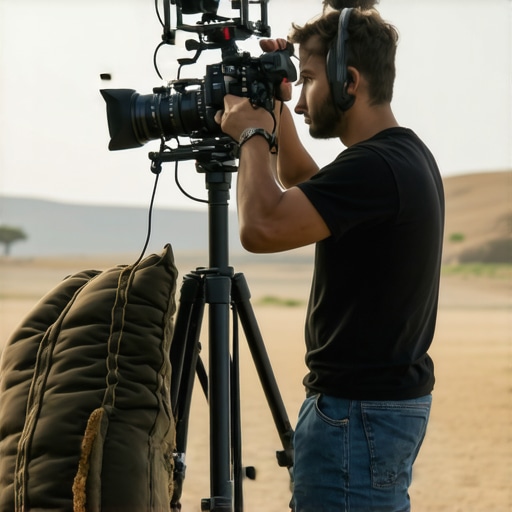
Many experienced filmmakers will tell you that choosing the right tripod, light stand, or C-stand is just the beginning. The real challenge lies in understanding the intricacies that most overlook. For instance, a widespread myth is that heavier gear always equals greater stability. While weight can be beneficial, it often leads to complacency in setup techniques and underestimating dynamic factors like wind or uneven surfaces. In my experience, fine-tuning support setups involves refining tension, center of gravity, and hardware compatibility—details that can make or break your shot. This is where advanced practitioners pay close attention, deliberately avoiding common pitfalls such as using incompatible clamps or neglecting supplemental support like cross-braces. Recognizing these nuances ensures your gear remains reliable regardless of shooting conditions.
Can Proper Rigging Techniques Surpass Heavy Equipment in Stability?
Absolutely. Many believe that the heavier the stand, the better it performs, but studies highlight that proper technique and hardware quality play a more critical role in stability. For example, securing supports with correctly tensioned clamps and employing strategic weight distribution often outperform simple weight addition. It’s akin to the difference between a well-placed sandbag and a bulky, poorly arranged one—who do you think provides better stability? For professionals, mastering these subtleties is essential, and resources like this guide can elevate your rigging skills. Remember, the devil is in the details; overlooking them can lead to unexpected topples or sagging during critical shots. Ready to dig into advanced rigging tips? Explore more expert advice.
One trap that many fall into is relying solely on visual cues rather than testing and adjusting support hardware. For example, assuming a clamp is tight enough without testing for motion can result in gear slipping mid-shoot. A subtle wobble may go unnoticed until the final scene flips or drops. To avoid this, perform pre-shoot stability checks, especially when outdoor elements or heavy equipment are involved. This proactive approach saves time and prevents costly re-shoots. Additionally, regularly inspecting hardware for signs of wear or fatigue prolongs support system lifespan and safety. Being vigilant about these small yet vital details is the hallmark of an expert grip.
Ever wondered why some setups remain stable despite challenging conditions? The secret lies in understanding the physics of support and applying advanced practices like cross-bracing or tensioning support arms. These techniques distribute load more evenly and resist lateral forces such as wind gusts. For instance, adding a support cross-brace between two C-stands can create a more rigid support shell—imagine it as strengthening the foundation of a skyscraper. For the detailed methods on this, check out this article. Mastering these nuanced strategies can dramatically improve your setup’s resilience, especially for outdoor shoots or high-traffic environments.
Let me leave you with this: the support gear is only as good as the care and knowledge you infuse into its setup. Overlooking advanced adjustments or trusting superficial stability can be disastrous when you need reliability the most. So, next time you rig, remember to scrutinize tension, leverage support accessories, and incorporate cross-bracing where applicable. Want to elevate your rigging game? Dive deeper with these expert tips. And here’s a question for you—have you ever fallen into this trap of underestimating support nuances? Share your stories in the comments, and let’s exchange insights.
Prioritize Regular Equipment Inspections to Avoid Surprises
One of the most effective ways to keep your support gear functioning optimally over time is to establish a routine inspection schedule. Personally, I set aside time before each shoot to check all hardware, tighten clamps, and examine for signs of wear. Pay close attention to quick-release mechanisms on support arms and the integrity of welds on C-stands. Addressing minor issues early can prevent costly failures during critical moments. Incorporate visual checks into your workflow, and consider keeping a maintenance log to track any recurring issues and ensure longevity.
Use High-Quality Tools to Extend Longevity
When it comes to maintenance, the tools you choose matter. I always rely on precision Allen wrenches, torque screwdrivers, and rust inhibitors. Using the correct tools prevents over-tightening, which can damage threads or deform support hardware. For example, proper torque application on stand adjustments maintains stability without risking breakage. Investing in quality cleaning supplies, like soft brushes and anti-corrosion sprays, keeps your gear free from dirt and corrosion. Remember, the right tools are an investment in your equipment’s reliability and safety.
Leverage Support Hardware for Long-Term Results
Aside from inspecting and cleaning, consider upgrading or supplementing your support hardware to boost durability. Reinforced clamps, heavy-duty sandbags, and cross-bracing accessories can dramatically enhance stability and lifespan. I also recommend applying thread-locking compounds on bolts that experience frequent adjustments—they prevent loosening over time. For a comprehensive upgrade, explore specialized hardware that’s designed for heavy-duty scenarios, ensuring your support system withstands wear and environmental stresses. Proper hardware choices contribute significantly to your long-term success on set.
How do I maintain support tools and hardware over time?
Maintaining your support tools and hardware involves a combination of regular cleaning, strategic replacements, and proper storage. Store equipment in a dry, dust-free environment to prevent corrosion. Regularly test moving parts and replace any worn supports or clamps before they fail. Keep a dedicated maintenance kit with lubricants, spare parts, and calibration tools. Additionally, consulting manufacturer guidelines and tutorials can offer insights into best practices—many brands provide detailed manuals or videos for upkeep. Implementing these routines ensures your gear remains reliable and safe across multiple shoots, saving you time and money in the long run.
If you haven’t already, try applying thread-locking compound on your stand bolts. This small step can prevent loosening due to vibration or repeated adjustments, greatly increasing hardware lifespan. Want to learn more about supporting your gear for maximum durability? Check out this detailed guide.
The Hardest Lesson I Learned About Support Systems
One invaluable insight I gained was that no matter how heavy or sturdy your support gear is, improper rigging can undermine its effectiveness. A crucial moment was when I relied solely on weight without checking for tension or hardware integrity, leading to a near disaster. This taught me that attention to detail—like double-checking clamps and supporting hardware—far exceeds dependability on weight alone. It’s a reminder that mastery is found in the small, often overlooked adjustments that secure your shot and ensure safety.
Tools That Elevate My Rigging Confidence
Over time, I found that quality tools—like precision torque screwdrivers and high-end clamps—are game-changers. They allow me to ensure hardware is tightened just right, preventing slip-ups during critical moments. My favorite resource is this guide on support arms and stands, which has become my go-to for selecting reliable hardware. Investing in the right tools transforms the rigging process from guesswork to a confident craft.
Keep Your Equipment at Its Best with Routine Checks
One often underestimated step is regular maintenance—inspecting hardware, tightening connections, and replacing worn parts before they fail. I’ve learned that scheduled checkups not only prolong gear lifespan but also prevent surprises in the middle of a shoot. Maintaining a simple checklist, which I keep handy, ensures that each component performs at its peak. This proactive approach has saved me countless headaches and kept my setups stable, no matter the environment.
Stability Comes from Thoughtful Support Strategies
Adding cross-braces and tension supports adds a new layer of security that’s well worth the extra step. I remember connecting two C-stands with a support brace during a windy outdoor shoot; the extra stability was evident as the entire setup withstood gusts that toppled nearby unsupported gear. Think of it as building a fortress—more support points mean fewer vulnerabilities. For detailed support configurations, I recommend exploring this article on support enhancements.
Transform Your Rigging Game with Practical Wisdom
Above all, embrace the mindset that meticulous rigging is an ongoing process—not a one-time task. My biggest breakthrough was realizing that constant vigilance—checking, adjusting, and upgrading—results in more reliable setups and safer environments. By integrating these lessons into your routine, you’ll find your support gear becomes an unshakeable foundation for your creative vision. Want to dive deeper? Visit this comprehensive guide and elevate your support strategy today.
Ever Faced a Rigging Real-Life Nightmare? Share Your Story
Have you ever overlooked a simple safety check that resulted in a close call or a ruined shot? If so, I’d love to hear how you handled it. Sharing these experiences not only helps us learn but also builds a community dedicated to safer, smarter filmmaking. Drop your story below, and let’s grow together in mastering the art of reliable rigging.
Reading this post really resonated with me, especially about the importance of ongoing support checks during a shoot. I once learned the hard way how a seemingly secure clamp can become loose with just a few hours of outdoor conditions, leading to a minor mishap that could have been avoided. What’s your go-to method for ensuring the hardware stays tight during long outdoor shoots? I’ve started using a torque wrench to double-check clamps and support bolts at intervals, which has helped a lot. I wonder, for those working in extremely windy environments, do you have additional techniques to keep your stands from shifting? I’d love to hear some tried-and-true tips—sharing our experiences definitely helps all of us improve safety and stability on set.