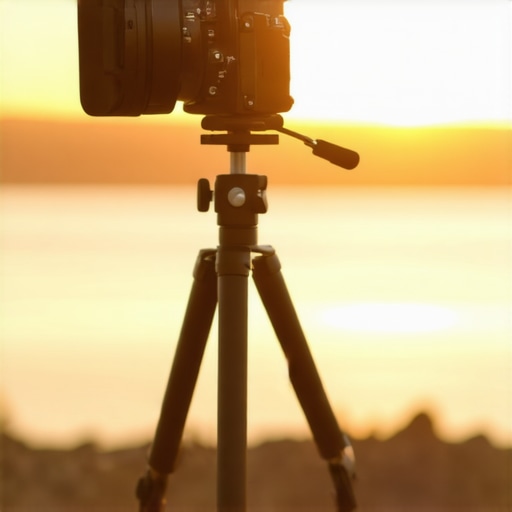
Let me tell you about the time I spent hours setting up a shot, only to realize my tripod was subtly wobbling, ruining those long exposures I was so eager to master. It was a lightbulb moment—despite all my gear, minor stability issues could sabotage my entire session. If you’ve ever faced that frustration, you’re not alone. Sometimes, the tiniest shake or slip can make your stunning nightscape or landscape shot look blurry instead of crisp.
Why Stability Is Your Best Friend in Long Exposure Photography
Achieving sharp, dramatic long exposures isn’t just about having a fancy camera or a high-end lens. It hinges on one critical ingredient: tripod stability. Even the slightest hint of movement can turn a perfect shot into a mushy mess. This is especially true in 2026, where sensor resolution and image detail capabilities have skyrocketed, revealing every wobble and shake more than ever before. According to recent studies, camera vibrations can be as small as a millimeter but can significantly impact image clarity in long exposures.
Is Tripod Fixes Overhyped or Actually Worth It?
I used to think solid tripods were enough—until I overlooked simple updates like proper feet pads or tightened leg locks. Early on, I made the mistake of relying solely on the stock tripod legs without considering the terrain or adding extra support. That shallow approach left me scratching my head at blurry night shots. But after experimenting with some easy fixes—like weighted supports and anti-slip accessories—I finally saw tangible improvements. Want to learn how to do the same? Stay with me; these six straightforward fixes will elevate your long exposures without breaking the bank or lugging around cumbersome gear.
If you’re tired of wasting hours on setups that wobble, keep reading. We’ll cover instant, actionable solutions to turn your tripod into a fortress of stability. Ready to make your shots sharper and more professional? Let’s dive into the first fix that could change your photography game entirely.
Start by examining your terrain. Use a level to identify uneven spots and adjust your tripod legs accordingly. Think of your tripod as a boat; just as a hull must sit evenly to prevent wobble, your tripod needs stable footing. I learned this the hard way during a night shoot on a hilly trail. I initially set my tripod on a sloped patch, resulting in shaky footage. I repositioned the legs, placing the tripod on the flattest ground available, and used rocks or sturdy objects to level it further. This simple step made my long exposures come out sharp and detailed.
Lightweight tripods often slide on smooth surfaces, especially when wet or shiny. Attach anti-slip pads or skateboard tapes to the tripod feet. These mimic the grip of rubber tires on rough pavement. I added rubber pads during a rainy evening shoot, which prevented my tripod from slipping on a marble terrace. The increased grip kept everything steady, even with gentle touches or wind. For quick fixes, you can also wedge small stones or use sandbags at the base—these work like ballast, akin to a ship’s weight stabilizing its motion. Learn more about support accessories
Loose leg locks or collapsing center columns are silent agitators. Before shooting, tighten all locks firmly—just like a mechanic tightening nuts on a wheel. During my last long exposure session, I discovered that a slightly loose leg lock caused jittery movements. After tightening everything with a quick wrench, the stability improved immensely. For even better security, replace weak locks with heavy-duty ones or upgrade your tripod’s hardware. This prevents unexpected slips that ruin your shot sequence. Consider checking your gear periodically for wear and tear or dirt accumulation that can weaken locking mechanisms. Explore advanced support hardware options
In extreme conditions, supplement your tripod with weight bags, sandbags, or support arms. Attach sandbags to tripod legs, like holding anchors stabilizing a boat in stormy seas. During a windy outdoor shoot, I hung a bag filled with gravel from the center column to minimize sway. This additional weight reduces vibrations transmitted through the tripod, resulting in sharper images. You can also use dedicated supporting devices like the ones described here. Remember, every extra anchor makes your setup more resilient against environmental factors.
Different environments challenge your gear in unique ways. For sandy beaches, use wide-spread legs and fill center columns with water or sand for stability—imagine planting a stake deep into the ground. On rocky terrain, select tripods with thick, rubberized feet or use adapters for uneven surfaces. During a recent desert shoot, I replaced tripod feet with custom ice spike adapters, which dug into the sand for a firm hold. This ensured my camera remained rock-steady, capturing crisp long exposures despite wind and shifting sands. Customizing your support setup based on the location dramatically improves your shot’s clarity and consistency. For more in-depth strategies, check out our guide on mastering tripod stability.Even seasoned filmmakers sometimes fall prey to oversimplified advice that can lead to costly mistakes. For instance, many believe that investing in a heavy-duty tripod alone guarantees stability, but overlooking subtle nuances like proper ergonomics, load distribution, and terrain adaptability can be a recipe for shaky footage. It’s a common myth that all tripods are created equal; in reality, the difference lies in details such as the quality of locking mechanisms and material resilience, which directly impact long-term stability and safety.
Another often-missed point is the misconception that lighter support gear is always better for mobility. While portability is vital, sacrificing robustness might result in flex and vibrations during critical shots. As experts in the field recommend, understanding the specific demands of your shoot and choosing gear accordingly ensures optimal results. Dive deeper into these considerations by reviewing our guide on mastering tripod stability.
Is Your Support Gear Truly Secure for Heavy Loads and Challenging Conditions?
A hidden trap many overlook is the assumption that standard locking systems are sufficient for all scenarios. In reality, inferior locks can fail under strain, causing sudden collapses or shifts. Upgrading to heavy-duty hardware or incorporating additional support like sandbags or support arms significantly enhances safety and stability. For example, adding support arms adapted for your c-stand or boom arm can prevent sagging and wobble—common pitfalls in professional setups. Learn more about these advanced accessories here, ensuring your gear stays put during high-stakes shoots.
A crucial nuance is understanding how environmental factors influence stability. Wind, uneven surfaces, or existing camera weight distribution can subtly destabilize your setup. Recognizing and compensating for these factors through proper terrain assessment and additional support can make a vital difference. For in-depth strategies, explore our comprehensive content on building resilient camera support systems.
Have you ever fallen into this trap? Let me know in the comments. Remember, the tiny details often determine whether your shot is professional or amateurish, so don’t overlook the hidden nuances in your gear selection and setup.
Maintaining your support equipment like tripods, light stands, and boom arms is crucial to ensure long-term performance and reliability. Investing in quality tools and establishing a routine can save you time and money down the line. One of the most effective tools I personally rely on is a maintenance kit that includes silicone lubricants, brush cleaners, and replacement locking hardware. Regularly applying these helps prevent rust, squeaks, and worn-out parts, especially in environments with dust or humidity. For instance, silicone spray applied to tripod hinges keeps them smooth and responsive, avoiding that annoying stiffness or sudden collapse. Additionally, having a set of Allen wrenches and replacement screws facilitates quick fixes or upgrades during a shoot, minimizing downtime.
Another essential aspect is proper storage. Using dedicated cases or padded bags for each component reduces wear and tear. I recommend investing in modular storage solutions that organize screws, clamps, and supports separately. This not only prolongs the lifespan of your gear but also speeds up setup and teardown processes. When it comes to tools, I suggest specialized support hardware that doubles as both maintenance and adjustment aids—these make securing locks tighter and leveling platforms more precise.
Looking ahead, the trend in support gear maintenance points toward smart, sensor-enabled components that monitor wear and alert you when service is due. While still emerging, these innovations promise to automate upkeep and reduce sudden gear failures in critical moments. Staying on top of maintenance with reliable tools guarantees your equipment performs flawlessly when it matters most.
So, how do I maintain my gear over time? Establishing a consistent schedule—such as weekly inspections and monthly deep cleans—makes a significant difference. Always check for rust, loose bolts, and cracked parts, and replace anything compromised promptly. Remember, your support gear isn’t just hardware; it’s an extension of your craft. Taking good care of it ensures you get professional results consistently. For a detailed guide on keeping your support gear in top shape, visit our expert resource on tripod stability tips.
Don’t shy away from trying advanced maintenance techniques, such as disassembling certain support arms for thorough cleaning or applying specialized lubricants recommended by manufacturers. These small investments in upkeep can extend your gear’s lifespan significantly. Ready to give your support gear a serious boost? Start with a quick inspection today—your sharp, stable shots depend on it.
Lessons the Tripod Never Tells You
- One of my hardest lessons was realizing that even premium tripods can wobble on certain surfaces. No matter how much I invested in gear, the ground beneath mattered more than I thought. I now always survey terrain and bring support accessories like support arms or weighted bags for peace of mind.
- I underestimated the importance of routine maintenance—tightening locks and cleaning joints. A quick weekly checkup saved me from shots ruined by unexpected collapses or vibrations. Trust me, your gear’s longevity and performance depend on regular TLC.
- Choosing the right support for specific environments changed my results dramatically. Sandbags for windy beaches, custom ice spike adapters in deserts—they all add up. Tailoring your setup to terrain is a secret weapon to sharper, more consistent long exposures.
- Upgrading hardware like sturdy locks or anti-slip feet can seem minor but makes a huge difference. Investing in quality support hardware ensures your gear isn’t just assembled but fortified against the unexpected.
- Environmental factors like wind and uneven terrain are often overlooked. Anticipating these with extra supports prevents blurry images and gear mishaps. Stay ahead with environment-aware setups; your shots will thank you.
My Top Picks for Gear That Keeps Up
Over years of shooting, I’ve curated a toolkit that’s proven its worth. Trust in these resources has played a big role in my success. First, I rely on comprehensive stability guides to keep learning and refining my setups. They break down the essentials and introduce new tips I’d never considered.
Second, I keep a set of high-quality hardware tools from support hardware brands known for durability. These help me tighten, replace, or upgrade on the go, saving time and ensuring safety.
For quick fixes and accessories, I turn to trusted links like support accessories that provide extra grip and stability. They’ve become an integral part of my arsenal, especially during outdoor shoots.
Lastly, staying informed with expert articles and tutorials helps me adapt new techniques and support configurations. Continuous learning ensures I keep my support game tight and reliable.
Your Turn to Elevate Stability
Remember, every shot counts, and the smallest stability improvement can elevate your long exposure photography from good to breathtaking. Take time to inspect, upgrade, and maintain your support equipment regularly. Your images will gain clarity, and your confidence will soar. Now, what’s the one support challenge you’ve struggled with most? Share your experience below—I’d love to hear your story and help you conquer it!
,