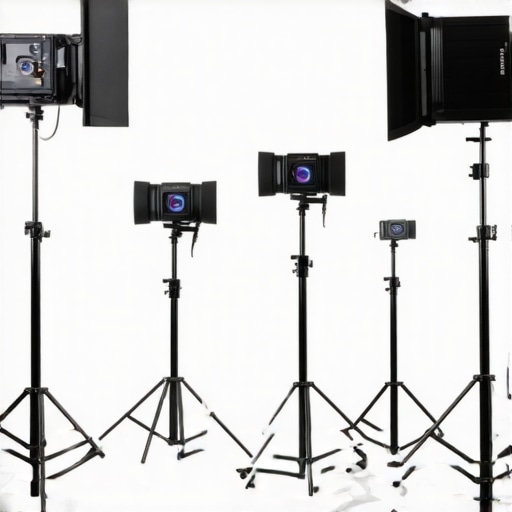
I remember the exact moment I realized my shaky shots were ruining my videos. It was during a critical outdoor shoot—my tripod sank into the mud, and my brand-new light stand wobbled with every gust of wind. Frustration bubbled up. I knew I needed better gear, but I was overwhelmed by the options and dubious about whether investing in top-tier equipment really made a difference. That “lightbulb” moment sparked my journey into understanding how the right tripods and light stands could transform my filmmaking—and I want to share that insight with you.
Why Stable Support Matters More Than Ever in 2024
In 2024, the demand for high-quality, professional-looking content has skyrocketed. Whether you’re shooting for YouTube, corporate videos, or indie films, shaky footage just won’t cut it anymore. A sturdy tripod or light stand isn’t just a luxury—it’s the foundation of a polished production. When your gear wobbles, your shots suffer. Blurry, unstable footage can ruin a scene faster than you can say “retake.” Plus, with new lightweight materials and innovative designs, today’s supports are more versatile and portable than ever, making stability achievable even on the go. Still, many creators overlook this essential piece of their toolkit, often settling for cheap supports that wobble or collapse at the worst moments. My early mistake was ignoring the quality of my gear and trusting flimsy stands that couldn’t handle the weight or the wind. That mistake cost me time, retakes, and ultimately, a loss of credibility. For a professional look, you need support gear that can handle your setup, wherever your shoot takes you. Want to see how I upgraded? Check out my detailed guide on best tripods and C-stands for professional production.
Is Cheap Gear Actually Worth the Hype?
Here’s the truth: I bought a budget tripod early on, thinking I was saving money. Turns out, it was a false economy. It wobbled, collapsed, and sometimes even broke mid-shoot. The lesson? Cutting corners with supports can cost you more in the long run. Reliable gear might seem expensive, but it pays for itself in stability and peace of mind. Want to avoid my costly mistake? Focus on the features that ensure stability, durability, and adaptability. For a comprehensive look, see my post on ultimate guide to tripods, boom arms, and C-stands for 2024.
If you’re tired of wobbly shots and unreliable stands, you’re in the right place. Over the next sections, I’ll guide you through selecting the best tripods and light stands tailored for 2024’s needs—gear that will keep your shots steady, even in challenging environments. Ready to elevate your filming game? Let’s dive into the essentials you need to know to choose the perfect support gear for your projects.
,
Secure Your Support Gear Properly
Start by choosing a sturdy tripod or light stand that matches your shoot’s needs. I once used a lightweight tripod for an outdoor shoot, only to find it wobbled in the wind, ruining my shot. To avoid this, always check the weight capacity and build quality. Use sandbags or weights at the base to improve stability, especially when shooting in windy conditions. This simple step transformed my shaky footage into smooth, professional-looking shots. For more tips on building a reliable rig, visit this guide.
Adjust and Lock Your Supports Correctly
Never underestimate the importance of properly adjusting your support gear. When I first started, I would extend my tripod legs without locking them tightly, which caused sudden shifts mid-shoot. Always extend each leg fully and tighten the locks securely. Use the center column sparingly—if you need height, ensure it’s locked tightly and not overextended. For maximum stability, consider using a tripod with independent leg locks and a center brace. This ensures your support stays firm even when you’re moving around or adjusting your shot. For detailed techniques, check out expert stability tips.
Use Supports Designed for Your Environment
Different environments demand different support setups. Indoors, C-stands and boom arms offer stability and flexibility, especially for lighting. I once struggled with a light stand that kept slipping on a slick studio floor—until I switched to a support with rubber feet designed for slick surfaces. When shooting outdoors, lightweight supports are great for portability, but make sure they can handle wind and uneven ground. For off-site shoots, I recommend supports with adjustable legs and secure locking mechanisms. For the best options, see support gear recommendations.
Test Stability Before Shooting
Always do a quick stability check before starting your shoot. I once set up for an interview, only to notice my support was slightly wobbly after I finished. I tapped the support gently and adjusted the legs or added weights as needed. This proactive check saved me from shaky footage later. When testing, shake the support slightly—if it wobbles or shifts easily, reinforce it or try a different setup. Remember, a small investment in testing can save hours of retakes. For advanced support tuning, explore this comprehensive guide.
Integrate Support Gear Into Your Workflow
Make support gear part of your regular setup routine. Keep your stands, clamps, and weights organized and ready for quick assembly. During my early shoots, I wasted valuable time searching for the right support or adjusting unstable gear. Now, I prepare my gear in advance, ensuring each piece is securely locked and stable. This consistency improves shot quality and reduces on-set stress. For tips on building a custom rig that integrates all your supports seamlessly, visit rigging tips.
Keep Your Supports Well-Maintained
Finally, regularly inspect your support gear for wear and tear. I once ignored a loose screw on my tripod, which caused it to collapse during a shoot. Tighten all bolts, lubricate moving parts, and replace worn-out components regularly. Well-maintained gear ensures reliable support when you need it most. For maintenance best practices, see support gear maintenance.
Many filmmakers assume that support gear like tripods and light stands are straightforward tools—just pick the cheapest or most popular model and you’re set. However, this oversimplification often leads to costly mistakes and missed opportunities for professional-quality shots. Let me dig into some of the nuances most people overlook, and share insights that can elevate your support gear game.
Why the Quality of Materials Matters More Than You Think
It’s tempting to focus on features like weight capacity or brand reputation, but the real secret lies in the materials used. Cheap supports often use lightweight plastics or thin metals that bend or break under pressure. Reliable gear employs high-grade aluminum or steel, which offer a balance of durability and portability. This isn’t just about avoiding breakage; it’s about consistency. A support made from quality materials maintains its stability over time, even after multiple setups and disassemblies. Skimping here can lead to wobbling, compromised shots, and the need for frequent replacements. Want to see what I recommend? Check out this comprehensive guide for professional-grade options.
The Trap of Over-Extending Supports
Another common mistake is overextending support legs or columns beyond their optimal height. It might seem convenient to push your tripod or C-stand to its maximum, but this significantly reduces stability. When supports are extended beyond their intended range, the center of gravity shifts outward, increasing wobble risk. Advanced users know that proper support height is a balance—use the shortest effective height, and stabilize with weights or sandbags. Overextending is an easy trap that even experienced filmmakers fall into, especially on location. For technical tips on maximizing stability, take a look at this expert guide.
What About Support Compatibility and Adaptability?
Many overlook compatibility issues—support gear designed for studio use might not perform well outdoors, or vice versa. For instance, support stands with smooth rubber feet excel indoors but slip on slick surfaces or uneven ground. Conversely, supports with adjustable legs and spike feet provide much-needed adaptability for outdoor shoots. The hidden nuance is understanding the environment and choosing supports that can adapt without sacrificing stability. Failing to do so can result in unstable setups, gear damage, or even safety hazards. To find the right fit, explore support gear tailored for your environment.
Have you ever fallen into this trap? Let me know in the comments.
Finally, remember that maintenance and proper setup are often neglected. Regularly inspecting and tightening screws, lubricating moving parts, and ensuring support legs lock firmly can prevent many issues before they arise. Think of your support gear as an investment—taking care of it ensures consistent, stable shots every time. For detailed maintenance tips, visit this article.
Maintaining your support gear is crucial for ensuring long-term reliability and consistent performance in your filmmaking projects. Over time, even the most durable tripods, C-stands, and light stands can suffer wear and tear, which can compromise stability and safety. Personally, I’ve found that establishing a routine maintenance schedule not only extends the lifespan of my gear but also prevents unexpected failures during critical shoots.
One of my go-to methods is to regularly inspect all fasteners, screws, and locking mechanisms. A loose screw might seem minor but can cause wobbling or collapse when under load. I recommend setting a weekly reminder to tighten these components. Additionally, lubricating moving parts like telescoping columns or adjustable joints with a light machine oil keeps everything moving smoothly. I prefer using a silicone-based lubricant because it doesn’t attract dirt and grime, which can cause additional wear over time.
Another tip is to clean your stands with a damp cloth, removing dust and debris that can interfere with locking mechanisms. For supports used outdoors, especially in dusty or salty environments, I rinse them with fresh water and dry thoroughly to prevent corrosion. Rusted joints or metal parts can significantly reduce stability, so addressing corrosion early is essential. If you notice any worn-out parts, replacing them immediately is more cost-effective than risking a failure during a shoot. Many manufacturers offer replacement parts that are easy to install, so I always keep a small toolkit and spare parts on hand.
To keep your gear performing at its best, I also recommend storing supports in a dry, cool place when not in use. Proper storage prevents unnecessary exposure to elements that accelerate deterioration. Additionally, investing in padded cases or bags helps protect delicate parts from impacts and scratches, especially when transporting gear between locations. This practice has saved me from costly repairs and downtime.
Looking ahead, I predict that support gear will increasingly incorporate smart features, such as built-in sensors to monitor stability or wear. This innovation could revolutionize how we maintain our equipment, allowing real-time alerts for potential issues. Until then, sticking to good maintenance habits remains your best bet for reliable support that stands the test of time.
For a comprehensive guide on maintaining your support gear, check out this article. Don’t forget to try out my favorite tip: regularly lubricate and inspect your support joints—this simple step can save hours of troubleshooting and ensure your shots stay steady, no matter what.
The Hardest Lesson I Learned About Support Stability
One of my biggest mistakes was pushing a support stand beyond its limits just to save time. That led to a collapse mid-shoot, wasting hours of work. Now, I always respect the weight capacities and extend supports only to their recommended ranges. This taught me that patience and understanding your gear’s limits can save your shoot from disaster.
3 Myths About Tripods and Supports That Held Me Back
Initially, I believed that the cheapest supports would do the job. I was wrong. Cheap stands often wobble or collapse, risking your equipment and footage. Investing in high-quality materials like aluminum and steel makes a huge difference in stability and durability, especially in unpredictable environments.
What Experts Won’t Tell You About Support Compatibility
Many overlook the importance of matching support gear to their environment. Supports with rubber feet excel indoors, while spike feet are better outdoors on uneven terrain. Choosing the right support for your shooting location prevents instability and safety hazards, ensuring your shots stay smooth and professional.
Curated Support Gear That Changed My Filmmaking
1. Manfrotto MT055CXPRO4 Tripod — Trusted for its lightweight durability and stability, perfect for on-the-go shoots.
2. C-Stand with Air-Cushioned Legs — Essential for studio lighting setups, offering stability and flexibility.
3. Neewer Heavy Duty Light Stand — Great for outdoor shoots, with adjustable height and wind resistance.
4. SupportGear Pro Lubricant — Keeps joints moving smoothly, preventing wear and tear. These tools and supplies have helped me maintain reliable, stable support in every shoot.
Your Next Support Gear Move Starts Now
Don’t let shaky support gear hold back your filmmaking potential. Embrace quality, proper setup, and regular maintenance, and you’ll see your shots become more stable and professional. Remember, the right support gear isn’t just an investment in equipment—it’s an investment in your craft. Ready to elevate your filming? Explore the ultimate guide to tripods and stands and start making smarter choices today.
What support setup has given you the most trouble, and how did you fix it? Share your experience below!