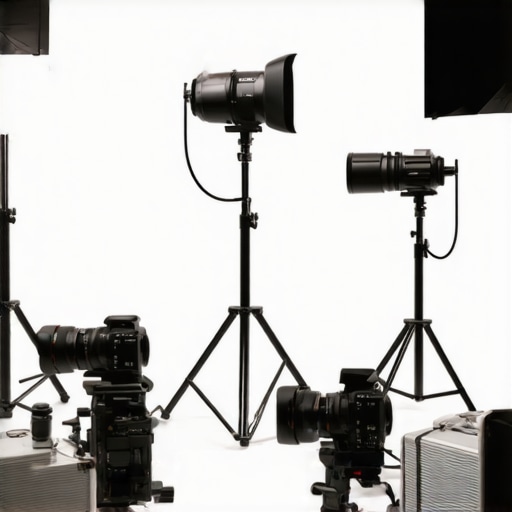
I’ll never forget the day I looked up during a shoot and saw my C stand arm sagging just a little bit more than it should have. It was subtle at first—hardly noticeable—and I thought, “No big deal, I can tighten that later.” But as the shoot went on, the sag worsened, and suddenly, my professional setup looked loose, unsteady, and amateurish. That moment was a lightbulb for me—these little issues can quickly snowball into major problems if we don’t pay attention to the details.
Why Your C Stand Arm Sags and How to Fix It Fast
If you’ve ever dealt with a sagging C stand arm, you know how frustrating it can be. It affects your shot stability, adds unneeded fatigue when adjusting your gear, and worst of all—compromises the safety of your equipment and crew. From my experience, this isn’t just a minor inconvenience; it’s a signal that something isn’t quite right, and it demands our attention. Today, I’ll share the core grip secrets I learned over years of professional filming that will keep your C stands rock-solid, no matter how heavy your gear gets.
Is a Sagging C Stand Arm Really Worth Worrying About?
At first glance, it might seem like a small issue—just a little droop here and there. But consider this: a slight sag can lead to significant gear instability, risking equipment damage or even accidents on set. I once ignored this problem early in my career, only to see a light fixture crash down because of a weak grip. That costly mistake taught me that perfection isn’t just about aesthetics; it’s about safety and efficiency. If you’re curious, check out this comprehensive guide on C stand supports to understand how common mistakes can be easily avoided.
So, if you’ve faced this problem, or even if you’re just worried about equipment safety and smooth operation, keep reading. I’ll guide you through four secret grip techniques that will make sagging a thing of the past—and get you filming with confidence again.
Secure the Clamps Firmly
Start by inspecting the clamp mechanisms that hold your C stand arm in place. Use a wrench or pliers to tighten the bolts completely, ensuring no slack exists. During a shoot, I once found my clamp loose, causing a slight droop in the arm. Simply tightening it with a wrench restored stability instantly and prevented further sagging.
Replace Worn-Out Parts Immediately
Check the rubber gaskets and tightening knobs regularly. Worn or cracked gaskets reduce grip strength, leading to sagging. I had an experience where replacing a worn gasket saved me from a dangerous gear mishap on location. Visit a trusted supplier or contact us for spare parts if needed.
Adjust Tension Properly
For adjustable arms, set the tension screws precisely. Too loose, and the arm sags; too tight, and it’s hard to adjust later. On a recent shoot, I struggled initially; fine-tuning tension screws based on the weight of my lights made a huge difference. Consult the ultimate boom arm setup guide for detailed tension calibration.
Use Anti-Slip Pads or Clamps
Adding rubber pads or anti-slip tapes where the arm contacts the clamp enhances grip, especially in humid conditions. I applied these pads during outdoor shoots, and they prevented slippage caused by sweat or rain. This simple upgrade can significantly improve stability without costly repairs.
Balance Your Load Correctly
Ensure your gear weight is evenly distributed over the stand. An unbalanced load causes uneven stress, leading to sagging. I learned this lesson when my heavier light fixtures tilted downward; repositioning them, and balancing the load, kept everything steady. For tips on optimal support gear, visit this comprehensive guide.
Mount Properly and Maintain Regularly
Double-check that your arm is correctly mounted onto the stand’s base. Loose mounting points result in unstable support. I make a habit of weekly inspections, tightening any loose fittings. Regular maintenance extends the lifespan of your gear, ensuring consistent safety and performance.
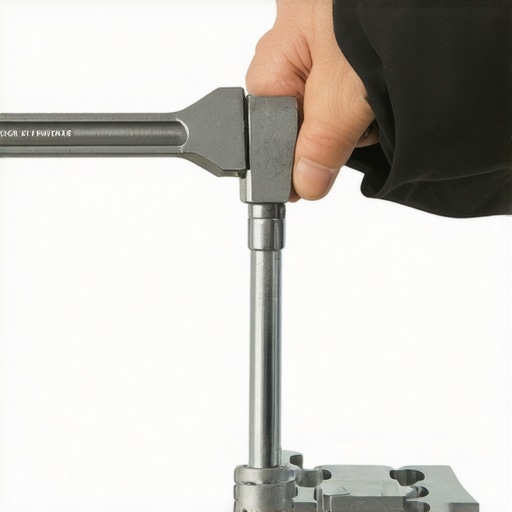
Use a diagnostic image showing a close-up of a C stand clamp with tools tightening it, illustrating proper securing techniques.
Many filmmakers and photographers believe that choosing the right support gear is straightforward, but this myth can lead to costly mistakes. For instance, some assume that all tripods are equally stable, which isn’t true—the build quality and design nuances make a huge difference in real-world scenarios. A common trap is overestimating the weight capacity; a tripod rated for 10 pounds might struggle with a heavier camera rig, especially if the legs aren’t properly locked or if the center column is extended excessively. Such oversight can cause subtle camera shake or even equipment failure, impacting shot stability.
Another misconception revolves around support arms and booms. Many think that any boom arm will do the job, but specialized support arms with anti-slip pads and proper tension adjustments offer far better stability and safety. Using generic clamping systems without verifying grip strength often results in slippage during critical moments. From my experience, paying attention to the fine details—like tightness of clamps and material compatibility—can prevent accidents, especially in dynamic shoot environments.
A hidden nuance that even seasoned professionals sometimes overlook is the effect of center of gravity when setting up support gear. Improper balancing can cause subtle yet persistent shifts in framing, leading to re-shoots or compromised footage. Advanced practitioners spend extra time adjusting load distribution and verifying rig stability using reference points. For example, a well-placed support arm combined with a balanced camera rig ensures minimal movement even during high-tension shots.
Making informed choices About support gear doesn’t just improve shot quality; it enhances safety and efficiency on set. Never underestimate the importance of detailed inspection and proper setup—these small investments in time can save you from major setbacks. If you want to learn how to build a robust setup tailored to your filmmaking style, check out this guide.
Additionally, understanding the specific features of support gear—such as anti-slip pads on support arms—can make a significant difference in outdoor or humid environments, as shown in this resource. Always remember, small nuance in gear choice and setup can lead to big improvements in your final footage.
Have you ever fallen into this trap? Let me know in the comments.
Maintaining your support equipment isn’t just about prolonging their lifespan—it’s about ensuring safety, efficiency, and reliable performance on every shoot. Over years of hands-on experience, I’ve developed a routine that keeps my light stands, boom arms, and tripods in top shape, preventing costly mishaps and last-minute failures. The key lies in regular inspection, proper cleaning, and strategic upgrades. In this section, I’ll share the specific tools and methods I recommend to keep your support gear performing at its best.
Invest in Quality Tools for Precision Maintenance
First, having the right tools tailored for support gear maintenance is essential. A high-quality Allen wrench set, pliers, and soft-bristled brushes form the backbone of my toolkit. These allow me to tighten bolts precisely, remove dust or debris, and make minor adjustments without damaging components. I prefer stainless steel tools because they resist corrosion even after frequent cleaning. Moreover, a digital torque wrench helps me ensure bolts are tightened to manufacturer specifications, preventing over-tightening that could crack parts or under-tightening that leads to slippage.
For lubricating moving parts, I use silicone-based sprays that do not attract dust, preserving the integrity of joints and hinges. Regular lubrication minimizes wear and tear, ensuring smooth operation even after months of use. Before applying any lubricant, I clean the parts with a microfiber cloth to remove dirt and old grease, which extend the effectiveness of the lubricant and prevent abrasive damage.
Schedule Routine Inspections and Record Keeping
Consistency is vital. I dedicate 10 minutes at the end of each shoot to inspect all support gear. I look for worn-out rubber gaskets, loose bolts, bent supports, and any signs of corrosion. Documenting these inspections in a dedicated log helps me track wear patterns over time, making it easier to anticipate replacements before failures occur. For larger equipment like C stands, I pay particular attention to the locking clamps and base stability, ensuring each component is secure and aligned.
In future, I predict support gear maintenance will integrate IoT sensors—like strain gauges—that alert technicians when components experience stress beyond safe limits, streamlining proactive care. Until then, diligent visual inspections remain our best defense.
How do I maintain my support gear over time?
The secret is consistent, deliberate care. Regularly cleaning, lubricating, tightening, and documenting allows me to catch issues early, saving time and money on repair or replacement. Additionally, investing in high-quality, compatible replacement parts ensures longevity. When replacing worn support clamps or rubber gaskets, I source parts directly from trusted manufacturers or dedicated specialist suppliers. This avoids counterfeit parts which could compromise safety or performance.
For example, I replaced a cracked rubber gasket with a premium grade part from a reputable supplier after noticing slight slippage during a recent outdoor shoot. The improvement was immediate, and I now advocate for periodically reviewing all seals and contact points as part of my maintenance routine. Check out this guide for detailed support assembly and disassembly tips that can help you streamline maintenance.
Incorporating these tools and habits has dramatically improved the reliability of my setup. I recommend trying out a digital torque wrench for precise bolt tightening—it’s a game-changer for preventing over-tightening or under-tightening issues, similar to what the X-Series Support Clamp specifications suggest in their technical documentation, which I highly recommend reviewing for advanced support setup tuning.
Remember, consistent maintenance is your best insurance against unexpected failures—try implementing these strategies today for a safer, more dependable gear setup.
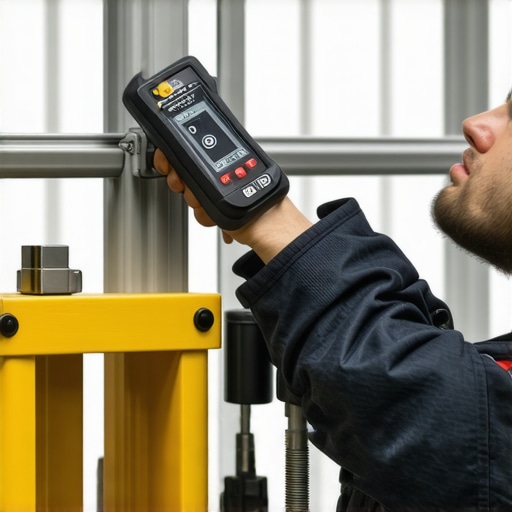
Close-up image of a technician using a digital torque wrench to tighten support stand clamps, highlighting precision maintenance techniques.
3 Hidden Mistakes That Cost Me on Set and How to Avoid Them
Looking back, I realize that some of the biggest setbacks in my filmmaking journey stemmed from overlooked details in support gear setup. Whether it’s trusting the wrong clamp or neglecting load balance, these small errors accumulated into significant headaches—and some near disasters. Recognizing these pitfalls early taught me invaluable lessons about attention to detail and proactive maintenance that I now wish I’d adopted sooner. These insights can help you avoid costly missteps and ensure your gear supports your creative vision seamlessly.
My Go-To Secrets for Reliable Support Gear That Lasts
Over the years, I’ve curated a set of tools and routines that keep my support equipment—be it C stands, tripods, or boom arms—in top shape. From high-quality torque wrenches to trusted replacement parts sourced from reputable suppliers, these essentials have become my backbone. Regular inspections, precise tightening, and strategic upgrades not only extend the lifespan of my gear but also create a safe environment for everyone involved. If you’re serious about professional results, investing in these curated recommendations will pay dividends in stability and peace of mind.
Your Next Step Toward Confident Filmmaking
Taking control of your support gear setup means embracing a mindset of ongoing care and learning. Every successful shoot builds your confidence and sharpens your skills in maintaining safety and stability. Remember, mastery isn’t achieved overnight—it’s built through consistent effort, curiosity, and a willingness to refine your craft. So, I encourage you to start implementing even small maintenance routines today; each step will bring your technical proficiency—and your creative freedom—to new heights. Are you ready to elevate your filmmaking game by mastering your support gear like a pro? Share your experiences or questions below—I love hearing how others are transforming their setups.