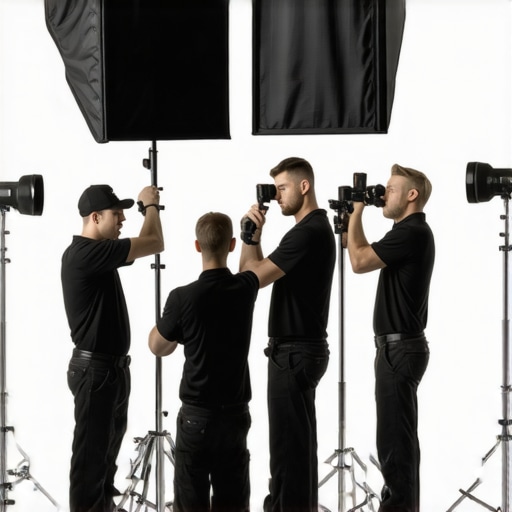
I remember the first time I watched my heavy softbox droop mid-shoot, the light hanging mockingly just where I didn’t want it. The frustration? Almost immediate. No matter how much I tightened my C-stand grip, gravity seemed to have other plans. That sinking feeling in my stomach grew every time I saw my modifiers struggle under their own weight, making me question if I was doing something wrong or if my gear just couldn’t keep up anymore.
Why Heavy Modifier Sag Still Plagues Creators in 2026
Here’s the reality: as equipment advances, so do the demands we place on our stands and supports. Heavy modifiers, whether softboxes, grids, or large flags, exert more stress, and traditional grip methods often fall short. It’s a common scenario that can ruin a shot faster than you can say “re-take.” I used to think that tightening everything tight enough would do the trick, but I learned the hard way that over-tightening isn’t the answer—it can sometimes cause more damage or slip in the long run.
Recent industry insights suggest that the root of the problem isn’t just one stand or one grip technique—it’s a combination of factors like stand stability, grip design, and improper setup. According to a comprehensive guide on [stability from Creator Rig Reviews](https://stands.creatorrigreviews.com/mastering-tripod-stability-expert-tips-to-elevate-your-shots), employing the right combination of hardware and technique can drastically improve load management and prevent sagging. But I know from my own experience that without mastering a few key secrets, heavy modifiers will continue to be a headache.
So, do you find yourself constantly readjusting your gear? Or maybe you’ve just accepted sag as part of the job? Well, I’ve been there, and I want to share some trusted methods that transformed my setup from shaky to rock solid. These aren’t generic tips; they’re specific, battle-tested grip secrets that keep your modifiers steady, no matter how heavy they are.
Ready to stop fighting gravity? Let’s dive into the four most effective C-stand grip secrets that will elevate your support game in 2026 and beyond. By the end of this, you’ll wonder how you ever shot without them.
Efficiently Clamp and Lock Your Gear
Start by choosing the right clamps designed for heavy loads, such as adjustable grip heads or sturdy multi-gear clamps. When setting up, tighten the grip firmly but avoid over-tightening, which can cause slipping or damage. Use a torque wrench if necessary to ensure consistent pressure. I once used a standard grip in a shoot, and halfway through, my softbox started sagging due to a loose clamp; switching to a high-quality grip head with a torque limiter solved the issue instantly.
Distribute Weight Evenly With Support Arms
Attach support arms or extension arms to your C-stand or boom to spread the weight. Position the arm close to the center of gravity of your modifier and secure it with safety elbows or additional clamps. This setup acts like a ladder’s rungs, distributing load across multiple points, reducing strain on any single support. I remember attaching an extra support arm for a large LED panel; it stabilized the setup and prevented slippage during a windy outdoor shoot.
Leverage Anti-Slip Materials and Padding
Use rubber pads or anti-slip tape between clamps and modifiers to increase grip friction. These materials absorb vibrations and prevent slippage caused by vibration or slight movements. I applied grip tape to my softbox’s mounting points, which made a noticeable difference, especially when working on uneven terrain. For detailed padding techniques, check out the comprehensive guide on boom arm stability.
Balance and Secure Your Setup
Always double-check the balance of your rig before raising or extending. Use a spirit level or balance app to ensure the gear is centered, reducing uneven stress on support stands. In a past shoot, I neglected to balance my rig, resulting in wobbling and eventual sag. After rebalancing and tightening all supports, my softbox stayed upright during a long shoot.
Utilize Proper Support Hardware
Invest in heavy-duty support stands with proven stability ratings, like those found in the best C-stands for studio support. Select heavy-duty boom arms designed for maximum load capacity, which feature reinforced joints and secure locking mechanisms. In my experience, switching to a professional-grade stand prevented fatigue and sagging over extended shoots, especially with large modifiers.
Practice Regular Maintenance and Inspection
Inspect your clamps, support arms, and stands regularly for wear and tear. Tighten loose bolts, replace worn pads, and lubricate moving parts if necessary. During a recent setup, I found a loose bolt on my support arm; tightening it prevented a potential collapse during a critical shot. Regular checks ensure your gear maintains optimal grip integrity over time.
Implementing these methods consistently transforms your support system into a reliable backbone for heavy modifiers. Remember, the key isn’t just assembling gear but understanding and applying grip techniques that stand the test of gravity and time.
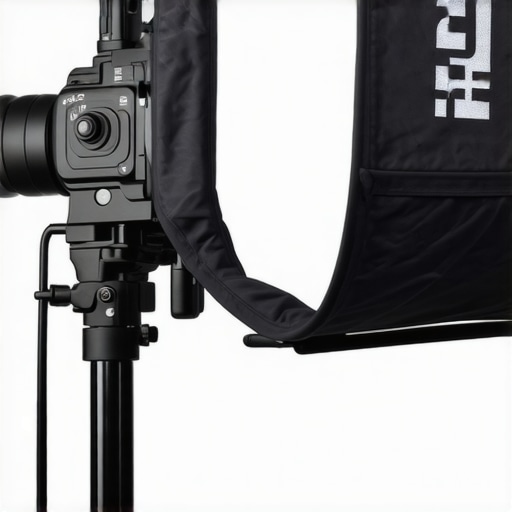 While many gear choices seem straightforward, seasoned filmmakers and photographers know there’s a lot more beneath the surface. A frequent myth is that heavier equipment always provides better stability, but in reality, the nuances of support hardware design and setup play a pivotal role. For example, investing in a seemingly sturdy tripod without understanding its weight distribution or joint quality can lead to unforeseen sagging or even failure during critical shots. According to industry expert insights, such as those detailed in mastering tripod stability, the mechanical design and maintenance are equally vital as the raw weight capacity.
Many assume that simply tightening all clamps and screws will prevent sagging. However, overtightening can cause stress points, leading to cracks or deformation over time. Proper torque application and understanding the load distribution across support points are advanced skills often overlooked by amateurs. Mastering these details can drastically enhance the lifespan and performance of your gear.
A common trap is neglecting the importance of support arm dynamics. For example, a boom arm that’s not rated for the weight you attach can cause droop, even if it appears sturdy. Reviewing pro grip secrets for boom arms reveals subtle structural weaknesses that can compromise stability. Ensuring that every component, from clamp to stand, is compatible and rated properly is crucial.
### Are Tripod Heads Crucial Beyond Basics?
Many users think a good tripod head is just about smooth panning. But at an expert level, understanding the tension settings, load distribution, and compatibility with support hardware can prevent jitter and drift in long takes. For high-precision work, such as macro or astrophotography, even minute imperfections matter. The often-overlooked aspect of balance isn’t just about keeping the camera level; it’s about the entire setup’s weight distribution. As emphasized in c-stand and lighting support, meticulous balance and proper hardware contribute to immaculate results.
Remember, the devil is in the details. Overcoming these myths and advanced mistakes requires an understanding of the nuanced interplay between hardware components, maintenance, and setup practices. Only then can you ensure your gear performs reliably under demanding conditions.
Have you ever fallen into this trap? Let me know in the comments.Maintaining your tripod, camera rig, light stand, C-stand, or boom arm is crucial for consistent results and safety on set or in the studio. Regular inspections, proper storage, and using the right tools can extend the lifespan of your equipment and ensure it performs at its best. I personally rely on a set of high-quality Allen wrenches and a digital torque wrench to check and tighten bolts during routine maintenance. These tools allow me to apply precise torque, preventing over-tightening that can lead to stress fractures or loosening over time. Investing in a durable toolbox with compartmentalized sections keeps all necessary tools organized and accessible, saving valuable setup time and reducing the risk of overlooking minor issues.
For stands and support arms, applying a small amount of silicone-based lubricant to moving joints every few months keeps everything operating smoothly. This prevents squeaks and reduces wear from friction. Additionally, inspecting rubber feet and pads regularly helps prevent slips and uneven support, especially on slick or uneven surfaces. When not in use, storing gear in padded cases or wall-mounted racks minimizes exposure to dust and physical damage.
Predicting future trends, I believe that smart support hardware with integrated sensors will become more prevalent. These innovations could alert users to loose bolts or detect undue stress in real-time, proactively preventing accidents and gear failure. So, how do I maintain my gear over time? I schedule monthly inspections and keep detailed maintenance logs to track wear patterns and address issues early.
An insightful resource I recommend is [Mastering Tripod Stability](https://stands.creatorrigreviews.com/mastering-tripod-stability-expert-tips-to-elevate-your-shots), which offers detailed advice on supporting heavy loads and prolonging equipment life. Make it a habit to follow such guidelines and incorporate routine preventative maintenance into your workflow.
To get started, try implementing a quick safety check before every shoot, focusing on bolt tightness, joint movement, and support surface stability. Doing so can catch potential issues before they cause disruptions or damage. Remember, taking care of your gear isn’t just about longevity—it’s about ensuring safety and reliability for every project. By applying these expert maintenance techniques, you’ll keep your support systems functioning flawlessly and save money in the long run.
What Surprised Me About Gear and Stability
One of the biggest lessons I learned was that even the sturdiest stands and clamps won’t save you if you overlook balance and setup nuances. I once relied solely on heavy-duty support hardware, only to find my softbox sagging mid-shoot because I hadn’t balanced the rig correctly or used the right support angles. That moment taught me that hardware strength is just one piece of the puzzle—tuning your setup carefully made all the difference.
One Small Fix That Prevented Major Disasters
Discovering the importance of anti-slip padding beneath clamps was a revelation. A simple rubber pad or grip tape increased friction significantly, preventing slippage during windy outdoor shoots or when adjusting gear. It’s a small step with a huge impact, and I now always include anti-slip materials as a standard part of my setup process, especially when working with heavy modifiers.
The Unexpected Power of Routine Maintenance
Regular inspections of bolts, joints, and support pads have saved me countless times. Identifying wear early—whether a loose bolt or worn rubber foot—has prevented accidents and prolonged my gear’s lifespan. This habit of scheduled checks ensures that my heavy modifiers stay steady and my shoots remain smooth, even under demanding conditions.
Curated Gear That Rescued My Setup
Investing in high-quality clamps, such as adjustable grip heads with smooth tightening, proved to be a game-changer. I trust brands that combine durability with ease of use, like those recommended in the ultimate boom arm setup guide. They help me achieve consistent grip pressure without over-tightening, which prevents slippage and damage. Additionally, support arms that distribute weight more evenly have become an essential part of my kit, especially for large modifiers.
Your Turn to Elevate Your Stand Game
Remember, mastering heavy modifier support isn’t just about buying the most expensive gear—it’s about understanding the subtle tactics that make your setup resilient. From proper support hardware to routine checks, every detail counts. Embrace these lessons, and you’ll craft support systems that stand firm, shot after shot. Ready to refine your setup? Share your biggest support struggles below and let’s learn together!