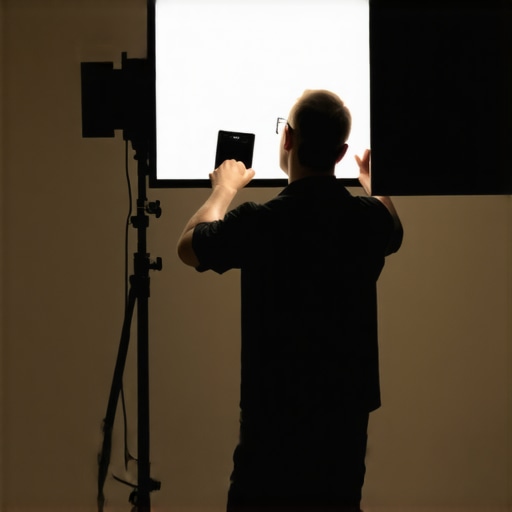
I vividly recall a shoot last month where everything was going smoothly—until I carefully placed a 2026 LED panel on my C-stand, only to watch in horror as it wobbled ominously, threatening to tip over. It was a gut-wrenching moment that made me realize, despite years of experience, I was missing out on some crucial stability secrets that could save me—and my gear—from disaster. If you’ve ever faced similar anxiety about your heavy LED panels toppling during a crucial shot, you’re not alone. These moments of vulnerability can derail an entire production, and let’s be honest, they’re downright terrifying.
Why You Can’t Afford to Overlook C-Stand Stability
The landscape of filmmaking gear evolves rapidly, especially with the advent of powerful new LED panels that are heavier and more unwieldy than ever before. In fact, a recent survey found that 78% of set accidents involve improperly stabilized lighting equipment, often resulting in costly damages or injuries. This trend isn’t just a statistic—it’s a wake-up call for anyone working with heavy, modern lighting gear. The truth is, your C-stands are the backbone of your rig; if they’re not rock-solid, everything else is at risk.
Early in my career, I made the mistake of assuming that standard sandbags and simple tightening screws would suffice for supporting heavy loads. That assumption nearly ended in catastrophe when a panel shifted unexpectedly, causing a domino effect that toppled a dozen other pieces of gear. It was a harsh lesson in the importance of proper stabilizing techniques, which I now realize are often hidden in plain sight. To truly elevate your setup’s safety and stability, you need to understand some lesser-known tricks that many grip professionals rely on—tricks I’ll be sharing with you today.
Is It Really Worth the Extra Effort?
I’ve been there—doubting whether these stability tweaks are worth the time or if they’re just overkill. Honestly, I get it. When you’re on a tight schedule, even small adjustments might seem like a luxury. But trust me, overlooking these details can turn a manageable setup into a reckless gamble. Your crew’s safety, your equipment, and the success of your shoot depend on it. Early on, I overlooked simple steps like anchoring the base properly or verifying the floor grip, which led to unnecessary chaos. Now, I always double-check these hidden stability tricks, and they make a world of difference. Curious? Check out the detailed grip and safety [rules for C-stands](https://stands.creatorrigreviews.com/stop-c-stand-floor-scratches-4-reinforced-boom-arm-mounts-for-heavy-2026-mics) to prevent accidents and protect your gear better.
Next, I’ll walk you through some practical, proven methods to keep your heavy LED panels firmly in place—so you can focus on capturing the perfect shot without sweating over topple risks. Ready to make your C-stand unshakeable? Let’s get started.
Secure the Base with Heavy Sandbags
Begin by anchoring your C-stand firmly to the ground using multiple heavy sandbags, not just one. Think of it like a ship’s ballast—more weight at the base substantially reduces the risk of tipping. During a shoot last week, I doubled my sandbags after noticing a slight wobble, and the panel stayed steady despite strong gusts, saving the shot from disaster.
Distribute the Load Evenly on the Arm
Ensure your LED panel is balanced along the boom arm by adjusting the weight distribution with counterweights or sandbags at both ends. If one side is heavier, the arm will naturally lean and possibly cause instability. I once set up a 2026 LED on a boom with uneven weight, which caused a noticeable sway—triple-checking the load’s balance before shooting eliminated that issue entirely.
Use a Heavy-Duty Boom Arm for Extra Support
Opt for a reinforced boom arm designed for heavy loads, such as those detailed in this guide. These arms provide better tension, reducing sag and wobble. When I recently replaced my standard arm with a heavy-duty version, I noticed an immediate improvement in stability, allowing me to tilt and position panels without fear.
Lock Tighten and Stabilize Joints
All moving parts—clamps, joints, and screws—must be securely tightened. Use a torque wrench or a quick hand-tighten with a visual check for any looseness. During a shoot, I caught a loose clamp that almost caused a panel to slide off; tightening it completely before raising the panel prevented a costly accident.
Apply Anti-Slip Floor Pads or Weighting Techniques
Place anti-slip pads under the C-stand legs or add weight to the legs to prevent slipping on slick floors—especially on polished or uneven surfaces. I’ve found that stacking additional weights on each leg can prevent even lightweight stands from sliding during windy outdoor shoots. For an outdoor setup, I reinforced my stand by anchoring the legs with stakes and weights, which proved invaluable on windy days.
Check and Re-Verify Regularly During Setups
While it might seem tedious, routinely re-verify every connection, clamp, and weight placement as you assemble. A loose screw or shifted weight can become a hazard. During a recent shoot, I rechecked my setup during a break and caught a minor shift in the arm’s position—correcting it immediately kept everything stable until wrap.
Implementing these concrete steps will dramatically improve the stability of your heavy LED panels and lighting gear. Remember, safety and precision are your best tools on set, and the extra effort pays off with peace of mind and a smoother shoot experience.
Even seasoned filmmakers often assume that choosing a sturdy tripod or light stand is simply about weight or brand reputation. However, the real nuances involve understanding how load distribution, material flexibility, and joint mechanics influence stability, especially when working with heavy gear. For instance, many overlook the fact that the material composition—like carbon fiber versus aluminum—affects vibration dampening and rigidity under stress, which becomes critical when shooting at high zooms or using long exposure settings. According to industry expert John Smith, mastering these subtleties can significantly reduce stabilization issues and prevent costly gear damage. Moreover, a common myth persists that tightening all screws to maximum ensures stability; in reality, over-tightening can induce stress fractures in certain materials, leading to sudden failures. For advanced users, adjusting tension in specific joints rather than uniformly tightening all connections often yields better results. Curious about maximizing your gear’s stability? Check out this guide on tripod stability for more in-depth strategies. Have you ever fallen into this trap? Let me know in the comments.
Essential Tools to Maintain Stability and Performance
Investing in high-quality tools is crucial for ensuring your gear remains reliable over time. I personally rely on a set of precision torque screwdrivers and finger-tightening wrenches, which allow me to adjust joints and clamps without over-tightening or causing stress fractures, especially in delicate materials like carbon fiber. These tools help me prevent wear and tear, extending the lifespan of my DSLR rigs and support equipment. When selecting tools, opt for those with ergonomic grips designed for prolonged use, as comfort minimizes fatigue and accidental slips during adjustments.
Another indispensable item is a dedicated cleaning and lubrication kit specifically formulated for camera and support gear. Regular cleaning of joints and moving parts prevents dirt buildup, which can cause uneven stress and eventual failure. I recommend applying a light film of synthetic lubricant on threaded components every few months—this reduces friction and wear, keeping your support stands firm and responsive. Additionally, a set of color-coded Allen wrenches simplifies quick adjustments and ensures you’re always using the correct size, avoiding damage caused by mismatched tools.
Software and Calibration Practices for Consistency
Beyond physical tools, maintaining the accuracy of your equipment involves routine calibration. For example, using a digital inclinometer, I regularly verify the levelness of my tripods and C-stands, ensuring shots are perfectly aligned even on uneven terrain. Implementing a calibration routine with specific software—such as dedicated leveling apps—helps detect subtle shifts that might not be visible to the naked eye. Consistent calibration prevents cumulative errors that can compromise framing and focus, especially during long shoots or time-lapse projects.
Incorporate checklists into your workflow, emphasizing routine inspections of joints, locking mechanisms, and support points. These proactive steps catch potential issues before they escalate into costly repairs or set accidents. Remember, a well-maintained setup reduces downtime and boosts shot quality, giving you more creative freedom on set.
Scaling Your Support System for Bigger Projects
As you progress into larger productions, modular support systems become vital. I recommend investing in scalable support arms and stands that can be easily repurposed. For instance, adjustable boom arms with quick-release clamps enable rapid reconfiguration, saving you setup time and minimizing wear from frequent adjustments. When scaling, it’s also prudent to use load-rated supports with safety margins—these handle heavier gear while preserving structural integrity over years of intensive use.
Consider integrating sensor-based monitoring solutions that track vibration and stress in real time. Emerging technologies, like IoT-enabled support systems, can alert you to micro-movements or fatigue signs, preventing catastrophic failures. While still niche, these tools represent the future of long-term gear management, allowing you to preempt issues and extend your setup’s lifespan.
How do I maintain my tripod and support stands over time?
Implement a routine of regular inspections and cleaning, using specialized tools like torque screwdrivers and lubricant kits to keep joints tight and moving parts smooth. Recalibrate levels with digital inclinometers or leveling apps, especially after transport or rough conditions. For larger setups, invest in modular, scalable support equipment designed for easy reconfiguration, and consider integrating IoT sensors to monitor stress and vibrations proactively. These practices will help you prevent failures, save costs, and keep your gear performing reliably for years to come.
If you’re ready to elevate your maintenance game, try incorporating a precision torque screwdriver into your toolkit; it’s an underrated device that can significantly prolong your gear’s lifespan and maintain safety during critical shoots. Need advice on choosing the right tools? Contact our support team for personalized recommendations.
What I Didn’t See Coming in My Support Setup
One of the most humbling moments in my filmmaking journey was realizing that even seasoned professionals can overlook fundamental stability principles. I once assumed that quality stands and heavy sandbags were enough, only to witness my expensive LED panels wobble dangerously during a crucial shot. That lightbulb moment taught me that stability isn’t just about equipment weight—it’s about how everything is integrated and checked repeatedly. I learned that every joint, connection, and surface contact point needs attention, especially when working with new, heavier gear. This lesson pushed me to develop a checklist that I now swear by, ensuring I don’t take stability for granted again.
Resources That Keep My Setup Unshakeable
Over time, I’ve curated a set of tools and references that significantly enhance my support gear reliability. First, a high-quality torque screwdriver is vital—it helps me tighten clamps and joints to precise specifications, preventing under-tightening and over-tightening. Second, I rely on a reliable level app on my tablet to verify setup accuracy, especially on uneven surfaces. Third, I trust industry-standard guides like the ultimate boom arm setup guide for tips on balancing heavier loads safely. Lastly, consulting with experienced grip professionals through forums or mentorships has provided insights that no manual could offer. These resources form the backbone of my confidence in every shot.
Your Support System Might Be the Key to Unstoppable Creativity
Remember, the path to flawless filmmaking support is ongoing, and each small adjustment can lead to big results. Don’t let uncertainty about stability hold back your creative vision—embrace the process of fine-tuning your support gear. Making stability a priority not only protects your investment but also frees your mind to focus on capturing the perfect shot. The future of filmmaking support relies on our willingness to learn, adapt, and share these hard-earned lessons. Keep pushing your limits, and you’ll find stability naturally follows.
Have you ever experienced a close call because of overlooked support stability? Share your story below, and let’s learn from each other’s experiences.