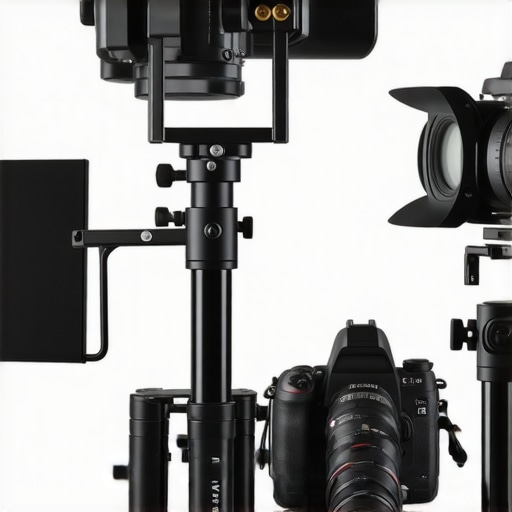
It was a tense moment on set. My camera rig wobbled unexpectedly just as I was about to capture that crucial shot. Frustration surged through me—not because of the lighting or the actors, but because my support gear was letting me down. That lightbulb moment made me realize that in filmmaking, reliable support equipment isn’t just a convenience; it’s the backbone of professional results. If you’ve ever struggled with unstable tripods, flimsy C stands, or cumbersome boom arms that hinder your creativity, you’re not alone. Today, I promise to unravel the mystery behind choosing the best support gear for 2024, so you can avoid the pitfalls I faced and elevate your craft.
Why Finding the Right Support Gear Makes or Breaks Your Shots
Support gear like boom arms, C stands, and tripods might seem like mundane tools, but they are the silent heroes of filmmaking. A shaky shot not only ruins a scene but can also derail your entire project. According to a recent study, equipment stability is directly linked to the perceived professionalism of your footage, influencing client satisfaction and viewer engagement. Yet, many filmmakers falter early on, making critical mistakes that compromise shot quality.
Secure Your Foundation with Proper Tripod Setup
Start by inspecting your tripod’s legs for stability features like locking mechanisms and rubber feet. When setting up, extend the legs fully and tighten all locks to prevent wobbling. Use the center column thoughtfully—lower it to increase stability, especially on uneven surfaces. I once rushed a shoot, neglecting to tighten the tripod locks, resulting in a shaky shot that I had to redo, emphasizing the importance of secure setup. For more tips, [mastering tripod stability](https://stands.creatorrigreviews.com/mastering-tripod-stability-expert-tips-to-elevate-your-shots) is invaluable.
Choosing a C Stand That Supports Your Needs
Opt for a C stand with a sturdy base and adjustable arms. Look for models with a positive locking system and a robust grip to support heavier loads, like diffusers or flags. When I was working on an outdoor shoot, I selected a lightweight C stand that toppled over in the wind because of insufficient weight distribution. That experience taught me to prioritize weight capacity and base stability. Dive deeper into selecting the perfect support with [the ultimate C stand guide](https://stands.creatorrigreviews.com/choosing-the-perfect-c-stand-for-studio-and-on-location-shoots).
Assembling Boom Arms for Smooth Operation
Attach your boom arm to a C stand using a secure clamp and ensure it’s balanced to prevent drooping. Balance is critical—add sandbags if necessary, to counterbalance your load. I once extended a boom arm without proper counterweight, causing instability during a crucial capture, which underscored the necessity of proper balancing. For a seamless setup, refer to [the boom arm setup guide](https://stands.creatorrigreviews.com/the-ultimate-boom-arm-setup-guide-for-seamless-filmmaking). <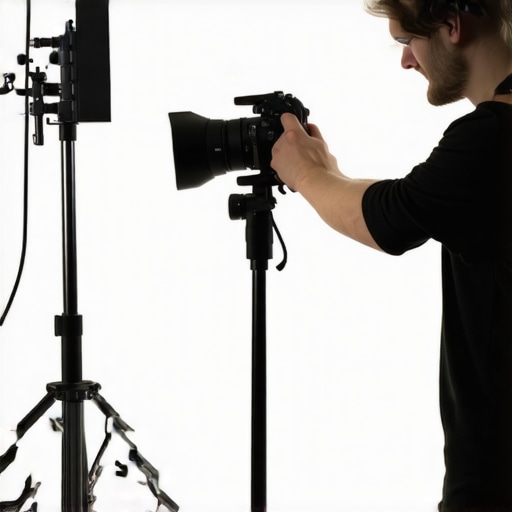 >
>
Light Stands That Stand Tall and Steady
Select light stands with adjustable height and a locking mechanism that secures your lighting safely. Consider models with a removable base for quick setup or transportation. During a night shoot, I used a cheap light stand that collapsed mid-scene, disrupting the shoot’s flow. Upgrading to a model with reinforced joints made all the difference. More on this is available in [light stand essentials](https://stands.creatorrigreviews.com/light-stand-essentials-boost-your-lighting-game-with-ease).
Integrating Your Camera Rig Components
Combine the selected supports into a cohesive rig by securely attaching the camera rig to the support gear using appropriate clamps and adapters. Ensure all components are rated for your equipment’s weight. I once combined a custom-built rig with supports that weren’t compatible, causing shaky footage. Building a compatible system requires careful planning—check out [how to build a custom camera rig](https://stands.creatorrigreviews.com/how-to-build-a-custom-camera-rig-for-professional-results) for guidance.
While many believe supporting equipment like C stands, boom arms, light stands, tripods, and camera rigs are simply tools for holding gear, there’s a layer of nuanced understanding that often gets overlooked even by seasoned professionals. One common misconception is that choosing the heaviest or most robust support guarantees stability. In reality, weight is just one aspect; the design of the base, the center of gravity, and the locking mechanisms play equally critical roles in ensuring steadiness. For example, a well-designed C stand with a wider stance and a weighted base can outperform a heavier, compromised model, highlighting the importance of thoughtful selection over sheer weight. Moreover, many underestimate the impact of proper assembly techniques. An improperly tightened tripod lock or an unsecured boom arm can introduce subtle vibrations that ruin otherwise perfect shots. This is where mastering the art of support setup is vital, and I recommend reviewing expert tips on tripod stability.
A prevalent myth is that all support gear is universally compatible. In truth, equipment must be matched carefully to your specific camera and accessory loads. For instance, a light stand rated for 10kg won’t hold a heavy camera rig securely without risking failure. This consideration becomes especially crucial in dynamic shooting environments where quick adjustments are necessary. Upgrading to support gear with rated capacities aligned to your equipment minimizes risks and ensures safety. Many filmmakers also overlook the importance of regular maintenance. Greasing locking mechanisms and checking for wear can prolong the life of crucial gear and prevent sudden malfunctions during critical shots.
From my experience, one of the most overlooked nuances is the significance of support gear ergonomics. A support system that’s difficult to assemble or adjust can lead to fatigue and ultimately compromise shot stability. For example, a boom arm with inaccessible locking knobs or a tripod with awkward leg locks can slow down your setup time and lead to errors. Investing in well-designed gear with ergonomic features not only saves time but also enhances shot reliability.
Advanced filmmakers often ask: How does support gear influence image quality at a micro-level? Subtle vibrations or micro-movements can introduce motion blur or jitter, reducing the professional quality of footage. A study by the Motion Picture Association emphasizes that vibration damping and support rigidity are directly correlated with image clarity. Therefore, understanding and implementing nuanced setup practices—like using sandbags for extra stability or balancing support loads properly—can make the difference between amateurish footage and cinematic excellence.
Remember, support gear isn’t just about holding your gear; it’s about creating a stable foundation for creativity. Avoid the trap of oversimplification and always consider the finer details of support system design, assembly, and maintenance. Have you ever fallen into this trap? Let me know in the comments and share your experiences with support gear pitfalls.Maintaining support equipment like C stands, boom arms, and tripods is essential for consistent, studio-quality results. Regular inspections are the backbone of longevity—check locking mechanisms, tighten joints, and look for signs of wear after each shoot. For example, I personally routinely grease locking pins and replace worn rubber feet to prevent wobble. Using high-quality tools like a precision screwdriver set, such as the Wiha 26196, helps ensure you tighten components correctly without damaging delicate parts. Additionally, incorporating simple maintenance routines into your workflow minimizes unexpected malfunctions, saving time during critical shoots. Predictably, as technology advances, support gear is becoming smarter—integrating quick-release systems and vibration damping features—making routine upkeep even more crucial to keep pace with trends.
How do I maintain support gear over time? The key lies in consistent inspection and timely replacement of worn parts. Regularly cleaning support joints with a dry brush prevents dust accumulation that can cause stiff movements, while applying lubricant like marine-grade silicone spray enhances smooth operation. Also, storing gear in padded cases or dedicated spots reduces exposure to dust and moisture. For example, I store my tripods and light stands in custom rack systems, preventing accidental knocks that could loosen fittings. Investing in professional-grade support gear with sturdy construction and modular components simplifies ongoing maintenance, allowing you to swap out parts without replacing entire units. To further prolong equipment life, follow the manufacturer’s maintenance schedule—most often included in their user manuals. Remember, the small effort of routine upkeep yields long-term benefits—less downtime, safer shoots, and consistent performance. Want to streamline your maintenance routine? Try scheduling weekly visual inspections and applying lubricants at regular intervals to keep everything operating smoothly. Once your gear is well-maintained, you’ll notice improved stability and fewer surprises on set, elevating your filmmaking craft.
What I Wish I Knew Before Choosing Support Gear
One of the most profound lessons I’ve learned is that support gear isn’t just about holding equipment—it’s about creating a foundation that elevates your entire filmmaking process. I once underestimated the importance of weight distribution, causing my support systems to wobble during critical moments. That mistake taught me to prioritize quality designs over sheer weight, as a well-engineered C stand with a wider base can outperform heavier, less stable models. Additionally, I realized that the ease of assembly and ergonomic features can make or break your shooting efficiency, reducing setup time and ensuring stability under pressure. Finally, the significance of routine maintenance became clear—regularly inspecting and caring for your gear prolongs its lifespan and keeps your shoots smooth and secure.
Reading this post really resonated with me because I’ve learned the hard way how crucial support gear is on set. I once used a lightweight C stand that seemed perfect for portability but ended up toppling over in the wind, ruining a shot just seconds before a critical take. It was a costly mistake that made me realize support stability isn’t something to compromise on, especially for outdoor shoots where conditions can change rapidly. What I’ve found is that a wider, weighted base makes a significant difference, even if it means sacrificing a little portability. I’d love to hear if others have faced similar challenges with outdoor setups. Do you prefer lightweight gear for speed, or do you prioritize stability even if it takes longer to set up? I think striking that balance is key, and I’m curious about how others approach it during high-pressure shoots.