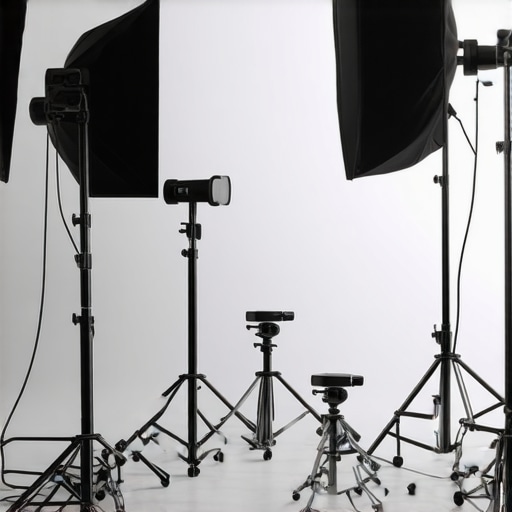
Ever been in the middle of a shoot, only to watch your light or microphone wobble dangerously on an unstable support? I’ve been there. That sinking feeling when a cheap stand buckles under pressure, forcing you to scramble for a quick fix. It’s frustrating, unprofessional, and can ruin a shot faster than you can say “retake.” I used to think any stand would do, until I faced a disaster that nearly cost me a client’s project. That was my lightbulb moment — reliable, sturdy support is non-negotiable in professional filmmaking and photography.
Why Now Is the Best Time to Upgrade Your Support Gear
In 2024, the demand for high-quality, stable studio support gear has never been higher. With the rise of 4K and even 8K video, every detail matters. Cameras are more sensitive, and even the slightest shake can ruin an otherwise perfect shot. Plus, with more creators working remotely and on location, portability combined with durability is crucial. The good news? There’s a wealth of options tailored for all budgets and needs, but choosing the right gear can be overwhelming. That’s where understanding the ins and outs of C stands and boom arms makes all the difference.
Is Overpaying for Support Gear Actually Worth It?
I’ll admit, early in my career, I bought the cheapest stands I could find. Sure, they were light and cheap, but they wobbled, toppled, and ultimately, I paid the price in ruined shots and lost time. It’s a common mistake—thinking all support gear is created equal. The truth? Investing in quality C stands and boom arms not only saves you headaches but also improves your overall production quality. Want to avoid the pitfalls I fell into? Stick around. We’ll explore what makes the best gear in 2024 and how to pick the right tools for your setup.
Choose Your Support Gear with Precision
Start by evaluating your specific needs. Are you shooting in a studio or on location? Will your setup require heavy lights or delicate microphones? This decision influences the type of C stand or boom arm you should invest in. For instance, if stability on uneven terrain is a concern, opt for models with adjustable legs and rubber feet. When I was shooting a documentary outdoors, I initially went for lightweight stands, but they wobbled on rocky ground. Replacing them with sturdier options made a noticeable difference.
Assess Material and Build Quality
Materials like steel or aluminum significantly impact durability and weight. Steel stands offer superior sturdiness but are heavier, making them less portable. Aluminum stands strike a good balance for those who need mobility without sacrificing stability. I once carried a heavy steel stand across a location, only to realize I could have saved my energy with a high-quality aluminum alternative. When selecting, check for thick, reinforced tubing and robust locking mechanisms. This ensures your gear can handle the rigors of professional use.
Understand Weight Capacity and Height Adjustment
Every stand or boom arm has a maximum weight limit and adjustable height range. Overloading can cause tipping or collapse. For example, I once overloaded a boom arm with a heavy light, and it started to sway dangerously—lesson learned. Always match your gear’s capacity to your equipment weight and desired height. Look for models with extended height capacities to give you flexibility for overhead shots or tall lighting setups. Double-check the specifications before purchasing.
Stability Comes from the Right Base
The base of your support gear is critical. Heavy-duty C stands come with wide, weighted bases that provide a low center of gravity, preventing tipping. I once used a lightweight stand with a narrow base during a critical shoot, and it nearly toppled when the wind picked up. Consider models with optional sandbags or weight plates for added stability. When in doubt, a wider base combined with a sturdy tripod head ensures your setup stays put, even in challenging environments.
Implement Smart Clamping and Locking Mechanisms
Secure adjustments are vital for safety and stability. Quick-release clamps are convenient but may slip if not high-quality. I recommend locking mechanisms that require multiple turns or locking pins, especially when working with heavier loads. During a shoot, I once relied on a flimsy clamp, which loosened mid-shoot, causing my light to tilt. Upgrading to a heavy-duty locking system prevented future mishaps and saved my setup from crashing.
Consider Portability and Setup Ease
If you frequently move between locations, lightweight yet durable support gear is essential. Foldable designs and quick-lock systems save time and effort. I once spent an extra hour assembling my support gear due to complicated mechanisms, which could have been avoided with more user-friendly options. Opt for stands and arms that balance portability with stability, and always test your setup beforehand to identify any issues.
Explore Complementary Accessories
Enhance your support system with accessories like sandbags, extension arms, or adapter plates. These can improve stability and expand your setup options. During a shoot, adding sandbags to my C stand’s base prevented accidental tipping when adjusting heavy lights. Visit this guide for a comprehensive review of top accessories to upgrade your gear.
Test and Maintain Your Equipment Regularly
Before each shoot, perform stability tests to ensure all clamps and locks are secure. Regular maintenance, like tightening bolts and cleaning mechanisms, prolongs gear lifespan. I once ignored a loose bolt on my boom arm, which eventually caused a failure during a critical shot. Developing a routine check helps prevent surprises and keeps your support gear functioning flawlessly.
Many filmmakers, even experienced ones, often get tripped up by misconceptions about support gear like C stands and boom arms. One of the biggest myths is that all stands are created equal—yet, in my experience, the difference between a cheap stand and a professional-grade support can be the difference between a smooth shoot and a disastrous one.
Another common mistake is underestimating the importance of material quality. While aluminum stands are lighter and easier to transport, they may lack the robustness needed for heavy loads or outdoor conditions. Steel stands, though heavier, offer unmatched durability. An overlooked nuance is the locking mechanisms; cheap locks might seem convenient but can loosen over time, risking your expensive gear. Always test your stand’s clamps and locks before each shoot to prevent accidents.
Why do so many support stands fail during critical moments?
The answer often lies in a lack of understanding of weight distribution and base stability. Some assume that a taller stand automatically provides better support, but if the base isn’t wide or weighted enough, it becomes top-heavy and unstable. This is a trap I fell into early on, using lightweight stands outdoors and nearly losing my setup in the wind. To avoid this, prioritize stands with a solid, weighted base and consider adding sandbags for extra security.
Advanced users should also pay attention to the load capacity relative to their equipment. Overloading even slightly can cause sway or collapse, especially with high-mounted lights or microphones. Always check the maximum weight limits and match them precisely to your gear. For example, when working with large softboxes or heavy lights, opt for models with higher weight capacities and adjustable height ranges.
Another hidden nuance is the compatibility between your stands and support accessories. Many support gear failures happen because of incompatible adapters or poorly matched components. For seamless operation, refer to expert guides like this comprehensive support rig guide. It helps ensure your entire setup works harmoniously and safely.
Lastly, maintenance is often overlooked. Regularly inspecting and tightening bolts, cleaning mechanisms, and testing stability can extend your gear’s lifespan and prevent accidents. I once ignored a loose bolt, which resulted in a support collapse during an outdoor shoot. The lesson? Treat your support gear like critical safety equipment.
Understanding these nuances and avoiding common pitfalls can save you time, money, and embarrassment on set. Have you ever fallen into this trap? Let me know in the comments. For more expert tips, check out our guide on building custom camera rigs.
Investing in quality support gear like C stands and boom arms is just the beginning; keeping them in top shape ensures your productions run smoothly for years to come. Regular maintenance might seem trivial, but it’s the secret to longevity and reliable performance. Over time, dust, dirt, and wear can compromise locking mechanisms and structural integrity, leading to unexpected failures during critical moments.
How do I keep my support gear working flawlessly over time?
The key lies in a consistent maintenance routine combined with the right tools and techniques. Start by inspecting your stands and arms after each shoot. Tighten all bolts and locking mechanisms—this simple step prevents loosening that can cause instability. Use a high-quality lubricant, like silicone spray, on moving parts and locking pins to keep mechanisms smooth and prevent rust. Personally, I swear by using a small precision screwdriver set for tightening bolts and a microfiber cloth to wipe down surfaces.
For cleaning, avoid harsh chemicals that might degrade the material. Instead, opt for mild soap and water, then dry thoroughly. This prevents corrosion, especially on steel components. If you notice any cracks or significant wear, replace the affected parts immediately rather than risking a failure during a shoot.
Long-term storage also matters. Store your gear in a dry, dust-free environment. Use padded cases or covers to protect from scratches and environmental damage. When transporting stands and arms, always collapse and secure all parts to prevent bending or breaking. Review your maintenance plan regularly to catch potential issues early.
What tools are essential for maintaining support gear?
Beyond basic cleaning supplies, certain tools make maintenance more effective. A set of Allen wrenches or hex keys is indispensable for tightening bolts on adjustable parts. A small, portable multi-tool can help tighten locks or replace worn pins on the go. For lubrication, a silicone spray is preferable because it doesn’t attract dust like oil-based lubricants.
For inspecting structural integrity, a flashlight with a magnifier helps identify hairline cracks or corrosion. I also recommend keeping spare locking pins and replacement parts compatible with your gear model—these are often overlooked but can save you a lot of downtime. Regularly check and replace worn parts as part of your maintenance schedule.
Looking ahead, technological advances in materials and design will likely introduce smarter, self-lubricating components or modular support systems. This will simplify maintenance and improve durability even further. Until then, diligent manual upkeep remains your best bet for reliable support gear.
If you’re serious about maintaining your gear, consider setting a quarterly check-up routine. Not only will this extend the lifespan of your equipment, but it will also ensure safety and stability during your shoots. Try adopting these maintenance practices today — your future self will thank you!
The Hardest Lessons I Learned About Support Gear
- One of my biggest mistakes was assuming that all support stands are created equal. I learned the hard way that cheap, lightweight stands can wobble dangerously during a shoot, risking your equipment and your reputation. Investing in sturdy, well-built C stands and boom arms has transformed my workflow, saving me from many headaches.
- Material quality makes a huge difference. Steel provides unmatched durability but is heavier, whereas aluminum offers a good balance for portability. I once carried a steel stand across a location, only to realize I could have saved energy with a high-quality aluminum option. Choosing the right material keeps your setup stable and manageable.
- Locking mechanisms are often overlooked until disaster strikes. Cheap locks can loosen or slip under load, causing equipment to fall. Upgrading to robust, multi-turn locks or locking pins has prevented many mishaps on my shoots, ensuring everything stays secure even in challenging environments.
- Base stability is everything, especially outdoors. A wide, weighted base prevents tipping over, but many forget to add sandbags or additional weights. I learned this lesson when my lightweight stand nearly toppled in the wind. A little extra weight goes a long way in keeping your support upright.
My Essential Toolkit for Support Gear Maintenance
- Allen wrenches and hex keys are indispensable for tightening bolts on support stands and arms. I keep a small, portable multi-tool in my kit for quick fixes, saving time during shoots.
- Silicone spray is my go-to for lubricating locks and moving parts. It prevents rust and keeps mechanisms smooth, extending the lifespan of my gear.
- A microfiber cloth helps me clean surfaces and lock mechanisms, ensuring good contact and preventing dirt buildup.
- Spare locking pins and replacement parts are a must-have. Regularly inspecting and swapping worn components avoids unexpected failures. I review my maintenance routine every quarter to stay ahead of potential issues.
Let Your Support Gear Elevate Your Creativity
Don’t let unstable support stands hold back your filmmaking or photography dreams. With a few insider tips and a commitment to proper maintenance, you can ensure your support system is reliable and safe, letting your creativity flow freely. Remember, investing in quality now saves you countless hours and headaches later. Ready to upgrade your support gear and elevate your projects? Your future shoots will thank you.
What’s the biggest support stand challenge you’ve faced, and how did you overcome it? Share your story below!
Reading through this comprehensive overview really resonated with me, especially the emphasis on regular maintenance and understanding weight distribution. I’ve learned the hard way that skipping routine checks can lead to unpredictable equipment failures at the worst times. One thing I’d add is the benefit of investing in adjustable and versatile support systems that can adapt to a variety of setups—particularly for those of us who work both on location and in studio environments. Have others found that modular support gear has helped streamline their workflows? It seems like a smart investment that could prevent some of the common issues highlighted here and improve flexibility on set.
This article hits home for me, especially the emphasis on stability and maintenance. I recently switched from lightweight aluminum C stands to heavier steel ones after experiencing a few wobbles during outdoor shoots. The difference was night and day—my equipment felt much more secure and my shots steadier. I’ve also started incorporating more supportive accessories like cross braces and additional weights to prevent tipping in unpredictable conditions. Has anyone tried modular or adjustable support systems that adapt quickly to changing environments? I’ve been curious if those can really save time during setups or if they introduce more complexity. From my experience, the initial investment pays off when you avoid those harrowing moments of equipment failure just as you’re capturing the perfect shot. Would love to hear more tips from others—what’s your go-to upgrade for increased stability on tough terrain?
This post really hits home for anyone who’s faced the chaos of a support stand failing at the worst moment. I particularly agree with the emphasis on maintenance routines—I’ve learned that a quick check before each shoot can save hours of headaches later. One thing I’d love to add is the importance of testing your support gear under conditions similar to your actual shoot environment, especially for outdoor shoots where wind and uneven terrain can wreak havoc. Recently, I discovered that adding a few well-placed sandbags drastically improved stability during windy outdoor shoots. Have other photographers and filmmakers found innovative ways to stabilize their gear beyond the usual supports? It’s fascinating how small tweaks can make such a difference in reliability.