My Journey to Finding the Ideal C Stand for Every Shoot
As a passionate photographer and filmmaker, I’ve spent countless hours setting up lights and rigs, both in my studio and on location. I vividly remember the first time I struggled with a flimsy light stand that kept wobbling during a crucial shoot—an experience that taught me the importance of investing in a sturdy, reliable C stand. Since then, I’ve experimented with various models, learning firsthand what makes a C stand truly versatile and dependable for diverse filming environments.
Why a Good C Stand Became My Studio’s Unsung Hero
In my studio, I often work with multiple lights and modifiers, which means I need a C stand that can handle weight without compromising stability. I discovered that the best C stands have robust steel construction and adjustable height, allowing me to position lights precisely where I need them. For example, I rely on the Light Stand Essentials guide to understand how weight capacity and base design influence stability. Having a versatile C stand has saved me countless times from accidental falls and ruined shots, especially when working with heavier equipment like softboxes and reflectors.
On-Location Shoots: When Portability Meets Durability
Transitioning from studio to on-location shoots, I realized that portability becomes just as critical as durability. A lightweight yet sturdy C stand makes transportation easier without sacrificing stability during use. I often opt for models with folding legs and compact design, which fit comfortably into my gear bag. During a recent outdoor shoot, I set up a C stand on uneven terrain, and I was relieved to find that my chosen model’s wide base and adjustable legs provided excellent stability. For more insights, I recommend exploring building a custom camera rig to optimize your setup for different environments.
How Do I Choose the Right C Stand? My Top Tips
When selecting a C stand, I consider several factors: weight capacity, height adjustability, build quality, and ease of transport. I’ve learned that investing in a model with a sturdy tripod base and a secure tightening mechanism prevents wobbling and accidental collapses. Additionally, I look for features like removable extension arms for versatile placement. For those just starting out, I recommend reading expert reviews and testing the stand’s stability firsthand before committing to a purchase.
What Should I Know About C Stand Safety and Longevity?
Safety is paramount when working with heavy lighting equipment. Always ensure your C stand has a solid base and that the weight is evenly distributed. Regularly inspecting for wear and tear, especially in the joints and locking mechanisms, extends the lifespan of your stand. According to industry standards outlined by B&H Photo Video’s professional advice, proper maintenance and cautious handling are key to safe and long-lasting use.
If you’ve had your own experiences with different C stands, I’d love to hear your stories. Share your insights or ask questions in the comments below, and let’s build a community that shoots confidently and safely!
My Journey to Finding the Ideal C Stand for Every Shoot
As a passionate photographer and filmmaker, I’ve spent countless hours setting up lights and rigs, both in my studio and on location. I vividly remember the first time I struggled with a flimsy light stand that kept wobbling during a crucial shoot—an experience that taught me the importance of investing in a sturdy, reliable C stand. Since then, I’ve experimented with various models, learning firsthand what makes a C stand truly versatile and dependable for diverse filming environments.
Why a Good C Stand Became My Studio’s Unsung Hero
In my studio, I often work with multiple lights and modifiers, which means I need a C stand that can handle weight without compromising stability. I discovered that the best C stands have robust steel construction and adjustable height, allowing me to position lights precisely where I need them. For example, I rely on the Light Stand Essentials guide to understand how weight capacity and base design influence stability. Having a versatile C stand has saved me countless times from accidental falls and ruined shots, especially when working with heavier equipment like softboxes and reflectors.
On-Location Shoots: When Portability Meets Durability
Transitioning from studio to on-location shoots, I realized that portability becomes just as critical as durability. A lightweight yet sturdy C stand makes transportation easier without sacrificing stability during use. I often opt for models with folding legs and compact design, which fit comfortably into my gear bag. During a recent outdoor shoot, I set up a C stand on uneven terrain, and I was relieved to find that my chosen model’s wide base and adjustable legs provided excellent stability. For more insights, I recommend exploring building a custom camera rig to optimize your setup for different environments.
How Do I Choose the Right C Stand? My Top Tips
When selecting a C stand, I consider several factors: weight capacity, height adjustability, build quality, and ease of transport. I’ve learned that investing in a model with a sturdy tripod base and a secure tightening mechanism prevents wobbling and accidental collapses. Additionally, I look for features like removable extension arms for versatile placement. For those just starting out, I recommend reading expert reviews and testing the stand’s stability firsthand before committing to a purchase.
What Should I Know About C Stand Safety and Longevity?
Safety is paramount when working with heavy lighting equipment. Always ensure your C stand has a solid base and that the weight is evenly distributed. Regularly inspecting for wear and tear, especially in the joints and locking mechanisms, extends the lifespan of your stand. According to industry standards outlined by B&H Photo Video’s professional advice, proper maintenance and cautious handling are key to safe and long-lasting use.
If you’ve had your own experiences with different C stands, I’d love to hear your stories. Share your insights or ask questions in the comments below, and let’s build a community that shoots confidently and safely!
Mastering Tripod Stability: Unlocking Your Full Shooting Potential
Throughout my journey with C stands, I’ve come to appreciate the subtle yet critical role that tripod stability plays in achieving professional results. The difference between a wobbling light and a perfectly steady setup can be the difference between a good shot and a great one. I remember experimenting with different base designs—some with wider footprints, others with heavier materials—and noticing how these choices directly impacted stability, especially when working with high winds or uneven terrain. To truly elevate your lighting game, I recommend exploring Light Stand Essentials for comprehensive insights into how weight distribution and base design contribute to overall stability.
The Ultimate Boom Arm Setup Guide for Seamless Filmmaking
In my pursuit of versatile lighting setups, I’ve often found that incorporating a boom arm can dramatically expand creative possibilities. A well-structured boom arm, combined with a sturdy C stand, allows for dynamic overhead shots and precise light placement without cluttering the floor. My personal experience has shown that selecting a boom arm with a reliable locking mechanism and smooth pivot points is essential for safety and efficiency. For those interested in optimizing their setup, I highly recommend reading The Ultimate Boom Arm Setup Guide for Seamless Filmmaking, which offers valuable tips on balancing weight and achieving fluid motion.
Choosing the Perfect C Stand for Studio and On-Location Shoots
Back when I first started, I underestimated the importance of selecting a C stand that balances portability with durability. Over time, I realized that a lightweight, foldable model with a robust build can adapt seamlessly between my studio and outdoor shoots. I’ve learned to look for features like quick-release locking mechanisms and adjustable leg height, which make setup and breakdown more efficient. If you’re unsure which model suits your needs, explore Choosing the Perfect C Stand for Studio and On-Location Shoots to compare different options based on your shooting environment.
How Do I Fine-Tune My C Stand for Optimal Stability in Challenging Conditions?
One question I often get is how to maximize stability when shooting in challenging conditions—think gusty winds, uneven ground, or cramped spaces. My approach involves a combination of strategic weight placement, like hanging sandbags or using heavier accessories, and adjusting the stand’s legs to create a stable tripod. Additionally, I pay close attention to the center of gravity, ensuring the load is evenly distributed and low to the ground when possible. Industry expert B&H Photo Video emphasizes the importance of regular inspection and maintenance to prevent wear and tear on joints and locking mechanisms, which can undermine stability over time. If you’re interested in deepening your understanding, check out their professional advice on gear longevity and safety practices.
What Are the Hidden Nuances That Make a C Stand Truly Reliable Over Time?
Beyond the obvious features, I’ve discovered that small details—like the quality of welds, the durability of locking pins, and the materials used—play a vital role in the longevity of a C stand. For example, I prefer stands with stainless steel components in joints, which resist corrosion and wear even after years of heavy use. Moreover, investing in a stand with modular parts makes repairs straightforward, saving money and extending its lifespan. This attention to detail isn’t just about safety; it’s about ensuring your gear remains dependable through countless shoots. If you’re passionate about building a resilient setup, I recommend exploring building a custom camera rig tailored to your specific needs, combining durability with flexibility.
I’d love to hear your stories or tips about maintaining and choosing reliable C stands. Sharing our experiences helps us all shoot with greater confidence and safety. Feel free to leave a comment below or explore related topics to deepen your understanding of professional lighting setups.
Elevating Stability with Material Innovations in C Stand Design
One aspect that often escapes casual consideration but profoundly impacts a stand’s longevity and reliability is the choice of materials used in its construction. Over the years, I’ve observed that manufacturers integrating advanced alloys—such as aircraft-grade aluminum or stainless steel—significantly enhance durability, especially under demanding conditions. For instance, stands with stainless steel joints resist corrosion and fatigue, making them ideal for frequent outdoor shoots exposed to moisture and dust. I recommend exploring Light Stand Essentials to understand how material science influences overall performance and safety.
Innovative Locking Mechanisms: A Game Changer in Stand Security
Another frontier in professional C stand evolution lies in locking systems. Traditional flip locks, while reliable, can loosen over time, risking accidental collapse. My experience has shown that stands equipped with screw-tightening or quick-lock mechanisms provide superior security and ease of adjustment. Recent innovations, such as ratchet locks with textured grips, allow for precise tension control, which is crucial when working with heavier or unevenly distributed loads. For a comprehensive overview of these advancements, I suggest reviewing building a custom camera rig to tailor your setup for maximum safety and efficiency.
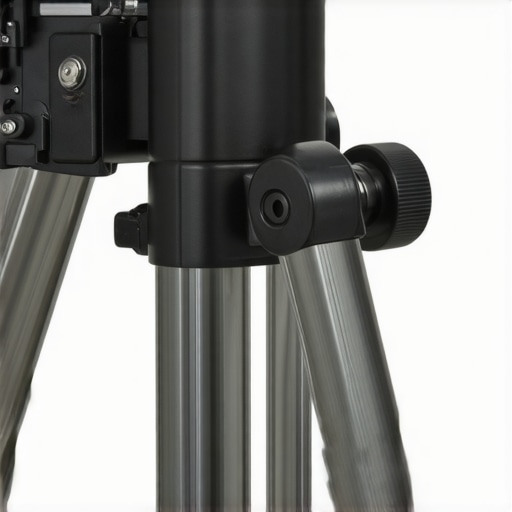
Mastering tripod stability involves understanding subtle nuances that influence a stand’s steadiness. Wide footprints, low centers of gravity, and weight distribution strategies all contribute to a more secure setup, especially in unpredictable environments. My personal experiments with different base designs—such as adding ballast or customizing leg angles—have yielded notable improvements. For in-depth insights, I encourage diving into Light Stand Essentials for expert tips on optimizing stability through thoughtful design choices.
Advanced Techniques for Challenging Shooting Conditions
When working in unpredictable environments like coastal areas or windy open fields, standard setups may fall short. My approach involves integrating additional stabilization methods, such as hanging sandbags or using weighted bases, to lower the stand’s center of gravity. Additionally, adjusting the angle of the legs to create a broader base enhances resilience against lateral forces. Industry leader B&H Photo Video emphasizes the importance of regular maintenance and quick replacement of worn parts to maintain peak performance over time. For those seeking to refine their techniques, I recommend exploring The Ultimate Boom Arm Setup Guide for Seamless Filmmaking for advanced tips on supporting heavy loads safely.
How Can I Customize My C Stand to Handle Extreme Weather Conditions?
Customizing your C stand for extreme weather involves selecting corrosion-resistant materials and adding features like anti-slip feet or weighted bases. My experience has shown that securing the stand with additional ballast and using weatherproof coatings on joints extends operational lifespan significantly. Furthermore, modular parts facilitate easy repairs or upgrades, ensuring your investment remains functional through multiple seasons. For a detailed approach on creating a resilient setup, I recommend reviewing building a custom camera rig tailored to your specific environmental challenges.
If you’ve experimented with innovative solutions or have tips for enhancing stability in adverse conditions, I invite you to share your stories. Engaging with a community of like-minded professionals enriches our collective expertise and safety. Feel free to leave your insights or ask questions below, and let’s continue pushing the boundaries of our craft together!
Things I Wish I Knew Earlier (or You Might Find Surprising)
The Hidden Strengths of Material Choices
Looking back, I realize I underestimated how much the material of a C stand impacts its longevity. Initially, I stuck with basic steel models, but over time I found that stands made with aircraft-grade aluminum or stainless steel resist rust and wear much better, especially outdoors. This small detail can save you from frequent replacements and safety concerns.
Locking Mechanisms Make or Break Stability
Early in my journey, I thought all locking systems were created equal. Turns out, quick-locks and screw-tightening mechanisms each have their pros and cons. I’ve experienced scenarios where a reliable locking pin prevented a softbox from crashing down during a shoot—details like these are worth investing in for peace of mind.
Portability Doesn’t Have to Mean Compromise
One surprising insight was that lightweight, foldable C stands can still be incredibly sturdy if designed well. I once lugged around a compact stand on uneven terrain, and it held steady thanks to wide bases and adjustable legs. Don’t shy away from portable gear—sometimes, the best option balances both worlds.
Regular Maintenance Extends Lifespan
It’s easy to forget, but inspecting joints and locking mechanisms regularly has kept my stands in top shape. A quick wipe and tightening can prevent failures during critical moments. Think of it as caring for your gear to ensure it performs when you need it most.
Base Design is Crucial for Stability
I learned that a stand’s base design—wider footprints, weighted legs—can dramatically improve stability, especially in windy or outdoor environments. Sometimes, a small upgrade in the base can make all the difference between wobbling and rock-solid support.
Innovative Locking Systems Are Worth the Investment
Finally, I’ve found that newer locking mechanisms, like ratchet locks, provide better security and easier adjustments under load. These might cost a bit more, but they increase safety and ease of use significantly, especially with heavier equipment.
Resources I’ve Come to Trust Over Time
B&H Photo Video’s Professional Advice
This site offers comprehensive gear reviews and safety tips, which have helped me understand industry standards and best practices. I highly recommend checking out their photography advice section for reliable info.
Light Stand Essentials Guide
An invaluable resource for understanding the nuances of stand construction, weight distribution, and material choices. It’s a go-to guide that deepened my appreciation for quality gear.
Industry Forums and Community Feedback
Engaging with other professionals on forums has provided real-world insights and troubleshooting tips that you won’t find in product manuals. Sharing experiences has been instrumental in my growth.
Parting Thoughts from My Perspective
Choosing the right C stand is more than just picking a piece of equipment; it’s about understanding how every detail—from materials to locking mechanisms—affects your safety and the quality of your work. Over the years, I’ve learned that investing in durable, well-designed stands and maintaining them properly pays off in stability, safety, and peace of mind. If this resonates with you, I’d love to hear your own experiences or tips. Feel free to share your stories or ask questions in the comments, and let’s keep building a community that shoots confidently and safely.