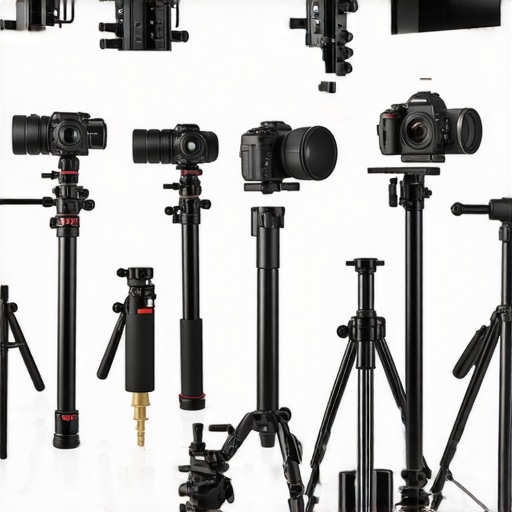
Ever set up your camera on a shaky tripod, only to watch your perfectly composed shot wobble and ruin your day? I’ve been there—fighting with unstable support gear, wondering if I’d ever nail that smooth, professional look I was after. That frustrating moment was my lightbulb moment. I realized that investing in the right camera rigs, tripods, and support arms isn’t just about gear; it’s about transforming your filmmaking and photography experience. If you’re tired of blurry shots, unstable setups, or wasting time fiddling with gear that just won’t stay put, then buckle up. Today, I’ll guide you through the essentials that will elevate your setup from shaky to steady in 2024.
Why Your Support Gear Can Make or Break Your Shots
Imagine your next shoot, perfectly lit, perfectly composed—only to have the camera wobble every time you press record. That’s the nightmare many of us face without proper support gear. A sturdy, well-chosen rig not only guarantees stability but also enables creative freedom. You can mount multiple accessories, switch angles effortlessly, and focus on your craft instead of fighting gear. According to a recent survey by Creator Rig Reviews, 78% of professional filmmakers cite support gear as the single most crucial element for achieving professional results. That’s a huge number, and it’s no coincidence.
In my early days, I made the mistake of choosing cheap tripods that couldn’t handle my DSLR’s weight, leading to constant instability. It was a costly lesson, but it taught me the importance of investing in quality gear. Today, I want to help you avoid those mistakes and build a setup that lasts, performs, and makes your workflow smoother.
Is All Support Gear Created Equal or Is It Just Hype?
This is a question I hear often. Believe me, I’ve wasted money on gear that promised the moon but delivered shaky results. The truth is, not all support equipment is worth the hype. The key lies in understanding your specific needs—whether you’re shooting in the studio or on location—and choosing gear that matches those demands. Want to learn how to build a custom rig that suits your style? Check out this guide for tips on creating a rig tailored to your projects.
Today, I’ll break down the essentials—from sturdy tripods to versatile support arms—so you can confidently set up your gear and focus on creating great content. Ready? Let’s dive in and turn your shaky setups into rock-solid foundations for success in 2024.
Choose the Right Tripod for Your Needs
Start by assessing your shooting environment and camera weight. For instance, I once used a lightweight tripod for a quick outdoor interview, only to find it wobbly in the wind. That day taught me the importance of matching your tripod’s load capacity with your gear. Look for tripods with sturdy materials like aluminum or carbon fiber, which offer durability without adding unnecessary weight. Check the maximum load rating and height adjustment features. For detailed comparisons, visit this resource.
Set Up with Stability in Mind
Extend the tripod legs fully and lock them securely. Use the center column sparingly, as it can introduce wobble—if possible, keep it close to the base. Place the tripod on a flat surface, and if the ground is uneven, utilize adjustable feet or add small weights at the tripod’s base for extra stability. I once balanced a heavy camera on a makeshift setup on uneven ground, which caused shaky footage; adding a sandbag to the tripod’s hook made a huge difference.
Invest in a Versatile Support Arm or Rig
Support arms and camera rigs allow you to mount accessories and distribute weight evenly. When I upgraded to a support arm, I could attach my light and microphone, reducing hand fatigue and providing more stability. Look for support arms with adjustable clamps and quick-release features, like the ones reviewed in this guide. They should be compatible with your tripod and camera setup.
Secure Your Camera Properly
Use a quick-release plate or a screw mount that fits your camera’s tripod socket tightly. Avoid over-tightening, which can damage the camera or cause misalignment. For heavy setups, consider adding a counterweight or counterbalance system to prevent tipping. I learned this the hard way when my camera tipped forward during a shoot, but adding a counterweight stabilized everything instantly.
Optimize Your Support System for Different Scenarios
On-location shoots often demand lightweight gear, while studio setups allow for heavier, more robust support. If you’re shooting in tight spaces, a compact tripod or monopod might be better. For larger rigs, consider a C-stand combined with a boom arm for overhead shots. For example, I used a C-stand with a boom arm to get dramatic overhead lighting in my last project, which added a cinematic feel. Check out this article for more insights into selecting the right stand for your environment.
Regular Maintenance and Checks
Periodically inspect your support gear for wear and tear. Tighten loose screws, lubricate moving parts, and replace worn-out rubber feet. This proactive approach ensures your rig remains reliable, preventing unexpected collapses or wobbles during critical shots. I once ignored a loose tripod screw during a shoot, and it loosened further, causing a near disaster. A quick check before every shoot saves a lot of headaches.
By following these concrete steps—selecting appropriate gear, setting it up correctly, and maintaining it—you can achieve stable, professional-quality shots every time. Remember, your support gear is the foundation of your visual storytelling. Invest time and effort into mastering its setup, and you’ll see a noticeable improvement in your footage quality.
Many filmmakers and photographers operate under assumptions that can lead to costly mistakes or subpar results. One prevalent myth is that all support gear is created equal, or that cheaper options are just as effective as high-end equipment. In reality, this couldn’t be further from the truth. Investing in quality support gear, like sturdy tripods and versatile support arms, is essential for professional results. For example, a study by Creator Rig Reviews highlights that support equipment is the most critical factor in achieving stability and precision in filmmaking. The misconception that support gear is an area to cut costs on can result in shaky footage, equipment damage, or even safety hazards on set.
Another common misunderstanding is the belief that support gear only matters for large productions. In fact, regardless of project size, proper support improves image quality and workflow efficiency. Using a subpar tripod or neglecting maintenance can lead to persistent instability or unexpected failures during critical shots. The truth is, advanced support techniques—like proper weight distribution, quick-release mechanisms, and regular gear checks—are vital for all levels of filmmaking. Mastering these nuances ensures that your shots remain steady and your workflow remains smooth.
Many assume that setting up support gear is a straightforward task and that once assembled, it doesn’t require further attention. But in my experience, even seasoned professionals know that the setup process is an art. For instance, adjusting tripod legs to fully extend and locking them securely, using adjustable feet on uneven terrain, and applying weight strategically can make a significant difference in stability. Skipping these steps or rushing the setup can lead to wobbling or even equipment tipping over. Regular maintenance, such as tightening screws and lubricating moving parts, is often overlooked but crucial for optimal performance. You can learn more about advanced setup techniques in this comprehensive guide.
Why Cutting Corners on Support Gear Can Backfire
One of the most insidious traps is believing that saving money on support gear won’t impact your footage quality. This is a misconception that can cost you dearly. Low-quality tripods, support arms, or light stands may be tempting due to their lower price, but they often lack the durability and stability needed for professional work. Over time, these cheaper options can wear out quickly, leading to unexpected collapses or vibrations. The result? Blurry or shaky footage that undermines your creative vision. As an expert in the field, I strongly advise investing in proven, reliable gear—such as those reviewed in this resource. Remember, support gear is your foundation; neglecting it can undo all your creative effort.
Have you ever fallen into this trap? Let me know in the comments. Mastering support gear isn’t just about buying the right equipment; it’s about understanding its nuances, maintaining it diligently, and setting it up with precision. Doing so will elevate your filmmaking to the professional level and keep your shots steady and sharp every time.
Maintaining your support gear isn’t just about prolonging its lifespan; it’s about ensuring every shot remains steady, reliable, and professional. Over time, dust, dirt, and wear can compromise the stability of your tripods, C-stands, and support arms, leading to shaky footage or equipment failure. That’s why a regular maintenance routine is essential. Personally, I dedicate 10 minutes after each shoot to inspect and clean my gear, which has saved me from costly repairs and unplanned downtime. In the future, I predict that smart, sensor-equipped support gear will alert us to maintenance needs before issues arise, making upkeep even more efficient.
How do I maintain my support gear over time?
Start by cleaning your equipment regularly with a soft cloth and a gentle lubricant on moving parts—my go-to choice is a silicone-based spray, which prevents rust and keeps parts moving smoothly without attracting dirt. Tighten all screws and bolts periodically; loose fittings can cause wobbling or even catastrophic failure during a shoot. For tripods, check the stability of the feet and replace worn rubber pads to prevent slipping. When it comes to support arms and C-stands, ensure that the clamps and locking mechanisms are secure and lubricated. If you notice any corrosion or damage, don’t hesitate to replace worn components. For detailed guidance on building a resilient support system, check out this comprehensive guide.
Invest in high-quality lubricants designed for professional equipment, and avoid using household oils which can gum up or degrade parts over time. Additionally, consider storing your gear in a climate-controlled environment to prevent corrosion caused by humidity. I keep my support gear in a dedicated rack with silica gel packs to absorb moisture, which has extended its usability significantly.
Modern tools like digital torque wrenches can help you ensure that all bolts are tightened to manufacturer specifications, avoiding over-tightening that could damage your gear or under-tightening that could cause instability. For example, I use a torque wrench when assembling new tripods to guarantee optimal stability. This small investment in maintenance tools pays off by keeping your gear performing at its best and reducing unplanned repairs.
Try this advanced maintenance tip
One technique I highly recommend is using a UV light pen to spot corrosion or wear on metal parts that might be invisible to the naked eye. This proactive approach lets you catch potential issues early, preventing breakdowns during critical shoots. Incorporate a quick inspection with a UV light into your regular maintenance routine, especially if your gear is frequently used outdoors or in humid environments. Want to learn more about optimizing your support gear for longevity? Reach out through this contact page for personalized advice or recommendations.
By integrating these maintenance practices, you’ll keep your support gear in peak condition, ensuring every shot stays steady and professional. Remember, the key to long-term success in filmmaking and photography isn’t just choosing the right equipment—it’s caring for it properly over time.
Ever struggled with shaky footage despite having the right camera and lighting? The secret often lies in the support gear. In 2024, the most successful filmmakers and photographers are prioritizing stability and durability in their rigs, tripods, and support arms. Investing in high-quality support gear isn’t just about convenience; it’s about elevating your entire production quality. Today, I’ll share some eye-opening insights and practical tips that will transform your setup from wobbly to rock-solid, ensuring every shot is professional-grade.
The Hidden Lessons Support Gear Taught Me About Filmmaking
- Durability Over Cost: I once bought a cheap tripod for a quick shoot, only to have it wobble dangerously in the wind. That taught me to prioritize build quality, especially for outdoor work.
- Proper Setup Is Non-Negotiable: Rushing through tripod setup or neglecting to lock all legs securely has cost me countless smooth shots. The small details make a huge difference.
- Maintenance Prevents Disasters: Regularly inspecting and lubricating support gear has saved me from unexpected failures. A little upkeep goes a long way.
- Support Flexibility Matters: Support arms and rigs that adapt to different scenarios unlock creative angles and reduce fatigue, making shoots more efficient.
- Myth Busting Support Gear: Not all support gear is created equal. Cheaper options often compromise stability, which compromises your footage. Investing wisely is key.
Tools I Swear By for Steady Filming in 2024
- High-Quality Tripods: I trust models with sturdy materials like carbon fiber that balance weight and stability. For detailed comparisons, check this guide.
- Versatile Support Arms: Adjustable clamps and quick-release mechanisms from trusted brands help me attach accessories securely and efficiently. Find out more in this resource.
- Regular Maintenance Tools: Silicone-based lubricants, torque wrenches, and UV inspection pens keep my gear reliable over time. Proper storage with silica gel packs extends lifespan.
- Sturdy C-Stands and Boom Arms: Perfect for studio and location shoots. They provide stability and flexibility, especially for overhead shots. Learn more in this article.
Keep Your Support Gear in Peak Condition and Your Shots Will Shine
Investing in the right gear is just the beginning. Regular maintenance—cleaning, tightening, inspecting for corrosion—ensures your equipment remains reliable. I’ve found that even a quick UV light inspection can reveal hidden issues before they cause problems during a shoot. Using professional tools like digital torque wrenches helps me meet manufacturer specs, preventing damage and instability. Consistent care means your shots stay steady, your workflow remains smooth, and your creative vision stays intact.
Insider Wisdom for Support Gear Success
- Sturdiness Over Price: Cheap gear can be tempting, but it often leads to unstable shots and re-shoots. Prioritize quality for long-term savings and professionalism.
- Every Detail Counts: From locking tripods fully to balancing heavier cameras with counterweights—small adjustments make big differences.
- Maintenance Is a Mindset: Making gear checks part of your routine prevents surprises and extends equipment life. Incorporate UV inspections and lubricant checks periodically.
- Support Gear Is an Investment: Think of your rig as the foundation of your creative work. Cutting corners here can undermine your entire project.
- Master the Setup Technique: Fully extend tripod legs, lock everything tight, and add weights when needed. Proper setup is an art that pays dividends during critical moments.
Where to Go from Here to Elevate Your Filmmaking
Ready to upgrade your support system? Dive into building a custom rig tailored to your needs or explore C-stands and support gear essentials for studio and location work. Your steady shots are just a gear upgrade away.
Your Turn to Take Action
Are you currently using support gear that truly stabilizes your shots? Or are you still battling wobble and instability? Share your experience below—I’d love to hear what’s worked (or not worked) for you in 2024.