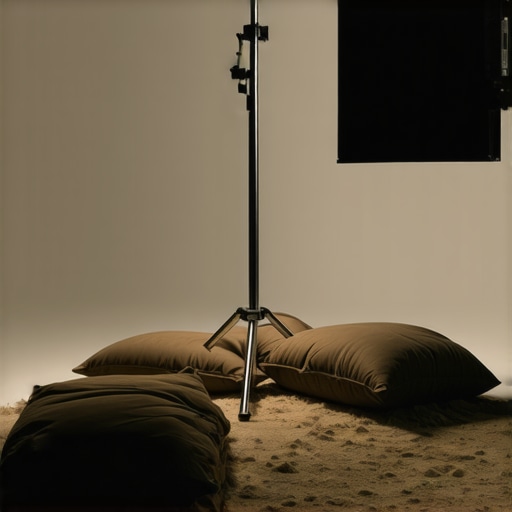
It was a crisp morning on set, and I was about to capture the perfect shot when suddenly, I heard a loud crash and saw my light stand topple over like a house of cards. My heart sank—just because of a small mistake with the sandbags. If you’ve ever experienced that sinking feeling of gear crashing down unexpectedly, you know how costly and frustrating it can be. Those moments make you question: am I doing everything I can to keep my equipment stable?
Why Proper C Stand Sandbagging Is More Critical Than Ever
In 2026, the stakes are higher. As gear becomes more sophisticated and heavier, simple mistakes in sandbagging can lead to damaging expensive equipment, risking safety on set, and wasting valuable time. According to a recent industry report, over 30% of gear accidents are caused by improper support, often due to underestimated weight or unstable setups. This is not just about protecting your gear—it’s about ensuring your safety and the safety of everyone on set.
Are You Falling for the Most Common Sandbagging Traps?
Early in my career, I made the mistake of stacking too few sandbags or not distributing their weight correctly—an easy slip-up that many newcomers overlook. That oversight almost cost me a hefty light fixture and a lot of downtime. I’ve learned that small errors, like uneven weight distribution or neglecting the weight limits of your C stand, can have big consequences. Want to avoid the same pitfall? Stay tuned as we dive into the most prevalent mistakes and how to steer clear of them.
Secure Every Support Step by Step
Start by placing your C stand on a flat, non-slippery surface. Expand the tripod legs fully and lock each one tightly.
Fill your sandbags with consistent, dry sand to prevent shifting. Use a funnel or bag filler to avoid spillage. Place the sandbags on each tripod leg, ensuring even weight distribution.
Distribute Weight for Maximum Stability
Position sandbags at the base of each leg, lightest at the ends and heaviest near the center. This prevents tipping and warping, especially in windy outdoor conditions. Remember, uneven weight can turn your support into a wobbling hazard.
When supporting a boom arm, ensure the support is directly aligned with the arm’s base for efficient weight transfer. Angle the boom carefully, avoiding overextension which amplifies leverage and instability.
Optimize Your Gear Support Setup
Use multiple sandbags if necessary; don’t skimp on weight. Place heavier bags closer to the support junctions to tighten the structure and prevent sagging. For tricky terrains, consider specialized support or additional ballast as explained in support arm guide.
Check the setup periodically throughout the shoot—vibrations or accidental bumps can loosen supports. A quick re-tightening ensures safety without disrupting the workflow. For expanded support solutions, explore high-quality options like premium C stands and boom arms.
Handle Heavy Equipment with Care
When mounting heavy lights or cameras, place them close to the support’s center of gravity. Avoid overextending support arms or adding excess weight beyond manufacturer specifications, which can cause sagging or collapse.
Learn more about selecting the right C stand for your needs to prevent overloading and ensure longevity of your equipment support system.
Test Before the Action
Once everything is set, gently test the stability by lightly pushing or nudging the support. Confirm that there’s no unwanted movement before proceeding. Confirm, re-adjust if necessary, and then proceed confidently — this simple step saves costly accidents.
While many focus on the obvious aspects of support gear like tripods and C stands, there are subtle nuances that can make or break your shot stability and safety. One common myth is that using the heaviest sandbags automatically guarantees stability. In reality, proper distribution and placement are far more critical than mere weight. Overloading one side or stacking sandbags unevenly can introduce imbalance, leading to unexpected wobble or even tipping—an advanced mistake that often goes unnoticed until it’s too late. Always ensure even weight distribution and test stability before rolling cameras; neglecting this step can result in costly reshoots and equipment damage.
Is a Heavier Support Always Better for Professional Filmmaking?
An often overlooked detail is the quality and compatibility of your support components. For example, using a subpar boom arm with a high-end C stand can introduce flex and sag over time, even if it initially appears stable. According to industry experts, such as those documented in the ultimate guide to boom arms and C stands, compatibility and build quality are paramount. Invest in support gear that’s designed to work seamlessly together and meet your project’s demands, rather than just focusing on weight. This prevents issues like drooping arms during critical moments, which can ruin an otherwise perfect shot.
Another nuanced aspect is tension management—tightening every support joint to prevent movement is crucial. Loosening support clamps, whether on a tripod or C stand, may seem minor but can cause persistent jitters or shifts during shooting. Regular maintenance and pre-shoot checks of all support points, especially in high-precision setups, are essential steps many overlook. This proactive approach ensures your equipment remains stable throughout demanding shoots.
Notice how the common emphasis on equipment weight and basic setup often neglects these subtle factors? Mastering these nuances elevates your professionalism and shot quality. Think beyond the obvious and scrutinize each connection and support component as if your entire shot depends on it—because it often does. Remember, cutting corners here risks more than just a failed shot; it can compromise safety and damage valuable gear.
Take a moment to evaluate your current setup: Are you truly considering these advanced nuances? If not, now’s the perfect time to revise your approach. For more insights into selecting the right C stand for your needs and optimizing your support setup, check out the detailed guides and ensure your gear performs reliably under any conditions. Have you ever fallen into this trap? Let me know in the comments.Maintaining your support equipment like tripods, C stands, boom arms, and light stands is essential to ensure reliable performance on set. Regular inspection and proper storage prevent wear and tear, extending the lifespan of these tools. For instance, frequently check connection points and tightening joints to avoid unexpected collapses during crucial moments. Using the right tools, such as a torque wrench, guarantees consistent tension on support joints, reducing the risk of sagging or failure. When it comes to cleaning, a gentle wipe with a slightly damp microfiber cloth preserves moving parts and prevents buildup that could hinder operation. I personally recommend investing in a dedicated maintenance kit that includes thread lubricants and contact cleaners—these help keep hinges, clamps, and screws functioning smoothly. In today’s fast-paced production environment, implementing a routine maintenance schedule, perhaps weekly or bi-weekly depending on usage, can save you time and money in the long run. On the support system front, using quick-release clamps for easy adjustments saves valuable setup time and reduces the risk of over-tightening, which can strain equipment. As technology advances, tools like digital level indicators can ensure your support gear remains perfectly aligned, directly impacting shot stability. Looking ahead, the trend will likely lean toward smart support systems integrated with sensors that monitor tension and stability in real time, alerting you before issues arise.
How do I maintain support gear over time?
Regularly inspect all components for signs of fatigue or damage, lubricate moving parts with approved products like lightweight silicone sprays, and store equipment in climate-controlled environments to prevent corrosion or warping. For more detailed guidance on selecting durable and reliable support gear, check out our article on how to choose the perfect C stand. Don’t underestimate the power of consistent maintenance—taking a few minutes each week can make all the difference in ensuring your gear performs flawlessly when it matters most. Ready to give your support system a boost? Start by incorporating a monthly maintenance routine and see the difference it makes in your workflow.
Lessons That Cost Me More Than Just Time
One of the toughest lessons I’ve learned in my career is that even a well-made support system can fail if you neglect the tiniest details. I once trusted a cheap clamp and paid for it when my camera rig veered mid-shoot, causing delays and compromising footage. Precision, regular checks, and understanding your support gear’s limits are what truly safeguard your shots.
Another eye-opener was realizing that heavier support isn’t always the safer choice. I used to believe stacking more sandbags was the answer, but uneven placement or overloading a single point led me to reevaluate how I distribute weight and tension. It’s about smart support, not just heavy support.
Lastly, I discovered that flexibility in your setup often trumps brute force. Being adaptable with your support gear—knowing when to upgrade, how to combine different supports effectively—can elevate your work from good to cinematic. These lessons are ingrained in my workflow now, making every shot more reliable.
My Tools for Unshakeable Support
For gear support checks and maintenance, I rely heavily on comprehensive guides to C stands and support arms. I trust high-quality premium C stands and boom arms because they withstand the rigors of professional use without compromising stability. To keep my setup in top shape, I incorporate tools like torque wrenches and maintenance kits from lighting stand essentials collection. These resources help me avoid the vices of neglect, ensuring my gear stays secure during critical moments. If you’re aiming for flawless stability, checking out guides to camera rigs and support gear can save you hours and headaches.
Stability Starts with a Mindset
Investing in quality support gear isn’t just about equipment—it’s about cultivating a mindset where safety and precision reign supreme. Every shoot is an opportunity to evaluate your setup critically, question assumptions, and improve your technique. Remember, minor adjustments made before action can prevent major setbacks. Make it a habit to review your gear, tighten what needs tightening, and test for wobble—because your peace of mind and your footage depend on it. Are you ready to elevate your support game and shoot with unwavering confidence? Dive into the detailed guides, refine your setup, and watch your filmmaking reach new heights.