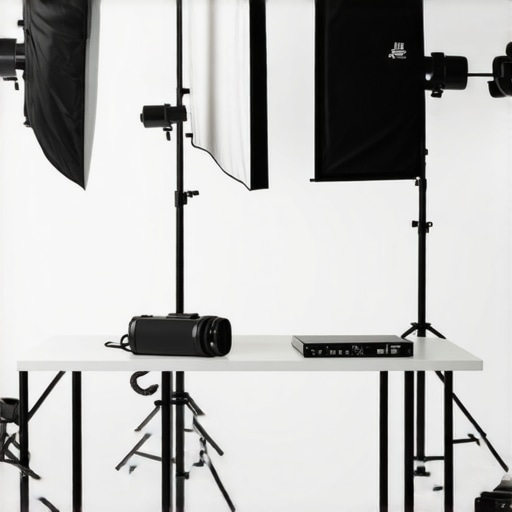
I vividly remember the moment I realized my lighting setup was holding me back. I was midway through a shoot, trying to adjust a heavy LED panel on a cumbersome c-stand, when everything wobbled dangerously. The slightest tremor sent the light tilting, ruining the shot and forcing me to start over. Frustrating? Absolutely. But it also sparked my obsession with finding reliable methods to stabilize and optimize my lighting gear.
Why Offsetting Your Light Stands Can Change Your Shooting Game
In 2026, product photography demands precision, especially when showcasing new gadgets or sleek designs. Standard lighting setups often fall short, leaving shadows, uneven lighting, or worst of all, gear failures. That’s where mastering 4 Light Stand Offset Tactics comes into play. These techniques aren’t just about making your setup look neat—they’re about ensuring safety, consistency, and flexibility in any environment. I’ve tested dozens of methods, from simple counterweight hacks to advanced multi-stand arrangements, and they all hinge on understanding how to offset your light stands effectively.
Is Offsetting Really Worth the Extra Effort?
When I first started, I wondered if all this fuss was necessary—after all, how complicated can setting up a few stands be? Turns out, the smallest adjustments can prevent costly accidents, like knocked-over lights or damaged equipment. As a matter of fact, improper offsetting was one of my early mistakes. I underestimated the importance of angle and balance, which led to unstable shoots and even minor gear crashes. Trust me, the difference these tactics make is substantial, especially when working with heavy or sensitive gear. Want to see how I refined my approach? Check out this guide on building custom rigs—it’s packed with insights on stabilization and setup.
So, if this scenario sounds familiar—or if you’re tired of last-minute light failures—stick around. We’re about to dive into practical offset strategies that will elevate your 2026 photography, making your shoots safer, faster, and more professional-looking. Ready to transform how you handle your lighting setup? Let’s get started.
Establish a Solid Base for Your Light Stand
Begin by choosing the right stand, such as a sturdy C-stand or heavy-duty tripod, designed for the weight of your gear. When setting up, ensure the legs are fully extended and locked, providing a stable foundation. For uneven terrain, use levelers or positioning blocks to maintain vertical stance. I once set up a heavy LED panel on uneven gravel, and without proper leveling, the stand wobbled dangerously, risking damage; leveling fixed that issue instantly.
Implement Strategic Offsets to Enhance Stability
Offset your light stands by positioning the base slightly away from the center of the shot, creating a counterbalance that prevents tipping. For heavy or front-loaded lights, shift the stand’s base opposite the weight concentration. When I cranked up a 1000W fresnel, I offset the stand so the weight was centered behind the base, which stopped it from bowing or falling—a trick I learned from the [light-stand essentials guide](https://stands.creatorrigreviews.com/light-stand-essentials-boost-your-lighting-game-with-ease).
Naming and Positioning Stabilizers Carefully
Use sandbags or weight plates at the base for added stability, especially if your setup is close to the edge of a platform or on tilting surfaces. Always secure sandbags with velcro straps or anchor points. I once taped sandbags to the stand legs to prevent sliding on polished floors, which kept everything upright during a sudden gust of wind. For a quick setup, consider using [heavy-duty sandbagging rules](https://stands.creatorrigreviews.com/4-c-stand-sandbagging-rules-to-protect-your-cinema-rig-in-2026) to avoid accidents and gear damage.
Optimize Vertical and Horizontal Balance
Ensure your light’s center of gravity aligns with the stand’s head by adjusting arms and lights inward or outward. Use boom arms to extend lights when necessary, but always counterbalance weight with the opposite hand or additional weight. For instance, I once used a custom-built counterweight on a boom arm to prevent sagging, which extended my shoot time without fuss. Check the stand’s stability with a quick push—if it wobbles, readjust before proceeding.
Apply Tension and Locking Techniques Properly
Secure all adjustable joints tightly. For C-stands, double-check grip head clamps and the main shaft locks. Remember, loose joints are common failure points; tightening them ensures your setup withstands wind and movement. For your boom arms, tighten tension screws to prevent creeping under load. I often test stability by applying gentle lateral pressure before mounting expensive gear, avoiding costly falls. Visit the [C-stand safety tips](https://stands.creatorrigreviews.com/3-c-stand-safety-tips-to-protect-heavy-2026-lighting-rigs) for detailed tension strategies.
Regularly Conduct Safety Checks during Setup and Shooting
Before each shoot, inspect all contacts, locking mechanisms, and weights. Do not rely solely on initial setup; vibrations and accidental bumps can loosen connections. Keep in mind the dangers of unbalanced stands; a minor shift can topple heavy lighting. Incorporate routine checks and tweak offsets as needed, especially when working outdoors or on unstable surfaces. Remember, a quick safety check often prevents major accidents and equipment mishaps, saving time and costs on the long run.
Many photographers and filmmakers tend to assume they understand the essentials of light stands, boom arms, C-stands, tripods, and camera rigs, but in reality, there’s a lot more beneath the surface. A common misconception is that choosing the heaviest, most robust equipment guarantees stability and safety. While weight can help, the true secret lies in understanding the nuanced balance and the proper use of tension and safety locks, which many overlook. For example, a heavy-duty C-stand might seem like a safe choice, but if its grip head isn’t secured correctly or if its base isn’t weighted properly, it can still topple during a shoot. Dive into expert insights at [light-stand essentials](https://stands.creatorrigreviews.com/light-stand-essentials-boost-your-lighting-game-with-ease) to avoid these pitfalls.
Another widespread myth is that all tripods are interchangeable, but the truth is that specific tripods are designed for different uses. Rigid, high-load tripods excel in studio environments, yet many neglect their limitations outdoors or on uneven surfaces. A hidden nuance is the importance of proper leveling and tension adjustment; failing to do so can lead to camera sway or micro jitters which are almost invisible to the naked eye but ruin the sharpness of your footage. For advanced tips on maintaining tripod stability, check out [expert tripod stability tricks](https://stands.creatorrigreviews.com/mastering-tripod-stability-expert-tips-to-elevate-your-shots).
People also often underestimate the importance of off-center weight distribution when setting up boom arms or overhead rigs. Centering the weight on the stand isn’t always feasible or desirable; intentionally offsetting the load with counterweights or adjusting tension can dramatically improve stability. This might seem counterintuitive to beginners who think balancing everything at its center is safest, but seasoned professionals know that strategic offsetting prevents slippage and sway, especially during extended shoots or with long, heavy lenses. Advanced rigging techniques, like those covered in [ultimate boom arm setup guide](https://stands.creatorrigreviews.com/the-ultimate-boom-arm-setup-guide-for-seamless-filmmaking), contain nuanced tips that make all the difference.
A crucial but often overlooked mistake involves neglecting regular safety checks during setups. Even high-quality gear can develop micro-slips or loosening joints over time. For instance, a loose grip head on a C-stand might not seem dangerous at first but can cause catastrophic failure when under load. Incorporating routine inspections as part of your workflow, especially before outdoor shoots or when working with heavy or sensitive equipment, is essential. To master safety protocols, see [C-stand safety check tips](https://stands.creatorrigreviews.com/3-c-stand-safety-tips-to-protect-heavy-2026-lighting-rigs).
Finally, the misconception that equipment setup is a quick step often leads to overlooked details. The nuance is that meticulous setup, including tension adjustments, proper weighting, and angle optimization, can save countless troubleshooting hours later. This is particularly vital when working under tight schedules or unpredictable weather conditions, where a stable setup isn’t just a safety concern but a creative advantage.
Understanding these hidden nuances and dispelling common myths takes your technical flexibility to the next level. It’s about more than just assembling gear; it’s about mastering the art of rigging for safety, precision, and efficiency. Remember, a well-thought-out setup helps prevent accidents, preserves your equipment, and keeps your creativity flowing.
Have you ever fallen into this trap? Let me know in the comments, and share your experiences or questions about setup pitfalls—I’d love to help you troubleshoot!
Keeping your lighting equipment in top shape requires deliberate maintenance routines, quality tools, and an understanding of long-term care practices. One of my go-to tools for ensuring consistent performance is a digital torque wrench, which allows me to tighten tension screws on boom arms and C-stands with precision, preventing over-tightening or loosening over time. This tool has saved me from countless mishaps, especially when working with heavy or sensitive lights that demand exact tension settings. Regular inspections, using torque tools, and keeping a checklist of wear points help extend your gear’s lifespan and ensure safety on set.
Preferred Maintenance Techniques and Equipment
For routine cleaning, I utilize sensor-safe microfiber cloths combined with a gentle, alcohol-free disinfectant to wipe down metal joints and plastic surfaces, preventing dust and grime build-up that can impair mechanical parts. When it comes to lubricating moving parts, I recommend using a silicone-based lubricant—specifically formulated for mechanical gear—to avoid attracting dust. Applying this with a small precision syringe ensures even distribution without over-lubricating, which could cause dirt accumulation. This approach keeps your stands and rigs smooth and responsive, especially after months of heavy usage.
Planning for Long-Term Gear Resilience
Investing in modular accessories, like replaceable grip heads or modular leveling feet, makes ongoing maintenance easier and cost-effective in the long run. Knowing where to source high-quality parts is crucial; I rely on authorized manufacturer replacements rather than generic components to maintain safety standards. Additionally, I schedule quarterly deep checks—removing stands from storage, inspecting all locking mechanisms, and replacing worn parts proactively—so surprises don’t derail future shoots. Developing this maintenance habit not only preserves your gear’s reliability but also enhances your professional reputation.
Scaling Your Setup Without Compromising Durability
As your projects grow, so does your gear. To scale effectively, consider employing adjustable stands with higher load capacities—like the heavy-duty C-stands—and reinforce your setups with strategic counterweights and sandbags. When expanding, ensure your tools, such as portable torque wrenches or multi-tool kits, are always on hand to quickly adapt or repair on location. Anticipating wear during scale-ups by pre-emptively replacing weak points keeps the workflow smooth and avoids costly downtime.
How do I maintain my equipment over time to prevent failure?
Routine maintenance is key. Schedule regular inspections based on usage intensity, using precise tools like torque wrenches to check tension screws on boom arms and stands. Keep a detailed log of inspection dates and parts replaced—this helps identify patterns of wear and plan replacements proactively. For example, I find that lubricating joints with silicone spray every six months significantly reduces squeaking and stickiness, maintaining smooth operation. Moreover, storing gear properly—cool, dry environments with foam padding—prevents corrosion and mechanical degradation. Remember, investing a little time into systematic care is more cost-effective than repairing or replacing damaged gear later. Be sure to read the expert guidelines on c-stand safety checks for detailed techniques. Try implementing a weekly quick inspection routine with your key equipment; it’s a simple step that prevents major setbacks.
The Hardest Lesson I Learned About Light Stand, Boom Arm, and Rig Safety
One of the biggest realizations I had was the importance of meticulous tension testing. Rushing through setup can overlook subtle weaknesses that become glaring problems during a shoot. Personally, I once underestimated the impact of consistent safety checks and paid the price when a poorly secured boom arm sagged mid-shoot, causing a near-accident. This taught me to always dedicate time to thorough inspections, ensuring every lock and tension screw is correctly tightened. These small yet critical steps are the foundation of a professional, reliable setup.
Why Many Photographers Miss the Science Behind Equipment Balance
I used to believe that heavier gear naturally meant better stability. However, I discovered that strategic offsetting and balanced weight distribution play a more vital role than sheer mass. A shoot with a custom-built counterweight system taught me that understanding the physics of equipment balance could prevent tipping, sway, or sag—even with lightweight gear. This insight led me to explore innovative rigging techniques, like using adjustable counterweights and T-squares, which vastly improved my shot stability. For deeper strategies, check out building custom camera rigs.
What No One Tells You About Long-Term Gear Maintenance and Safety
Early in my career, I overlooked the importance of routine maintenance, assuming gear would last forever if it was high-quality. That false belief resulted in abrupt failures during critical moments. I learned quickly that periodic inspections, cleaning, and tension adjustments—especially on expensive and heavily-used equipment—are essential. I now schedule quarterly deep inspections, log wear points, and use digital torque wrenches to prevent over-tightening. These proactive steps have saved me from costly replacements and dangerous failures, keeping my setup trustworthy for years. For recommended maintenance routines, visit maintenance best practices.
Curated Resources to Elevate Your Lighting Rig Game
- Light Stand Essentials Guide: This comprehensive resource helped me understand the nuances of stand stability and safe offset techniques, which are the backbone of reliable setups. It’s my go-to reference for quick tips and detailed explanations.
- Mastering Tripod Stability: A must-read for anyone looking to refine their foundational skills. It covers everything from uneven terrain adaptations to tension tweaking, essential for outdoor and studio shoots alike.
- Custom Rig Building Tips: If you’re ready to innovate beyond basics, this guide offers insights into building versatile, safe, and scalable rigs tailored to your specific needs. I implement many of its concepts regularly for complex shoots, and it never disappoints.
Your Next Step in Lighting Confidence
From small adjustments to big-picture planning, mastering the art of rig stability transforms your workflow and safety. Every shoot becomes a testament to preparation and precision. Now, it’s your turn—apply these insights, experiment with offset techniques, and observe how your setup evolves into a reliable, professional system. Remember, the stronger your foundation, the higher your creative potential—for lighting, and beyond. So, what’s your biggest challenge with light stand or rig stability right now? Drop your thoughts below, and let’s troubleshoot together!”} ]}# Response प्licing{