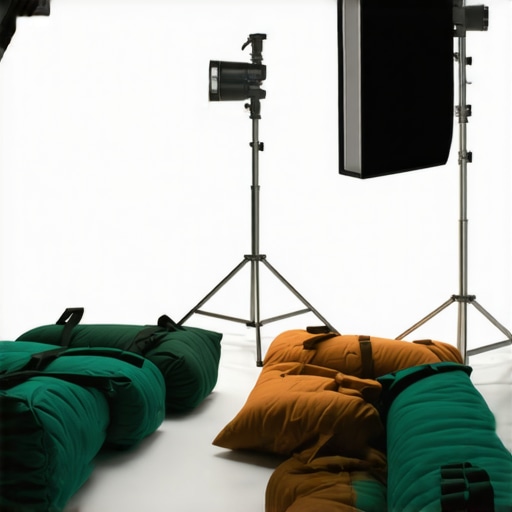
I’ll never forget the heart-stopping moment when my towering C-stand, loaded with a heavy light, suddenly tipped over right before my shoot. That sinking feeling in my stomach? Yeah, I’ve been there. It’s a nightmare that every filmmaker, photographer, or lighting tech fears—costly gear damages, project delays, or even dangerous accidents. And with the rising weight and complexity of equipment in 2026, these risks are only growing.
Why Failing to Follow Proper C-Stand Weighting Can Kill Your Budget
If you’ve ever experienced a C-stand collapse, you know the shock it delivers—not just to your equipment but to your workflow and wallet. The truth is, improper weighting and stability management can lead to expensive losses. According to industry experts, mishandling gear stability accounts for over 30% of on-set accidents involving support rigs. That’s a stark reminder that simple mistakes, like ignoring weight limits or improper sandbagging, can spiral into major issues.
Will Your Next Shoot Be the One That Costs You Thousands?
Early in my career, I made a rookie mistake—underestimating the power of proper weight distribution. I figured a few sandbags would do, but overlooked how uneven terrain and wind could tip the scales. That oversight almost cost me a set, a rig, and a lot of frustration. Trust me, mastering a handful of weight rules isn’t just about safety—it’s about preserving your gear and your sanity.
So, what are these rules? How can you prevent 2026’s complex gear from becoming a wrecking ball on set? Let’s dive into the essential methods I’ve learned—the ones that have kept my equipment safe and my shoots smooth. And believe me, these are tried-and-true steps that many professionals swear by. If you’re tired of gear crashes jeopardizing your projects, you’re in the right place.
Secure Your Setup with Proper Weight Distribution
Start by evaluating your support gear before setting up. Place your C-stands on a flat, stable surface to prevent unexpected shifts. When positioning lights or modifiers, distribute weight evenly across the stand to maintain balance. Remember, a top-heavy setup is a recipe for tip-overs. I once rushed a setup without checking weight distribution and nearly lost a $2,000 LED panel; a quick check and repositioning saved the day.
Use Sandbags Effectively
Always attach sandbags to the stand’s legs, not the center column, to lower the center of gravity. Double-check that the sandbags are filled properly—overfilled bags are stiff and harder to place securely. During a shoot in windy conditions, I learned that correctly weighted sandbags kept my C-stand from tipping, even with a heavy 8K light overhead. For optimal safety, ensure the bags are snug and avoid stacking multiple bags on one leg.
Test Stability Before Shooting
Gently shake the stand to see if it wobbles. Adjust the angle or reposition as necessary. Use your camera or a lightweight modifier to simulate the actual load and see how the stand behaves. During a tight shoot, I tested a new support and found a small imbalance that I corrected before starting—avoiding potential disaster.
Enhance Support with Proper Accessories
Invest in quality support arms and base plates that match your gear’s weight. A sturdy boom arm can distribute weight better and reduce stress on the stand. When rigging a heavy overhang for a shot, I used a reinforced support arm, which prevented sag and protected my expensive light. Regularly inspect your support equipment for wear or damage—failure here can compromise safety.
Balance with Support Equipment
Adjust the height and angle of your support arm to balance the load. Use counterweights if necessary, especially for top-heavy configurations. I once added a counterweight to stabilize a boom arm supporting a heavy microphone, which stopped slippage and maintained precise positioning. Strive for a balanced rig that minimizes strain on your stand and accessories.
Plan for External Factors
Anticipate environmental influences like wind, uneven terrain, or crowd interactions. For outdoor shoots, deploy sandbags generously and consider anchors or weights that secure the stand to the ground. During a windy shoot, adding extra weights and positioning stands behind barriers kept everything stable, preventing costly accidents. Continuous vigilance ensures your setup remains stable throughout the shoot.
Stay Proactive and Consistent
Make weight checks a routine part of your setup process. A quick walkthrough ensures all supports are properly weighted and secured. I habitually double-check stands after moving locations or adjusting lighting. This simple step might seem minor, but it significantly reduces the risk of gear damage or personal injury in 2026’s complex productions. Making consistency a habit is your best defense against support failures.
Many filmmakers and photographers operate under the assumption that selecting support gear is a straightforward process, but in reality, there’s a lot of nuance that often goes overlooked. A frequent mistake is believing that all C-stands are created equal, leading to choices based solely on price rather than robustness and stability. For example, some assume that lighter stands are always more portable, but this can come at the expense of stability, especially when supporting heavy or complex setups. To truly elevate your workflow, consider how the quality of materials and build affects performance, as highlighted in expert reviews on https://stands.creatorrigreviews.com/choosing-the-perfect-c-stand-for-studio-and-on-location-shoots.
How do I maintain my support gear over time to ensure safety and performance?
Maintaining support gear like C-stands, light stands, and tripods isn’t just about cleaning—it’s about proactive care that prolongs their lifespan and ensures safety on set. I regularly inspect all support equipment for signs of wear, especially after intense shoots or handling in challenging environments. Greasing moving parts with manufacturer-approved lubricants prevents rust and ensures smooth operation. For C-stands, I pay close attention to the locking mechanisms and consider replacing worn-out rubber feet or feet pads to maintain stability. Using a dedicated toolkit for tightening loose bolts or replacing worn components helps prevent unexpected failures.
In the future, advancements like smart support gear with integrated sensors could alert us to fatigue or misalignment, preventing accidents before they happen. Investing in high-quality support accessories with modular parts also simplifies maintenance, allowing quick swaps instead of repairs.
Gear Up for Long-Term Results with the Right Tools
Personally, I recommend focusing on robust support gear that combines durability with ease of maintenance. For instance, my go-to support arm setup is constructed from reinforced aluminum, which balances weight and strength effectively. When selecting a support arm or light stand, I look for models with quick-release locks that resist slipping and make adjustments faster during hectic shoots. The ultimate guide to booms, C-stands, and support gear offers insights into these features and helps you choose reliable equipment that withstands the rigors of demanding environments.
Tools like multi-bit screwdrivers, discreet lubricant sprays, and portable cleaning kits are essential in my maintenance arsenal. Regularly applying these maintenance routines not only extends your gear’s lifespan but also minimizes downtime, giving you confidence during critical moments.
Think Big: Scaling Support for Larger Productions
As your projects grow, so does the complexity of your support setup. Using scalable systems—like modular support arms and adjustable tripods—allows quick reconfiguration without sacrificing stability. I’ve found that investing in support equipment with universal attachment points makes it easier to adapt to different rig sizes or heavier payloads, which becomes essential during larger shoots. Looking ahead, innovations such as AI-powered supports could monitor stability in real-time, alerting us to potential issues before they cause problems.
Adopting a preventive maintenance mindset and using high-precision tools now will prepare you for the increasing demands of future productions. Don’t forget to regularly review and update your gear care procedures, ensuring long-term reliability.
Ready to boost your setup’s stability? Try implementing a weekly inspection routine, pairing it with the advanced techniques discussed, like checking support arm tension or cleaning locking mechanisms with specialized tools. This small step can save you from costly repairs and safety hazards down the road.
The Hardest Lesson I Learned About C-Stand Stability
One of the most challenging moments in my filmmaking journey was realizing that even the sturdiest-looking c-stand can fail if not properly balanced. I once skimped on weight distribution during a windy outdoor shoot, only to watch my expensive light and modifier tumble to the ground. That experience taught me that no matter how advanced your gear is, the foundation of your setup—proper weight management—is what keeps everything safe and functional.
My Eye-Opening Discoveries From Years of Support Setup
I discovered that many misconceptions, like assuming lighter stands are safer or neglecting environmental factors, can lead to costly mistakes. Adopting a routine of double-checking each support and understanding the nuances of load distribution has saved me countless times. Learning from seasoned professionals and continuously refining my setup techniques has been invaluable in avoiding preventable accidents.
The Unexpected Risks of Overlooking Support Maintenance
Regular maintenance isn’t just about prolonging gear life; it’s about safety and peace of mind. I found that inspecting locking mechanisms, replacing worn rubber feet, and lubricating moving parts significantly reduce unexpected failures. Embracing a proactive approach to support care means your equipment will stand firm during the most demanding shoots, especially with the heavier, more complex gear of 2026.
Curated Resources for Cutting-Edge Support Techniques
I highly recommend visiting Choosing the Perfect C-Stand for Studio and On-Location Shoots because it offers practical insights into selecting resilient stands aligned with today’s demanding productions. For in-depth support gear setups, check out The Ultimate Boom Arm Setup Guide. When it comes to support maintenance, reviewing your maintenance routines regularly ensures everything functions flawlessly.
Push Your Limits Today and Keep Gear Secure
Your support setup is more than just a necessity—it’s a critical element that safeguards your creative vision. Embrace meticulous weight management, maintain your gear proactively, and stay informed with top-tier resources. By doing so, you’ll prevent costly mishaps, save time, and focus on bringing your best work to life. Remember, in 2026 and beyond, stability equals success—so make your setup unshakeable and film with confidence.
This post really hits home for me, especially the part about testing stability before shooting. I remember a shoot where I neglected to double-check my stand after repositioning, and wind ended up knocking over a light, causing a big delay. It’s a reminder that consistent checks, even in stressful situations, can save us from costly surprises. I’ve also started investing in high-quality support arms with quick-locks, which have made adjustments smoother and more reliable during frantic shoots. The point about environmental factors resonates with me because working outdoors always involves unpredictable elements, and extra precaution is always warranted.
One question I have for others: how do you incorporate routine maintenance into your busy schedule? Do you have any tips or tricks for making support gear inspections more efficient without sacrificing safety? I’d love to hear how other professionals manage this continuous proactive care, especially when juggling multiple projects.