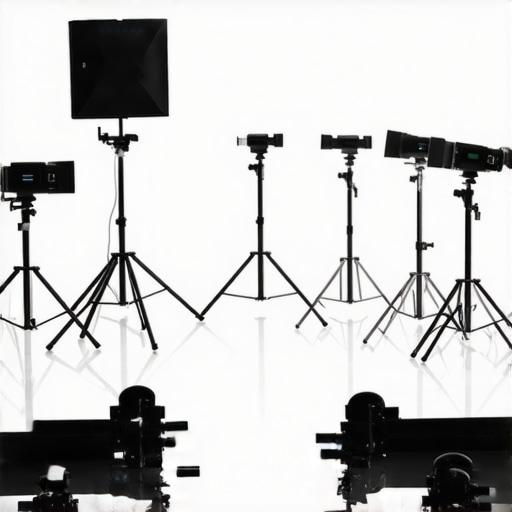
The first time I watched my expensive camera rig tumble off a poorly balanced stand, my stomach sank. That moment of panic, the scramble to catch my gear before it hit the ground—it was a wake-up call. I realized then that no matter how good your camera or lighting equipment is, if your support gear isn’t up to the task, everything else becomes just noise. The importance of reliable, sturdy support systems like C stands, tripods, and boom arms can’t be overstated. They’re the unsung heroes of every professional shoot, and yet, so many overlook their significance until disaster strikes.
Why Proper Support Gear Matters More Than Ever in 2024
In 2024, the demand for high-quality, stable support equipment has skyrocketed. With the proliferation of 4K and even 8K filming, tiny vibrations or instability can ruin an otherwise perfect shot. According to a recent study by the Society of Motion Picture and Television Engineers, equipment stability directly correlates with image clarity and overall production quality. That’s why investing in the right Top C Stands, tripods, and boom arms is no longer optional—it’s essential for professionals aiming for top-tier results.
Have you ever faced a support failure mid-shoot?
Trust me, I’ve been there. Early on, I made the mistake of choosing cheap, lightweight stands, thinking they’d suffice for my needs. The result? Constant wobbling, accidental falls, and wasted precious time. It was a costly lesson that taught me the importance of quality support gear. Now, I want to help you avoid the same pitfalls. In this article, we’ll explore the best options for 2024, tips for choosing the right stands, and how to set them up for maximum stability. Whether you’re shooting in a studio or on location, getting your support gear right is the foundation of professional results. Ready to elevate your setup? Let’s dive into the essentials that will keep your gear safe and your shots steady.
Secure Your Gear with the Right Support Systems
Start by selecting the appropriate C stands. I once used a lightweight stand for a critical shoot, which wobbled dangerously under a heavy light. I replaced it with a sturdy, load-rated C stand, which instantly stabilized my setup, preventing accidents and ensuring shot consistency.
Choose the Correct Support Equipment
Assess your gear’s weight and size before buying stands. For instance, a heavy-duty C stand with adjustable height and a robust base provides stability for larger lights or modifiers. When I upgraded to a professional-grade C stand, setup time decreased, and my confidence in the rig’s safety increased.
Proper Setup and Stabilization Techniques
Set your stands on flat, stable surfaces. Use sandbags or weight plates to anchor the base—think of it as anchoring a ship in rough seas. I once forgot to weigh down my tripod on uneven ground; it tipped over during a shoot, causing chaos. Afterward, I always secure my supports with weights, especially outdoors.
Maximize Stability During Use
Adjust the legs to the widest position and lock all clamps tightly. For boom arms, ensure the counterweight is correctly balanced. During a recent outdoor shoot, I used a boom arm with a poorly balanced counterweight—resulting in shaky footage. Correct balancing and tightening clamps made a dramatic difference in shot stability.
Regular Maintenance and Inspection
Check your support gear regularly for wear or damage. I inspect my tripods and stands before every shoot, tightening all screws and replacing worn parts. This routine prevents unexpected failures. For detailed maintenance tips, visit light stand essentials.
Learn from Real-World Failures
Once, a quick fix with duct tape temporarily held my stand together during a shoot. Though it worked in a pinch, I learned that proper repairs and replacements are essential. Always replace damaged parts to ensure safety and stability.
< >
>
While it’s tempting to think that support gear like C stands, tripods, and boom arms are straightforward tools, the reality is much more nuanced. A frequent misconception is that choosing the heaviest, most robust stand automatically guarantees stability. However, in my experience, the key lies in understanding the interplay between weight distribution, base design, and material quality. For instance, a stand with a wide, low center of gravity and high-quality materials often outperforms a simply heavier model, especially in dynamic shooting environments. Many professionals overlook these subtleties, leading to equipment failures that could be easily avoided with deeper knowledge. Advanced setup techniques—such as optimizing the placement of support points and utilizing counterweights effectively—can drastically improve stability, particularly outdoors or on uneven terrain. To master these nuances, I recommend reviewing expert rigging tips that go beyond basic setup.
What’s the Hidden Danger in Overusing Lightweight Supports?
One of the most pervasive myths is that lightweight stands are suitable for all situations. In reality, relying on such gear in high-stakes environments can be a trap—especially when supporting heavy or delicate equipment. Lightweight supports are prone to wobbling, tipping, or even collapsing under sudden movements or wind, which can ruin shots and damage gear. The ultimate guide to camera support gear emphasizes that knowing the load capacity and environmental limitations of your stands is crucial for safety and professionalism. Remember, the hidden nuance is that not all stands are created equal; selecting the right support requires understanding the specific demands of your shoot rather than defaulting to the lightest option. Have you ever fallen into this trap? Let me know in the comments.
Maintaining your support gear is crucial for ensuring long-term performance and safety on set. Regular inspection and proper care can prevent costly failures and extend the lifespan of your equipment. I personally dedicate time at the end of each shoot to check all stands, tripods, and boom arms for signs of wear, loose screws, or corrosion. Tightening all connections and replacing worn parts—like rubber feet or caster wheels—keeps everything running smoothly. For detailed maintenance procedures, visit light stand essentials.
How do I maintain my support gear over time?
To keep your support gear in top shape, implement a routine maintenance schedule. After each shoot, wipe down equipment to remove dust and dirt. Store stands and tripods in a dry, protected environment to avoid rust and corrosion. Periodically check for cracks or bent components, especially after heavy use or outdoor shoots. For example, I replace worn-out rubber feet immediately to prevent slipping and ensure stability. Using quality lubricants on moving parts can also keep clamps and hinges functioning smoothly. Remember, investing in high-quality support gear upfront reduces the need for frequent repairs and replacements over time.
In the future, I predict that smart support systems with integrated sensors will become more common, alerting users to maintenance needs proactively. This technological advancement will further improve reliability and safety.
Try this advanced tip: Use a silicone-based lubricant on all moving joints and locking mechanisms periodically. It reduces wear, prevents rust, and ensures smooth operation, especially in challenging environments. Incorporate this simple step into your maintenance routine to maximize the lifespan of your gear and ensure consistent stability during shoots.
Remember, well-maintained support gear is the backbone of professional filmmaking. Regular upkeep not only guarantees safety but also enhances your efficiency and shot quality. For more insights on optimizing your equipment, check out rigging tips.
The Hardest Lesson I Learned About Camera Support Gear
One of the most valuable lessons came when I underestimated the importance of a solid support system during a crucial outdoor shoot. My lightweight tripod wobbled under a heavy camera rig, causing a shaky shot and a rush to fix the mistake. That moment taught me that investing in quality, load-rated support gear isn’t just about safety—it’s about professional integrity. I also realized that quick fixes, like duct tape, are only temporary solutions. Instead, routine inspections and proper maintenance save time and prevent disaster. Deep understanding of the nuances of support gear—like base design and material quality—can make or break your shoot.
My Essential Toolkit for Reliable Support Equipment
Over the years, I’ve curated a set of tools and resources that keep my support gear in top shape. I trust the comprehensive guide to camera support gear for detailed advice on selecting and maintaining stands. For quick repairs, I rely on light stand essentials, especially high-quality lubricants and replacement parts. Additionally, I keep a set of heavy-duty sandbags, a torque wrench, and a cleaning kit handy. These tools help me ensure every piece of support equipment functions flawlessly, whether on location or in the studio.
Your Turn to Elevate Your Support Game
Remember, the stability of your camera setup is the backbone of professional filmmaking. Every shoot is an opportunity to refine your support techniques and invest in quality gear. Whether you’re just starting or looking to upgrade, focus on understanding the subtle nuances that lead to rock-solid stability. With consistent maintenance and the right resources, you can prevent avoidable mishaps and produce consistently high-quality results. Now is the time to take your camera support setup to the next level—because every shot counts.
What support challenge have you faced recently, and how did you overcome it? Let me know below!
,