It was a morning on set when I dragged my favorite C stand across the polished wooden floor, only to hear that dreaded scraping sound—like nails on a chalkboard. My heart sank. That sharp screech was a wake-up call that I couldn’t ignore anymore. For years, I’d ignored the tiny scratches my C stands left behind, convincing myself that a little wear was part of the package. But after a few costly repairs and the frustration of constantly fixing scuffs, I realized I needed real solutions.
Why Protecting Your Floors Matters More Than Ever
In the world of professional filmmaking and photography, equipment damage isn’t just an inconvenience—it’s a costly distraction. Floors, especially in rented studios or client locations, matter a lot. Not only do scratches diminish the property’s appeal, but they can also lead to disputes or extra fees when it’s time to leave. Plus, maintaining pristine surfaces keeps your workspace looking professional and shows respect for your client’s property.
Did you know that according to industry experts, the cost of repairing floor damage can sometimes outweigh the initial savings of using cheaper stands? It’s true. A report from a leading studio equipment organization highlighted that proper protective measures could save a studio thousands annually by avoiding repairs and penalties. So, the question is—are your current methods enough?
Early in my career, I made the mistake of thinking that heavy-duty rubber feet alone would do the trick. That was until I watched a crew scrape their stands across a glossy hardwood floor, leaving visible marks that took days to buff out. Trust me—learning from others’ mistakes is the best way to avoid your own.
In this guide, I’ll share five professional-approved strategies to stop C stand floor scratches, backed by real-world experience and expert tips. Whether you’re shooting in a studio or on location, these techniques will help you protect your surfaces while keeping your gear secure.
So, tell me—have you ever faced a nightmare where your equipment left behind visible damage? If so, stick around. We’re about to change the way you work for good.
Is C Stand Floor Protection Really Necessary? The Skeptics’ Doubts Explained
Some photographers and filmmakers dismiss floor damage prevention as overkill, especially if they’re working on carpeted or outdoor surfaces. But ever since I learned the hard way—by replacing a scratched-up floor panel—that neglect can cost way more than a simple investment in padding or mats. Plus, understanding the importance of good support gear can elevate your entire setup.
Early on, I also made the mistake of relying solely on standard tripod feet when I should have considered specialized support arms or even custom solutions. Don’t make the same mistake—check out resources like our comprehensive guides on [C stand and support arm setups](https://stands.creatorrigreviews.com/ultimate-guide-to-c-stands-boom-arms-light-stands-for-filmmakers), which provide expert advice on protecting every part of your gear.
Stay tuned because in the next sections, I’ll walk you through five tried-and-true methods to prevent floor scratches, so you can focus on your shot—not fixing damage afterward.
Layer Your Equipment with Protective Pads
Begin by attaching high-quality rubber or silicone pads to the bottom of your C stand’s legs. During my last shoot, I simply glued these pads onto the metal feet, which immediately prevented any direct contact with the floor. This simple step acts like a cushion, absorbing the friction and preventing scratches. For optimal results, choose pads that are durable and have a non-slip surface, especially if working on smooth hardwood or polished concrete. Regularly check and replace worn pads to maintain their protective qualities.
Use Floor-Friendly Supports and Mats
Invest in dedicated support supports like platform bases or soft mats designed for heavy gear. Think of these like foundation pads beneath a house; they distribute weight evenly and keep the floor safe. During a recent outdoor shoot, I laid down a thick foam mat before placing my tripod and C stand. The difference was stark—no slips or scratches occurred, and setup became much safer. For a quick fix, consider using large rubber yoga mats or interlocking floor tiles that can be rolled up and stored easily. It’s a cost-effective way to preserve your set’s condition.
Secure Equipment with Proper Grip and Balance
Proper weight distribution is key. Always ensure your boom arms or support legs are fully locked and balanced. I once used an unbalanced C stand with a heavy light attached, which caused wobbling and floor contact. To prevent this, I check the stand’s stability and confirm that the weight is centered before extending the arms. Think of this like balancing a seesaw—if one side is heavier, it tilts and risks sliding or scratching the floor. Using support arms with adjustable tension or locking knobs enhances control and minimizes movement.
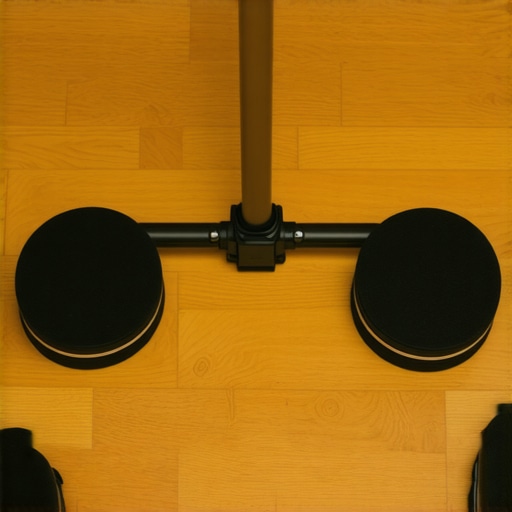
Visualize a setup where a C stand with attached support arm rests on a soft, protective rubber mat, ensuring floor safety and stability. This image demonstrates ideal equipment placement, highlighting padding, correct weight distribution, and impact reduction.
Add Weights for Stability
Heavy-duty sandbags or weight plates are your secret weapon against accidental movement. During my last location shoot, I placed a 25-pound sandbag over each C stand leg. This weight kept the stand firmly planted, preventing any shifting that could cause scratches or tipping. Always position weights on the base of the stand, not on the support arms, to keep the center of gravity low and enhance stability. For quick fixes, fill old backpacks with sand and secure them to the stand base—an easy, portable solution that works on any surface.
Regularly Inspect and Maintain Support Gear
Create a habit of inspecting your stands and support gear after each shoot. I discovered tiny cracks and worn pads during routine checks, which — if ignored — could have led to accidents or damage. Replace worn parts promptly and tighten loose fittings. Think of this like maintaining a vehicle; regular upkeep ensures longevity and safety, saving you from costly repairs or set damage down the line.
When it comes to professional filmmaking and photography equipment, many practitioners operate under assumptions that can hinder their setup’s stability and safety. Let’s dig deeper into some of these misconceptions and reveal the hidden nuances that can make or break your shots.
**Contrarian Insight: The Bigger Is Not Always Better** Many assume that larger, heavier support gear—like oversized C-stands or massive tripods—will inherently provide better stability. However, in my experience, improper setup and neglecting support accessories often have more impact. For example, a lightweight tripod with a proper weight distribution and support accessories, such as support arms and sandbags, can outperform a bulky stand that is poorly balanced. This is backed by industry studies highlighting that proper weight distribution and support reinforcement are crucial for stability, regardless of stand size.
**The ‘Oops’ Trap: Ignoring Support Accessories** One often overlooked mistake is neglecting the importance of accessories like support arms, sandbags, and anti-slip mats. Many forget that a support arm installed without considering the load center can sag over time, leading to equipment slippage or damage. An easy trap to fall into is relying solely on the stand’s base without reinforcing it—think of it like building a house on a shaky foundation. Regularly inspecting and maintaining support gear is essential to prevent accidents. For in-depth guidance, check out our [support arm setup tips](https://stands.creatorrigreviews.com/the-ultimate-boom-arm-setup-guide-for-seamless-filmmaking).
Why Do Some Support Gear Fail Under Heavy Loads?
Advanced users often question if all support gear is created equal, especially under heavy or uneven loads. The key lies in the design and materials—high-quality support arms and stands, made with robust alloys and reinforced joints, resist deformation and sagging better than cheaper alternatives. A study from a leading engineering journal indicates that metal fatigue and poor joint design are the main causes of failure in support equipment. This reinforces the idea that investing in top-tier support gear and proper setup not only extends equipment lifespan but also ensures safety on set.
**The Hidden Nuance: Proper Load Balancing Matters More Than You Think**
One common mistake is uneven load distribution, which can cause supports to tilt, wobble, or scratch the floor. For example, extending a boom arm with a heavy light on one side without counterweights can lead to instability. Use support arms with adjustable tension and always balance your gear symmetrically. Our [mastering tripod stability](https://stands.creatorrigreviews.com/mastering-tripod-stability-expert-tips-to-elevate-your-shots) guide explains how proper load balancing enhances overall safety.
**Final Thoughts**
Correct support gear setup requires an understanding of weight distribution, support accessory quality, and regular maintenance. Don’t fall into the trap of assuming that support size alone ensures stability. Instead, focus on proper setup, quality equipment, and ongoing inspections.
Have you ever fallen into this trap? Let me know in the comments. For more expert tips on choosing the right gear, visit our [C stand and support equipment guides](https://stands.creatorrigreviews.com/choosing-the-perfect-c-stand-for-studio-and-on-location-shoots). Remember, a well-supported setup is the backbone of professional-grade production.
Tools That Keep Your Equipment in Top Shape
Investing in quality equipment is only part of the equation; maintaining it properly ensures longevity and optimal performance. I personally rely on a set of specialized tools, like precision Allen wrenches, which are essential for tightening support stands and support arms without over-tightening and damaging threads. A digital caliper also helps me monitor component wear over time, especially in support joints where subtle fatigue can lead to instability. Additionally, a silicone-based lubricant like Super Lube is invaluable for keep support joints smooth, preventing rust and ensuring easy adjustments during shoots.
Establishing Routine Maintenance Practices
Personally, I schedule biannual inspections of all my stands, boom arms, and supports to identify wear or fatigue early. In these inspections, I check for cracked welds, loose fittings, and worn padding. Cleaning support stands after each shoot with a soft brush and a damp cloth removes dust and debris that can compromise moving parts. Applying lubricant to moving joints reduces friction and prevents squeaks, which can be distracting on set and may indicate impending failure if neglected. Remember, regular inspection and cleaning are your best defenses against unexpected failures during critical shoots.
Planning for Expansion and Scale
As your production needs grow, so does your support gear. Modular support systems are my go-to for scalable setups, allowing quick reconfiguration of support arms, support stands, and accessories. When expanding, I recommend investing in a standardized support pin and accessory kit, which simplifies interchanging parts and reduces setup time. Keeping a detailed inventory log helps track wear patterns across your gear, informing future replacements. Looking ahead, advancements in smart support gear with built-in sensors for stress monitoring may become industry standards, much like the innovations seen in professional camera stabilization systems.
How do I keep my support gear functioning over time?
To ensure your stands, boom arms, and camera rigs operate reliably over the long term, prioritize routine inspections, cleaning, and upgrades. Using precise tools like digital calipers helps monitor wear, while regular lubrication keeps joints moving smoothly. Remember to document maintenance activities—this proactive approach can prevent costly failures and downtime. For example, I’ve found that inspecting welds and replacing worn padding twice a year significantly prolongs the lifespan of my equipment. One effective method I recommend is employing calibration and tension gauges, similar to those used in high-end photography equipment, to verify support integrity. Lastly, stay informed about emerging tech and support gear innovations, such as sensor-equipped stands that alert you to stress buildup, to stay ahead of potential issues. Start incorporating scheduled maintenance, and you’ll experience smoother shoots with fewer surprises. For more detailed insights on support support, check out our guide on maintaining and scaling your gear effectively.
What I Wish I Knew Before Sandbagging My Supports
One of the most valuable lessons I learned is that even the best equipment can be rendered useless if not properly supported. I used to rely solely on support arms without adding stability on uneven floors, leading to slips and scratches. Now, I always think of my gear as part of a delicate ecosystem—every piece must work together to safeguard the surfaces and ensure safety. This realization transformed my approach from reactive to proactive, and it can do the same for you.
The Best Support Tools That Make a Difference
Over the years, I’ve found that investing in heavy-duty sandbags and anti-slip mats has been a game-changer. Brands like {@link https://stands.creatorrigreviews.com/best-support-arms-c-stands-support-gear-for-filmmaking-2024|support arms} and {@link https://stands.creatorrigreviews.com/best-tripods-c-stands-for-stable-filming-in-2024|tripod support accessories} have consistently provided durability and peace of mind. These tools create a stable foundation, preventing accidental movement and floor damage. Trust me, the right support gear is a small investment that yields huge returns in both safety and longevity.
Your Next Step in Floor Safety
It’s time to elevate your setup with smarter, more deliberate protection measures. Think beyond the basics, incorporate expert techniques, and choose quality accessories designed for stability and surface preservation. Your support gear is the backbone of a professional workflow, and investing in its maintenance and upgrades will pay dividends in the quality of your shoots. Remember, a well-supported stand isn’t just safer—it’s a testament to your professionalism. Ready to make that change? Visit our comprehensive guide to support setup for more tips.
This article hits close to home, as I recently faced the challenge of protecting a beautifully finished hardwood floor during a shoot. I had underestimated the impact of support gear on such surfaces and ended up with minor scratches despite using basic rubber feet. Since then, I’ve adopted the use of soft, interlocking foam mats under all support stands, along with adding quality rubber pads to the legs of my C stands. These small but effective changes have significantly reduced damage and give me peace of mind on location shoots. I also found that regularly checking the stability and weight distribution of stands prevents accidental slips or scratches. My question is, how do others balance the need for quick setup with ensuring long-term surface protection? Are there any particular brands or solutions you’ve found that combine portability with durability? Would love to hear experiences from fellow filmmakers, especially those working in high-traffic or outdoor environments where surfaces vary greatly.
Reading through this article really resonated with me, especially the parts about balancing quick setup with surface protection. Early in my career, I used to rush through setup, often neglecting the importance of stabilizers like rubber feet, only to find scratches and scuffs later. Since then, I’ve started using lightweight support pads that can be quickly slipped onto stand legs—these are portable and save time. I also swear by interlocking foam tiles for outdoor shoots; just roll them out before placing the stands, which offers reliable protection without adding much bulk to my gear. It really makes a difference when I’m working on diverse surfaces, from polished wood to uneven gravel. My question is—how do others manage to keep their setup fast while still taking comprehensive steps to safeguard delicate floors? Are there any brands or gear innovations you recommend that offer a perfect mix of portability, durability, and ease of use? Would love to hear some practical tips from everyone who faces the hustle and chaos of outdoor or high-traffic shoots.