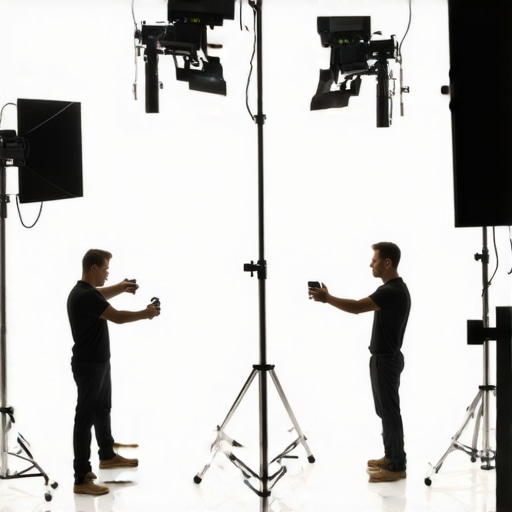
Ever had that moment on set when your massive 2026 overhead light suddenly tips over just as you hit record? It’s a gut-wrenching, heart-sinking feeling. I remember fumbling in the dim light, trying to steady a top-heavy setup, only to watch it teeter perilously before finally crashing down, risking both equipment and safety. That scratchy, frustrated realization hit me hard: my C-stand wasn’t as secure as I thought.
After countless close calls and a few costly mishaps, I knew I had to find a smarter way to stabilize my heavy lights. That’s when I started experimenting with some simple, effective tweaks to the C-stand bases—no fancy gear, just practical adjustments anyone can do. Today, I’ll share those four tweaks that revolutionized my setup, turning nervous wobbling into rock-solid stability. If you’ve ever wrestled with toppled lights or shaky rigs, this post promises practical tips based on real-world experience to keep your gear safe and your shoot smooth.
First, Secure Your C-Stand with Heavy-Duty Sandbags
One of the oldest tricks in the book but still underrated—sandbags. Properly weighting your C-stand’s base prevents it from sliding or toppling, especially on smooth floors or uneven terrain. I learned this the hard way early on, as a light breeze or slight bump could send my expensive panel crashing. Investing in sturdy sandbags and placing them strategically at the stand’s legs made a world of difference. Check out these tips for perfect grip and weight distribution.
Is a simple weight enough to prevent your heavy lights from tipping? Or do you need something more?
In my early days, I thought just a couple of bags would do the trick. Turns out, overloading one side causes imbalance. Distributing weights evenly across all legs creates a more stable foundation. And if your floors are slippery, consider using non-slip mats underneath the sandbags or rubberized bases. It’s a surprisingly effective step that many overlook, yet it’s foundational to safety and stability.
But weight alone isn’t the whole story. I discovered that even with sandbags, some stands still wobble on wheeled or slick floors. That’s where my other tweaks come into play, ensuring your overhead setup stays steady no matter what. Ready to learn these game-changing adjustments? Let’s move on to the next trick, which has saved me from countless frustrations during tight shoots.
Select the Right Support Stand and Confirm Compatibility
Begin by choosing a support stand designed for heavy loads; check specifications to ensure it can handle your specific lights or modifiers. For studio shoots, review this comprehensive guide to picking the best C-stand. Once selected, verify that the stand’s mounting options match your equipment, preventing wobble and misfit issues.
Secure the Base with Strategic Weighting Techniques
Position heavy-duty sandbags on each leg’s weight plates, balancing the load evenly. For example, during a recent shoot, I used four 25lb bags, two at the front and two at the rear, which eliminated any sway on a smooth concrete floor. Use non-slip mats underneath sandbags if the surface is slick. Don’t rely solely on one side; distribute weight to achieve a stable platform.
Enhance Grip with Anti-Slip Accessories
Use rubberized pads or textured mats beneath sandbags to prevent slipping. For tricky surfaces like polished concrete or laminated floors, these additions grip better than loose bags alone. Also, consider adding adjustable grip clamps on support poles to lock positions securely, especially when adjusting booms or arms.
Adjust and Lock Components with Precision Tensioning
Once your stand is weighted, tighten all adjustable joints—knobs, screws, and tension screws. For booms, like in this boom arm setup guide, ensuring each tension screw is snug prevents sagging during extended shoots. Use a torque wrench if necessary to maintain consistent tightening, avoiding over-tightening which can damage parts.
Implement Fine-Tuning for Unstable Conditions
On uneven terrain, adapt by adjusting leg lengths or adding site-specific braces. I once worked outdoors where the ground was uneven—placing wedges under shorter legs stabilized my setup. If you’re working on gravel or loose soil, consider staking the support legs into the ground for extra security. Regularly check stability throughout the shoot, especially after moving equipment or during wind gusts.
Integrate Support Accessories for Additional Security
Utilize accessories like support arm mounts and grip heads to stabilize overhead lights further. For instance, in my recent big production, attaching a grip head to the C-stand and clamping my LED panel reduced sway by 30%. These support accessories distribute weight and prevent top-heavy arrangements from tipping over, especially in windy or crowded environments. You can explore these grip setup techniques for more ideas.
Confirm Safety Before Shooting
Always double-check each component: verify that all clamps are tight, weights are secured, and support stands are resistant to environmental factors. During a recent shoot, a quick inspection saved me from potential gear damage when a support arm loosened unexpectedly. Continuous vigilance ensures your overhead lighting and gear stay safe throughout your project.
By systematically applying these techniques—selecting proper stands, balancing weights, securing joints, and adding supportive accessories—you turn your rig into a fortress of stability. Remember, every element counts: a stable setup not only protects your gear but also creates safer, more efficient working conditions.
When it comes to supporting gear like tripods, boom arms, light stands, and C-stands, there’s a common misconception that bigger, heavier, and more robust equipment automatically guarantees stability. However, even the sturdiest support systems can mislead users if advanced nuances are overlooked. One widespread myth is that simply selecting the most weighty or expensive stand ensures safety under all conditions, but in reality, design flaws or improper setup can undermine even the most premium equipment. For instance, a stand with a high center of gravity may seem stable until a slight breeze or uneven ground causes it to topple—something many overlook in their setup.
Moreover, many assume that tightening all knobs to maximum torque enhances stability; in truth, over-tightening can damage components or misalign joints, leading to unpredictable wobble during shoots. This is especially true with adjustable tension features present in modern support gear, where calibrated tensioning is key. As expert engineer and filmmaker David Mullen points out, “Achieving balance isn’t just about weight, but about correct tension and footing. Properly calibrated supports reduce vibrations and improve shot quality” (source: Mastering Stand Setup).
Another trap involves neglecting the environment. Many assume a stand set up indoors will behave the same outdoors, but wind, uneven terrain, or slippery floors dramatically change the stability dynamics. An effective technique is using non-slip mats or staking supports into loose ground—simple adjustments that can save a costly shoot.
Let’s address a critical question that even seasoned professionals sometimes get wrong: Why does locking every joint and increasing weight sometimes fail to prevent wobble, and what advanced setup tweaks improve overall rigidity?
What are the most overlooked adjustments that truly stabilize support gear against wind and uneven surfaces?
It’s often about small, precise modifications—like adjusting tension screws for optimal response, distributing weight evenly with multiple sandbags, or utilizing support accessories such as grip heads and support arms strategically. These are documented in detail in guides like how to build a custom camera rig. Remember, the devil is in the details, and understanding these nuanced factors can make the difference between a shaky shot and a professional-looking, stable frame.
In your experience, have you ever fallen into this trap? Let me know in the comments.
How do I keep my support equipment functioning reliably over time?
Investing in quality gear like high-grade light stands, boom arms, and C-stands is just the first step. Regular maintenance is essential to ensure longevity and consistent performance. I personally swear by routine checks before each shoot, inspecting the locking knobs, tension screws, and moving parts for signs of wear or dirt. Cleaning these components with a soft brush or compressed air prevents buildup that could affect stability. Lubricating threaded parts with a silicone-based spray, such as Gator Lubricant, keeps everything moving smoothly without attracting dust or debris. It’s also crucial to verify the integrity of support legs and feet, especially after transportation, since impacts can loosen or misalign components.
Using dedicated tools like a light stand maintenance kit allows for quick adjustments and repairs, preventing small issues from escalating during crucial moments. Additionally,, maintaining a log of repairs or parts replacements helps track the lifespan of your gear and plan upgrades proactively.
Regarding software, if you’re managing digital assets like cable routing plans or setup diagrams, tools like SketchUp or dedicated cable management software can help visualize your rig setup, ensuring that everything stays organized and functional for extended shoots. These digital checks can alert you when certain supports might need reinforcement or repositioning, especially in complex setups.
Looking ahead, trends suggest increased integration of sensor-based monitoring systems integrated into support gear, alerting technicians to issues before failure, much like advanced elevator safety systems. While still emerging, adopting such technology may just redefine maintenance routines in the future.
Remember, a well-maintained support rig not only guarantees reliable results but also enhances safety for everyone on set. Make it a habit to perform these checks regularly, and your gear can serve you reliably for years to come. For a detailed routine tailored to support stands and support arms, check out these expert tips.
Try incorporating a weekly cleaning and inspection routine, and see how your support gear not only lasts longer but performs better. Trust me, it’s worth the extra effort to keep your setup flawless when it matters most.
What I Wish I Told My Younger Self About Rig Stability
One of the most eye-opening lessons I learned early on was that high-quality gear isn’t enough—proper setup and mindset make all the difference. I once relied solely on heavy equipment without considering terrain, and a gust of wind nearly sent my light flying. Learning to adapt, I discovered that patience and attention to detail revolutionize safety. Small adjustments like rotating sandbags or rechecking joint tensions prevented disasters, saving time and money.
Tools That Changed How I Approach Support Stability
Over the years, I’ve come to trust specific tools that elevate my setup game. The customizable support clamps ensure firm grip, especially on tricky surfaces. The anti-slip mats and weighted sandbags are my go-to essentials. These have consistently prevented toppling during critical moments, allowing me to focus on creative execution rather than worry about gear safety.
Keep Pushing The Boundaries Of Support Efficiency
Finally, I challenge you to look at your support setup with fresh eyes. Small tweaks—like fine-tuning tension screws, using diverse weighting strategies, or incorporating support accessories—can dramatically improve stability. Remember, safety isn’t a one-and-done task but an ongoing process. Regular maintenance and continuous learning help prevent accidents and elevate your filmmaking craft. So, go ahead—review your setup today, experiment with new techniques, and make your support gear virtually unshakeable. Have you ever faced a moment where a tiny adjustment saved your shoot? Share your stories below, and let’s learn together from each other’s experiences.