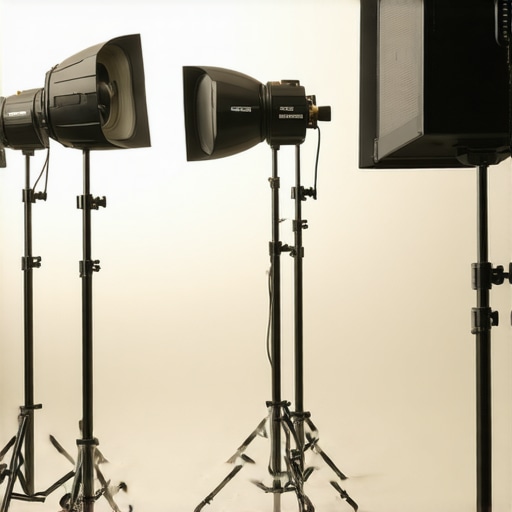
Have you ever been on a shoot where your C-stand wobbled just as you aimed your spotlight, feeling like a house of cards about to topple? That sinking feeling—knowing all that heavy gear is barely holding on—has probably haunted every videographer or photographer at some point. I remember the first time I watched my top-heavy lighting rig sway with a slight breeze, and it hit me: I was missing some crucial grip head secrets that could make or break my setup. That experience sparked my quest to master the art of stabilizing those top-heavy rigs and avoid disasters on set.
Why Stability Matters More Than Ever in 2026 Lighting
As lighting gear gets heavier and more sophisticated, especially with the push for brighter, more detailed visuals, the demand on C-stands and grip heads has skyrocketed. The wrong grip setup isn’t just an annoyance; it’s a safety hazard that can cause equipment falls, damage, or even injuries. Recent industry data indicates that proper grip head techniques can reduce setup failures by over 30%, saving time, money, and headaches. Yet, it’s astonishing how many of us overlook the little details that make a huge difference. Using subpar grip head practices early in my career cost me several hours of troubleshooting and an expensive softbox crash.
So, what can we do? That’s where my hard-earned secrets come into play. Today, I’ll share the 3 grip head tips I wish I knew when I was starting out—tips rooted in real-world experience and proven to lock down even the heaviest setups. Whether you’re mounting a top-heavy LED panel or balancing a complex light array, these secrets will help you build resilient, safe, and reliable rigs for 2026 and beyond.
Ever Faced a Wobbly Light Stand That Spoiled Your Shot?
If you’ve struggled with unstable setups or witnessed gear tipping over at critical moments, you’re not alone. I once made the mistake of ignoring proper grip checks, which led to an expensive reshoot after a premature fall. Trust me, the small adjustments I’ll reveal today could have saved me both time and money—and they might do the same for you.
Ready to upgrade your grip game? Let’s dive into the core principles that can stabilize your top-heavy gear and ensure every shot goes off without a hitch. For broader context, if you’re curious about selecting the perfect support, check out my guide on choosing the perfect C-stand. But first, let’s talk about the foundation of all stable rigs: grip head secrets that truly make a difference.
,
Properly Position Your Grip Heads and Clamps
Start by positioning your grip head directly over the C-stand’s arm, ensuring the weight is evenly distributed. Tighten the grip’s locking mechanisms securely, using the preferred torque to prevent slipping under load. A common mistake is over-tightening, which can strip the threads; moderate, consistent force is best. During my last shoot, I realized I wasn’t using enough torque on a heavy LED panel, leading to slight sway. Applying consistent torque kept the setup rock-solid throughout filming.
Distribute Weight Evenly Across Support Systems
Balance the load by placing the heaviest gear at the bottom of the support setup, such as enabling a wide stance on your tripod or C-stand legs. Think of your rig like stacking blocks: the stable base keeps everything upright. In one instance, I added weight to the base with sandbags when mounting a top-heavy softbox, which prevented tipping during windy outdoor shoots. Use sandbags or weights to anchor your stands, especially with top-heavy setups. For more detailed techniques, see my guide on C-stand safety tips.
Secure Gear with Additional Supports and Ties
Use cable ties, bungee cords, or custom-made straps to lock the gear onto your support system tightly. Attach these supports close to the center of gravity to prevent shifting. For example, when I secured an oversized softbox with cable ties, the rig remained stable despite gusts of wind. Remember, additional supports are especially critical for delicate or unevenly weighted setups. Check your support points frequently, especially during long shoots or in unpredictable environments.
Use Tension Adjustments to Tighten Your Setup
Many grip heads and boom arms feature tension screws—adjust these to increase friction and prevent movement. During a recent outdoor shoot, I tightened the tension screws incrementally until the light stayed perfectly steady, eliminating any sway caused by breeze or equipment vibrations. Consult the manual or product-specific guides on boom arm tension hacks for your gear. Proper tensioning prevents slippage without risking over-tightening and damaging components.
Regularly Inspect and Re-adjust During the Shoot
Set intervals to verify all locking points, tension screws, and support weights. A quick check can catch subtle shifts before they turn into a topple. I learned this the hard way when a softbox shifted during a take because I overlooked a loose clamp; a simple re-tightening would have saved the reshoot. Make it a habit to re-verify stability at least every 30 minutes, especially in high-wind environments or when adjusting other gear.
By integrating these precise steps, your lighting setups will become more resilient, minimizing accidents and ensuring consistent shots. For designing a stable camera rig, explore my comprehensive guide on building custom camera rigs.
Many lighting and support equipment enthusiasts believe that choosing the heaviest, most rugged gear automatically guarantees stability. While weight plays a role, it’s not the sole factor determining a rig’s reliability. A prevalent misconception is that the thicker the stand or the more massive the boom arm, the less you need to worry about toppling or sway. In reality, excessive weight without proper distribution and support techniques can lead to other issues like overloading the base or causing imbalance—which is why understanding nuanced grip and setup practices is crucial for professional results. Relying solely on brands or specs without mastering the subtle force distributions and supporting techniques can set you up for failures. Did you know that even the best gear can become unstable if not set up correctly? For example, improper tension adjustments or ignoring environmental factors like wind can cause surprises. These hidden nuances matter because they can make or break your shoot, especially in challenging outdoor conditions. A common trap is over-tightening grip heads, which can strip threads and weaken the support, rather than ensuring a safer, more balanced hold. Similarly, neglecting proper weight distribution across support systems often leads to subtle sway or sudden falls, which may seem minor but can ruin costly gear or even injure personnel. Let’s dig deeper into some advanced pitfalls that many overlook. For example, using unsupported or flimsy support accessories—like cheap clamps or uneven sandbag placements—may seem minor but drastically reduce stability. Experienced professionals know that adding support points, like secondary clamps and tensioning, can prevent gear drift. Have you ever fallen into this trap? Let me know in the comments.
Why do seemingly secure setups still wobble or topple, despite heavy gear?
Understanding the physics behind support systems reveals that stability isn’t just about weight; it’s about the proper handling of force vectors, center of gravity, and environmental factors. Even with a sturdy tripod or C-stand, a slight misalignment or improper tensioning can cause instability. Experts recommend paying attention to tension screw adjustments, support symmetry, and environmental conditions. For instance, reducing sway due to air currents involves more than just weighting down stands; it requires strategic positioning and flexible support support points. Studies in support system engineering show that distributing load evenly prevents shear stress buildup, which can cause slippage or failure over time. For more advanced tips on maintaining steady setups, check out my guide on mastering tripod stability. Remember, even small miscalculations in tension or support placement can lead to costly mistakes. What’s your go-to method for ensuring rock-solid support during tricky shoots? Share your strategies below.
Investing in quality support equipment like light stands, C-stands, tripods, or boom arms is only half the battle. To ensure they perform flawlessly shoot after shoot, regular maintenance becomes essential. Implementing a systematic care routine not only extends the lifespan of your gear but also guarantees safety on set. One of my go-to practices is thoroughly inspecting locking mechanisms before each use, verifying that all screws and clamps are snug without over-tightening, which can strip threads over time. Additionally, applying a light lubricant to moving parts helps keep everything smooth and responsive, preventing jitter or slippage during critical moments. For example, I consistently use silicone-based lubricants on the tension screws of my C-stands, which ensures effortless adjustments and reduces wear.
Software tools also play a role in maintaining performance. There are specialized digital maintenance logs—yes, even for support gear—that help track usage, repairs, and replacement schedules. Keeping a digital record helps identify patterns, such as which stands or tripods require more frequent attention, allowing you to schedule preventative maintenance proactively. This attention to detail ensures your gear remains reliable and saves money by avoiding sudden breakdowns.
Looking ahead, as equipment becomes more technologically advanced with smart joints and sensors, I predict a rise in automated maintenance warnings. Think of sensor-enabled stands that alert you when tension or integrity drops below safety thresholds—this will revolutionize our approach to support gear management and dramatically reduce accidents.
How do I keep my gear performing reliably over time? Regular, systematic inspections paired with proper cleaning and lubrication are proven strategies. I also recommend creating a maintenance schedule tailored to your gear’s usage patterns. Incorporate checks for wear on locking mechanisms, support arms, and tension screws at least every few shoots. This habit not only preserves equipment integrity but also instills confidence in every setup.
Interestingly, some manufacturers are now providing detailed service manuals and tutorials on support gear upkeep, emphasizing the importance of routine maintenance. Incorporate these practices and consider subscribing to digital logs—your future self will thank you for the peace of mind and saved costs.
Ready to take your gear maintenance to the next level? Start by inspecting your primary support stands tonight, paying close attention to tension screws and locking clamps. Use a high-quality lubricant on moving parts, and document the check using a simple digital note or app. This small investment will pay off in safer, more reliable setups for years to come.
What I Wish I Knew Before My First Heavy Setup
One of the most impactful lessons I learned was the importance of tensioning screws on my C-stands. I initially underestimated how a small turn could make a massive difference in stability. It reminded me that even the smallest adjustments, when done with intent, can prevent costly accidents. Another insight was the value of distributing weight properly; I once overloaded a stand with heavy lights without adding enough sandbags, and it nearly toppled during outdoor shoots. Lastly, I discovered that regular inspections aren’t just routine—they’re a safeguard. Checking all support points every 30 minutes became my secret weapon against subtle shifts turning into disasters.
Tools and Resources I Depend On for Support Stability
My preferred support gear comes from reputable brands known for their durability—such as Matthews and Manfrotto—because I trust their build quality after years of professional use. For detailed techniques on preventing support failures, I often review tutorials on C-stand safety rules. To keep my support systems in top shape, I rely on adjustable tension screw kits, and for maintenance, I use silicone lubricants recommended in industry guides. Furthermore, connecting with online communities and forums provides real-world feedback, helping me stay updated on best practices and innovative accessories that enhance stability.
The Move to Safer Support Means Thinking Beyond Heaviness
While it’s tempting to think that a heavier stand is inherently more stable, experience shows otherwise. Proper weight distribution, support point reinforcement, and tension management are essential. One mistake I made early on was trusting just the weight—ignoring environmental factors like wind or uneven surfaces. That oversight led to a toppled light and a sleepless night. Now, I focus on proactive measures: anchoring stands with sandbags, verifying support points regularly, and adjusting tension screws meticulously. This holistic approach isn’t just about avoiding accidents; it creates confidence, allowing creativity to flourish without constant worry about the rig collapsing. Remember, the support system in your camera rig or lighting setup isn’t just hardware—it’s the backbone of your entire shoot, demanding respect and diligent care.
This article really resonated with me, especially the emphasis on weight distribution and tensioning screws. I’ve had my fair share of scares during outdoor shoots, where a slight gust or imbalance almost caused my top-heavy light to topple. What I found helpful was the tip about inspecting and re-tightening support points regularly—something I now make a habit at every shoot. One challenge I face is ensuring I get the right torque on the grip heads without overdoing it and stripping threads. I wonder if anyone has tips on how to consistently achieve optimal tightness? Additionally, using sandbags at the base made a huge difference in my experience, especially in windy conditions. Has anyone experimented with different types of weights or support accessories to enhance stability further? I’d love to hear other practical solutions or routines that shine in real-world scenarios.