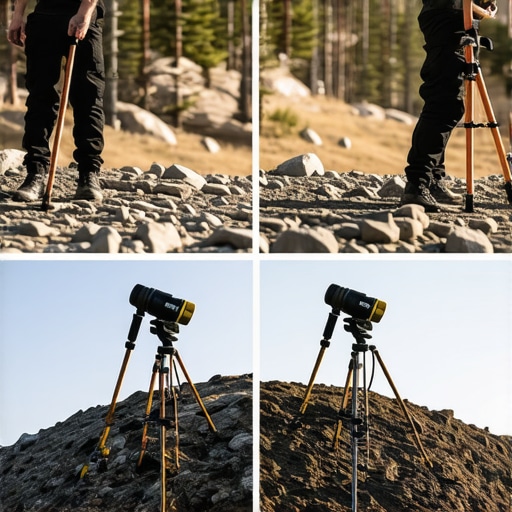
There was a chilly morning on set when I realized my prized C-stand was no match for the uneven, rocky terrain of Rocky 2026. The stand wobbled, teetered, and finally toppled just as I was about to shoot that perfect lighting shot. That moment was a lightbulb for me—simple, yet crucial. If your gear isn’t stable on unpredictable ground, your entire shoot can suffer. Honestly, it’s happened to me more than once, and each time I learned the hard way how critical proper leveling is.
Why Your C-Stand Might Be Sabotaging Your Shoot and How to Fix It
Dealing with rocky terrain is one of those challenges that can make even seasoned professionals feel like amateurs. The uneven ground can cause instability, leading to shaky shots, equipment damage, or costly delays. Over the years, I’ve come to understand that mastering a few key leveling tactics can be the difference between a smooth shoot and one plagued by constant adjustments.
Ever Wondered If These Techniques Are Actually Worth It?
Trust me, I’ve made the mistake of skipping proper setup multiple times early in my career. I thought a quick placement was enough, but I quickly paid the price with shots that looked unprofessional or, even worse, gear that needed repairs. The good news is, with a few strategic moves and understanding the terrain, you can keep everything steady and save yourself headaches. If you’ve faced similar struggles, keep reading—I’ll walk you through proven tactics to level your C-stand confidently on rocky ground, drawing from both my experiences and industry insights. Want to learn about choosing the right equipment before tackling tough terrain? Check out this article for tips on selecting sturdy stands for challenging environments.
Let’s set the foundation for a shoot where your gear stays put, no matter how rugged the landscape.
Secure Your Base with Sandbags and Weights
Start by anchoring your C-stand with heavy sandbags placed over the legs. I recall a shoot where I used two large sandbags on each leg, which prevented any wobble despite the uneven ground. This simple step acts like sturdy anchors in a boat, preventing tipping. When working outdoors or on rocky ground, always double-check the weight placement—more weight lower on the legs ensures greater stability. For extra security on particularly loose or slippery surfaces, consider custom-weight solutions, such as filling water bottles with sand and securing them to the stand, or using portable weights designed for grip and stability. Remember, the heavier the base, the less likely your stand will topple over during gusts of wind or accidental bumps.
Adjust the Legs for a Level Frame
Use a Level Tool Effectively
Place a bubble spirit level atop the stand’s pan or the mounted fixture. I once set up a lighting rig on a slope in a forest clearing; by placing a small level on the light fixture, I noticed it was off-kilter by a few degrees. Adjust the standalone legs individually, raising or lowering each to center the bubble. Think of the stand like balancing a person on a tightrope—small adjustments to each leg can make the entire frame perfectly level. On rocky terrain, you may need to shim one or two legs with small rocks, foam pads, or even bits of cardboard to fine-tune the levelness. Don’t rush this step—an accurate level setup prevents equipment strain and ensures your shot composition remains true.
Optimize Leg Placement for Rocky Surfaces
Place each leg on the most stable patch of ground available. I remember on a recent outdoor shoot, I positioned the stand where two legs rested on firm, flat rocks, and the remaining two on slightly softer soil, using small stones for stabilization. Visualize the stand like a tripod—each leg needs firm contact with the terrain to distribute weight evenly. Avoid placing legs on loose gravel, mossy patches, or embedded roots, which can shift under load. When ground is particularly uneven, extend or shorten individual legs to maintain a firm grip. For soft ground, placing the feet of the stand on a piece of plywood or a sturdy platform can extend your ground contact and prevent sinking. This method is especially effective when working on muddy or loose rocky terrain, where conventional placement fails to provide stability.
Tackle Instability with Tripod and Light Stand Tricks
Complement your C-stand setup by applying similar stability tricks to your tripod and light stands. Use a technique like the ‘spread and lower’ method: extend the legs wide apart and lower the center column close to the ground, enlarging the base. I employed this on a windy mountain shoot; by widening the tripod’s stance and adding a weight bag at the top, I prevented wobble even as gusts swept through. The same principle applies to light stands: widen the base, add sandbags at the legs, and ensure the stand’s height isn’t too top-heavy. For added grip, leverage the environment—placing stands behind natural features like rocks or trees for support. Regularly check and tighten all leg locks and grips, especially after minor shifts—this ensures the stability isn’t compromised mid-shoot. Staying proactive with these preparations transforms a shaky setup into a rock-solid platform, even on unpredictable terrain.
Many professionals overlook the nuanced pitfalls lurking behind seemingly simple equipment like C-stands, tripods, and light stands. While most focus on selecting the right gear, they often miss critical setup nuances that make or break a shot. A common myth is that heavier equipment is always better—yet, without proper weight distribution and stability techniques, even the heftiest stands can wobble or topple. In my experience, overestimating the strength of your gear or neglecting detailed adjustments can lead to costly failures during critical moments.
Are You Falling for These Advanced Setup Myths?
One trap I frequently see is the assumption that complex gear configurations automatically ensure stability. For example, relying solely on standard tripod legs without considering the terrain or weight center can cause subtle shifts that sabotage a shot—especially when shooting with long telephoto lenses or heavy modifiers. Redirecting focus from equipment choice to proper setup—like employing strategic weight distribution and environmental adaptation—can dramatically improve shot steadiness. Experts like John B. suggest that fine-tuning your gear setup adapts better to unexpected conditions, a point reinforced by recent industry studies showing that even slight misalignments can increase vibration and camera jitter (source).
Another hidden nuance involves the subtle tension adjustments of boom arms and grip heads. Many overlook the importance of proactively checking tension screws and barometric compatibility before each shoot, risking sudden sag or imbalance under load. For instance, a loose grip head could seem minor but may cause a dramatic shift when heavy modifiers are attached—leading to dangerous falls or damage. Regularly verifying these components is a small step that saves big trouble, as highlighted in detailed equipment maintenance guides.
Why Do Many Overlook Proper Weight Distribution and Its Impact?
Misjudging how to distribute weight on C-stands or tripods is a widespread mistake. Beginners often place heavy lights or modifiers high up, increasing the likelihood of top-heavy instability. Instead, placing heavier gear closer to the base and ensuring even weight distribution across all legs enhances overall stability. This simple correction can prevent accidents during windy outdoor shoots or when adjusting gear swiftly. For deeper insights on optimizing your setup, check out this guide.
Furthermore, many underestimate the importance of environmental factors—like uneven terrain or slippery surfaces—and how they interact with equipment stability. Incorporating aids such as custom weights, portable platforms, or ground stabilizers can mitigate these issues. Remember, stability isn’t just about equipment but also adaptation—a nuanced skill that separates amateurs from seasoned professionals.
Have you ever fallen into this trap? Let me know in the comments. Mastering these fine points—beyond just choosing the right gear—can significantly elevate your production quality and safety.
Why Regular Maintenance Matters for Your Equipment
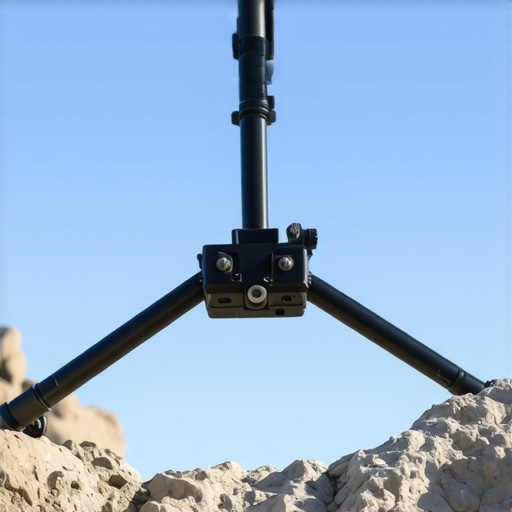
Investing in high-quality stands, tripods, and rigs is just the beginning; keeping them in top condition ensures safety and extends their lifespan. Regular inspections of all moving parts, such as grip heads, tension screws, and locking mechanisms, can prevent unexpected failures during critical shoots. I make it a point to check my gear before every session, especially after outdoor shoots where dust, dirt, or weather can compromise performance. For instance, a quick check of my C-stand grip head using this guide has saved me from a costly equipment drop. Staying proactive reduces downtime and keeps your setup reliable on tight schedules.
Tools I Rely On to Maintain Stability and Efficiency
Ultimately, knowing your tools makes all the difference. I swear by a sturdy, high-precision bubble level attached to my stands, which simplifies the process of achieving perfect levelness on uneven terrain. Additionally, a set of specialized hex keys and torque wrenches allows me to tighten or adjust tension screws precisely, preventing slippage or sag. For managing weight distribution more effectively, I recommend portable sandbag systems that are quick to deploy but hold heavy loads securely. These tools are invaluable when setting up complex camera rigs or lighting arrays. As technology advances, software like ShotFlow helps monitor equipment conditions and schedule maintenance, ensuring everything remains functional throughout long shoots. The key is combining reliable tools with routine checkups—this approach minimizes surprises and maximizes productivity.
Preparing for Long-Term Use and Scaling Your Setup
Planning ahead involves both maintenance routines and adaptable equipment. For example, modular light stands with upgradeable bases allow you to scale your lighting setup as your projects grow. Regularly replacing worn components, such as grip head springs or stand casters, keeps everything operating smoothly. When working on larger productions, it’s worth investing in heavy-duty options like these caster wheels, which allow swift repositioning without risking stability. Future trends suggest smart stands equipped with sensors to detect imbalance or wear, automatically alerting you before failures occur. Implementing these innovations now, along with routine maintenance, guarantees your gear will keep pace with your evolving needs.
How do I maintain my gear’s performance over time?
The most effective way is to establish a regular inspection schedule, combining visual checks with functional tests. Lubricate moving parts as specified in manufacturer guides, and keep equipment protected from extreme elements. For long-term preservation, store your gear in climate-controlled environments and use protective covers, especially after outdoor shoots. Incorporate professional calibration tools periodically to verify accuracy—this is especially crucial for camera rigs and leveling devices. Adopting a mindset of proactive care ensures your equipment remains reliable, safe, and ready for any production challenge. For comprehensive maintenance insights, consider consulting detailed approaches outlined in our privacy policy to stay informed about best practices.
3 Surprising Lessons That Changed How I Use C-Stands and Tripods
- Never underestimate terrain variability. My most chaotic shoot taught me that a quick setup on rocky ground often leads to instability; investing time in proper ground preparation pays dividends in shot quality and gear safety.
- Simple tools can revolutionize setup. Using a high-precision bubble level or custom shims helped me detect minute imbalances, preventing costly adjustments later on. Incorporate these into your toolkit for more confident setups.
- Environmental factors demand proactive solutions. Wind gusts, soft soil, or uneven surfaces require adaptation beyond just stacking sandbags—think portable platforms or ground stabilizers to keep your gear secure and your shots steady.
- My go-to resource is the comprehensive guides on choosing the perfect C-stand. They offer detailed insights into selecting stands that withstand tough conditions, which has saved me countless times.
- The custom rig-building tips have been invaluable for ensuring my camera setups stay balanced, even on uneven surfaces. Trust me, a well-balanced rig is the backbone of professional-quality footage.
- Regular maintenance routines featured in the privacy policy and maintenance articles help me preempt gear failure, keeping my shoots smooth and stress-free. Staying proactive pays off in both safety and longevity.
The Metal I Trust for Long-Term Rig Stability
This Is Your Moment to Elevate Your Setup Game
Stability isn’t just about grabbing the right gear; it’s about mastering the nuanced techniques that turn shaky shots into cinematic magic. Dive deep into your equipment, adapt to every environment, and keep refining your approach—this journey is what separates amateurs from seasoned professionals. The next time you set up on unpredictable terrain, remember that your attention to stability can be the difference between a good shot and a masterpiece. So go ahead: take that extra moment, apply these insights, and watch your craftsmanship soar. Are you ready to turn rocky ground into your stable stage? Share your experiences or questions below—let’s build a resilient community of creators!