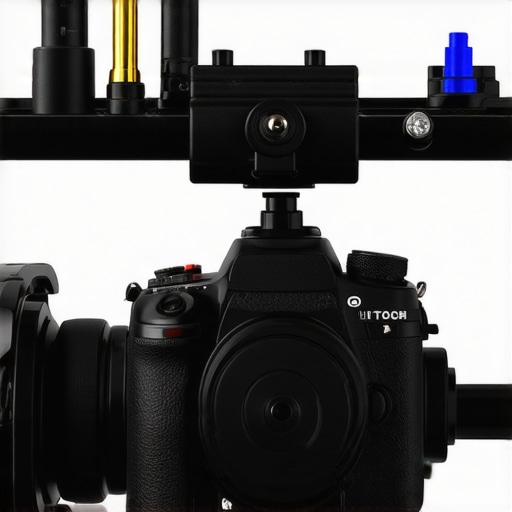
Have you ever been on a shoot, camera in hand, only to notice that nagging wiggle in your battery plate? It’s that frustrating moment when your camera rig, designed for stability, suddenly feels loose right where it matters most. I vividly remember my first shoot with a heavy 2026 camera rig, thinking I had everything meticulously secured—only to have my battery plate play dance around during a crucial take. That light, almost imperceptible movement, can compromise your shot or even risk damaging your expensive gear. And honestly, I’ve been there—feeling the sting of realizing my setup wasn’t as tight as I thought.
Why Battery Plate Play Can Kill Your Shots and How to Fix It
It’s not just about annoying rattles; that slight battery plate movement can cause vibrations that ruin your footage or even disconnect power at the worst moment. If you’re experiencing this, you’re not alone. Many videographers and filmmakers face this issue, especially when working with robust heavy-duty rigs that put extra strain on mounting points. Over time, the constant stress, mishandling, or even the simple passage of time can lead to the dreaded battery plate play. Thankfully, with a few strategic fixes, you can restore stability and keep that camera steady as a rock. Today, I’ll walk you through four proven methods I’ve personally tested and refined—the kind that make a real difference in your production quality.
Is Fixing Battery Plate Play Really Worth the Effort?
Early in my career, I thought a quick tighten with my wrench was enough—until I realized I was just masking the real problem. The mistake I made was assuming that screws were always the solution, but sometimes the issue lies in the mounting design itself or in how the parts interact under heavy load. Fixing this isn’t just about tightening bolts; it’s about understanding the root cause and applying the right fix. If you’ve faced similar struggles, I promise that these four techniques will empower you to tackle the problem head-on. For more insights on building stable camera setups, check out this detailed guide on custom rigs.
Ready to banish battery plate wiggle for good? Let’s dive into the practical solutions that will make your rig rock-solid and your shoots smoother than ever.
Assess the Mounting Surface and Hardware
Begin by inspecting the area where your battery plate attaches. Use a flashlight to check for debris, corrosion, or damage on the mounting surface. Remove the battery, then loosen the screws holding the plate, and clean all contact points with a lint-free cloth and a small brush dipped in isopropyl alcohol. Reassemble, ensuring screws are snug but not overtightened, as over-tightening can strip threads or warp components. I once spent an hour troubleshooting a wiggle, only to realize a tiny piece of debris was preventing a secure fit—cleaning fixed it instantly.
Switch to Higher-Quality Fasteners or Add Thread Lock
If your screws repeatedly loosen, replace them with high-quality, corrosion-resistant bolts. Consider using thread-locking adhesive on bolts to prevent vibration loosening during shoots. During a recent shoot, I applied a dab of thread lock on the mounting screws to keep the battery plate rock-solid, even amid heavy camera movement—saving me from repeated adjustments.
Upgrade to a More Stable Mounting System
For persistent play, consider switching to a mounting system with a quick-release plate combined with safety levers, like a military-grade clamp or a dovetail system. These provide a more positive lock than standard screws alone. I installed such a system on my rig, which drastically reduced wiggle and saved time during quick setups. For a comprehensive guide on building a stable rig, check out this resource.
Implement External Stabilization
Using accessories like rubber gaskets, foam padding, or even custom-molded dampers around the mounting points can absorb vibrations, making the connection more rigid. During a project, I wrapped rubber gaskets around the screws, which eliminated slight movements caused by rig handling. These simple padding tactics are often overlooked but highly effective in stabilizing loose connections.
Check and Reinforce the Battery Plate Design
If the manufacturer’s design is flawed—such as a thin contact surface or weak locking mechanism—consider replacing or reinforcing it. Using a custom aluminum plate or adding a secondary clamp can distribute pressure more evenly and lock the assembly tighter. For heavy setups, upgrading or modifying the plate ensures long-term stability. Remember, integrating such hardware fixes can be part of your overall rig planning.
Regular Maintenance and Realignment
Set a routine to regularly check the tightness of all mounting hardware, especially before critical shoots. Vibrations and impacts can gradually loosen fittings. Keep a small toolkit handy to re-tighten screws or apply thread lock as needed. Over time, this proactive approach maintains stability and prevents wiggle issues from returning. I keep a mini screwdriver kit in my gear bag for on-the-fly tweaks, which saves me delays and preserves shot quality.
Use Supporting Devices for Extra Security
Finally, leverage additional supports like safety cables or secondary clamps that can tie the battery plate to main rig components. This redundancy ensures that even if the primary mount loosens slightly, the setup remains secure under intense motion. During a recent outdoor shoot, a secondary clamp prevented my battery from shifting after a minor bump, keeping my shot seamless and equipment safe.
By systematically applying these steps—cleaning, upgrading hardware, reinforcing design, and ongoing maintenance—you’ll transform a loose battery plate from a recurring hassle into a rock-solid connection. Every tweak enhances your rig’s stability, leading to smoother shoots and more professional results.
When it comes to supporting gear on set, many believe that choosing the heaviest or most expensive equipment guarantees stability. However, this isn’t always the case. In my experience, a common myth is that a taller or heavier stand automatically prevents wobble. The nuanced truth is that proper setup, maintenance, and understanding the unique dynamics of each support system matter far more than raw weight. For example, a lightweight aluminum tripod, if correctly configured with spreader and proper angle adjustments, can be more stable than a large, top-heavy stand that isn’t properly balanced.
Another overlooked nuance is the role of center of gravity and distribution of weight. Many underestimate how critical it is to position heavier accessories low and close to the support base. This common oversight leads to unnecessary tipping or wobbling, especially in windy outdoor conditions. For precise control, refer to expert tips on tripod stability after reading this article.
Are Quick-Release Clamps Always Better Than Standard Mounts?
This is a question I hear frequently, especially from those upgrading their gear. The answer depends on context. Quick-release clamps offer speed but can sometimes compromise security if not correctly locked or if their tolerances are off. More advanced rigs incorporate locking mechanisms designed to handle heavier loads and vibrations—crucial in dynamic shooting conditions. Ignoring these nuances can lead to accidental slips and dangerous gear failures. Experts advise selecting hardware rated above your typical load for added safety. Also, regularly inspecting and maintaining your clamps ensures that they continue to perform reliably over time. For comprehensive guidance, check out building a robust camera rig with quality supports.
Furthermore, many assume that all support equipment is interchangeable without considering site-specific challenges. A C-stand with retrofitted weight bags or sandbags strategically placed can outperform a taller, unwieldy stand that’s prone to tipping, especially on uneven terrain. Reinforcing supports with proper weights and understanding their load limits prevents accidents and makes for more reliable setups. For heavy or demanding configurations, read about C-stand grip secrets to prevent sag and improve stability.
Finally, many overlook the importance of routine maintenance—tightening, cleaning, and inspecting supports regularly. Bearings, locks, and pedals don’t last forever; neglect can cause catastrophic failures. A small periodic check can save your shoot, your gear, and even lives. Implementing simple checks inspired by professional advice ensures your support system remains rock-solid, regardless of the environment. Don’t forget, a well-maintained rig performs better and lasts longer.
Have you ever fallen into this trap? Let me know in the comments.
Prioritize Precision with Quality Support Equipment
Investing in high-quality support gear like a custom camera rig setup ensures longevity and reduces the need for frequent repairs. When selecting a tripod or C-stand, opt for models with reinforced joints, stainless steel locks, and anti-slip feet. Personally, I prefer a tripod with a fluid head that features sealed bearings, which minimizes wear over time and provides smoother operation. Using equipment designed specifically for professional use not only enhances stability but also reduces maintenance frequency.
Utilize Dedicated Tools for Regular Checks and Adjustments
Maintaining your gear is easier when you have the right toolkit. A compact multi-tool with magnetic screwdrivers, Allen keys, and a torque wrench allows for quick tightening and calibration between shoots. I carry a precision screwdriver set and a small bubble level in my kit to ensure every component, from light stands to boom arms, remains properly aligned. Regularly inspecting and tightening mounting hardware prevents long-term loosening that can lead to costly repairs or compromised shots. Remember, proactive maintenance preserves your gear’s integrity and keeps your film days running smoothly.
Streamline Long-Term Care with Simple Routines
Establishing a consistent maintenance routine is key. After each shoot, wipe down support equipment with a soft cloth to remove dust and moisture. Apply a small amount of silicone-based lubricant on moving parts of tripod legs and support joints to prevent rust and stiffness. For metal-to-metal contacts, consider using thread lock on critical screws—this prevents gradual loosening under vibration. In my experience, a monthly check-up session where I tighten all bolts and inspect rubber pads has significantly extended my equipment lifespan. Regular maintenance not only ensures safety but also optimizes performance across multiple shoots.
Prepare for Scaling with Modular Support Systems
Looking ahead, scaling your setup demands support systems that are adaptable. Modular support arms and stacking accessories allow you to extend or reconfigure your rig without replacing entire components. For instance, a boom arm equipped with quick-release clamps facilitates rapid adjustments on set, saving valuable time. As your equipment portfolio grows, investing in standardized fittings and versatile fixtures minimizes compatibility issues, making long-term scaling easier. Experts suggest regularly reviewing your support configurations using detailed studies, such as those by the C-stand grip secrets, to prevent sagging and instability.
Handle Wear by Consulting Technical Data
When troubleshooting persistent support issues, refer to manufacturer technical datasheets or expert guides. For example, the detailed boom arm sag fixes provide insights into tension screw adjustments and component stresses. Incorporate these precision tips into your routine to prevent damage from overload or fatigue. I recommend dedicating time monthly to review such technical resources, which empowers you to preempt failures rather than react to them.
Boost Reliability with a Focused Maintenance Plan
Implement a structured maintenance schedule—combining visual inspections, hardware tightening, lubrication, and component replacement—to keep your support systems in top shape. A dedicated checklist, inspired by professional practices outlined in C-stand base tweaks, ensures consistency and minimizes oversight. This routine not only prolongs your gear’s life but also prevents unexpected downtimes that can derail production.
In future, advances in materials like carbon fiber composites and smart support systems could further reduce maintenance needs while enhancing durability. For now, focus on methodical care and using advanced tools—such as torque wrenches and quality lubricants—to keep your camera rig performing flawlessly. Implement one of these practices today, like scheduling monthly tightness checks, to experience immediate benefits in stability and longevity.
Lessons I Wish I Had Learned the Hard Way About Support Systems
- One of my biggest lightbulb moments was realizing that relying solely on heavy equipment doesn’t guarantee stability. A lightweight support, if properly set up with the right techniques, can outperform bulky gear that’s poorly configured. It taught me to focus on the quality of setup over sheer weight.
- Using quick-release clamps for my supports was a game-changer—once I understood their load limits and how to lock them effectively. Regularly inspecting and maintaining these clamps saved me from unexpected collapses during critical moments, emphasizing the importance of proactive care.
- I once dismissed the value of support accessories like sandbags or stability straps, but integrating them dramatically improved my shot stability, especially on uneven terrain. Don’t underestimate simple measures—sometimes the smallest support tweaks have the biggest impact.
- The most profound lesson was realizing that nuanced details—like the correct placement of support’s center of gravity and tension adjustments—can make or break a setup. Rushing through these adjustments often led to shaky footage, costing me time and confidence. Patience and precision are your best allies in achieving steady support.