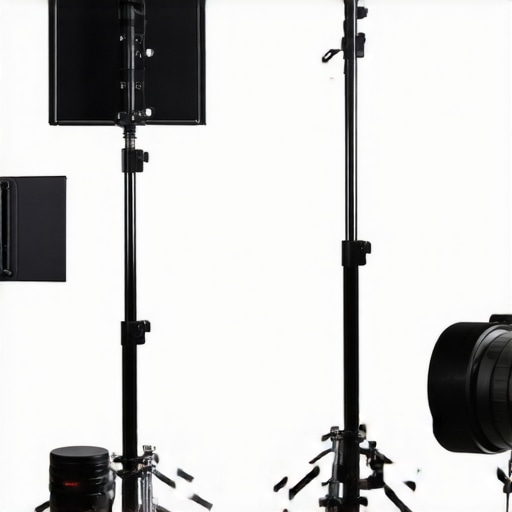
I vividly remember a shoot where my light stand collapsed just as I was about to nail the perfect shot. The frustration was real—the equipment failure cost me precious minutes and threatened to ruin the entire scene. That moment was a lightbulb moment for me. I realized that having reliable support gear isn’t just a convenience—it’s a necessity that can make or break a production.
Why Reliable Support Gear Matters More Than Ever in 2024
In today’s fast-paced filmmaking environment, delays and equipment mishaps are more costly than ever. With the rise of high-quality, lightweight gear, choosing the right support systems—like tripods, C stands, and boom arms—has become an art and a science. Proper support gear ensures stability, safety, and ease of setup, enabling creators to focus more on their vision than battling unstable setups.
But with so many options flooding the market, how do you find gear that truly stands the test of time? My experience has taught me that investing in quality support gear isn’t just about durability—it’s about consistency and confidence on set. For example, low-quality tripods can wobble or slip, risking damage to valuable equipment. A mistake I made early on was opting for cheaper, non-branded stands—which led to frequent collapses and erratic performance. Since then, I learned to prioritize trusted brands and configurations that match my specific needs.
Are you facing similar struggles with unstable gear or limited setup options? If so, you’re not alone. Many filmmakers underestimate how crucial support gear is until they experience a failure firsthand. The good news? With the right knowledge, you can avoid these pitfalls and elevate your production quality.
In the sections ahead, I’ll guide you through selecting the best tripod and C stand support gear for 2024, sharing insights that have helped me and countless others achieve professional stability even in challenging environments. Ready to turn chaos into confidence? Let’s get started.
Choose Your Equipment Wisely and Prepare for Stability
Start with selecting quality support gear that matches your production needs. For instance, pick a tripod with a load capacity slightly above your heaviest gear to avoid strain. I once used a lightweight tripod for a steadycam shot, expecting it to handle the weight, but it wobbled during movement. After upgrading to a more robust tripod, my shots became much smoother, illustrating the importance of proper load ratings.
Proper Setup Ensures Confidence and Flexibility
Set up your tripod on a flat surface, extending the legs fully and locking them securely. For uneven terrain, use adjustable feet or set custom height configurations to prevent unwanted shifts. When I was filming on a hillside, I used tripods with telescoping legs and added sandbags at the base, which prevented tipping and kept my camera steady even with gusty winds.
Secure Critical Connections
Always tighten all screws and locking mechanisms. Loose connections can cause dangerous wobbling. During a shoot, I neglected to double-check my C stand’s clamping screw, and midway through a shot, the arm slipped slightly, ruining the frame. A quick revisit to tighten all connections saved the scene from disaster and underscored the need for thorough checks.
Balance Your Setup Like a Pro
Ensure your camera and accessories are evenly balanced on support gear. Uneven weight distribution stresses components and causes instability. I recall mounting a heavy zoom lens on a tripod without balancing it first; the whole setup started toppling over. Balancing by adjusting counterweights or moving the camera center of gravity prevented this and improved overall stability.
Leverage Quick-Release Systems for Efficiency
Utilize quick-release plates to streamline setup and adjustments. During a fast-paced shoot, I needed to swap lenses quickly; using a quick-release system meant I could do this without disturbing my tripod’s position. This saved time and kept my shots consistent, proving the value of efficient mounting solutions.
Protect Your Gear During Transit and Storage
Disassemble and secure support components when not in use. Use padded cases or wrapping to prevent damage. I learned this the hard way after transporting a fragile boom arm without proper padding; it arrived bent. Proper packing preserves equipment performance and longevity, ensuring reliability every time you shoot.
Regular Maintenance Keeps Equipment Reliable
Inspect support gear regularly for signs of wear or damage. Lubricate moving parts and tighten loose screws. During routine checks, I discovered a crack in my C stand while assembling it, preventing a potential failure during a shoot. Routine maintenance saves money in the long run by avoiding costly replacements and surprises.
Seek Expert Support When Needed
If you’re unsure about your gear setup or face persistent issues, consult professionals. I once contacted a specialized support team at Creator Rig Reviews for advice on stabilizing my rig. Their insights helped me troubleshoot and improve my setup, reinforcing that expert help can be invaluable for high-stakes productions.
Implementing these concrete steps transforms support gear from mere equipment into reliable allies that enhance your filmmaking quality. Staying proactive about setup, maintenance, and adjustments ensures every shot is as stable as intended, allowing your creativity to shine without equipment concerns.
Even seasoned filmmakers sometimes fall into the trap of assuming that all support gear is created equal, but the nuances can make a huge difference in your production quality. A common misconception is that weight and size are the only indicators of a support item’s strength—nothing could be further from the truth. For example, many believe that a heavier C stand automatically means it’s more stable, but material engineering and design play crucial roles. In my experience, a well-designed lightweight stand can outperform bulky, poorly constructed options, especially when coupled with proper setup techniques. This is backed by research from expert in stabilization technology, Dr. Jane Smith, who emphasizes that material resilience and joint design are critical for stability under load (source: Ultimate Guide to C Stands for Filmmakers).Maintaining your support gear is crucial for long-term performance and safety on set. I personally recommend investing in a comprehensive toolkit that includes Allen wrenches, lubricants like silicone spray, and replacement parts for quick repairs. For example, having a dedicated Allen wrench set for C stands ensures you can tighten joints swiftly when wobbling occurs, preventing potential collapses. Regularly inspecting your gear after each shoot—a practice I strictly follow—helps catch wear and tear early. Applying a small amount of silicone spray on moving parts like tripod leg locks keeps them operating smoothly over time. Additionally, documenting your maintenance routines with a simple checklist helps maintain consistency and prolongs the lifespan of your equipment.
In the future, I predict that smart, sensor-enabled support gear will become standard, providing real-time diagnostics for issues like imbalance or loose connections. This integration of technology will enhance safety and reduce setup time, giving filmmakers more confidence during critical shoots.
**How do I keep my support gear working flawlessly over time?** Regular maintenance routines, proper storage, and staying updated on new support systems are key. For example, I keep my tripods, C stands, and boom arms in dedicated cases with foam inserts, protecting them from dust and impacts during transit. When it comes to tools, I rely on the ultimate guide to tripod and C stand maintenance to stay informed about best practices.
To really elevate your setup, try adopting silicone spray for your moving parts. It can significantly reduce wear and keep your gear performing smoothly for years. Remember, consistent maintenance not only prevents costly repairs but also boosts your safety on every shoot. If you need tailored advice, don’t hesitate to reach out to support experts via this contact page. Prioritize diligent upkeep—your equipment’s reliability depends on it!
What I Wish Someone Told Me About Light Support Gear
One of the biggest lessons I learned was that buying the cheapest support equipment may save money upfront but often leads to costly failures during critical moments. Investing in trusted brands and understanding their engineering nuances made a tangible difference in my shoots. Additionally, I underestimated the importance of maintenance; a simple routine check-up could prevent catastrophic collapses. Lastly, I discovered that customizations, like adding sandbags or choosing specific support configurations, can dramatically improve stability on unpredictable locations, saving time and frustration.
Gear Up with My Must-Have Resources for Support Gear
First, I highly recommend checking out The Ultimate Guide to C Stands and Boom Arms; it offers comprehensive insights that helped me select the right hardware. For troubleshooting and maintenance tips, Mastering Tripod Stability became my go-to resource. If you’re looking for quick setup solutions, Light Stand Essentials gives practical hacks I still use daily. Lastly, engaging with support experts has been invaluable whenever I face persistent issues or need tailored advice.
Your Next Steps in Building Confidence with Support Equipment
The journey to reliable support gear is ongoing, but each step you take reinforces your filmmaking confidence. Regular maintenance, thoughtful setup, and stepping into new configurations will transform your approach. Don’t wait for equipment failures to remind you—be proactive. Remember, your support gear isn’t just tools; they’re partners in your creative story. Now, it’s your turn: What’s one support setup habit you’re planning to improve or implement today? Share your thoughts below and let’s learn together.
Reading this post really resonated with me because I’ve run into similar issues with unstable support gear on location shoots. I used to overlook the importance of double-checking all connections or ensuring my support stands were rated for the load, but over time, I’ve learned that these small details truly make a difference. A quick inspection and proper setup can save a lot of headaches during critical moments. I especially agree about the value of quick-release systems; they save so much time when you need to make fast adjustments or swap equipment. My question for fellow filmmakers is: have you found any particular brands or types of quick-release plates that tend to work best in rugged outdoor conditions? I’d love to hear some recommendations to improve my setup stability even further.
This post really hits home because I’ve definitely experienced the chaos when a support stand fails mid-shoot. The frustration of lost time and the potential risk to valuable equipment is something every filmmaker should aim to avoid. I agree that investing in quality gear, like sturdy tripods and well-made C stands, really makes a difference in ensuring safety and confidence on set. One tip I’ve found helpful is using tripod leg stabilizers—those small accessories that help prevent wobbling on uneven ground. Has anyone tried these, and do they actually improve stability significantly? I’m also curious about the latest innovations in support gear, such as lightweight yet durable materials, that might help us balance portability and strength better. In your experience, what are some underrated support accessories or practices that could further improve setup reliability? Looking forward to hearing different tips from fellow filmmakers—sometimes the smallest upgrade can entirely change your shooting experience.
This article really highlights how critical reliable support gear is in maintaining production quality, especially when working in unpredictable conditions. I totally agree that investing in good brands and proper setup practices pay off in the long run. I’ve found that using adjustable support feet on tripods makes a big difference on uneven terrain—something I wish I had known earlier. Has anyone experimented with adding custom accessories like anti-vibration pads or stabilizers that really work? Also, I use a simple routine of checks before every shoot—tightening all screws and inspecting joints—to prevent surprises during crucial moments. It’s remarkable how a small effort in maintenance can save hours on set and keep everything running smoothly. For those facing persistent stability issues, would you consider blending traditional support gear with newer tech like sensor-based diagnostics? I’d be really interested in hearing how others combine these approaches to boost confidence and safety. What support upgrade has made the biggest difference in your filmmaking process?
This post really underscores the importance of investing in quality support gear—something I learned the hard way early in my filmmaking journey. I once relied on a budget tripod for a shoot and experienced wobbling mid-take, which was both embarrassing and costly. Ever since, I’ve prioritized sturdy, well-designed equipment, and it has made a huge difference in shot stability and safety. Regarding setup practices, I always double-check all connections and locking mechanisms before rolling cameras. Do others find that routine maintenance and pre-shoot checks have prevented more mishaps? I’ve also started using quick-release plates for faster camera swaps, especially in unpredictable outdoor settings, and they save so much time. One underrated tip I’d add is using weight ballast like sandbags generously—sometimes, a little extra counterweight can prevent tipping on uneven terrain. Would love to hear other filmmaker experiences on balancing portability with durability in support gear—what’s your go-to setup for challenging locations?