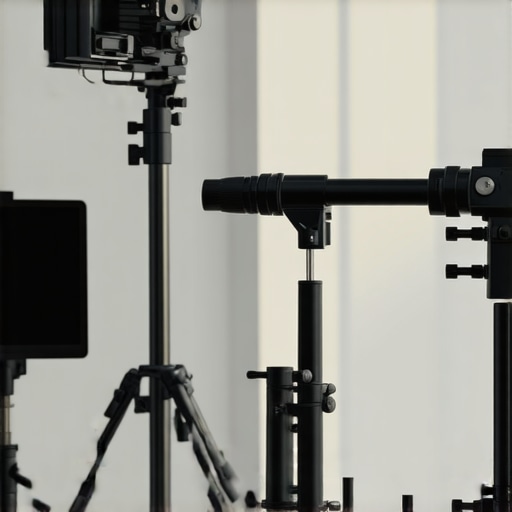
I remember the first time I set up a C stand on a busy location and watched my gear wobble, threatening to topple the entire shot. It was a lightbulb moment—if I didn’t get my support gear right, no amount of skill behind the camera could save the shot. That frustration turned into a quest to understand how to choose, set up, and use the best support equipment for filmmaking. Today, I want to share what I’ve learned so you don’t have to make the same rookie mistakes.
Why Your Support Gear Could Make or Break Your Shoot
Let’s face it, the difference between a smooth, professional shoot and a shaky, amateur hour often comes down to your support gear. Tripods, C stands, and boom arms aren’t just accessories—they’re the backbone of stable, reliable shots. When these tools fail or wobble, it shows in your footage, and worse, can ruin hours of work. I’ve been there, and I’ve learned that the right gear can save you from the chaos of unstable setups, especially on unpredictable locations or tight studio spaces.
Research shows that unstable support gear is one of the most common reasons for shot re-takes and reshoots (source: Creator Rig Reviews). That’s why investing time into understanding your options—like the best tripods, C stands, and boom arms—is crucial for every filmmaker aiming for professional results in 2024.
If you’ve ever struggled with gear that slips, wobbles, or just doesn’t hold steady, you’re not alone. I’ve made those mistakes early on, rushing to get a shot only to realize my support gear was a disaster. Trust me, I learned the hard way that choosing the right equipment and learning how to set it up properly makes all the difference. Want to avoid those pitfalls? Stick around, because I’ll walk you through how to pick the perfect support gear, with tips that will elevate your filmmaking game.
Is Support Gear Overhyped or Actually Worth the Hype?
When I first started, I thought, “How important can a tripod really be?” Turns out, it’s everything. A good tripod isn’t just about height and weight capacity; it’s about stability, quick setup, and durability. I once bought a cheap tripod that looked fine but wobbled every time I touched the camera—ruined a whole shoot. That mistake taught me to do my homework and invest in reliable, well-reviewed gear. If you’re skeptical about whether all this support gear hype is justified, I understand. But trust me, your footage will thank you.
Ready to learn how to choose the best support equipment? Next, we’ll go over the key factors to consider, from stability to portability, to make sure your gear works as hard as you do. For a deep dive, check out this guide on choosing the perfect C stand or explore tips for mastering tripod stability. Let’s get your support gear working for you, not against you.
Choose the Right Tripod for Stability and Ease
Start by assessing your filming environment. Will you be shooting indoors or on location? For versatility, opt for tripods that combine lightweight design with high load capacity. I once grabbed a cheap tripod for a quick shoot, only to find it wobbled every time I moved the camera. The lesson? Invest in a tripod with a reputation for stability. Check reviews and consider models highlighted in this list of top tripods for 2024. Ensure the tripod has adjustable leg locks, a smooth pan head, and rubber feet for grip on uneven surfaces.
Secure Your C Stand Correctly
Use a Sandbag for Extra Stability
Never set up a C stand without securing it. During a location shoot, I once used a C stand without a sandbag, and a gust of wind nearly knocked it over. Always place a sandbag or weight on the stand’s base, especially when holding heavy lights or modifiers. When you read this guide on C stands, you’ll find detailed tips on weight distribution and positioning for maximum safety.
Adjust the Knuckles and Arms for Balance
Position your knuckles and arms so the load is evenly distributed. For instance, I once struggled with a boom arm that kept slipping, because I didn’t tighten the knuckles properly. Tighten all locking points firmly, then test the stability before mounting your gear. Proper setup prevents wobbling and ensures the support holds steady throughout your shot.
Optimize Your Boom Arm Setup for Smooth Shots
Use a boom arm for overhead shots or to position lights precisely. When I used this guide to set up my boom arm, I learned to balance the load by adjusting the counterweights properly. Place the counterweight close to the stand’s base but ensure it’s heavy enough to counterbalance your gear. Tighten all clamps securely. Remember, a well-balanced boom arm minimizes sway and allows for smooth movement, critical for professional-looking footage.
Build a Custom Rig for Specific Needs
If standard support gear isn’t enough, consider building a custom rig. I once combined parts from different stands and arms, creating a setup tailored for a challenging shoot. Use this tutorial to design a rig that fits your exact requirements, ensuring stability and flexibility. Secure all joints tightly and test the setup thoroughly before recording.
Double-Check and Test Before Shooting
Always perform a quick stability test after setup. Slightly nudge the support gear to see if it wobbles or shifts. During my last shoot, I noticed a tripod was slightly loose, which I corrected before filming. This simple step can save hours of re-shoots. Once everything feels solid, you’re ready to shoot with confidence.
Many filmmakers, especially those new to the craft, tend to overlook the nuanced details of support equipment, assuming that any sturdy-looking stand or tripod will do. However, this oversimplification often leads to critical mistakes that can compromise shot stability and overall production quality. Let’s dig deeper into what most people get wrong about support gear and how understanding these nuances can elevate your filmmaking game.
Why Believing All Support Gear Is Created Equal Is a Trap
One of the most common misconceptions is that support gear is just about holding your camera or lights. The reality is, the quality, design, and setup of support equipment directly impact shot stability. For instance, many assume a lightweight tripod is sufficient for all scenarios, but in practice, a tripod that isn’t designed for high load capacity can wobble or even collapse under stress. This mistake can be costly, causing re-shoots or damaged gear. Always consider the specific demands of your shoot and choose equipment accordingly. For detailed guidance, check out this list of top tripods for 2024.
The Overlooked Importance of Proper Setup and Maintenance
Many overlook that support gear isn’t just about initial choice but also about how you set it up and maintain it. A common mistake is neglecting to tighten all locking mechanisms properly or not balancing load distribution correctly. For example, even the sturdiest C stand can become unstable if the knuckles aren’t tightened or if the weight isn’t evenly distributed. Regularly inspecting and adjusting your gear prevents wobbles and accidents on set. For expert tips on setup, explore this resource on tripod stability.
Advanced Question: How Can I Ensure Maximum Support Stability in Challenging Environments?
In challenging environments—such as windy outdoor shoots or uneven terrain—standard support gear may not suffice. Here, the key is to incorporate additional stabilization techniques like sandbags, weight plates, or custom rigging solutions. For example, securing your C stand with multiple sandbags and ensuring the base is on a flat surface significantly reduces wobble. Also, consider using support gear with features designed for stability, such as wider bases or reinforced joints. Experts recommend testing your setup thoroughly before recording to identify potential weaknesses. For comprehensive strategies, see this ultimate guide. Have you ever fallen into this trap? Let me know in the comments.
Investing in high-quality support equipment like tripods, C stands, and boom arms is only half the battle. The real challenge lies in keeping these tools in peak condition over time to ensure your shoots remain stable and professional. Regular maintenance, smart tool choices, and knowing when to upgrade can make all the difference in your filmmaking journey.
Prioritize Regular Maintenance to Keep Gear in Top Shape
Support gear subjected to frequent use and harsh environments needs routine checkups. I make it a habit to inspect my tripods and C stands before every shoot, tightening locks and ensuring there are no cracks or signs of wear. Applying a small amount of lubricant to moving parts, like the pan head on my tripod, keeps everything smooth and prevents rust. For the more complex gear like boom arms, I follow manufacturer guidelines for cleaning and maintenance—this keeps joints tight and prevents wobbling. Remember, a well-maintained piece of equipment lasts longer and performs better, saving you money and frustration in the long run.
Tools I Recommend for Longevity and Reliability
My go-to maintenance kit includes a multi-tool for tightening bolts, a can of silicone spray for lubricating moving parts, and a microfiber cloth for cleaning dust and debris. For example, I regularly use this professional toolkit to keep my gear in shape. Investing in high-quality lubricants like silicone spray specifically designed for camera support equipment ensures that parts move smoothly without attracting dirt. Additionally, having a set of replacement rubber feet and locking mechanisms on hand allows me to quickly swap out worn parts, maintaining stability without downtime.
How do I keep my gear performing over time?
Beyond routine checks, I schedule periodic deep cleanings and calibrations. For instance, I disassemble my C stands once every few months to inspect joints and reapply lubricant as needed. When I notice wobbling or inconsistent movements, it’s often a sign that something needs tightening or replacing. Upgrading older gear when it no longer meets safety standards or performs reliably is crucial. As support gear evolves, newer models often feature improved materials and design, which can significantly enhance stability and ease of use. Keep an eye on industry updates and consider trading in outdated equipment for newer, more durable options—especially from trusted brands highlighted in guides like this resource.
Future Trends in Support Equipment
Looking ahead, I predict that smart, sensor-integrated support gear will become more common, providing real-time stability feedback and maintenance alerts. This tech will help filmmakers prevent accidents before they happen, ensuring consistent shot quality. Embracing these innovations now by maintaining current gear meticulously can prepare you for a smoother transition into the future of filmmaking support technology.
Take the advice above and try implementing a monthly check and maintenance routine. It’s a small investment of time that pays off with reliable, professional results every time you shoot. Remember, your support gear is the foundation of your craft—keep it working, and it will work for you for years to come.
The Hardest Lesson I Learned About Support Gear
One of my biggest realizations was that even the most advanced camera setups can be compromised by shaky support equipment. I once spent hours adjusting my shot only to realize my tripod was wobbling due to poor quality locks. It taught me that investing in high-quality, reliable support gear is non-negotiable for professional results.
3 Myths About Filmmaking Support Gear That Held Me Back
Many believe that support gear is just a set-and-forget investment. I learned the hard way that regular maintenance and proper setup are crucial. Another myth is that lightweight gear always equals portability; in reality, stability often depends on solid build quality and correct setup. Lastly, I used to think all support equipment is created equal—until I experienced a collapse that could have been avoided with better choices.
What Experts Won’t Tell You About Shooting Stability
Beyond choosing the right gear, experts know that proper setup and ongoing maintenance are keys to consistency. Tightening all locks, balancing loads, and inspecting gear regularly can prevent wobbling and accidents on set. These small but vital steps make a huge difference in shot stability and overall production quality.
My Essential Toolkit for Filmmaking Support
I trust this comprehensive guide for understanding camera support setups. I also rely on high-quality tripods from top-rated brands for stability. For quick repairs and maintenance, I keep a versatile toolkit with lubricants and spare parts, which helps me maintain gear in peak condition and avoid costly delays.
Keep Your Support Gear in Top Shape and Stay Ready
Regular cleaning, tightening, and inspection are vital routines I follow monthly. For example, I disassemble and lubricate my C stands and boom arms to ensure joints stay tight and wobble-free. Upgrading older gear when it shows signs of wear prevents unexpected failures during critical shoots. Staying proactive with maintenance safeguards your investment and keeps your filmmaking smooth.
Step Into the Future of Filmmaking Support
With innovations like sensor-integrated support gear on the horizon, now is the perfect time to master your current setup. Embrace meticulous maintenance and smart upgrades to ensure your shots are stable, no matter the environment. Your support gear is the foundation of every successful shoot—invest in it wisely, and your creative vision will always stay steady.