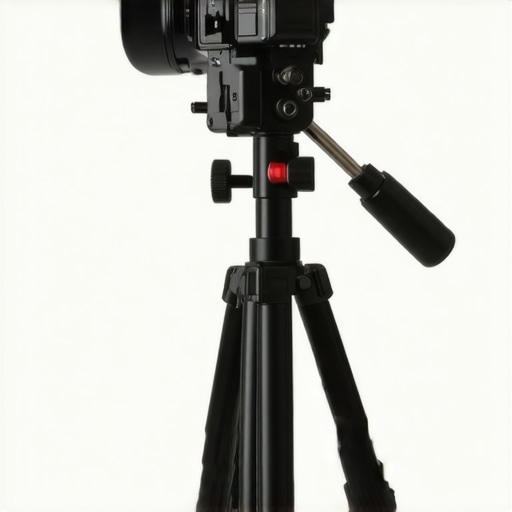
Ever been in the middle of a shoot, only to watch your footage tremble with shake or wobble, despite your best efforts? I remember one particularly frustrating day where my camera rig, which I thought was secure, started wobbling just as I was about to capture that perfect shot. That moment was a lightbulb for me—if my setup isn’t stable, even the most expensive gear won’t save the footage. So, how do we ensure our camera rigs stay rock-solid, especially in 2024’s dynamic filming environments? Today, I promise to share practical, proven tips that will elevate your stability game, whether you’re working in a professional studio or on location.
Why Stability Should Be Your Top Priority in Filmmaking
Stable footage isn’t just about avoiding shakes—it’s about delivering professional-quality visuals that captivate your audience. When your camera jitters or shifts unexpectedly, viewers get uncomfortable, and your credibility takes a hit. As *American Cinematographer* highlights, stable rigs dramatically improve perceived video quality and reduce post-production corrections, saving you countless hours. Yet, many filmmakers overlook the importance of proper setup, rushing into shoots with equipment that isn’t optimized for stability. One common mistake I made early on was neglecting to test my tripod’s grip on uneven ground, leading to disastrous results. Trust me, each detail matters. Whether you’re working with a simple tripod or a complex camera rig, understanding how to enhance stability is crucial, and I’ll guide you through that today.
Is It Really Worth the Effort to Upgrade Your Support Gear?
It’s a fair question. With so many options available, is investing in premium C-stands, boom arms, or support accessories really justified? In my experience, the right gear not only improves shot stability but also reduces fatigue and setup time. A well-chosen boom arm or sturdy stand can be the difference between a shaky shot and a smooth, cinematic masterpiece. Early on, I underestimated the impact of high-quality support gear, assuming that cheap stands could do the job. That mistake cost me hours of re-shoots. For tips on selecting the best equipment, check out detailed guides on [support gear essentials](https://stands.creatorrigreviews.com/essential-camera-rigs-support-arms-for-filmmakers-in-2024). Now, I always invest in reliable equipment that ensures my shots are as steady as possible. Ready to learn how to do the same? Let’s dive into practical steps to boost your setup’s stability.
Choose Your Support Equipment Wisely
The first step in achieving stability is selecting the right gear. Think of your support system as the foundation of a building; a weak base leads to collapse. Avoid cheap tripods or stands that wobble on uneven surfaces. Instead, opt for high-quality support gear like sturdy C-stands or heavy-duty light stands, which can handle the weight and forces during filming. When I filmed outdoors on a windy day, switching to a trusted C-stand from here significantly reduced camera shake, giving my footage a professional look.
Secure the Base Firmly
Testing and securing your base is crucial. Imagine setting a camera on a pool table—if the surface is uneven, no matter how good the cue ball, your shot will wobble. Similarly, level your tripod or stand on stable ground and tighten all knobs. Use added weights or sandbags at the base for extra grip. For instance, on a recent shoot in a park, I wrapped sandbags around my tripod’s center column, which prevented any accidental nudges from passing pedestrians and kept my shot steady.
Use Proper Support Accessories for Extra Stability
Support accessories like support arms and clamps can provide additional stability, acting like braces in a building. For example, attaching a support arm to your C-stand and securing your camera rig with a clamp reduces flex and movement. When I added a support arm from here to my setup, I noticed my handheld jitters minimized, resulting in smoother footage without post-stabilization.
Optimize Your Rig’s Weight Distribution
Balance is key. Distribute weight evenly across your support gear to prevent tipping or shifting. Think of a seesaw: load one side heavily, and it teeters. In practice, keep heavier equipment closer to the support’s center, and avoid extending gear too far out without counterbalance. When I was filming with a large camera rig, adding counterweights opposite the camera helped maintain equilibrium, especially when adjusting angles.
Fine-Tune and Test Before Shooting
Always perform a quick stability check before rolling. Shake the support slightly to test for any movement. Adjust tension on knobs, tighten support clamps, and verify levelness. Doing this small step saved me from disastrous footage during a high-stakes shoot; I caught a loose support arm right before I started recording, saving hours in post-production re-shoots. For comprehensive setup tips, visit this guide.
Leverage Stabilizers for Dynamic Shots
In situations where ground stability is compromised, consider using additional stabilizers like shoulder rigs or gimbals in combination with support gear. These tools absorb shocks and smooth out movement. During handheld sections, I mounted a gimbal to my support rig, which made rapid movements look seamless and professional, even atop uneven rocky terrain.
Remember, every support choice and adjustment adds up. Combining quality gear with careful setup ensures your shots will be steady, your viewers will stay engaged, and your filmmaking will stand out. For more gear-specific advice, check out this resource.
While many enthusiasts focus on selecting sturdy tripods or reliable support gear, they often miss the subtle yet critical details that can make or break shot stability. A prevalent misconception is assuming that all support equipment is interchangeable or that any support will suffice for professional work. In reality, the nuances of material quality, weight distribution, and compatibility are often overlooked, leading to compromised stability. For example, using a lightweight support stand outdoors on uneven ground without proper counterbalance can result in unexpected wobble, regardless of brand reputation. Remember, the devil is in the details—small variations in support materials or design can significantly influence your shot quality. Moreover, neglecting to regularly inspect and tighten support hardware can cause shifts during crucial moments, undermining your setup’s integrity. Be cautious: trusting cheap, low-quality C-stands or support arms might seem economical initially, but they are more prone to flex, bending, or even failure when subjected to stress. Advanced filmmakers often customize their support systems; for instance, adding weight plates or using shock-absorbing mounts enhances stability, especially in high-wind environments. This customization approach is backed by industry experts who emphasize that premium materials and thoughtful modifications vastly improve support reliability. Don’t fall for the myth that support gear is simply about holding your equipment; it’s about maintaining precise stability over its entire operational lifespan. For those serious about perfecting their setups, exploring guides on building custom rigs or optimizing support configurations can be eye-opening. Resources such as this detailed guide reveal how nuanced adjustments can yield professional-level results. Remember, every support choice influences your footage profoundly—so invest time and resources into understanding and customizing your gear. Have you ever fallen into this trap? Let me know in the comments.
Investing in high-quality support equipment like tripods, C-stands, or boom arms is only half the battle; maintaining these tools ensures they perform optimally over time. Proper upkeep not only extends the lifespan of your gear but also preserves the stability that is critical to professional-looking footage. From tightening hardware regularly to cleaning dust and debris, small maintenance practices can make a significant difference.
Tools That Keep Your Equipment in Top Shape
I rely heavily on a set of specific tools to keep my support gear ready for action. A high-quality L-wrench set allows me to tighten knobs and screws precisely without damaging delicate parts. A microfiber cloth is perfect for cleaning dust off support stands and support arms, preventing grit from causing wear or instability. For lubricating moving parts, I use lightweight silicone spray, which avoids attracting dust and grime. These tools might seem simple, but they are essential for ensuring every piece operates smoothly and safely.
Scheduled Check-Ups Can Prevent Disasters
Creating a routine inspection schedule—say, every 3-6 months—helps catch issues before they become severe. During these checks, I scrutinize support stems for signs of fatigue or bending, test locking mechanisms for secure fit, and ensure all rubber grips or pads are intact. For instance, a loose clamp on my C-stand could seem minor but might cause my light or camera to shift unexpectedly during a shoot. Regular maintenance minimizes the risk of unexpected failures, keeping your shoots seamless and stress-free.
How do I maintain my gear so it lasts years?
Investing in quality support systems like high-grade C-stands from here or heavy-duty boom arms means adhering to proper maintenance routines. Applying lubricants to pivot points, inspecting for corrosion, and replacing worn-out rubber pads regularly are steps I recommend. Not only do these practices keep the gear looking professional, but they also ensure maximum stability and safety on set. Plus, storing gear in a dry, dust-free environment prevents rust and degradation over time. These small habits cumulatively preserve your setup for years to come, making every dollar spent worthwhile.
Stability Trends and Future Tools
Looking ahead, I predict that intelligent support systems equipped with digital leveling and load sensors will become mainstream. These innovations will provide real-time feedback, alerting you to potential instability caused by misalignment or overloading. Already, some high-end rigs incorporate smartphone apps that communicate with the gear, allowing for precise adjustments before shooting begins. Embracing these advancements will be essential for professional setups aiming for consistency and perfection. For now, mastering the fundamentals—such as regular maintenance—is the best way to ensure your gear continues to support your creative vision effectively.
Don’t overlook the importance of proper maintenance; a little time spent caring for your gear daily will pay dividends in the quality and reliability of your shots. Try implementing a monthly upkeep routine that includes tightening, cleaning, and inspecting your support gear. Remember, the longevity and performance of your support system directly influence the professionalism of your final product. For expert tips on elevating your setup, check out this comprehensive guide.
The Hardest Lesson I Learned About Support Gear
One of my most valuable lessons was realizing that investing in high-quality support gear is only part of the equation; regular maintenance and proper setup are what truly keep your shots steady. Neglecting small details like tightening knobs or inspecting support joints can lead to shaky footage at critical moments, which no amount of post-production can fix. This experience taught me to treat my support equipment like an essential partner in every shoot, not just a background detail.
What Nobody Tells You About DIY Rig Upgrades
Many filmmakers think that more support arms or heavier bases automatically translate to better stability. However, I found that customizing my gear—like adding counterweights or upgrading to premium materials—offered real dividends in stability. The key is understanding your specific filming environment and adapting your gear accordingly. For example, outdoor shoots in windy conditions require thoughtful modifications that you won’t find in generic guides, but can significantly improve your footage quality.
Why Skimping on Support Equipment Can Cost You
I once tried to save money by choosing cheaper stands and support arms, only to regret it when they flexed or failed during a vital shot. This experience underscored that support gear isn’t an area to cut corners. Reliable, sturdy equipment—like the C-stands and boom arms I now rely on—ensures safety and stability, saving me time, stress, and reshoots. Remember, your support gear is the foundation of professional-looking filming, and investing wisely pays off inevitably.
Curated Tools That Elevate My Support System
Over years of practice, I’ve found certain tools indispensable for keeping my support gear in top condition. A quality set of L-wrenches allows me to tighten every connection precisely, preventing loosening during shoots. A microfiber cloth keeps support surfaces dust-free, and silicone spray ensures smooth operation of moving parts. These small investments in maintenance tools extend the lifespan of my gear and guarantee consistent stability, helping my filmmaking reach new levels.
Your Turn to Take the Next Step
Achieving rock-solid stability with your camera support gear isn’t just about buying the right equipment—it’s about understanding how to maintain, customize, and optimize it for your unique shooting scenarios. The journey toward perfect support starts with awareness and small improvements that compound into professional results. Don’t wait until shaky footage sabotages your project; start refining your setup today and watch your confidence grow.
What support gear upgrade or maintenance routine has made a real difference in your filmmaking? Share your experiences below and let’s build a stronger, steadier community together!
,
This is such a timely and practical post! I remember struggling with shaky footage early in my career, especially on outdoor shoots where wind becomes an unpredictable adversary. What really made a difference for me was investing in high-quality C-stands and adding extra weight with sandbags to stabilize the supports. I also learned the importance of regularly checking all support joints and tightening hardware before every shoot — small details that can prevent hours of post-production stabilization or reshoots. I totally agree with the point about balancing the rig’s weight distribution; it’s a game-changer in high-movement shots. Has anyone tried using smart support systems with load sensors or digital levelers? I’ve heard they’re coming into the mainstream and could further refine stability, especially in complex setups. Ultimately, the effort invested in maintaining and customizing support gear has really elevated my filmmaking quality and confidence!”,
This post hits home for me. I’ve definitely seen how even a tiny wobble can ruin a shot’s quality and make editing a nightmare later. A trick I’ve adopted is always checking my support gear for balance and stability right before rolling, especially outdoors where ground conditions vary so much. I’ve also started draping my support stands with weight bags, which made a noticeable difference in windy environments — it’s simple but effective. I wonder, with all these improvements to support gear, how many filmmakers are actually integrating digital or sensor-based stability tools? I’ve read about load sensors and electronic levelers that can provide real-time feedback, and I feel like they could be game-changers for complex shoots. Have you guys tried these? Do they really add value on top of good old-fashioned hardware? Would love to hear your experiences or suggestions on balancing technology with traditional support equipment to get that perfect, shake-free shot.