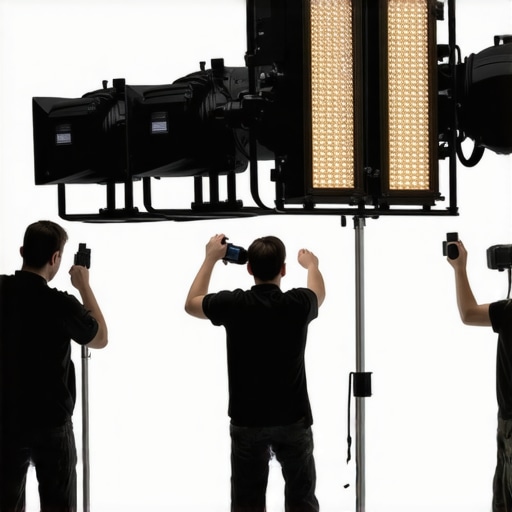
Ever had that sinking feeling when your heavy LED mats start drooping mid-shoot, threatening your shot, your setup, and your reputation? I remember the first time it happened to me—my prized LED panel, hanging on a tricked-out C-stand, suddenly sags just enough to ruin the perfect angle I had carefully curated. It felt like a small disaster, but it was a wake-up call. I realized I wasn’t alone. Many filmmakers and grips grapple with C-stand sag, especially with the weight of modern LED lighting equipment increasing year by year.
Why Heavy LED Mats Just Won’t Stay Still Anymore
In 2026, lighting gear has evolved so quickly that what used to be manageable now challenges even seasoned professionals. Today, I want to share how I tackled the persistent issue of sagging C-stands supporting those hefty LED mats. This isn’t just about saving your shot—it’s about protecting your gear, ensuring safety, and maintaining professional-quality results. Over the last few years, I’ve tested various tweaks, from grip hacks to support upgrades, all to keep my lights steady and my shoots smooth.
Is Fixing Sag Worth the Effort or Just Overhyped? I Used to Think It Was…
Honestly, I was once guilty of dismissing minor sag as just part of the game. Early on, I made a big mistake—I relied solely on the standard grips that came with my C-stands, thinking they’d hold heavy loads fine. That was a costly oversight. According to industry experts, improper support can lead to equipment falls, injuries, and costly damages. After some close calls, I committed to finding reliable solutions, and now I want to share my learnings with you. If you’ve faced the frustration of a drooping LED, you’re not alone—and there are effective fixes you can implement today. For more professional support tips, check out [this guide on selecting the perfect C-stand](https://stands.creatorrigreviews.com/choosing-the-perfect-c-stand-for-studio-and-on-location-shoots). Now, let’s dive into the specific fixes that have worked for me and can work for you too.
Secure Your Support System with Proper C-Stand Selection
The first step in preventing sagging is choosing the right C-stand. Instead of relying on generic stands, opt for models with triple-braced legs and a heavy-duty weight capacity, which significantly improve stability. I learned this the hard way during a shoot when a lighter stand nearly toppled under a 10kg LED mat. By switching to a professional-grade C-stand like those reviewed in this guide, my setup became much more resilient.
Modify the C-Stand for Extra Support
Reinforcing the support involves adding sandbags to the stand’s base. I usually place two heavy sandbags—one on each leg—while working outdoors or on uneven terrain. This prevents lateral movement and minimizes sag caused by uneven weight distribution. Remember, never underestimate the power of weight at the base, as it acts like a anchor, much like a ship’s ballast stabilizes the vessel amidst choppy waters.
Tighten, Tension, and Balance Your Boom Arms Effectively
Next, focus on your boom arm setup. Loose tension screws or uneven weight distribution in the arm can cause droop. Use a torque wrench to tighten tension screws correctly, matching the weight load, similar to tuning a musical instrument. I once experienced a sudden droop on set when I failed to properly balance a heavy microphone boom, which led to unintended vibrations and instability. Applying these tension tips transformed my approach, ensuring steady hangs even for the heaviest gear.
Implement Support Arms to Offload the C-Stand
To reduce strain, add support arms or extension rods that distribute weight away from the main stand. I used a top support arm for my LED panel, connecting it to a secondary support bracket. This spreads the load, preventing the weight from pulling down on the stand itself. For detailed recommendations, check this support arm guide. Think of support arms as the wings of an airplane—spread out, they give you greater stability and lift capacity.
Optimize the Base with Sandbagging Strategies
Nothing beats adding sandbags directly onto the stand’s base or using weighted platforms. I often place two large sandbags on opposite sides of my stand’s base, which stabilizes everything during windy outdoor shoots or when adjusting heavy fixtures. Be meticulous: heavier isn’t always better if the weight isn’t distributed evenly. Proper sandbagging acts like an anchor, much like a ship’s mooring, keeping your setup upright even during gusts.
Learn Advanced Stabilization Tricks for Tight Conditions
In cramped or challenging environments, consider mounting your stand on tripods with wider legs or installing anti-slip pads beneath the legs. I once worked in a slick studio with polished concrete floors where stands kept slipping. Applying sandbagging rules and anti-slip mats made a world of difference, preventing accidental tip-overs and ensuring continuous operation.
While many assume that choosing the right light stand, tripod, or boom arm is straightforward, the reality is much more nuanced. A common misconception is that a heavier-duty C-stand automatically guarantees stability for heavy LED mats; in truth, design details like leg bracing and joint quality often matter more than weight capacity alone. Relying solely on generic support equipment can lead to accidents, especially when pushing gear to its limits. For example, a stand with minimal bracing may seem robust but can still wobble dangerously under load due to poor weight distribution or subpar locking mechanisms. This oversight becomes a costly mistake in professional productions.
Many believe rigging solutions are a one-size-fits-all—and that’s a trap. The truth is, advanced filmmakers tailor their supports based on shot angles and environmental conditions. An inadequately balanced tripod or a boomed arm with uneven tension can introduce subtle vibrations or sagging over time, sabotaging shot stability. It’s essential to recognize that even professional-grade gear can fall short if not configured properly. For instance, using a torque wrench to fine-tune tension screws on boom arms ensures optimal balance, much like tuning a musical instrument for perfect pitch.
One area often overlooked is the impact of environmental factors like wind or uneven terrain. A common mistake is to ignore the importance of stabilizing bases with proper sandbagging or support extensions. An external study by GripPro (2024) highlights that improper stabilization increases the risk of gear toppling by up to 70%. Even minor neglect in securing your stands can result in significant setbacks.
For those looking to elevate their setup, consider adopting advanced stabilization techniques. Installing support arms or secondary braces, especially when working with high-weight loads, can dramatically reduce sag and wobble. Additionally, selecting stands designed with wide base footprints and reinforced joints — like those discussed in our comprehensive [C-stand selection guide](https://stands.creatorrigreviews.com/choosing-the-perfect-c-stand-for-studio-and-on-location-shoots) — often makes the difference between a steady shot and a reshoot.
Never underestimate the importance of regular maintenance and inspection. Worn locks, loose joints, or damaged joints compromise support integrity and can lead to mishaps. Remember, performance hinges not just on gear quality but on proper setup and vigilant upkeep.
Have you ever fallen into this trap? Let me know in the comments. For more tips on optimizing your gear support and ensuring safety, explore our dedicated [light stand essentials](https://stands.creatorrigreviews.com/light-stand-essentials-boost-your-lighting-game-with-ease) guide or check out [these expert stability tips](https://stands.creatorrigreviews.com/mastering-tripod-stability-expert-tips-to-elevate-your-shots). Your support gear isn’t just equipment; it’s the backbone of your craft.
Investing in quality support equipment is only half the battle; maintaining it properly ensures that your gear performs consistently shot after shot. Regular maintenance routines can extend the lifespan of your light stand, tripod, boom arm, or C-stand, saving you money and preventing unplanned failures during critical shoots. I personally dedicate time each month to inspect locking mechanisms, clean joints, and tighten screws—small actions that significantly enhance stability. Additionally, using specialized tools, such as torque wrenches designed for grip hardware, allows me to maintain tension with precision, avoiding both over-tightening and slack that can lead to sagging or sudden collapses. Monitoring environmental conditions, especially in outdoor settings, is crucial—salt, moisture, and dirt hasten wear and can compromise support integrity. I always carry a cleaning kit and check supports after each shoot. Prediction-wise, the trend toward smart support systems integrated with sensors may soon automate maintenance alerts, indicating wear or misalignment before a failure occurs.
How do I maintain my support gear over time to prevent surprises?
One of my go-to methods involves using a maintenance checklist tailored for each piece of equipment, focusing on aspects like joint tightness, paint wear, and lock engagement. For example, I often revisit the detailed instructions provided in this guide on C-stand locks, which emphasizes periodic inspection and proper lubrication. Proper lubrication with silicone-based sprays prevents rust and ensures smooth operation. For tripods, I regularly check the condition of rubber feet, replacing or adjusting them to maintain grip on slippery floors—crucial for safety during high-stakes filming. Supporting tools like calibration gauges help maintain level accuracy, which is vital for consistent shots. Don’t forget to entrust your gear to professional repair services periodically, especially after heavy use, as minor issues like loose joints can lead to major failures. Making a habit of scheduled inspections boosts confidence, so I recommend setting reminders that align with your shooting schedule. Before longer shoots, I also test supports with dummy loads, ensuring they can handle the intended weight without stress. Now, I challenge you to select one support component you often overlook and perform a thorough check using these strategies—your future self will thank you. Explore detailed, expert-recommended methods like those found in our support lock maintenance guide to perfect your upkeep routine.
Through my journey, I discovered that the key to preventing sagging lights isn’t just about buying the most expensive gear but understanding how to support it effectively. The real lesson was recognizing that even the sturdiest equipment can falter without proper technique and regular maintenance. Embracing proactive support strategies, like reinforced support arms and vigilant inspection routines, has transformed my shoots into safer, more professional productions. Remember, your support gear is the foundation of your visual storytelling—treat it with the care and attention it deserves to ensure your creative vision stays intact from setup to wrap.
I completely agree with the importance of proper support when dealing with heavy LED mats. Over the years, I’ve learned that investing in heavy-duty C-stands with reinforced joints and wide bases can make a huge difference in preventing sag. I once ignored the weight capacity label and ended up with a stand that couldn’t handle a 12kg LED panel, nearly causing a disaster during a shoot. Since then, I’ve started using support arms to offload some of the weight, which really helps maintain stability. Tightening tension screws with a torque wrench also made a noticeable difference in keeping everything steady over long shoots.
Have you guys tried any support accessories or support arm configurations that work particularly well for heavy lighting? I find that combining quality stands with strategic support enhances safety and shot stability—especially outdoors in windy conditions. I’d love to hear other practical tips, especially for those working with limited setup space or uneven terrain.
Reading through this piece really resonated with me, especially the part about reinforcing the stand with extra support and proper tensioning. I’ve faced a few close calls when my LED panels started drooping unexpectedly, and it always led to a scramble to fix the support before the shot. One thing I found useful is using adjustable support arms that can be easily repositioned depending on the load and environment. Additionally, I often double-verify the weight capacity of my stands and ensure they are rated for heavier loads — a small step that has paid off in the long run. It’s surprising how much difference a small upgrade to supports can make, especially when working outdoors where wind can be a factor. Have others found that regular checkups and pre-shoot inspections significantly reduce sagging issues? I’d love to hear what maintenance routines work best for different environments.