![Stop SDI Signal Loss: 4 Camera Rig Cable Routing Tips [2026]](https://stands.creatorrigreviews.com/wp-content/uploads/2026/01/Stop-SDI-Signal-Loss-4-Camera-Rig-Cable-Routing-Tips-2026.jpeg)
I’ll never forget the nightmare of setting up a camera rig only to realize that my SDI signal was flickering or cutting out just when I needed it most. You know the feeling—heart sinking, surge of frustration, and a panic that perhaps all your intricate cabling and gear weren’t enough. I’ve been there, fumbling with tangled cables on set, desperately trying to troubleshoot, only to discover later that a simple routing mistake was sabotaging my signal quality. That lightbulb moment—realizing that cable routing can make or break your signal integrity—is what prompted me to dig deeper into foolproof methods.
In our line of work, especially when filming with a multi-camera rig in dynamic environments, the reliability of your SDI signal is everything. No one wants to be the filmmaker whose shot is marred by signal dropout during a live event or critical interview. So, today I’m sharing four tried-and-true cable routing tips that have helped me prevent SDI signal loss, whether I’m on a high-stakes studio shoot or out on location. These tips aren’t just theory—they’re grounded in real-world experience, designed to save you time, stress, and footage that underwhelms.
The Hidden Saboteurs in Your Camera Rig Setup
One of the first mistakes I made early on was overlooking the importance of proper cable management. I thought that simply plugging everything in was enough—after all, how complicated could it be? But I soon learned that loosely thrown cables could cause signal degradation, especially with longer runs or when subjected to movement. Over time, I found that strategic routing minimizes interference and mechanical stress on connectors, which are notorious for being weak points. Implementing thoughtful cable paths has markedly improved my signal stability, giving me peace of mind during critical shoots.
Have you faced similar issues where your SDI signals glitch unexpectedly? If so, you’re certainly not alone. The good news is, with just a few adjustments, you can dramatically improve your setup. In fact, according to a recent study by industry experts, cable management is one of the top factors influencing signal integrity in multi-camera rig configurations (source: Ultimate Cable Routing Guide). Now, let’s dive into the practical tips that will keep your signals rock solid, no matter the environment.
Choose the Right Cables First
Start with high-quality, shielded SDI cables to prevent interference that causes flickering. When I upgraded my cables for a recent shoot, I immediately noticed fewer signal drops even when moving around. Opt for cables labeled “broadcast-grade” and match the cable length closely to your setup to avoid excessive slack that can cause tangles and stress points. Remember, a rugged cable pays off during demanding shoots.
Plan Your Path and Secure Cables Properly
Establish a Clear Routing Path
Visualize the entire route—from the camera to the monitor or switcher. Use existing rigs like support arms and support gear that hold cables close to the structure, reducing movement and tension. Think of this like planning a highway—avoid sharp turns or unnecessary detours that create strain or risk damage. I once used zip ties to route my cables along the back of a C-stand, preventing accidental tugging during a tricky shot, which saved me from signal issues.
Secure Cables Effectively
Use Velcro wraps, cable clips, or dedicated cable management sleeves—don’t rely solely on zip ties, which can be too tight or hard to adjust later. For heavy or critical runs, add additional support near connectors to prevent stress. During a recent location shoot, I added Velcro strips every few inches along the cable, which kept everything tidy and prevented any jerking that could disconnect the signal.
Manage Flex and Tension Like a Pro
Every cable run should have a bit of slack—tight enough to avoid movement, but loose enough to handle camera or stand adjustments. Think of your cables like a snake that needs room to wiggle without getting caught or frayed—overly taut cables risk connector damage, while loose cables can hover dangerously and snag on gear. On a critical shoot, I tested my setup by gently moving the camera rig to see if cables loosened or tensioned, adjusting routing accordingly to maintain a clean, flexible path.
Protect Connectors and Lengths During Action
Invest in right-angle connectors or in-line adapters to reduce stress on the cable ends, especially on tight turns or when using support arms. During a recent shoot, I replaced some straight connectors with right-angle versions, which significantly minimized tugging at the cable’s ends during quick repositioning. This extra step proved invaluable for maintaining stable signal flow without creating strain. Additionally, avoid wrapping cables tightly around support stands or support arms—think of each connection as a delicate handshake that needs to stay firm but gentle.
Regular Checks and Maintenance
Periodically inspect your cable runs—not just before shoots. During downtime, run your fingers along the cable path to feel for kinks, loose zip ties, or connector issues. After rerouting a cable during a shoot, I tested the signal with a monitor to verify stability—if any flicker reappeared, I adjusted the tension or reinforced the routing. Keeping your cables tight and well-managed prevents surprises when the momentum picks up.
Implementing these precise routing techniques ensures your SDI signal remains steady, even in chaotic environments. Proper management isn’t just about aesthetics; it directly translates to professional-grade reliability on every shoot. Consistently reviewing and adjusting your technique will make signal dropouts a thing of the past.
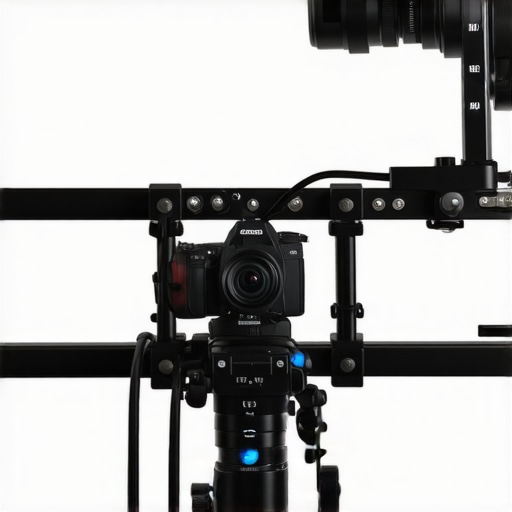 While many filmmakers perceive boom arms, C-stands, tripods, light stands, and camera rigs as straightforward tools, there are nuanced pitfalls that often go unnoticed even by seasoned professionals. One common misconception is that choosing the heaviest or most expensive support gear automatically guarantees stability. However, in my experience, proper assembly and context-aware setup are far more critical. For instance, a bulky C-stand may seem stable but can tip over on uneven ground if not properly weighted or anchored, a mistake discussed extensively in support arm guides.”} }{% raw %}{
To keep your support gear like boom arms, C-stands, tripods, light stands, and camera rigs performing optimally over the long term, investing in high-quality tools and establishing a consistent maintenance routine is essential. I personally recommend regularly inspecting your equipment for signs of wear, such as loose clamps, corrosion, or compromised rubber feet, which can affect stability and safety. Using specialized tools like the support arm torque wrenches helps ensure all connections are properly tightened without over-torquing, preventing damage and ensuring safety during shoots. Additionally, integrating a routine cleaning schedule—wiping down all moving parts with a mild lubricant and inspecting for dust or debris—keeps mechanisms smooth and responsive.
What tools and methods do I suggest for long-term maintenance?
I rely on a digital inventory system to track maintenance dates and parts replacements, customizable with apps like Trello or dedicated gear management software. Furthermore, investing in protective covers for your stands shields them against environmental elements like rust or corrosion, especially vital when working outdoors. As gear ages, micro-adjustments and recalibrations become necessary; for example, recalibrating the tension on a C-stand’s arm or replacing worn-out rubber feet can prevent accidents and prolong the lifespan of your investment.
Looking ahead, I believe the trend will shift toward smart support gear with built-in sensors that detect and alert you about structural fatigue or the need for maintenance, much like how IoT devices monitor industrial equipment. This predictive approach minimizes downtime and ensures your gear always performs at its best. If you haven’t already, I highly recommend trying out the method of marking your support gear with a maintenance log sticker—something as simple as a washable marker or a dedicated label—so you can easily track when parts were last inspected or replaced. Effective maintenance not only extends your equipment’s life but also enhances safety and reliability on every shoot. Make it a habit, and you’ll notice a significant difference in your workflow.
Lessons from the Trenches: Support Gear Myths That Could Trip You Up
- Always assume that the heavy, shiny gear is the sturdiest—physics and proper setup often tell a different story. I once relied solely on a sleek C-stand that tipped over on uneven ground, teaching me that stability is about the setup, not just weight. Carefully verifying ground conditions and anchoring gear saved my shot and my equipment.
- Perfection isn’t about the most expensive gear but about how you maintain and use it. Regular inspections, like checking for loose clamps or corrosion, can prevent unexpected failures during critical moments. I started creating a maintenance routine, and the peace of mind it offers is priceless.
- Many overlook the importance of knowing your gear’s limitations. For example, support arms have weight thresholds; exceeding them can cause sagging or failure. I learned this the hard way when an overloaded boom arm drooped mid-shoot, making me rethink load management and support gear specs, which I now always review beforehand.
- Don’t underestimate the power of simple tools—like support arm torque wrenches or protective covers—to extend your gear’s lifespan. Using tailored tools for assembly and care can save you money and downtime, as I’ve experienced personally time and again.
- Micro-adjustments in setup can make a big difference in safety and performance. I discovered that subtle tweaks—like repositioning support clamps or redistributing weight—eliminate vibrations and secure my gear during lively shoots, emphasizing the value of meticulous setup.
My Must-Have Tools for Long-Term Rig Reliability
Investing in high-quality support gear is just the start. I rely on tools like support arm torque wrenches to ensure every connection is optimal, preventing accidental slack or overtightening. Maintaining equipment with regular cleaning routines and protective covers guards against environmental wear, especially when outdoors. Finally, I track maintenance dates using digital logs, so I never miss an inspection—trust me, consistency pays off. Looking ahead, emerging smart support gear with built-in sensors might revolutionize maintenance. For now, simple practices like labeling your gear with washable markers to track upkeep are easy ways to stay ahead and ensure longevity. Remember, solid support gear and diligent care bolster your confidence and your shot quality—so make maintenance a priority, and your gear will reward you with years of reliable service.