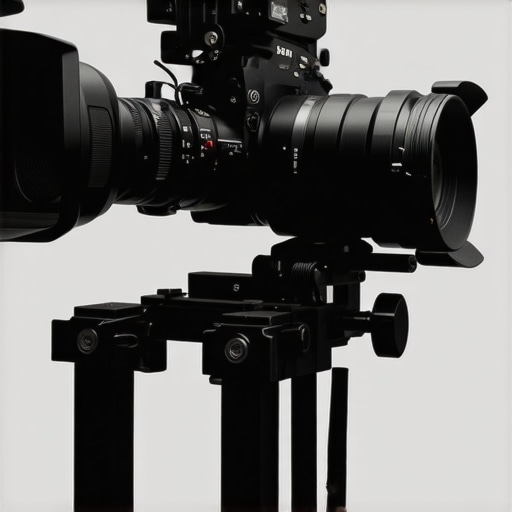
Ever been in the middle of a shoot, camera wobbling, gear squeaking, and that sinking feeling hits—your rig just isn’t cutting it? I’ve been there, battling with unstable setups, wasting precious time, and feeling the frustration mounting. It’s a familiar story for many filmmakers, especially when trying to keep up with the fast pace of 2024’s demanding productions. The lightbulb moment for me came when I realized that investing in the right camera support gear isn’t just about convenience—it’s about ensuring professional quality and saving money in the long run.
Why Choosing the Right Support Matters More Than Ever
In my early days, I overlooked the importance of sturdy support arms and reliable rigs. I thought any old tripod or C-stand would do. Big mistake. I learned the hard way that the wrong gear can turn a smooth shot into a shaky nightmare, costing hours of post-production fixes or even a reshoot. According to industry experts, unstable support is the leading cause of shot inconsistency, which can ruin the professional look you’re aiming for. That’s why I’m here to help you avoid my mistakes and make smarter choices today.
Have You Faced This Problem?
If you’ve ever spent more time fighting your gear than capturing footage, you’re not alone. It’s a common pain point for many filmmakers trying to operate on tight schedules and budgets. Luckily, there are tried-and-true solutions that can transform your filming experience.
In this post, I’ll walk you through the essentials of selecting and using camera rigs and support arms that stand up to the rigors of professional filmmaking in 2024. We’ll cover how to avoid costly mistakes, what equipment is worth investing in, and how small upgrades can lead to big results. Ready to upgrade your gear and boost your confidence on set? Let’s dive into the practical steps that can make or break your shoot.
Secure Your Base with the Right Tripod
Start by selecting a tripod that offers stability and adjustability. I once shot a fast-paced scene outdoors, and my lightweight tripod wobbled under wind pressure. To fix this, I switched to a heavier-duty tripod recommended in ultimate guide to tripods. Tighten all locking mechanisms and ensure the tripod’s feet are firmly planted. Use a tripod with a center column that can be lowered for added stability, especially on uneven terrain.
Choose the Perfect Support Arms for Flexibility
Support arms are game-changers for mounting lights, monitors, or microphones. I remember mounting a light overhead with a support arm, but it sagged midway through a shoot. The solution was investing in a support arm with a reinforced weight capacity from light stands and boom arms guide. Secure the arm to a C-stand or a sturdy tripod using the appropriate clamp. Make sure the arm’s joints are tight and lubricated if needed, preventing unexpected sagging during critical shots.
Stabilize with C-Stands for Heavy Gear
C-stands are your best friends when mounting heavy or awkward gear. When I needed to set up a large flag for controlling sunlight, I used a high-quality C-stand from choosing the perfect C-stand. Extend the legs fully and lock them securely. Use sandbags or weights at the base to prevent tipping, especially if you’re working outdoors or on uneven surfaces. The key is to always double-lock the wheels and tighten all knuckles before hanging gear.
Ensure Stability with Proper Support Gear
Stability isn’t just about individual pieces; it’s how they work together. I once combined a lightweight tripod with a shaky light stand until I realized that the support gear I used was subpar. Upgrading to professional-grade support gear from ultimate guide to camera rigs made a massive difference. Use sandbags, weight plates, or dedicated counterweights to secure stands, especially when working with tall or extended arms. Regularly inspect all joints and locks to prevent accidental collapses during shoots.
Optimize Setup for Rapid Changes
Speed is crucial in filmmaking. During a shoot, I needed to change angles quickly, but my support setup was cumbersome. To fix this, I pre-assembled quick-release plates and used modular support arms that connect and disconnect easily from support stands. Practice your setup before the shoot day, and keep your gear organized in labeled cases. This approach minimizes downtime and maintains stability during rapid adjustments.
Maintain Your Gear for Longevity and Safety
Proper maintenance extends the life of your support gear. After each shoot, I clean and inspect all joints, lubricate moving parts, and check for wear or damage. Replace worn-out clamps or support arms promptly to avoid accidents on set. Regularly reviewing your gear with best tripods and C-stands guide ensures your setup remains reliable and safe, giving you peace of mind when capturing your best shots.
When it comes to support gear like tripods, C-stands, and support arms, many filmmakers tend to rely on popular beliefs or surface-level advice. But let’s dig deeper into what most people get wrong about this crucial aspect of filmmaking. One common myth is that “more expensive gear always guarantees better stability.” While high-quality equipment is certainly important, the real key lies in understanding the nuances of setup, maintenance, and proper use. For instance, even premium tripods can wobble if not correctly locked or if used on uneven terrain. Conversely, a well-maintained, properly set-up budget support rig can outperform a poorly used expensive one. Therefore, mastering the correct assembly and regular inspection practices is essential to truly leverage your gear’s potential.
Why do so many support setups fail during critical moments?
One of the biggest traps is overlooking the importance of load distribution and counterweights. It’s a mistake to assume that support arms and stands can handle any weight as long as they are rated for it. In reality, improper load balancing—such as mounting heavy lights or monitors too high without adequate counterweights—can cause instability or even tip-over accidents. This isn’t just about equipment longevity but also safety on set. According to industry safety standards, correctly balanced support gear reduces the risk of damage and injury. Always double-check your weight distribution and use appropriate support accessories like sandbags or weights. Learn more about proper support setup here.
Advanced support techniques for seasoned filmmakers
For those of you already familiar with basic setup, the key to elevating your support system lies in modularity and quick adaptability. Using quick-release mounts and modular support arms allows rapid adjustments during shoots — a game-changer in fast-paced environments. But beware of the hidden trap: neglecting regular maintenance can lead to joint slippage or clamp failure when you need stability most. Lubricate joints regularly, and double-lock all clamps before hanging gear. Remember, the smallest oversight can cause big issues. For sophisticated setups, consider integrating support arms with your C-stands for maximum versatility.
Have you ever fallen into this trap? Let me know in the comments! Properly understanding these nuances can save you hours of frustration and ensure every shot is rock solid. Don’t settle for just good enough—master the details that make the difference in professional filmmaking.
Maintaining your support gear is crucial for ensuring long-term reliability and performance on set. From tripods to C-stands, each piece of equipment requires specific care routines to keep it functioning smoothly. I personally dedicate time after every shoot to inspect, clean, and lubricate my gear, which has significantly extended its lifespan and prevented costly failures during critical moments. Regular maintenance also helps identify wear and tear early, allowing for timely repairs or replacements. For detailed guidance, I recommend reviewing the comprehensive ultimate guide to support gear maintenance. This resource covers how to clean joints, tighten clamps, and store equipment properly.
How do I maintain my support gear over time?
To keep your support gear in optimal condition, implement a routine that includes cleaning, lubrication, and proper storage. Use a soft cloth to wipe off dust and debris after each shoot, especially on moving parts. Apply a light lubricant like silicone spray on joints and locking mechanisms to prevent rust and ensure smooth operation. Store your equipment in a dry, climate-controlled environment to avoid corrosion and warping. Periodically check for signs of fatigue, such as cracks or loose fittings, and replace worn components promptly. Establishing this routine not only preserves your gear but also enhances safety and stability during filming.
Investing in quality tools, such as a light stand support kit or modular support arms, can streamline maintenance and setup. These tools often include precision clamps, extendable supports, and quick-release mechanisms that save time and reduce wear. My personal favorite is the rigging kit designed for professionals because it combines durability with ease of use. As technology advances, future trends suggest integrating smart maintenance sensors that alert you when a component needs attention—making upkeep even more efficient.
Don’t forget to regularly review your tripods and C-stands guide for updates on best practices and recommended replacements. Staying proactive with maintenance ensures your support gear functions flawlessly, keeps your set safe, and ultimately saves you money over time. Try implementing a weekly check-up routine and see how it transforms your filmmaking experience. Remember, well-maintained gear is the backbone of professional-quality production.
The Hardest Lesson I Learned About Filmmaker Support Gear
One of my biggest realizations came when I underestimated the importance of load balancing. I once mounted a heavy monitor on a support arm without proper counterweights, and it nearly toppled during a crucial shot. That taught me that understanding how to distribute weight properly is essential for safety and shot stability.
Why Even Expensive Gear Can Fail Without Proper Setup
I used to think that investing in high-end tripods and C-stands would automatically guarantee stability. I learned that no matter how costly your equipment is, if you don’t lock everything correctly or use support accessories like sandbags, your setup can wobble or collapse. Mastering setup techniques is more critical than the gear’s price tag.
Support Maintenance Is Your Secret Weapon
Regularly inspecting and maintaining your support gear has saved me hours of troubleshooting. A quick check of locks, joints, and lubricants before every shoot keeps everything running smoothly and prevents unexpected failures. I now view maintenance as an investment in reliability and safety.
Curated Tools That Changed My Filmmaking Game
- Ultimate Guide to Tripods and Support Arms: This comprehensive resource helped me understand which gear is worth the investment and how to set it up for maximum stability.
- Best C-stands and Boom Arms for 2024: I trust these guides for selecting durable, versatile support stands that can handle heavy gear and tricky setups.
- Support Gear Maintenance Tips: Regularly reviewing these tips keeps my gear in top condition and extends its lifespan.
- Modular Support Systems: Learning to incorporate quick-release mounts has allowed me to adapt rapidly during shoots, saving time and effort.
Your Support System Is Your Foundation—Build It Right
Don’t let support gear be an afterthought. Invest in quality, learn the nuances of setup and maintenance, and always prioritize safety. Your shots—and your crew—will thank you. Ready to refine your approach? Dive into the resources above and take your filmmaking to the next level.
What’s the biggest support gear mistake you’ve made, and how did you fix it? Share your experiences below—I’d love to hear your stories!
Reading through this post really resonated with my experience on set. I used to overlook the importance of proper load balancing and support stability, often assuming that high-end gear would handle itself with minimal setup. But I quickly learned the hard way that even the most expensive equipment can fail if not properly secured or balanced. The subtlety of load distribution and the importance of using the right support accessories, like sandbags or counterweights, can’t be overstated. I’ve had moments where a support arm unexpectedly sagged mid-shoot because I didn’t double-check the joints or didn’t properly lock the clamps.
One thing I’ve found helpful is creating a quick setup checklist to ensure I don’t miss critical steps before each shoot—especially when rushing. Has anyone here adopted similar routines? Also, what support tools or maintenance routines have you found most effective for extending the lifespan of your gear? I’d love to hear tips from fellow filmmakers to enhance setup efficiency and safety.
This post hits close to home for me, especially the part about load balancing and support stability. I used to think a sturdy tripod was enough, but I learned that every piece of support gear needs proper handling and regular checks to really perform well. The importance of supporting accessories, like sandbags and counterweights, can’t be overstated—I’ve seen setups wobble or even tip over because of overlooked load distribution. I’ve started to develop my own pre-shoot checklist that covers locking all knobs, double-checking support points, and adding safety weights where needed, which has definitely saved me time and headaches.
One thing I’d love to hear from others is: how do you organize and maintain your support gear to ensure longevity? Do you have specific routines, or favorite maintenance products? Ensuring the gear’s integrity not only keeps us safe but also improves shot consistency. Supporting equipment is a key part of professional filmmaking, and investing time in maintaining it pays off in the long run. Do others have tips on how to streamline regular gear checks before every shoot?
This post really hits the spot. From my experience, even the most expensive support gear can become a liability if not set up and maintained properly. I remember a shoot where I relied solely on premium tripods and C-stands, only to find everything wobbling during a crucial outdoor shot. It made me realize that proper load balancing and regular inspections are key, no matter the quality of your equipment. Since then, I’ve started paying closer attention to load distribution and double-checking all locks before every shoot. One thing I’d love to hear from others is how they organize their gear maintenance routines. Do you have specific schedules or tools that help keep everything in top shape? Also, has anyone used smart support systems or wear sensors to monitor gear health in real-time? I think integrating technology could be a game-changer for supporting reliability and safety on set.
This article really highlights the critical importance of proper setup and maintenance in filmmaking support gear, which I can’t emphasize enough from personal experience. I recently upgraded my support system with modular quick-release arms, and it’s made a tremendous difference—I can switch setups rapidly without sacrificing stability. That said, I also learned the hard way that neglecting routine maintenance can lead to joint slippage or clamp failure, which is a nightmare mid-shoot. I’ve started a weekly inspection routine involving cleaning joints, lubricating moving parts, and double-locking all clamps to ensure safety and performance.
What are some of the most effective ways you all have found for maintaining support equipment? Do you use any smart tools or sensors? I’m curious if anyone has integrated technology to monitor gear health in real-time; I think that could be a game-changer for long-term reliability and safety.
I really appreciate this detailed overview of support gear—it’s a reminder that sometimes, the simplest steps like proper load balancing and routine maintenance can make all the difference in shoot quality and safety. I’ve had my share of close calls with support stands tipping over due to overlooked weight distribution, especially when working outdoors on uneven ground. It’s become a practice of mine to double-check all supports and weigh down the bases with sandbags beforehand, which has saved me a lot of stress. One thing I’ve started doing is maintaining a small gear log—tracking inspections, repairs, and substitutions. Has anyone else tried digital tools for gear management? I believe that keeping support gear in top shape isn’t just about safety, but also about ensuring consistent shot quality. To all professionals, what’s your top tip for maintaining reliability during those long, fast-paced shoot days?