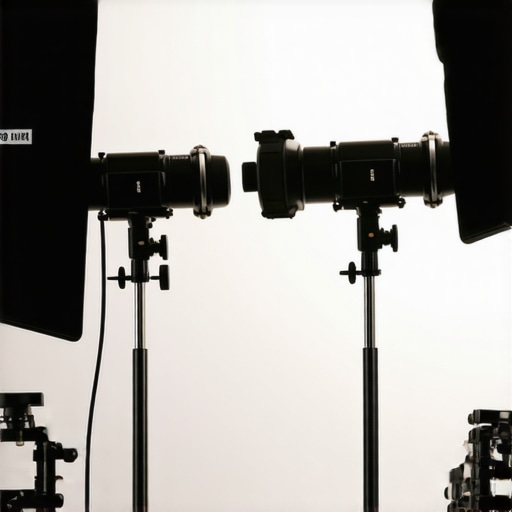
Ever spent hours setting up your studio only to realize your C stand wobbles just as you hit record? Or maybe you’ve struggled with cumbersome boom arms that refuse to stay in place, turning your shoot into a frustrating tug-of-war. I remember those moments well—feeling the irritation creep up as my carefully arranged lights and camera rigs threatened to topple over. It’s a common headache among filmmakers and photographers, especially when trying to balance professional quality with reliable support.
Why Reliable Support Equipment Can Make or Break Your Shoot
In 2024, the importance of sturdy, versatile support gear has skyrocketed. With the advent of high-resolution cameras and sophisticated lighting setups, your support system needs to keep pace. A shaky C stand or a flimsy boom arm can ruin an otherwise perfect shot, costing you time, money, and your own sanity. Recent studies underscore this—according to Creator Rig Reviews, investing in high-quality studio support gear significantly enhances shot stability and reduces setup time, leading to more efficient productions.
Have You Faced This Problem Too?
If you’ve ever felt your support gear was more of a liability than an asset, you’re not alone. I’ve made the mistake early on of choosing cheap stands that looked good but couldn’t hold a candle to my needs. That experience taught me the hard way that not all C stands and boom arms are created equal. Today, I’ll share practical tips and insights to help you choose the best gear for your studio in 2024, avoiding the pitfalls I fell into.
Select the Right Support Equipment for Your Needs
Start by assessing your typical shooting environment — whether on-location or in-studio. For studio setups, invest in a sturdy C stand with a solid base and adjustable height. For portable shoots, a lightweight, foldable light stand is essential. When choosing, consider weight capacity and stability ratings—these are critical to prevent wobbles and accidents. I once used a cheap tripod for an outdoor shoot, which toppled over during a gust of wind, ruining a key shot. After that, I switched to a heavy-duty tripod with rubberized feet, and my stability concerns vanished.
Ensure Proper Assembly and Tightening
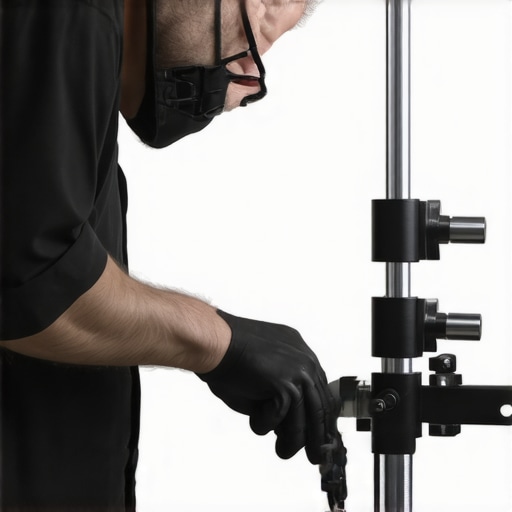
Always double-check every connection—clamps, knobs, and locking collars—before shooting. Think of a support rig like a ship’s mast: every bolt and turnbuckle must be secure to withstand external forces. Use a torque wrench if necessary to ensure tightness without over-tightening. During a recent shoot, I failed to tighten my C stand’s grip properly, which caused a light to slip mid-shot. The fix was simple: I learned to tighten each component firmly but gently, avoiding damage while ensuring stability. For detailed tips on securing your equipment, check out this guide.
Optimize Your Support for Camera and Lighting
Use support arms to extend lights or cameras without compromising stability. Think of these arms as the limbs of a crane—careful balancing is key. When setting up, attach support arms to your C stand or tripod, then secure the load with the appropriate clamps. For example, I once added a heavy light to my boom arm, and it started to sway. I corrected this by redistributing the weight closer to the center of the stand and adding counterweights. This simple adjustment made a huge difference and prevented any accidents. For specific arm setups, see this article.
Balance and Weight Distribution Matter
Always distribute weight evenly across your support equipment. Imagine a seesaw: if one side is heavy, it will tip. Similarly, load your C stand or tripod symmetrically, with heavier items closer to the support base. Use sandbags or weight plates at the base to anchor your setup—these are your safety net. I once neglected this step, and a minor bump caused my entire rig to wobble dangerously. Afterward, I adopted a habit of weighing down stands and verifying balance before each shot. It’s a small step that saves big headaches. For more on balancing your gear, visit this expert guide.
Regular Maintenance and Inspection
Support gear isn’t a set-it-and-forget-it deal. Regularly inspect all components for wear and tear—cracks, rust, or loose parts. Think of your equipment like a car: routine checkups prevent breakdowns. During a recent shoot, I discovered a cracked clamp on my light stand. Replacing it was quick, and it prevented a potential accident. Keep lubrication handy for moving parts and tighten any loose screws periodically. For maintenance tips, see this maintenance checklist.
Many filmmakers and photographers operate under misconceptions that can lead to costly mistakes and subpar results. Let’s clarify some of the most persistent myths about tripods, boom arms, C stands, and support gear, and explore the nuanced truths that can elevate your setup.
Why Bigger Isn’t Always Better for Support Equipment
There’s a widespread belief that larger, heavier support gear automatically means better stability. While weight can contribute to steadiness, it’s not the whole story. Overly bulky stands may be cumbersome to maneuver, especially on tight sets or outdoor locations, and can cause fatigue during long shoots. Instead, focus on quality materials and precise engineering—like those discussed in this comprehensive guide. Choosing equipment with a balanced design ensures stability without sacrificing portability.
Common Mistake: Over-tightening Clamps and Knobs
It’s tempting to tighten every clamp and knob to the max to prevent slipping. However, this can damage threads or cause unnecessary stress on joints, reducing long-term durability. The sweet spot? Tighten just enough to secure the load firmly without stripping or cracking components. This nuance often trips up even experienced users, especially when assembling complex rigs like custom camera rigs. Proper tightening preserves equipment integrity and maintains optimal support performance.
Make Your Support Gear Work Smarter, Not Harder
Many assume that support arms and booms should be as long as possible to maximize reach. In reality, extended arms introduce leverage that can destabilize your setup if weight isn’t properly balanced. Instead, opt for support arms designed with reinforced joints and appropriate weight ratings, like those covered in this article. Using counterweights and redistributing gear closer to the support base can dramatically improve stability and reduce the risk of tipping.
How Do You Know When Your Support Equipment Is Too Worn Out?
A common oversight is neglecting regular maintenance. Cracks, rust, or loose screws might seem minor but can cause catastrophic failure during critical shots. The real trick is establishing a routine inspection schedule—think of it as a health check for your gear. Replacing worn parts before they fail isn’t just good practice; it’s essential for safety and reliability. For detailed maintenance tips, check out this guide. Remember, your support gear is the backbone of your production—treat it with care. Have you ever fallen into this trap? Let me know in the comments!” ,
Investing in high-quality support equipment is only half the battle. To ensure your tripod, boom arm, C stand, or light stand continues to perform at its best, regular maintenance is essential. Think of your gear as a trusted vehicle—routine checkups and timely repairs keep it running smoothly and prevent costly breakdowns during critical shoots.
Develop a Routine for Long-Term Reliability
Creating a maintenance schedule is the first step. Every few months, I go through my support gear, inspecting for signs of wear like cracks, rust, or loose screws. For example, I once overlooked a small crack in my C stand’s base, which worsened over time and almost caused a collapse during a shoot. Now, I make it a point to tighten all bolts and replace worn parts proactively. This habit extends the lifespan of my equipment and saves me from last-minute surprises. For a comprehensive maintenance checklist, visit this guide.
Tools I Recommend for Support Equipment Upkeep
Using the right tools makes all the difference. I swear by a quality torque wrench, which ensures I tighten clamps and knobs just enough without damaging threads. A small brush is perfect for cleaning dust and debris from joints, preventing buildup that can impair movement. Lubricants like silicone spray keep moving parts smooth and prevent rust. Additionally, carrying a set of spare screws and clamps ensures I can quickly swap out damaged parts on location, minimizing downtime. For detailed product suggestions, check out this resource.
How do I maintain support gear over time?
The key is consistency. Regular inspections, cleaning, and timely replacements keep your gear reliable. Also, storing equipment properly—preferably in a dry, dust-free environment—prevents corrosion and damage. As future trends, I predict smart maintenance solutions equipped with sensors might become standard, alerting you when components need attention. For now, manual checks remain your best defense against unexpected failures. Don’t forget to test your stands and supports before critical shoots—better to catch issues early than face surprises on set. Ready to elevate your maintenance game? Start by implementing a weekly check routine and see how much more dependable your gear becomes.
< >
>
What I Wish I Knew When I Started Supporting Shots
One of the biggest lessons I learned is that investing in high-quality support gear saves countless headaches down the line. Early on, I thought I could get by with cheap stands, but the instability and frequent adjustments ate up my shooting time. Now, I realize that choosing sturdy, well-engineered equipment like those discussed in this comprehensive guide made all the difference. It’s not just about weight; it’s about precise engineering and reliability.
How Overconfidence in Equipment Can Fool You
I used to believe that bigger stands meant more stability, but I learned the hard way that size isn’t everything. Overly bulky gear slowed me down and often made setups cumbersome, especially in tight spaces. The real secret is in selecting gear with the right materials and design, like those highlighted in this guide. Properly balanced support that’s easy to maneuver increases efficiency and safety.
Why Proper Assembly Outshines Price Tag
It’s tempting to tighten every clamp to maximum, but I’ve learned that over-tightening can strip threads and damage joints. The lightbulb moment came when I realized that firm, but gentle tightening with a torque wrench preserves equipment integrity. For tips on correct assembly, check out this detailed article. Remember, your support gear is an investment—treat it with care to ensure long-term performance.
How Balance and Weight Distribution Prevent Disasters
Distributing weight evenly and anchoring stands with sandbags or weights is a game-changer. I once ignored this step, and a minor bump caused my entire rig to wobble dangerously. Now, I always double-check the balance and use proper weights, which makes setups more stable and reduces risk. For expert advice, visit this resource.
The Hidden Cost of Neglecting Maintenance
Support equipment is like a trusted vehicle—regular inspections and maintenance are essential. I missed this early on and paid the price when a crack in my C stand almost caused a fall during a shoot. Now, I schedule routine checks, lubricate moving parts, and replace worn components proactively. This routine keeps my gear reliable and safe. For a detailed maintenance routine, check this guide.
My Support Gear Toolkit for Peace of Mind
Having the right tools saves time and prevents damage. A quality torque wrench, small brushes, silicone spray, and spare screws are my essentials. These tools help me tighten clamps correctly, clean joints, and make quick repairs on location. I trust these tools because they’ve saved me from major setbacks. For recommendations, see this resource.
Your Turn to Elevate Your Support Game
Choosing, assembling, maintaining, and trusting your support gear is a continuous journey. With the right knowledge and habits, you can ensure your shots are steady, safe, and professional. Remember, your support equipment is the backbone of your production—invest in it wisely and care for it diligently. Ready to upgrade your support setup for 2024? Let me know your biggest challenge or success story below!
I completely relate to the importance of choosing the right support gear, especially when working in tight studio spaces where maneuverability and stability are crucial. Early in my career, I underestimated the value of a solid C stand and went for cheaper options, only to face constant wobbles and adjustments that ate into my shooting time. After investing in high-quality equipment with a reputation for stability, my setup became much more reliable, and I could focus more on creativity instead of worrying about equipment failures. The tips about proper assembly and weight distribution really resonated with me, as I learned firsthand how even small changes can make a big difference during live shoots. I’d love to hear how others balance the trade-off between portability and stability—do you have specific brands or models you swear by for different scenarios? It seems like finding the perfect balance is an ongoing process, but the effort definitely pays off in the end.