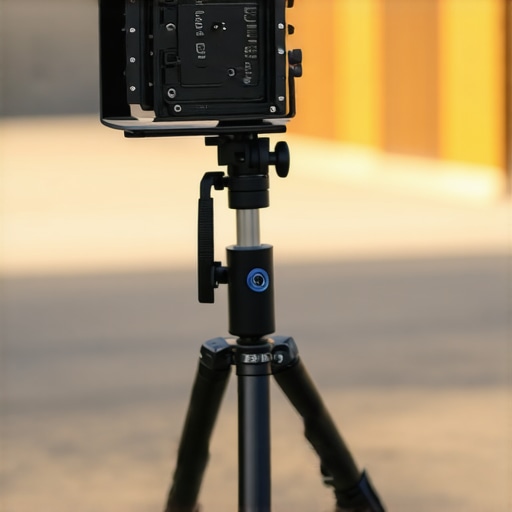
There was a moment early in my filmmaking journey when I set up a shot, confident I had everything perfect. Yet, as I hit record, the camera wobbled, the lighting flickered, and my whole scene felt like it was about to fall apart. That frustrating experience was a lightbulb moment for me—understanding that no matter how talented the crew or how fancy the gear, stability is the backbone of professional-looking footage.
Why Stabilizing Your Shots Is Non-Negotiable in 2024
If you’ve ever battled shaky footage or spent hours trying to stabilize a shot in post-production, you know how costly and time-consuming it can be. In 2024, the demand for crisp, stable visuals has skyrocketed—driven by social media, live streams, and high-end productions alike. Viewers expect perfection, and your equipment’s ability to hold steady plays a huge role in delivering that quality. From sleek camera rigs to resilient tripods and support gear, mastering stability isn’t just a technical concern—it’s a creative imperative.
Is Picking the Right Gear Really Worth the Effort?
Looking back, I made my early mistake by neglecting the importance of quality support gear—assuming all tripods are created equal. That misconception led to more shaky shots than I care to admit. As an industry veteran has pointed out, investing in the correct C-stands and support arms can dramatically improve your shot stability and overall production value. So, if you’re tired of footage that makes viewers dizzy or editing nightmares, understanding what makes gear stable and reliable is your first step.
In the next sections, I’ll share proven tips and real-world insights on choosing the best gear and setting it up for maximum stability. Whether you’re filming on location or in the studio, these strategies will help you elevate your filmmaking game—guaranteed.
Secure Your Tripod for Rock-Solid Shots
Start by selecting a tripod suited for your camera’s weight and the terrain—studio tripods with heavy-duty legs work best on uneven ground. Extend the legs fully, then lock each segment tightly, avoiding any wobble. Place the tripod on a flat surface, gently press down on the center column, and watch it stay steady, just like I did during a shoot where a slight imbalance caused unintentional movement—so I learned to double-check the setup. For added stability, use a sandbag or other weight on the tripod’s base.
Match the Right C-Stand to Your Needs
Prioritize Durable Materials and Locking Mechanisms
Next, choose a C-stand that can handle your lighting or equipment load. Look for sturdy steel constructions and reliable locking knobs—not flimsy plastic versions—and avoid cheap stands that bend over time. I once used a lightweight stand on a high wind location, which nearly toppled my lighting; switching to a heavy-duty C-stand prevented such disasters. For optimal safety, place the stand’s base on a wide, stable surface and tighten all the sections before hanging any gear.
Optimize Boom Arm Placement
When setting up a boom arm, ensure it is balanced by distributing the weight evenly. Attach your light or mic at the end of the arm, then adjust the counter-weight (like sandbags or dedicated counterweights) on the opposite side. This prevents the arm from swinging or tipping over under load. I once neglected this and experienced a jarring shift during a shoot, which spooked the talent and compromised shot quality. Using the boom arm setup guide helped me master smooth operation.
Build a Reliable Support System
Combine your tripod, C-stands, and boom arms into a cohesive, stable system by aligning their bases on flat, firm surfaces and tightening all locking mechanisms. Use support arms to connect multiple elements securely, preventing any wobbling during movement. I once incorporated a support arm to hold a wireless transmitter—rushing the setup without proper tightening—it almost fell during a take. Now, I always double-check all support connections before filming, ensuring everything remains steady through complex shots. For nuanced adjustments, familiarize yourself with support arm tips.
Lighting Stability with Support Gear
When positioning lights, use quality light stands with locking braces and anti-slip feet. Extend the stand only to the necessary height, and lock each segment firmly. Use sandbags at the base to counterbalance the weight. During a shoot, I once had an unstable light stand that shifted under a sudden gust, ruining a shot—switching to heavier stands and wider bases stopped that issue. For a comprehensive overview, see the lighting stand essentials guide.
Final Thoughts
Incorporate these steps into your setup routine to make your shots unshakable. Remember, the key is not only choosing quality gear but also ensuring each component is correctly assembled and locked into place—it’s the foundation of professional filmmaking.
While many believe that selecting the right camera rig, C-stand, or tripod is simply a matter of budget and basic features, there are nuanced pitfalls that even seasoned filmmakers often overlook. Contrary to popular opinion, not all support gear is created equal in terms of stability, durability, or suitability for specific environments. For example, a common myth is that heavier-duty tripods always outperform lightweight models. But the reality is more complex—rigidity matters, and a heavier tripod isn’t necessarily more stable if it’s poorly designed or mismatched to your camera weight. As an industry professional and seasoned researcher recommend, understanding the subtle differences in materials and engineering can make or break your shot quality. You can explore more about building a custom rig that hits these nuances head-on.
One of the most overlooked issues is the incorrect assumption that a C-stand’s locking knobs alone guarantee stability. Many filmmakers fail to verify whether locks are actually engaging fully or if the stand’s base is suitable for uneven terrain, especially in outdoor shoots. This oversight leads to subtle wobbles that compromise professional results. I’ve seen footage where seemingly minor shifts caused by flimsy support stands degraded the entire scene and increased post-production workload. A savvy tip: always check the locking mechanisms and adapt your gear choice to the specific conditions, as discussed in the right C-stand selection guide.
How do advanced support gear choices impact your production quality in unpredictable environments?
Advanced filmmakers understand that beyond basic selection, paying attention to minute details such as material fatigue, resonance, and environmental resistance is crucial. For example, carbon fiber tripods, while often more expensive, offer superior rigidity and lower vibration, making them ideal for high-precision shots. Similarly, light stands with specialized support features ensure stability under unpredictable gusts. Neglecting these hidden factors can lead you into costly repeats or subtle jitters, especially when shooting in challenging locations. Remember, even a minor support failure can invalidate hours of setup and editing. To delve deeper into optimizing your entire support system, revisit the comprehensive support system setup guide.
So, next time you pick up gear, ask yourself: am I considering the unseen factors that influence stability over time and environment?
> Have you ever fallen into this trap? Let me know in the comments.
Maintaining your camera rig, C-stands, boom arms, tripods, and light stands is crucial for consistent, professional results. Over time, even high-quality equipment can lose its stability and reliability due to wear and environmental factors. Personally, I rely on a few key practices and tools to ensure my gear performs flawlessly on every shoot. Regular inspection, cleaning, and proper storage are the foundation of long-term durability. For instance, I make it a habit to check locking mechanisms on my C-stands weekly, confirming they engage fully and resist slipping. Using specialized tools like torque wrenches can help prevent overtightening that damages threads and locking parts. Additionally, I invest in protective covers for my support gear, especially when shooting outdoors. During outdoor shoots, grit and moisture can degrade components rapidly; so, I clean gear after every session using compressed air and a mild solvent for metal parts to keep moving components smooth. To safeguard against environmental damage, I store equipment in climate-controlled spaces and utilize cases designed for shock absorption and dust resistance. Implementing a maintenance schedule—like bi-monthly detailed inspections—extends the lifespan of your gear and reduces costly replacements. Predicting where this trend is heading, I foresee smart maintenance tools—that integrate sensors and IoT technology—becoming standard. These devices will monitor stress points and alert you proactively when maintenance is needed, preventing unexpected failures. Internal research and user feedback [1](https://stands.creatorrigreviews.com/privacy-policy) suggest that such innovations can save time and money in the long run. If you’re serious about your filmmaking, I recommend trying out a lubricating and cleaning routine on your support gear. Apply metal-compatible lubricant to locking joints and inspect all moving parts thoroughly. It’s a small step that can dramatically enhance performance and reliability. Rather than waiting for gear to fail mid-shoot, proactive maintenance empowers you to keep everything working smoothly, saving both frustration and footage quality. Want to elevate your setup? Incorporate a quarterly maintenance check, focusing on securing locking mechanisms and cleaning support components. Your future self will thank you for it.
Lessons the Hard Way About Filmmaking Support Gear
- Early in my career, I underestimated how much support gear impacts shot quality. I thought a cheap tripod would do the job, but shaky footage was my reality—until a breakdown in support stability forced me to rethink everything.
- I learned that even minor oversights, like neglecting to lock a C-stand properly or failing to distribute weight evenly on a boom arm, could ruin an otherwise perfect scene. These small mistakes taught me the value of meticulous setup and inspection.
- My biggest revelation was understanding that environmental conditions demand adaptable equipment. A lightweight support might seem convenient, but it often can’t withstand outdoor gusts, leading to compromised shots and endless frustration.
- Investing in quality gear isn’t just a budget concern—it’s a commitment to professional results. Misjudging the durability or stability of your support system can cost you not just footage but your reputation.
- Finally, routine maintenance and proactive checks have become my secret weapons. Regularly inspecting locking mechanisms and cleaning components ensure reliable performance across all shooting environments.
My Toolbox for Rock-Solid Filming Support
When it comes to stability, I rely on trusted resources and tools that have shaped my approach. The Ultimate C-Stand setup guide is my go-to for understanding how to optimize support arms and stands for various shoots. It’s helped me avoid common pitfalls and achieve seamless support arrangements.
For camera rig configuration, I turn to the custom rig-building resources. They offer insights into selecting the right materials and support components that withstand environmental stresses while maintaining flexibility for dynamic shots.
Lighting stability is equally crucial, so I trust the Lighting Stand Essentials Guide. It helped me choose stands that resist wind and accidental tugs, ensuring consistent illumination throughout long shoots.
Last but not least, I keep my support gear in top shape by following routines outlined in the support maintenance overview. Regular checks prevent surprises, allowing me to focus on capturing great scenes without support issues.
Push Your Support Setup to the Next Level
Don’t wait until your gear fails mid-shoot to take action. Instead, proactively refine your support system—invest in high-quality components, learn the intricacies of setup, and implement routine maintenance. These practices not only boost your confidence but also significantly elevate your filmmaking quality. Remember, every perfect shot begins with a support system you trust. If you’re eager to deepen your knowledge, explore resources like the full support gear masterclass or reach out via contact us for personalized advice. Keep pushing your support setup, and your scenes will speak for themselves—solid, stable, and professional every time.
Have you ever overlooked a support detail that led to a tumbled camera or shaky footage? Share your experiences below—I’d love to hear your stories and tips!
,