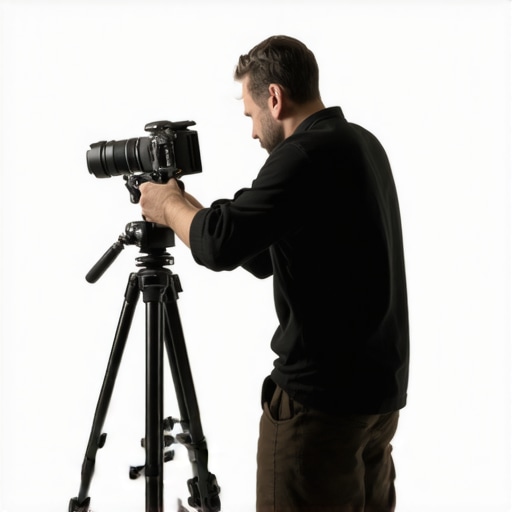
Ever set up a shot, only to realize your tripod was wobbling, your camera rig was awkwardly balanced, or your light stand kept tipping over in the middle of a take? I’ve been there. One moment of instability, and all your hard work can unravel in seconds. It’s frustrating — but I’ve learned that the secret isn’t just in the gear itself, but in knowing how to get the most out of it. Today, I want to share some of my personal best tips to help you elevate your filmmaking game in 2024.
Why Stable Support Gear Can Make or Break Your Shoot
Let’s face it — no matter how talented you are behind the camera, shaky shots or equipment failures can ruin a scene faster than anything else. Over the years, I’ve realized that investing in the right tripod, boom arm, or C-stand isn’t just about having sturdy gear; it’s about ensuring your shots are smooth, professional, and distraction-free. Believe me, when I first started, I made the mistake of thinking a cheap tripod would do — big mistake. It wobbled just when I needed stability most, forcing me to redo shots and lose precious time. That’s why I now prioritize quality support gear, like the best tripods and C-stands, which you can explore in detail at this comprehensive guide.
Is the hype around support gear actually worth it?
I used to dismiss high-end stands and rigs as overkill. But I learned the hard way that cutting corners can lead to shaky footage, costly re-shoots, or even damaged equipment. Modern gear in 2024 isn’t just about durability — it’s about smart design, portability, and ease of use. For example, a well-chosen C-stand can double as a light holder or camera support, saving space and money on set. My advice? Don’t underestimate the importance of a stable, reliable rig. It’s the backbone of your shoot, and it pays off in the quality of your final product.
So, have you faced a support gear failure during your shoots? If so, don’t worry — I’ve got you covered. In the upcoming sections, I’ll walk you through practical tips on choosing the perfect tripod, rig, or support system tailored for 2024. Let’s make your next shoot smoother, steadier, and more professional than ever before.
Secure Your Tripod Properly
Start with a solid foundation. When I first set up my tripod for a shoot, I made the mistake of not extending the legs fully and not tightening the locks properly. The result? A shaky shot that forced me to redo the scene. To avoid this, always extend each leg fully, lock it securely, and check stability by gently pressing down before mounting your camera. Use a bubble level if available to ensure the head is perfectly horizontal. This simple step prevents wobbling and gives you a steady shot every time.
Balance Your Camera Rig Like a Pro
Imagine balancing a broomstick on your finger—your camera rig is no different. When building a custom camera rig, distribute weight evenly across all support points. Place heavier components closer to the center of gravity, and use counterweights if needed. For example, I once added a heavy battery pack to my rig and noticed it tilted forward, causing shaky footage. Adding a counterweight at the back restored balance, resulting in smooth, professional shots. For detailed setup tips, check out this guide.
Stabilize Your Support Stands
Nothing ruins a shot faster than a support stand tipping over. During a location shoot, I used a lightweight light stand that was not secured properly. A gust of wind knocked it over just as I was about to record. To prevent this, always place stands on stable ground, spread the legs wide, and add sandbags or weights at the base. When working indoors, double-check that stands are locked and secure. For more advanced techniques, see this stability guide.
Optimize Your Boom Arm Usage
Using a boom arm can elevate your lighting or camera angles dramatically. I once struggled with a boom arm that sagged under the weight of a heavy light fixture, causing unwanted movement. To fix this, I made sure the arm was properly balanced and tightened all its joints. When setting up, place the heaviest equipment near the base of the arm and extend it gradually, tightening each joint as you go. For seamless setup, review this comprehensive guide.
Choose the Right C-Stand for Stability
For studio or on-location shoots, a sturdy C-stand is invaluable. I initially used a cheap stand that wobbled under weight, compromising my shots. Upgrading to a high-quality C-stand with a sturdy base and locking wheels made a huge difference. When selecting a C-stand, look for one with adjustable grip arms and a solid tripod base. Properly securing all clamps and tightening nuts ensures maximum stability. For a full comparison, visit this selection guide.
Regularly Test and Maintain Your Support Gear
Finally, don’t forget to inspect your gear regularly. Before every shoot, I spend a few minutes checking each support stand, tightening any loose screws, and testing stability. Over time, wear and tear can weaken support structures, risking failure during critical moments. A quick maintenance routine ensures your gear performs flawlessly, saving you time and headaches during production. For detailed tips, see this maintenance checklist.
When it comes to support gear like tripods, boom arms, C-stands, light stands, and camera rigs, many filmmakers fall into the trap of oversimplification. The truth is, there’s a lot of nuance behind how these tools perform in real-world scenarios, and understanding these subtleties can make a significant difference in your production quality. Let’s dig deeper into what most people get wrong and reveal some hidden truths that can elevate your filmmaking game.
Why Sturdiness Isn’t Always the Whole Story
Everyone emphasizes the importance of a sturdy tripod or support stand, and rightly so. However, focusing solely on weight and material strength can be misleading. A heavy, bulky support isn’t always the best choice, especially for location shoots requiring portability. Advanced support gear in 2024 is now designed with smart engineering—like lightweight alloys combined with reinforced joints—that optimize stability without sacrificing mobility. For example, a well-engineered C-stand with adjustable grip arms provides not just support but also flexibility, enabling you to adapt quickly to complex setups. For more insights, check out this guide.
Myth: All Tripods Are Created Equal
This is a common misconception. Many assume that any tripod will suffice for professional work, but in reality, the design, locking mechanisms, and ball head quality greatly affect stability and ease of use. Cheap tripods may wobble under load or slip unexpectedly, ruining shots. Conversely, high-quality models with smooth, reliable locks and fluid heads offer precise control and consistent stability, especially when paired with a properly balanced rig. Remember, a poorly chosen tripod can negate the benefits of even the most advanced camera rigs. For a detailed comparison, visit this overview.
How Overlooking Support Maintenance Can Lead to Disasters
Many filmmakers underestimate the importance of regular support gear maintenance. A support stand with loose screws or worn joints might seem fine during setup but can fail unexpectedly during critical shots. This oversight often stems from a false sense of durability—assuming gear will last forever without inspection. In truth, periodic maintenance and inspections can prevent accidents and ensure your equipment performs reliably. For instance, tightening nuts or replacing worn parts can save you from costly re-shoots or even equipment damage. To master this routine, review this maintenance checklist.
Advanced Tip: Balancing Your Support System for Precision
For seasoned professionals, the nuance often lies in the fine-tuning of support systems. Proper balancing isn’t just about placing weights; it involves understanding the center of gravity and how it affects stability during movement. For example, when building a custom camera rig, distributing weight evenly and using counterweights can dramatically improve shot steadiness. This is especially critical when operating in dynamic environments or with heavy lenses. An imbalance can lead to subtle jitters that ruin otherwise perfect footage. For expert setup techniques, explore this guide.
In conclusion, support gear is not just about buying the sturdiest equipment. It’s about understanding the sophisticated engineering behind it, maintaining it diligently, and fine-tuning your setup for maximum stability. Have you ever fallen into this trap? Let me know in the comments, and remember—mastering support gear can be the difference between amateur and professional-quality footage.
Maintaining your support gear like tripods, C-stands, and boom arms isn’t just about preventing breakdowns—it’s about ensuring consistent, professional results every time you shoot. In this section, I’ll share the precise methods I use to keep my equipment in top condition, plus recommend tools that make maintenance straightforward. These strategies are based on years of hands-on experience and are designed to be practical, effective, and scalable for any filmmaker or photographer looking to extend the lifespan of their gear.
How do I maintain support gear over time?
First, I focus on regular inspections. Before each shoot, I check all locking mechanisms, joints, and screws. Loose or worn parts are a common culprit for instability and should be addressed immediately. I keep a small toolkit with Allen wrenches, screwdrivers, and replacement parts on hand—these are essential for quick fixes. For example, I always carry a set of high-quality Allen keys that fit my C-stands and tripod locks, which I purchase from trusted brands like Wiha or Wera. This allows me to tighten or replace components on-site without delay.
Second, I invest in specialized lubricants for moving parts. I prefer silicone-based sprays that don’t attract dust or dirt. Applying these every few months to joints and locks prevents rust and ensures smooth operation. I avoid using oil-based lubricants, which can gum up or degrade plastic parts over time.
Third, I perform thorough deep-cleaning periodically. Dust, dirt, and even sticky residues can accumulate in tight spots, compromising stability. I use compressed air to blow out debris from joints and locking mechanisms. For stubborn grime, I gently wipe parts with a microfiber cloth dampened with isopropyl alcohol, making sure not to over-wet the components. This routine keeps my support gear reliable and safe to use even after long periods of storage.
Tools I recommend for support gear upkeep
To streamline maintenance, I rely on a few key tools. A digital torque wrench is invaluable for ensuring that nuts and bolts are tightened to the manufacturer’s specifications, preventing over-tightening or loosening over time. For example, when adjusting the tightness of my C-stand grip arms, I use a torque wrench set to the recommended Nm. This prevents damage and maintains stability.
Another essential tool is a set of precision screwdrivers with interchangeable bits, allowing me to handle different fasteners across my equipment. Additionally, a portable parts kit containing replacement screws, washers, and rubber grips ensures I can fix issues on location without needing to return to the studio.
Finally, I keep a maintenance log—either digitally or on paper—to track when I last inspected, cleaned, or lubricated each piece of gear. This habit helps me anticipate when parts might wear out or need replacement, preventing unexpected failures during critical shoots.
Looking ahead: The future of support gear maintenance
As support gear continues to evolve, expect more integrated smart solutions, such as sensors that monitor wear or tension in real-time, and IoT-enabled stands that alert you via smartphone when maintenance is due. Staying proactive with maintenance now not only extends your gear’s lifespan but also prepares you for these upcoming innovations. I recommend trying out a digital torque wrench and setting up a simple maintenance schedule to stay ahead of potential issues.
Remember, well-maintained support gear isn’t just about avoiding problems—it’s about ensuring every shot is as stable and professional as possible. Take a few minutes today to inspect your equipment, use the right tools for upkeep, and enjoy the peace of mind that comes with reliable support systems. For more detailed maintenance routines and recommended tools, visit this comprehensive guide.
Over my years behind the camera, I’ve realized that the real difference between amateur footage and professional shots often lies in support gear stability. The lessons learned from tough shoots have taught me that support gear isn’t just equipment—it’s an extension of your craft. If you think a cheap tripod or a flimsy C-stand can save you time and produce quality footage, think again. The subtle nuances of how support gear performs under pressure can make or break your project.
Lessons the Industry Won’t Spell Out
- Confidence in your setup starts with the small details. I once overlooked tightening a support stand, which caused a sudden wobble during a critical shot. It was a harsh lesson in routine maintenance, reminding me that even the tiniest oversight can ruin a shot.
- Portability doesn’t mean sacrificing stability. I used to carry lightweight gear everywhere, only to find it wobbled on uneven terrain. Investing in well-engineered, portable support gear changed my approach and improved my results significantly.
- Support system balance is an art. Building a rig isn’t just stacking weights; it’s about understanding the center of gravity. Properly balancing your camera rig reduces jitters, especially when operating dynamically.
Tools That Truly Make a Difference
- A quality C-stand with adjustable grip arms offers flexibility and stability, key for complex setups.
- A top-tier tripod ensures your shots stay steady, even under load, with smooth head movements.
- Support accessories like sandbags and counterweights are underrated heroes in stabilizing your setup.
- A reliable boom arm expands your creative angles without risking sagging or movement.
Fuel Your Passion for Support Gear Mastery
Now is the perfect time to elevate your support gear game. Regular inspection, diligent maintenance, and understanding the engineering behind your equipment can transform your filmmaking. Whether you’re shooting in a studio or on location, mastering support gear is an investment in your craft and your peace of mind. Want to explore more? Check out this comprehensive guide and start making your setups as reliable as your vision.
Reading through these tips really resonated with my own experience. I remember a shoot where I overlooked tightening my tripod’s locks, and midway through a critical shot, it wobbled unexpectedly. That kind of lesson sticks with you—sometimes the smallest details make the biggest difference. I now carry a small toolkit with Allen wrenches and a bubble level, which has saved me more than once on location. Interestingly, I’ve started exploring lightweight support gear with reinforced joints and smart engineering in 2024, and it truly enhances both stability and portability. Has anyone experimented with newer, high-tech support gear like sensor-enabled stands or IoT solutions? I’d love to hear about how those technologies are performing in real-world scenarios, especially for location shoots where quick adjustments are key. Overall, I agree that maintenance and fine-tuning are crucial to keep everything running smoothly—I think investing in quality gear and routine upkeep is one of the best ways to elevate our filmmaking game.
This post hits close to home for me. In the hustle of on-location shoots, it’s easy to overlook small details like properly securing support stands or balancing your camera rig. I remember a time when I was setting up for a windy outdoor scene, and my lightweight C-stand wobbled just as I was about to roll. The quick fix was to use sandbags, but it made me realize how crucial it is to plan ahead. Modern support gear in 2024 really offers innovative solutions, like quick-release clamps that tighten with a single turn or lightweight alloys that don’t compromise stability. One thing I’d love to hear from others is: have you tried smart or sensor-enabled support gear? My curiosity is about their durability and reliability in tough environments. Personally, I find routine maintenance and pre-shoot inspections indispensable — they’ve saved me many headaches when capturing those critical moments. What are your favorite maintenance hacks or support gear upgrades that have made a tangible difference in your work?