Ever been on a shoot where your C stand wobbled just when you needed it most? Or worse, it toppled over, risking your expensive gear? I’ve been there, too. That sinking feeling of watching a rig tilt dangerously because I didn’t understand the nuances of setting up my support gear properly. It’s a rookie mistake that can cost you more than just time—it can damage your equipment and delay your project. But here’s the thing: once I figured out the best practices with support arms and C stands, everything changed. My shots became more stable, my setup faster, and I felt more confident knowing my gear was secure.
Why Choosing the Right Support Gear Matters More Than You Think
The truth is, a lot of filmmakers underestimate the importance of reliable support gear. They might think any old stand will do, or they get overwhelmed by options. But the right C stand and support arms can make all the difference—especially in unpredictable shooting environments. Whether you’re working on a tight indoor set or braving the elements outdoors, knowing how to select and set up your gear properly is essential. Not only does it keep your equipment safe, but it also helps you achieve the clean, professional shots that make your work stand out. Curious about what makes some stands better than others? I recommend checking out this guide on choosing the perfect C stand.
Are C stands and support arms really worth the hype in 2024?
Honestly, I used to think they were just a boring piece of gear. It wasn’t until I made the mistake of skimping on quality early in my career that I realized how crucial they are. Cheap stands wobble, and cheap arms bend. That’s a disaster waiting to happen. A good C stand with sturdy support arms can handle everything from heavy lights to delicate monitors, all while maintaining stability. If you’ve ever had a light fall over just as you’re about to shoot, you know exactly what I mean. To avoid that, investing in the right gear is non-negotiable. And if you’re feeling overwhelmed by all the options, don’t worry. I’ve got your back. You can find the top picks for 2024 in this comprehensive list of C stands and arms.
Start with the Right C Stand Selection
Choosing an appropriate C stand is your first step. I remember a shoot where I initially grabbed a cheap stand, and midway through, it wobbled dangerously while I was adjusting my key light. That taught me to prioritize quality over cost. Focus on stands with sturdy legs, a reliable locking mechanism, and a weight capacity that exceeds your gear needs. Check out this guide to find the best options for both studio and on-location shoots. This ensures your setup remains stable, regardless of environment.
Position Your Support Arms Properly
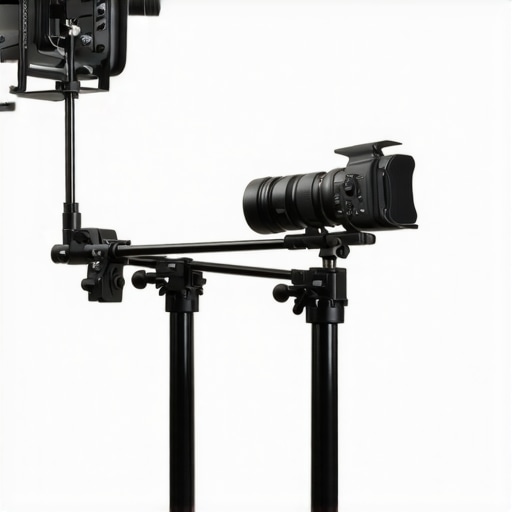
Support arms are crucial for extending your gear’s reach while maintaining stability. When I set up a new lighting rig, I make sure the support arm is securely attached to the C stand’s top grip, then tighten all locking knobs firmly. For heavier equipment, use support arms with reinforced joints. Remember, the key to preventing wobble is evenly distributing weight and securing every connection tightly. For advanced setups, consult this comprehensive guide on boom arm configurations.
Secure Your Setup with Proper Technique
Once your stand and arms are in place, double-check all locking mechanisms—clamps, knobs, and screws. I once spent extra time tightening everything after initial setup, which saved me from a light falling during a shot. Use sandbags or weights at the base of your C stand to lower the center of gravity, especially outdoors or on uneven surfaces. Also, avoid overextending support arms beyond their recommended reach, as this can cause imbalance and wobble. For tips on stabilizing your entire setup, visit this stability guide.
Regularly Inspect and Maintain Your Gear
Support gear isn’t a set-it-and-forget-it deal. Regular inspections for bent joints, rust, or loose bolts can prevent accidents. I make it a habit to check my stands and support arms before every shoot, tightening any loose parts. If a support arm shows signs of wear, replace it immediately to avoid failure during critical moments. Proper maintenance prolongs your gear’s life and ensures safety during demanding shoots. To explore essential maintenance routines, see this light stand essentials guide.
Optimize Your Setup for Different Environments
Indoor studio shoots demand different setup techniques than outdoor shoots. Indoors, I rely on solid, heavy stands with minimal wind considerations. Outdoors, I add extra weights and secure my stands with sandbags or weights. I also choose support arms with locking features that resist sudden movements caused by wind or accidental bumps. Adjust your approach based on the environment to maintain stability. For environment-specific tips, review this list of best stands for various settings.
Many filmmakers believe that all support gear is created equal, but in reality, some misconceptions can lead to costly mistakes. For example, a widespread myth is that cheaper C stands and support arms are sufficient for professional shoots. However, in my experience, cutting corners here can compromise stability and safety, especially when supporting heavy or delicate equipment. A sturdy, high-quality C stand with reinforced joints not only ensures your gear stays secure, but it also reduces setup time and frustration. To avoid the trap of underestimating support gear, I recommend consulting this guide for selecting the right support equipment for your needs.
What do many overlook about support arm placement and tension?
One common oversight is neglecting the correct tensioning and positioning of support arms. Many assume that tightening knobs enough is sufficient, but over-tightening can cause stress on joints, leading to bending or failure over time. Conversely, under-tightening can cause wobble or slippage during critical moments. The secret, which many advanced users understand, is to tighten support arms just enough to eliminate play without over-compressing the joints. Proper tensioning distributes weight evenly and maintains stability, especially when extending gear far from the stand’s center. For detailed techniques, I recommend reviewing this setup guide. This nuance often escapes beginners but pays dividends in professional settings.
Another nuance is understanding the maximum reach of your support arms and avoiding overextension. Many get excited about extending their arms as far as possible without considering the impact on stability. In fact, exceeding recommended reach can cause wobbling or even toppling if the weight distribution isn’t carefully managed. Always check the manufacturer’s specifications and use additional weights like sandbags to counterbalance. This advanced tip ensures your setup remains rock-solid, even outdoors or in challenging environments. For tips on stabilizing your entire rig, see this stability guide.
Finally, many overlook the importance of regular maintenance. Support gear with bent joints or rust can become hazards unexpectedly. Regularly inspecting and tightening all connections, and replacing worn parts, prolongs your gear’s lifespan and prevents accidents. This proactive approach is often the difference between a smooth shoot and a disaster waiting to happen. To dive deeper into maintenance routines, visit this maintenance guide.
Have you ever fallen into this trap? Let me know in the comments. Remember, investing time in understanding these nuances can save you time, money, and stress in the long run.
As filmmakers, our gear is our lifeblood, and keeping it in peak condition requires more than just occasional cleaning. Investing in the right tools and establishing a consistent maintenance routine can extend the lifespan of your equipment and ensure reliable performance on every shoot. I personally swear by a few specific products that have saved me countless times when unexpected issues arise during critical moments.
How do I maintain my gear over time?
First, I always keep a dedicated toolkit for my support gear. A high-quality Allen wrench set, like the Wiha Precision Hex Key Set, has been invaluable for tightening loose bolts on C stands and support arms. I also use a soft microfiber cloth combined with a gentle, electronics-safe cleaner to wipe down supports and prevent dust accumulation, which can cause rust or wear. Regularly inspecting joints for signs of stress or bending is crucial; I recommend doing this before every shoot. If you notice any compromised parts, replacing them immediately prevents accidents and costly repairs later.
For more detailed maintenance routines, check out this guide. It covers essential checks and tips that keep your gear performing flawlessly season after season.
Why choose specific tools for maintenance
Over time, I’ve found that investing in quality tools like the Park Tool THT-1 Torque Wrench helps me dial in the perfect tightness on locking knobs, preventing both over-tightening—which can cause damage—and under-tightening, which leads to wobble. Maintaining proper tension on support arms not only enhances stability but also prolongs their lifespan. Using dedicated tools ensures precision and prevents damage from makeshift solutions. For a comprehensive overview of essential maintenance tools, visit this resource.
Future trends in gear upkeep
As technology advances, I predict that smart maintenance tools, like sensor-enabled support stands that alert you to loosened bolts or stress points, will become standard. These innovations will help us catch issues early, saving time and money. Until then, sticking with tried-and-true manual tools combined with regular inspections remains the best strategy.
For those looking to upgrade their maintenance routines, I highly recommend trying out a magnetic parts tray to keep small components organized during repairs. It’s a simple upgrade that prevents lost screws and makes reassembly smoother. Remember, a little proactive care goes a long way—your gear will thank you with consistent performance and durability. If you want expert tips on building a maintenance routine, explore this guide.
So, why not pick one of these tools today and commit to a regular maintenance schedule? Your gear—and your shoots—will run smoother, and you’ll avoid costly surprises down the line.
The Hardest Lesson I Learned About Support Gear
One of my biggest mistakes was underestimating the importance of quality support gear early on. I thought cheap stands and arms would suffice, but they wobble and bend just when I needed stability most. It taught me that investing in sturdy, reliable equipment saves time and prevents equipment damage in the long run.
3 Myths About C Stands That Held Me Back
Many believe all C stands are created equal, or that heavier stands are always better. I used to think that, but learned that quality design and locking mechanisms matter more than weight alone. Choosing the right stand depends on your specific needs and environment.
What Experts Won’t Tell You About Support Arms
One secret is proper tensioning. Over-tightening support arms can stress joints, while under-tightening causes wobble. Finding the right balance and securing every connection tightly makes a huge difference in stability and safety during shoots.
My Essential Toolkit for Support Gear
I rely on tools like the Wiha Precision Hex Key Set for tightening bolts and a magnetic parts tray to keep small components organized. Regular inspections and maintenance routines, like cleaning joints and replacing worn parts, are vital to keep my gear in top condition.
Where to Go from Here
If you want to elevate your filmmaking support setup, check out resources like this guide on choosing the perfect C stand and this comprehensive boom arm setup guide. These will help you make informed decisions and avoid costly mistakes.
Your Turn to Try Support Stability
Have you ever struggled with a support stand wobbling or toppling during a shoot? Share your experience below and let’s learn from each other’s lessons to become better filmmakers in 2024.
,