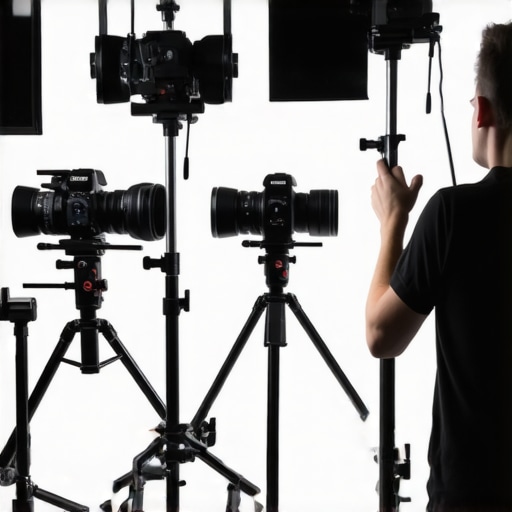
Ever spent hours setting up a shot, only for your equipment to wobble or collapse just as you’re about to hit record? I remember the frustration vividly—an entire day wasted because I underestimated the importance of reliable support gear. It was a lightbulb moment that transformed my approach, and I want to share that with you.
Why Your Support Gear Can Make or Break Your Shoot
When I first started filmmaking, I thought I could get by with cheap tripods and makeshift rigs. Big mistake. Not only did my shots suffer from instability, but I also risked damaging delicate equipment. Over time, I realized that investing in quality C stands, tripods, and camera rigs isn’t a luxury—it’s a necessity for professional results. These tools provide the stability and flexibility needed to bring your creative vision to life. Today, I’ll walk you through how to choose the right gear and avoid rookie mistakes.
Have You Faced This Common Support Equipment Dilemma?
If you’ve ever wrestled with a tripod that wobbles during a crucial shot, or a C stand that refuses to hold your light steady, you’re not alone. Early on, I bought cheap stands that looked good but couldn’t handle the weight or the movement. That mistake taught me a vital lesson: quality support gear is an investment in your professionalism and peace of mind. Want to learn how to pick equipment that lasts and performs? Stick around. We’ll explore the best options for every budget and setup, and I’ll share insider tips to make your shoots smoother and safer.
Select Support Equipment That Lasts
Start by assessing your specific filming needs. For on-location shoots, choosing the right C stand is crucial. Look for sturdy materials like aluminum or steel, and verify weight capacity and stability features. I once used a lightweight stand in a windy outdoor shoot, and it toppled, risking damage to my gear. Replacing it with a heavy-duty C stand saved my shoot and improved safety.
Understand Tripod Stability
Invest in tripods with robust locking mechanisms and high load capacity. When I upgraded to a tripod with a fluid head and secure locks, my shots became noticeably smoother, and setup times decreased. For detailed tips, check out mastering tripod stability. Always test your tripod on different surfaces before shooting to ensure it won’t wobble under your camera’s weight.
Build a Reliable Camera Rig
Creating a custom camera rig tailored to your shooting style enhances stability and flexibility. Use this guide to assemble a rig that balances weight and maneuverability. I recently assembled a rig for a documentary shoot, which allowed me to switch between handheld and tripod modes seamlessly, drastically improving shot quality and comfort.
Choose the Right Support Gear for Your Budget
Quality gear doesn’t always mean expensive. For beginners, starter kits with reliable features offer a good balance. As you grow, investing in premium models like top-tier C stands and tripods will pay off in durability and performance. Remember, support gear is an investment—skimping on quality often leads to costly mishaps or repeated replacements. For a comprehensive overview, explore best support gear options.
Test and Maintain Your Equipment Regularly
Ensure your gear stays in top condition through routine checks. Tighten loose screws, lubricate moving parts, and inspect for wear and tear. During a recent shoot, I neglected this step and faced unexpected tripod wobble mid-recording. A quick preventive maintenance routine saved me hours of re-shoots and headaches. Keep a checklist and schedule regular maintenance to extend your equipment’s lifespan and reliability.
Many filmmakers believe that investing in support equipment like tripods and C stands is straightforward—just pick the cheapest reliable option and go. However, this oversimplification often leads to costly mistakes that compromise shot stability and safety. Let’s dig deeper into what most people get wrong and how to avoid these pitfalls. First, the common myth is that all support gear performs equally. In reality, materials, build quality, and design nuances significantly impact performance, especially under demanding conditions. For example, a lightweight aluminum C stand may seem convenient but might lack the stability needed for heavy lighting or outdoor winds, risking gear damage or injury. To ensure your setup is resilient, focus on selecting the right C stand based on your environment and load requirements. 
Another mistake is underestimating the importance of proper tripod stability. Many beginners buy cheap tripods with flimsy locks or plastic components, assuming they’ll be fine. But, as I learned through experience, upgrading to tripods with robust locking mechanisms and high load capacity dramatically improves shot quality. Advanced users should also consider mastering tripod stability techniques, such as testing on different surfaces and adjusting tension settings for maximum steadiness.
Have you ever fallen into this trap? Let me know in the comments.
Another nuance often overlooked is the maintenance routine. Support gear isn’t just a one-time purchase—regular checks and upkeep extend its lifespan and ensure safety. For example, I neglected to tighten screws before a shoot, which resulted in wobbling tripods and ruined shots. Establishing a routine maintenance checklist helps prevent these issues and saves time and money in the long run. Remember, investing in quality gear and maintaining it properly is a cornerstone of professional filmmaking. For comprehensive advice on building durable support setups, check out this guide.
Maintaining your support gear isn’t just about avoiding breakdowns; it’s about ensuring every shot is stable, safe, and professional-looking. Over the years, I’ve learned that a little routine maintenance can save you a lot of headaches and money in the long run. From simple cleaning routines to detailed inspections, staying vigilant keeps your support equipment ready for any shoot.
How do I maintain my filming support gear over time
Start with a regular inspection schedule. After each shoot, wipe down your C stands, tripods, and light stands with a soft cloth to remove dust and debris. Check all locking mechanisms for signs of wear or looseness—this is where problems often start. For moving parts like adjustable arms or height mechanisms, apply a small amount of lubricant, such as silicone spray, to keep everything operating smoothly. Be cautious not to over-lubricate, as excess can attract dirt and grime, which might cause more harm than good.
Particularly for tripods, verify the stability by testing on different surfaces. If you notice wobbling or unevenness, it might be time to tighten or replace some components. For C stands, inspect the casters and base plates. If they’re worn or rusted, replacing these parts can prevent accidents and ensure longevity. I personally recommend using this detailed guide to help identify critical maintenance points and proper care routines.
Another key aspect is storing your gear properly. Keep stands and rigs in a dry, cool environment, preferably in padded cases or racks to prevent damage. Avoid stacking stands haphazardly, which can cause warping or bending over time. If you’re working outdoors, rinse off salt or dirt after exposure to harsh conditions and dry thoroughly before storage.
Remember, equipment that’s well-maintained not only lasts longer but also performs better. Think of it as an investment—skimping on maintenance can lead to costly replacements or dangerous failures during critical shots. Make it a habit to review your gear regularly, and don’t hesitate to replace worn-out parts promptly. For example, upgrading your support gear with high-quality components like those listed in this resource can dramatically improve your setup’s reliability.
To keep your filming equipment working seamlessly, consider creating a maintenance checklist—tightening screws, lubricating moving parts, and inspecting for damage. This proactive approach will help you catch issues early before they escalate, saving you time, money, and stress. And if you’re ever unsure about specific maintenance procedures, consult the detailed technical documentation or reach out to support experts through our contact page. Now, try adopting one of these advanced maintenance tips today and see the difference it makes in your next production!
The Hardest Lesson I Learned About Support Equipment
One of my biggest wake-up calls was realizing that cheap, flimsy tripods and stands can derail even the most carefully planned shoot. I once relied on a lightweight stand outdoors, only to have it topple in the wind, risking my expensive gear. That moment made me understand the importance of investing in durable, high-quality support gear like C stands that can withstand real-world conditions.
Why I Almost Lost a Shot Because of Poor Maintenance
Neglecting routine maintenance almost cost me a crucial scene. A simple inspection, tightening screws, and lubricating joints could have prevented wobbling and instability. This taught me that consistent upkeep keeps my support gear reliable, saving me from costly re-shoots. Now, I make it a point to check my stands and tripods after every shoot, following detailed routines found in this comprehensive guide.
How Proper Support Gear Transformed My Shooting Experience
Switching from budget gear to sturdy, well-designed support equipment was a game-changer. My shots became steadier, setup faster, and I felt more confident during outdoor shoots, even in challenging weather. Investing in quality gear like robust tripods and sturdy C stands has paid off many times over, proving that support gear is a foundation for professional results.
My Favorite Resources for Support Gear Mastery
Over the years, I’ve found some invaluable tools and references that have enhanced my setup:
- CreatorRig’s ultimate guides—a treasure trove for selecting and maintaining reliable support gear.
- Top tripods and C stands—for finding equipment that balances quality and budget.
- Lighting support essentials—to support your lighting setup with confidence.
Keep Support Gear Reliable and Your Creativity Flourishing
Support equipment isn’t just a tool; it’s the backbone of your filmmaking process. By choosing durable gear, maintaining it consistently, and learning from seasoned professionals, you ensure every shot is stable, safe, and high-quality. Remember, the effort you put into your support gear directly impacts your creative freedom and the professionalism of your work. So, get out there, invest wisely, and support your vision every step of the way!
What’s the biggest support gear mistake you’ve made, and how did you fix it? Share your story below—I’d love to hear your experiences!
Reading this post really resonated with me. I once underestimated the importance of support gear and bought a cheap tripod for a quick shoot, thinking it would be fine. It worked initially, but during the most crucial moment, it started wobbling unexpectedly, which almost ruined the shot. That experience drove home the point that investing in quality equipment isn’t just about durability; it’s about avoiding costly setbacks and ensuring safety.
Since then, I’ve switched to more reliable gear and make routine maintenance a priority, checking everything thoroughly before each shoot. What I find interesting is how much these small preventive steps can improve overall confidence on set. Do others have particular routines or tips for quick gear checks that help prevent surprises? I’d love to hear what works best for you in keeping support gear in top shape without losing precious time during production.
This post hits home, especially the point about routine maintenance. When I first started, I overlooked how essential regular checks are, often assuming support gear would hold up without much care. But I quickly learned that a simple inspection and cleaning after each shoot dramatically reduces surprises during critical moments. My routine includes tightening all screws, wiping down the stands to remove dust, and lubricating moving parts with silicone spray. For outdoor shoots, I also rinse off salt residue after exposure to harsh conditions.
From your experience, what’s the most overlooked aspect of support gear maintenance that beginners might forget? I’d love to hear more tips on keeping equipment in prime condition, especially under budget constraints. Maintaining gear isn’t glamorous, but it’s clearly a cornerstone of professional filmmaking, ensuring safety and shot stability. It makes me wonder—has anyone found an affordable yet effective way to streamline these checks without taking up too much setup time? Sharing these small routines could really help others improve their reliability and confidence on set.