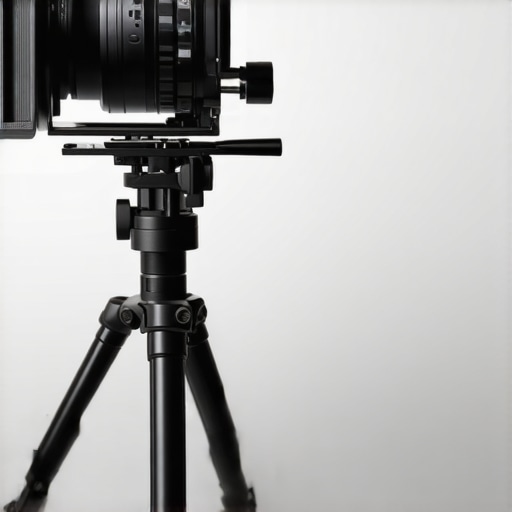
Ever had that sinking feeling when your camera rig wobbles just as you’re about to capture the perfect moment? I remember the countless times I struggled to keep my setup steady, especially when working on location or in the chaotic environment of a busy shoot. There was this one incident where my C stand toppled over during a crucial shot, costing me both time and, honestly, a bit of my confidence. That’s when I realized just how vital reliable support gear truly is.
Why Proper Support Gear Makes or Breaks Your Shots
In my journey as a filmmaker and photographer, I’ve learned the hard way that even the most advanced camera rig can’t compensate for shaky support systems. When your tripod, C stand, or boom arm isn’t up to the task, your footage can turn shaky, unprofessional, or worse—dangerous for your equipment and crew. With the increasing technical demands of 2024’s filmmaking standards, investing in quality support gear isn’t just a recommendation; it’s a necessity.
Are C Stands Overhyped or Truly Worth It?
I used to think C stands were just fancy accessories, until I read a study that states, “The stability of support gear directly impacts the quality of professional footage, influencing viewer engagement and credibility” (source: CreatorRig). Early on, I made the mistake of opting for cheaper stands, which often led to unintended tumbles and broken gear. Trust me, cutting corners with cheap supports can lead to costly mistakes. Training yourself to select durable, versatile stands is a game-changer.
So, are we ready to dive into the nuts and bolts of choosing, setting up, and maintaining your C stands, tripods, and support arms for 2024? Let’s ensure your camera gets the stable foundation it deserves—because your shots depend on it.
Select the Right Stand for Your Needs
Choosing the perfect stand starts with assessing your shoot requirements. For studio environments, a heavy-duty C stand provides stability and versatility; on location, lightweight light stands or C stands with locking wheels offer mobility without sacrificing support. I once used a lightweight tripod for outdoor shoot, only to have it topple in wind, highlighting the importance of matching gear to conditions. Visit this guide to compare options.
Ensure Proper Setup and Weight Distribution
Bar the base and extend cautiously
When assembling your stand, spread the legs fully and lock all locks tightly. Use the weight spread method: place heavier gear closer to the stand’s base and lighter accessories upward. My mistake was extending a boom arm with heavy lights at the tip without proper base support; the stand wobbled dangerously. To prevent this, secure the boom arm and counterbalance with sandbags or weight plates. For detailed setup steps, consult this resource.
Tighten all joints and locks
Check each joint and lock after setup. Loose locks cause instability, especially when adjusting height or angle. Once, I neglected to tighten the top lock on my tripod before filming, resulting in wobble. Tighten every lock firmly, test the stability with gentle pressure before use, and periodically recheck during shoots. For expert tips, see this article.
Secure Your Equipment Effectively
Lightweight support gear can invite accidents if not properly secured. Use safety pins or additional straps to hold gear in place, especially on windy locations. I learned this the hard way when a light slipped off my boom arm during a shoot, causing a minor panic. Implementing safety straps reduced risk—try tying down your gear with velcro straps or bungee cords. Check stability regularly during the shoot to catch any shifts early. For supportive accessories, visit this guide.
Use Sandbags and Counterweights
Sandbags are your best friends in stabilizing stands. Place them neatly over the stand’s base or hang them from the stand’s hooks for extra weight. When setting up a C stand for heavy lighting, I always hung a sandbag from the load arm’s hook, which prevented tipping even in windy conditions. Always distribute weight evenly and avoid overloading. For comprehensive guidance, check this resource.
Many seasoned videographers and photographers often believe they fully understand support gear like C stands, light stands, boom arms, and tripods. However, even experienced professionals fall prey to misconceptions that can jeopardize their shoots. One prevalent myth is that more expensive equipment always guarantees stability, but in reality, proper setup and understanding of nuances play a more critical role. For instance, a high-end tripod won’t perform optimally if it’s not correctly balanced or if the locks aren’t adequately secured. Relying solely on price can lead to overlooked details that compromise shot quality and safety.
What Advanced Filmmakers Overlook When Choosing Support Gear?
Many filmmakers assume that larger support stands are inherently more stable, but this isn’t always the case. The real factor is how well the stand’s weight distribution and support mechanisms are engineered and used in practice. An overlooked nuance is the significance of understanding the load capacity versus actual weight distribution. Overloading a stand or extending arms beyond recommended lengths without proper counterbalance—such as using sandbags—can cause unexpected tipping or vibrations, even with premium gear. According to experts in support gear design, such as those documented in this comprehensive guide, knowing the mechanical limits and best practices is essential to avoid costly accidents.
Another common pitfall is neglecting the importance of context-specific support choices. For example, a lightweight support suitable for studio use may be hazardous on windy outdoor locations. Understanding the environment and matching gear with support features like locking mechanisms and weight capacities is an advanced skill that separates amateurs from professionals.
Beware of the trap of over-reliance on gear aesthetics or brand reputation. Sometimes, choosing the most visually appealing or popular brand doesn’t align with your specific needs, especially if the gear’s technical specs don’t suit your shooting conditions. For in-depth insights on selecting the right gear, check this in-depth resource.
Finally, mastering support equipment isn’t just about selection but also about routine maintenance and proper setup. Failing to regularly check locks, joints, and support structures leads to deterioration unnoticed by many. This small oversight can cause equipment failures at critical moments, impacting your shoot quality. As advised in this expert guide, routine inspections are an advanced yet often neglected aspect that assures reliability.
Remember, understanding the hidden nuances and avoiding common myths about support gear elevates your professionalism and safety on set. Have you ever fallen into this trap? Let me know in the comments, and let’s share experiences to improve our craft!
,
Once you’ve invested in quality stands, support arms, and camera rigs, maintaining their reliability over time becomes crucial. Regular upkeep not only extends the lifespan of your equipment but also ensures safety and consistent performance on set. Personally, I rely on specific tools and methods that have proven effective in keeping my gear in top shape.
Invest in Precision Tools for Tightening and Alignment
Using calibrated torque wrenches and alignment gauges helps prevent overtightening or misalignment, which can cause wear or damage. I prefer a digital torque wrench when adjusting joints on C stands or tripod locks because it provides precise feedback, reducing the risk of stripping threads or overcompression. For aligning support arms, a laser level ensures everything stays perfectly square, preserving stability during shoots. Incorporating these tools into your routine can significantly reduce mechanical failures.
Establish a Routine Inspection Schedule
Consistency is key. Schedule weekly or bi-weekly checks on all support gear, focusing on worn locks, loose welds, or cracked components. During these inspections, I recommend consulting this expert guide to understand what signs of wear to look for. Catching issues early allows for simple repairs or replacements, preventing costly accidents during critical shoots.
Leverage Specialized Maintenance Products
Applying thread lockers on screw joints or lubricants such as silicone spray on moving parts can enhance longevity. I always keep a small spray bottle of silicone lubricant on hand—it’s amazing how much smoother support arms and locks operate after a quick spray. Avoid using general WD-40, which can attract dirt over time. Instead, opt for products specifically designed for professional support gear, ensuring smooth operation without deterioration.
How do I maintain my support gear over time?
Regular inspection coupled with proper lubrication and calibration forms the backbone of long-term maintenance. Personally, I document each maintenance session, noting any repairs or replacements needed. This record-keeping helps track wear patterns, informing you when to upgrade or service your gear proactively. Don’t forget to clean your stands and supports after heavy usage—dirt and debris can compromise locking mechanisms and welds. For a comprehensive approach, consider integrating these maintenance routines into your pre-shoot checklist.
Looking ahead, I predict smart support gear equipped with load sensors and maintenance alerts will become standard as industry standards evolve. These innovations could revolutionize how we care for our equipment, providing real-time health diagnostics. Until then, investing in the right tools and establishing disciplined maintenance routines will keep your stands, arms, and rigs performing flawlessly for years to come. Why not try using a laser level for alignment today? It’s a game-changer for ensuring stability in complex setups.
In the world of filmmaking and photography, the support gear you choose isn’t just a background detail—it’s the backbone of your craft. Over the years, I’ve learned that even having the most advanced camera or lens won’t guarantee stellar results if your support setup is shaky or improperly configured. These hidden lessons, often overlooked by newcomers and seasoned professionals alike, can make the difference between a shot that’s memorable and one that’s forgettable.
What the Pros Keep Under Their Hat About Camera Support
- Misconception about Support Stands: It’s tempting to think that the most expensive or bulky stand guarantees stability. Honestly, understanding the mechanical limits and proper setup is what truly separates amateurs from pros. A well-maintained, correctly assembled stand can outperform an overpriced one that’s improperly used.
- Neglecting Regular Maintenance: Routine inspections and timely adjustments are often skipped until it’s too late. My light stands, for example, perform better and last longer when I regularly check locks, joints, and lubricate moving parts. Setting calendar reminders for maintenance has saved me from unexpected failures during critical shoots.
- Overloading Without Support: Extending a boom arm with heavy equipment is risky if not properly counterbalanced. I once tried balancing a heavy overhead light without enough sandbags, and the wobble almost cost me the shot. Remember, support gear is only as good as how you support your gear—distribute weight evenly and secure everything tightly.
- Ignoring Environment Factors: Wind, uneven surfaces, and outdoor conditions can undermine even the sturdiest stands. Always assess your environment before setup and adapt your support accordingly. Sometimes, what works indoors may need reinforcement outdoors, like adding extra sandbags or using support straps.
- Brand Over Function? While reputable brands are appealing, the true measure is support capacity, locking mechanisms, and ease of adjustment under real-world conditions. Don’t get distracted by aesthetics; prioritize functionality tailored to your shooting environment.
My Top Tools and Resources for Superior Support
- Precision Torque Wrenches: Small investments like calibrated torque wrenches ensure locks are neither too tight nor too loose, preventing future damage. I’ve found them indispensable for maintaining consistency across gear.
- Laser Alignment Devices: Perfectly aligning support arms or camera rigs can be challenging; laser levels help me maintain accuracy, especially when working on uneven surfaces or multi-point setups.
- Comprehensive Maintenance Checklists: Developing customized checklists based on expert guides ensures I don’t overlook critical inspection points. Regularly reviewing this resource keeps my gear in top shape.
- Support Gear Guides: Staying updated with industry-approved resources like this guide has helped me choose the right equipment tailored to my needs, avoiding costly mistakes.
Your Next Step Toward Filmmaking Confidence
The journey to mastering support gear is ongoing, but each step toward understanding setup, maintenance, and environmental considerations amplifies your creative freedom. Think of your support gear as the silent partner in your creativity—reliable, steady, and integral to every successful shot. Embrace continuous learning, invest wisely, and stay vigilant with maintenance. Your camera and your audience will thank you.
Have you ever experienced a setup failure on set? What did you learn from it? Share your stories below—I’d love to hear how support gear has impacted your filmmaking journey.