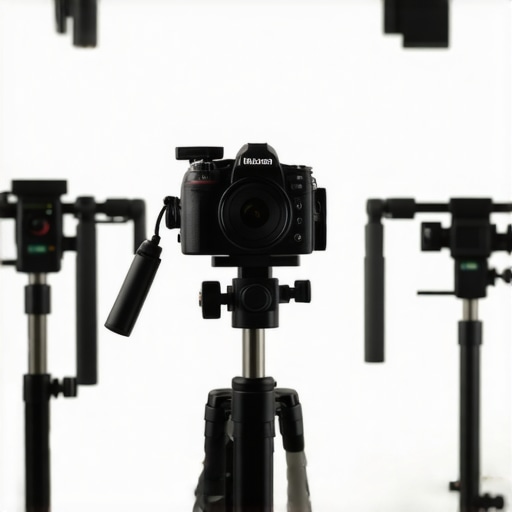
I remember the moment vividly—my first major shoot, and my light stand crumpled under the weight of a heavy light, causing a cascade of chaos on set. It was this gut-wrenching realization that my equipment, if not chosen wisely, could sabotage hours of planning and hard work. That day, I understood something crucial: in filmmaking, your equipment is the foundation of reliability. Get it wrong, and everything else collapses.
Why Choosing the Right Support Gear Keeps Your Shots Stable in 2024
Most filmmakers overlook the importance of selecting the proper light stand, tripod, or C-stand until it’s too late. But the truth is, these aren’t just accessories—they are critical to achieving steady, professional results. The right support gear ensures safety for your gear, maintains shot consistency, and even saves time during tricky setups. Believe me, a well-chosen stand can be the difference between a smooth shoot and one plagued with wobbling and shaky footage. With so many options available, from lightweight travel tripods to heavy-duty C-stands, navigating the choices can feel overwhelming. Fortunately, understanding your specific needs and equipment features can guide you toward the best picks for 2024.
Is Price Really a Proxy for Quality in Support Gear?
Early on, I made the mistake of assuming that the most expensive support gear guaranteed the best performance. That was wrong. Sometimes, a premium price tag hides a product that’s over-engineered for my needs. Conversely, I once bought a cheap tripod that lasted only two shoots before collapsing. Do your homework! Check reputable sources, read reviews, and consider the weight load, height, and portability. For guidance, I recommend exploring this comprehensive guide to light stand essentials. It’s helped me avoid costly mistakes and ensure my gear remains steady.
Are you frustrated with unstable setups or wasted time fiddling with equipment that just won’t hold? Trust me, the right gear is out there. Once we pinpoint your specific challenges, I’ll walk you through the practical steps to select equipment that matches your filming style and budget. Let’s get started on making your lighting and support gear work for you, not against you.
Assess Your Filming Environment
Start by analyzing where you’ll shoot most often—studio, on-location, or a mix. Consider space constraints, lighting needs, and movement. For instance, I once filmed outdoors in a crowded park; I realized my lightweight tripod wasn’t stable enough on uneven ground, leading me to upgrade to a more robust model. Recognizing these nuances guides your gear choices effectively.
Match Gear to Your Equipment and Vitals
Identify the weight and size of your main equipment—camera, lights, accessories—and select stands and supports that can handle those loads comfortably. Think of it as choosing a sturdy ladder: a lightweight step ladder won’t support a heavy painting, just like a small tripod won’t support a hefty camera rig. I recommend reviewing certified support gear specifications to avoid mishaps. Check out this guide on building custom camera rigs for insights on compatibility and support needs.
Prioritize Stability Through Proper Setup
Ensure your support gear is assembled and balanced correctly. Lock all joints and extend supports gradually—never force components. I once rushed to set up, neglecting to tighten the knob on my C-stand, which caused the light to topple mid-shoot. Using a level and double-checking stability can save you from costly reshoots. For complex setups, consider combining support gear; for example, attaching a boom arm to a C-stand can provide overhead lighting without wobble. Learn the best practices in this C-stand and boom arm setup guide.
Select the Right Support Gear for the Job
Choose stands that fit your activity. Light stands excel for small LED panels or flags, but for heavier lights or multiple modifiers, a heavy-duty C-stand is indispensable. Think of it as choosing between a skateboard and a skate ramp—each designed for different loads and stability. When in doubt, lean towards stronger gear to prevent accidents. Consider this essential C-stands guide to match your needs.
Practice Regular Maintenance and Checks
Ensure your gear stays in top condition through regular inspections—tighten knobs, check for rust, and replace worn parts. A loose bolt caused my light stand to wobble during an important shot, which I only noticed afterward. Developing a checklist for pre-shoot support gear checks dramatically improves stability and safety. Keep your equipment reliable by reviewing maintenance routines found in the comprehensive maintenance guide.
Many filmmakers fall for the misconception that all support gear is created equal, believing that a cheaper light stand or tripod will suffice for professional work. However, this oversimplification overlooks critical nuances that can make or break your shot stability. For instance, some assume that increasing the weight of support gear automatically reduces wobble, but without proper construction and rigidity, heavier isn’t always better. In my experience, understanding the engineering behind support gear helps avoid disastrous collapses during critical takes. One common trap is neglecting to assess the maximum load capacity; exceeding it, even slightly, can cause sudden failure, risking equipment damage and delays. Take the time to review technical specs and choose gear that exceeds your maximum load, providing a safety margin. Many assume support gear durability is only about material quality, but factors like joint locking mechanisms and center of gravity also play key roles in stability. A mistake I made early on was trusting support gear based solely on brand reputation; after experiencing wobbling and toppling, I realized hands-on testing and reviews are indispensable. For advanced filmmakers, the question isn’t just about choosing a stand, but about optimizing your setup for dynamic environments. How do support gear and setup techniques influence shot stability in unpredictable conditions? This is where mastering support gear setup, including correct tensioning and environmental adaptation, becomes essential. For comprehensive insights into building a robust support system, I recommend exploring this guide on camera rig building. Remember, overlooking these subtleties can lead to compromised footage and costly reshoots. Have you ever fallen into this trap? Let me know in the comments.
Keep Your Equipment Running Smoothly with Proper Maintenance
Investing in high-quality support gear like support arms, C-stands, and tripods is only part of the equation. To ensure they serve you reliably over time, regular maintenance becomes essential. Every piece of gear, from the locking knobs to the extendable supports, faces wear and tear, especially in demanding shooting environments. Personally, I dedicate time each month to inspect my support gear thoroughly, tightening loose screws, lubricating pivot points, and checking for rust or corrosion. This proactive approach minimizes unexpected failures during critical shoots. This ultimate guide to C-stands and boom arms offers detailed routines that have saved me from costly on-set mishaps. Make it a habit to keep all joints and locking mechanisms clean and well-lubricated to maintain peak performance. Remember, well-maintained gear not only lasts longer but also guarantees safety and stability during filming.
How do I maintain my support gear over time?
Use a dedicated checklist for each shoot, noting any loose or worn parts, and schedule quarterly deep inspections. Keep all supports clean and store them in dry, covered spaces to prevent rusting. I also recommend replacing worn rubber feet and damaged rubber components immediately, as those are critical for stability. Now, it’s your turn—try implementing a monthly maintenance routine on your key support gear. It might seem a small step, but it dramatically reduces the risk of on-set surprises and ensures your setups stay rock-solid. For more advanced support setup techniques, explore this guide to camera support rigging that helps fine-tune your stability and longevity.
The Hardest Lesson I Learned About Support Gear in Filmmaking
One of the most stubborn misconceptions I held was that all support gear, like tripods and C-stands, was interchangeable. It wasn’t until I experienced a costly topple during a crucial shot that I realized not all stands are created equal. This taught me the importance of meticulously assessing support gear based on the specific demands of each shoot, including weight, stability, and environment.
My Favorite Tools to Elevate Support Equipment Choices
Over time, I’ve come to rely on several resources to guide my support gear selection. The comprehensive guide to camera rigs helped me understand modular support options, while reviews at lighting support essentials clarified the best stands for different setups. Additionally, regular consultation of support gear specifications ensures I don’t overload or underestimate my equipment’s needs.
Your Next Step Toward Filmmaking Confidence
Embrace the journey of mastering support gear, knowing that each setup you perfect minimizes risks and enhances your creative expression. With diligent equipment choices and attention to stability, you’ll craft scenes that are not only visually stunning but also technically sound. Dive deeper into equipment optimization by exploring this in-depth support gear guide. Remember, every successful shoot begins with a foundation of reliable support—make yours unshakable.
This post resonates deeply with me, especially the part about regular maintenance and checking for stability. I’ve learned the hard way that neglecting those basic steps can lead to gear failure during critical moments. Personally, I dedicate time at the start of each shoot to ensure all supports are secure and functioning as they should be. It’s amazing how small checks can prevent big mishaps. I also found that investing in quality support gear makes a significant difference in overall shot stability and safety. I’m curious, how do others manage quick setups when dealing with multiple stands and equipment in tight spaces? Do you have any tips for streamlining support gear organization to save setup time without sacrificing stability? I’d love to hear different approaches and recommendations from the community, as I’m always looking to improve my workflow while maintaining reliable support on set.
Reading this post really hit home for me. I vividly remember a shoot where I used cheap tripods to save costs, only to have one wobble dangerously during a crucial shot. That experience was a wake-up call, emphasizing the importance of investing in reliable, well-engineered support gear. I’ve started organizing my setup better by color-coding support stands and supporting equipment, which has drastically reduced setup time in tight spaces. Also, using quick-release clamps and modular support rigs helps me fine-tune stability quickly. I think one often overlooked aspect is how environmental factors like wind or uneven ground impact support stability. Do others have favorite accessories or setup tricks that help maintain stability outdoors or in challenging conditions? I’d love to hear about your solutions for difficult shooting environments.
This post really underscores how vital support gear is in filmmaking, especially when you’re working in unpredictable environments. I remember a time when I was shooting outdoors and ignored the ground conditions — my lightweight tripod sank into the mud, causing a shaky shot that I had to redo. Since then, I’ve learned to always check the terrain and select supports accordingly. One thing I found helpful is using sandbags or weights especially in windy conditions; they can make a big difference. Do others here have favorite stabilizing accessories or techniques for outdoor shoots? I’m also curious how many of you regularly upgrade support gear as your setups become more complex. I’ve noticed that holding onto old stands without considering their weight capacity or stability can lead to unexpected failures. Consistent evaluation and maintenance seem crucial for long-term reliability. Lastly, do you have recommendations for quick adjustments when shooting with multiple supports in tight spaces? It seems to be a common challenge, and I’d love to hear practical tips to save time while ensuring safety.
Reading this post really made me reflect on my own support setup, especially during outdoor shoots where uneven terrain can quickly undermine stability. I remember a recent project where I underestimated the importance of supporting equipment with sufficient weight and proper feet. I ended up relying on a lightweight tripod on rocky ground, which wobbled under the wind, causing me some stress and a few retakes. Since then, I now always check the ground and use additional support like sandbags or spikes when necessary. It’s incredible how small adjustments, like adding base weights or adjusting support angles, can make a big difference in stability. One question I have is: how do you quickly adapt support gear when conditions change unexpectedly, such as sudden gusts of wind or unpredictable ground shifts? Do you have preferred accessories or methods for stabilizing gear in real-time? I’d love to hear about your tips and experiences on maintaining stability in challenging outdoor environments.