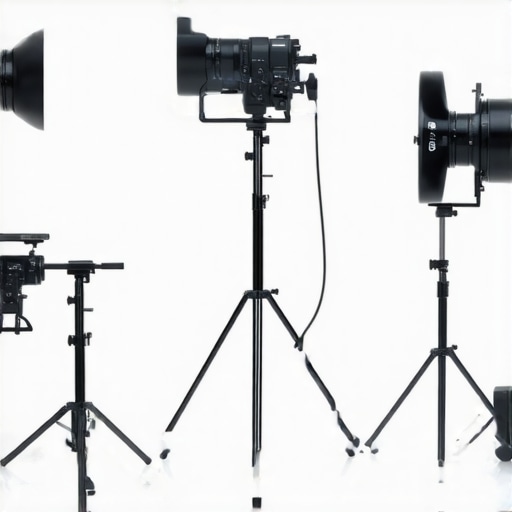
One afternoon, I was setting up for a crucial shoot, only to realize my tripod was wobbling uncontrollably, threatening to ruin the shot. Frustration washed over me as I scrambled to stabilize my gear. That moment was a lightbulb for me—understanding the importance of quality support gear can make or break your filmmaking success. If you’ve ever faced a shaky shot or struggled with cumbersome setups, you’re not alone. Today, I promise to share insights that will help you avoid my rookie mistakes and elevate your production game.
Why investing in the right support gear matters more than you think
Using subpar tripods, C stands, or boom arms can seem like a minor detail, but they are the foundation of professional-looking footage. The stability and flexibility of your support gear directly impact your shot quality, safety of your equipment, and even the efficiency of your workflow. I learned this the hard way early in my career when a poorly chosen C stand caused my light to topple during a critical scene. That mistake cost me precious time and a lot of stress. According to industry experts, a stable tripod or C stand isn’t just a convenience—it’s a necessity for consistent, professional results. If you want your shots to be smooth and your setup to be reliable, understanding the nuances of these tools is essential.
Is the hype around premium support gear really justified?
I used to think that all support gear was basically the same—until I bought a cheap boom arm that kept sagging mid-shoot. It was a costly mistake that taught me a valuable lesson: quality matters. Initially, I believed I could cut corners here, but I quickly realized that investing in sturdy, well-designed equipment saved me time, prevented accidents, and improved my overall production quality. If you’ve ever hesitated to spend a little more on gear that promises stability and durability, consider this your sign to prioritize your setup. For more on building a reliable rig, check out this comprehensive guide.
In the following sections, we’ll explore how to choose the perfect tripod, C stand, and boom arm tailored to your specific needs. Whether you’re shooting in a studio or on location, mastering these essentials will help you achieve professional results every time. Ready to elevate your filmmaking setup? Let’s dive in!
Step Up Your Stability Game with the Right Tripod
Start by selecting a tripod that matches your shooting environment. For studio work, a heavy-duty tripod with a broad base provides unmatched stability, while portable options with quick-release legs are perfect for location shoots. In my experience, a well-chosen tripod like the best tripod for studio efficiency ensures your camera remains rock-steady during critical shots. Always check maximum load capacity and locking mechanisms to prevent unwanted movement.
Secure Your Tripod Properly
When setting up, extend the legs evenly and lock each section firmly. Use a bubble level to ensure the head is perfectly horizontal—this prevents tilt issues during filming. Once stable, tighten all screws and knobs to avoid slippage. Remember, a loose tripod can cause shaky footage or even equipment damage, especially with heavy cameras or lenses.
Enhance Lighting and Support with C Stands and Light Stands
Choosing the right C stand or light stand is crucial for supporting your lights and modifiers. I once used a flimsy light stand that toppled with a slight breeze, ruining a shot. To avoid this, I recommend selecting a sturdy C stand with a wide base and a locking boom arm. This setup provides stability and flexibility, especially when adjusting light angles.
Set Up and Lock Down Correctly
Extend the stand legs fully and lock each joint tightly. When attaching your light or modifier, ensure the grip head is securely fastened. Use sandbags or weights for additional stability if outdoors or in windy conditions. Remember, a stable support prevents accidents and keeps your lighting consistent throughout the shoot.
Optimize Support with Boom Arms for Dynamic Shots
For overhead shots or dynamic lighting, a reliable boom arm is indispensable. I learned this lesson the hard way when a cheap boom arm sagged mid-shoot, causing my light to shift. To avoid this, check out the ultimate boom arm setup guide for best practices. Choose a boom arm with adjustable counterweights and locking mechanisms to maintain balance and prevent sagging.
Balancing and Securing the Boom
Attach your light or camera at the end and adjust the counterweights until the arm is level. Tighten all locking knobs and test for stability. Always double-check the weight distribution before letting go of the arm to prevent accidental drops. Proper balancing not only ensures safety but also smooth movement for dynamic shots.
Integrate Your Gear for a Seamless Rig
Combine your tripods, C stands, and boom arms into a cohesive setup. For guidance on building a robust rig, visit this comprehensive guide. Use quick-release plates and modular accessories to streamline your workflow. Regular maintenance, like tightening screws and checking for wear, keeps your gear reliable over time.
< >
>
Investing time in choosing and setting up your support gear pays off in professional, stable footage. By following these practical steps, you can avoid common pitfalls and elevate your filmmaking quality. Remember, support gear isn’t just equipment—it’s the foundation of your craft.
Many filmmakers assume that support gear like tripods, boom arms, C stands, and light stands are just basic tools, easy to pick and forget. But in my experience, there are nuanced pitfalls and misconceptions that can undermine even seasoned professionals. Let’s dig deeper into what most people get wrong about these essential filmmaking supports and how to avoid costly mistakes.
Are Cheaper Supports Really Just As Good
Everyone says, “You get what you pay for,” but many believe that high-quality support gear is an unnecessary luxury. The truth is, cutting corners here can lead to serious issues. A cheap tripod or C stand may seem sufficient initially but often lacks the stability, durability, and safety features needed for professional work. For example, a flimsy C stand might hold your lights during a shoot but can topple unexpectedly, risking your gear and crew. Investing in sturdy, reliable equipment not only saves time but also ensures safety and consistency. Want to learn how to build a robust rig that lasts? Check out this guide.
Why Most Filmmakers Overlook the Importance of Proper Locking Mechanisms
One common oversight is underestimating the importance of locking mechanisms on tripods and support stands. Many assume that tightening a knob is enough, but over time, these can loosen or slip, especially under heavy loads or during prolonged shoots. This can cause unwanted movement, resulting in shaky footage or even equipment damage. For advanced users, regularly checking and maintaining these locks is crucial. Proper locking prevents mishaps and guarantees stable shots. For detailed tips, see this resource.
What About the Hidden Risks of Using Generic Support Gear Outdoors?
Filmmakers often believe that any support gear will do, even outdoors. However, wind, uneven terrain, and environmental hazards can turn a seemingly stable stand into a disaster. Generic stands lacking wide bases or weight options can tip over easily. Outdoor shoots demand specialized support gear with features like sandbag compatibility and wider footprints. Failing to recognize this can lead to accidents and gear loss. For advanced shooters, integrating support gear into your safety protocols is essential. Need a sturdy outdoor support setup? Visit this guide.
Have you ever fallen into this trap? Let me know in the comments. Mastering support gear is not just about buying quality; it’s about understanding the nuances that can make or break your shoot. Make sure your gear supports your vision, not the other way around.
Maintaining your support gear like tripods, boom arms, C stands, and light stands is crucial for ensuring long-term reliability and optimal performance. Regular upkeep not only extends the lifespan of your equipment but also keeps your shoots safe and professional. One of my go-to methods involves a simple routine of inspection and cleaning after each shoot. I check all locking mechanisms, tighten any loose screws, and wipe down surfaces with a damp cloth to remove dust and debris. This prevents corrosion and wear over time. For more detailed guidance, I recommend visiting this comprehensive resource that covers maintenance essentials for all support gear.
Another essential tip is to organize your gear systematically. Use dedicated cases and label parts to make maintenance easier and prevent misplacement. Investing in quality storage solutions, like padded cases for tripods and color-coded stands, helps protect your equipment from accidental damage during transport and storage. Additionally, applying lubricant to moving parts such as tripod legs or C stand joints can facilitate smoother operation and reduce squeaking or sticking. Be cautious to use lubricants suitable for metal components to avoid corrosion. Regularly reviewing the manufacturer’s maintenance guidelines will also help you stay ahead of potential issues.
As technology advances, some of the newer equipment features smart design elements that simplify upkeep. For instance, quick-release plates on tripods make disassembly and cleaning straightforward. Also, modular support systems allow you to replace or upgrade individual parts instead of the entire setup, saving money and reducing waste. This trend toward modularity is likely to grow, making maintenance even more manageable in the future. To ensure your gear stays in prime condition, I suggest scheduling monthly checks and keeping a maintenance log. This proactive approach prevents minor issues from escalating into costly repairs or replacements.
How do I maintain my support gear over time? I focus on consistency—inspecting all components after each shoot, cleaning thoroughly, and lubricating moving parts. Additionally, I keep an emergency toolkit with spare screws, Allen wrenches, and lubricants handy. For outdoor shoots, I always pack sandbags and weights to stabilize stands in windy conditions, preventing accidents that could damage your gear. Remember, a well-maintained rig is a safe and reliable partner in your filmmaking journey. Try implementing a routine maintenance check every month and see how much longer your gear lasts and performs at its best.
If you’re serious about durability and performance, consider investing in high-quality tools like precision screwdrivers and lubricants designed specifically for support equipment. These small but impactful upgrades can make routine maintenance more efficient and effective. For comprehensive support gear management tips, visit this detailed guide. Keep your gear in top shape, and it will serve you reliably through countless shoots to come.
The Hardest Lesson I Learned About Tripods, C Stands, and Boom Arms
One of the most painful mistakes I made early on was ignoring the importance of quality support gear. I thought a cheap tripod would do the job, but it kept wobbling during crucial shots, ruining the footage and costing me time. That taught me to invest in sturdy, reliable equipment, which transformed my filming quality and confidence.
Why Most Filmmakers Overlook the Power of Proper Locking Mechanisms
Initially, I underestimated how vital secure locks are on stands and tripods. Loose locks can cause unwanted movement or even accidents on set. Regularly checking and maintaining these locks is a game changer, preventing mishaps and ensuring your shots stay steady, no matter the environment.
What I Wish I Knew About Outdoor Support Setup
Outdoors, wind and uneven terrain can turn even the sturdiest stand into a disaster. Using weighted bases and sandbags is non-negotiable. I learned this the hard way when a stand toppled, risking my gear and crew. Proper outdoor support setup isn’t just good practice—it’s essential for safety and professionalism.
Curated Resources That Changed My Support Strategy
- Comprehensive Rig Building Guide: For building a reliable and modular support setup, I trust this detailed guide. It’s helped me streamline my workflow and choose the right components.
- Support Gear Maintenance Tips: Regular upkeep is crucial. I often refer to this resource for maintenance routines that keep my gear in top shape.
- Outdoor Shooting Essentials: When shooting outside, my go-to is this guide on outdoor support gear to prevent accidents and protect my equipment.
Your Turn to Elevate Your Support Game
Mastering support gear isn’t just about buying the best equipment; it’s about understanding how to use it safely and effectively. Whether you’re on location or in the studio, your support setup can make or break your shoot. Are you ready to take your support game to the next level? Explore these resources, apply the lessons learned, and watch your filmmaking quality soar.
What’s been your biggest challenge with support gear? Let me know below!
This post hits a lot of points that resonated with me, especially the importance of investing in quality support gear. I remember a shoot where my lightweight C stand started wobbling just as I was about to take a crucial shot, and I had to scramble to stabilize it with sandbags. Since then, I’ve realized that the cost of cheap gear can quickly add up when it causes delays or accidents. I’m curious, for outdoor shoots, what are some specific features to look for in support gear to ensure stability in windy conditions? I’ve heard adding wider bases or using more robust sandbag attachments can help, but I’d love to hear others’ experiences. Also, maintenance is something I’ve overlooked before; do you have a routine for inspecting and prolonging the life of your stands and supports? Thanks for sharing such practical insights—definitely saving this for future reference!