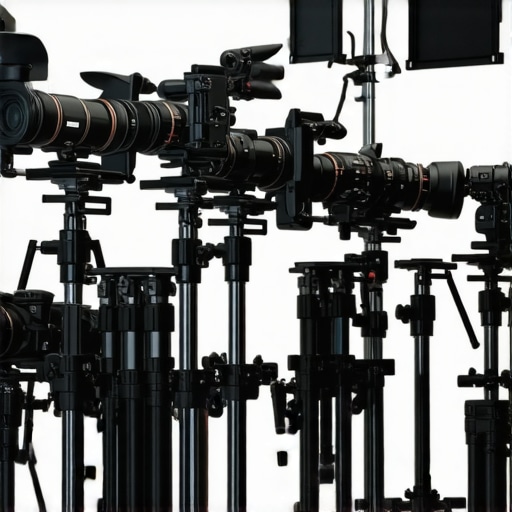
I remember the exact moment I realized my shaky shots were sabotaging my filmmaking dreams. It was late at night, I was eager to capture that perfect scene, but my tripod wobbled like a leaf in the wind. The frustration hit hard. That lightbulb moment drove me to dig deep into what makes a camera rig truly reliable. Since then, I’ve learned that choosing the right gear isn’t just about brand names or flashy features; it’s about understanding how your equipment can elevate your storytelling.
Why Proper Support Gear Can Make or Break Your Film
Every filmmaker, whether a hobbyist or a seasoned professional, faces the challenge of keeping shots steady and lighting consistent. I’ve lost countless takes because of unstable tripods or support gear that just didn’t cut it. It’s an expensive mistake that can be avoided with a bit of knowledge. Proper support gear isn’t just about convenience—it’s about creating a solid foundation for your creative vision. When your camera and lights are secure, your shots look more professional, and your stress levels drop. Trust me, investing time to understand this stuff now will save you hours of frustration later.
Do you find yourself battling unstable equipment that ruins your shots? If so, you’re not alone. Many filmmakers underestimate the importance of quality support gear until it’s too late. That’s exactly why this guide exists—to help you make smarter choices and avoid my early mistakes.
Will This Gear Really Improve My Shots or Is It Just Hype?
One mistake I made early on was overspending on fancy gear without understanding its actual benefits. I bought a high-end tripod that looked impressive but was too heavy to carry around comfortably. It seemed like a good idea, but in practice, it slowed me down and often ended up being more trouble than it was worth. Since then, I’ve learned that the right support gear should match your specific needs—whether you’re shooting on location or in a studio. For example, check out this comprehensive guide on [choosing the perfect C-stand](https://stands.creatorrigreviews.com/choosing-the-perfect-c-stand-for-studio-and-on-location-shoots) to avoid common pitfalls.
By understanding your shooting environment and workflow, you can select gear that truly enhances your filmmaking. From lightweight tripods to sturdy support arms, the options are vast. But knowing what works best for your style is key. This guide aims to demystify the choices and help you invest wisely.
Now that I’ve shared my story, let’s dive into how you can confidently select the right tripods, light stands, and camera rigs for 2024. Because when your gear is reliable, your creativity can truly shine.
Select the Right Tripod for Your Shooting Style
Start by evaluating your typical shooting environment. Are you filming mainly outdoors or in a controlled studio? For on-location shoots, lightweight yet sturdy tripods like those found in top tripods for 2024 are ideal. I once used a compact tripod on a windy day, and it held up surprisingly well, saving my shot from disaster. Remember, stability is key, but portability can’t be overlooked.
Check Load Capacity and Height
Ensure your tripod can support your camera and accessories comfortably. A common mistake is choosing a tripod that’s too light or short, forcing you to compromise on shot angles or stability. For example, I once tried to shoot a high-angle scene with a too-short tripod, which resulted in shaky footage. Invest in a model with a load capacity above your total gear weight, and make sure it extends to your desired height without wobbling.
Optimize Light Stand Stability with Smart Support
Lighting plays a crucial role in professional filmmaking, and a well-supported light stand can prevent costly mishaps. Use sandbags or weights, especially when shooting outdoors or with tall stands. I learned this the hard way when a light stand tipped over during a windy shoot, ruining my setup. To avoid this, check out light stand essentials and equip your stands with appropriate supports. Consider adjustable support arms or C-stands for added versatility.
Secure Your Camera with Custom Rigs
Building a custom camera rig might seem advanced, but it’s a game-changer for stability and ease of use. I used step-by-step guides to assemble a rig tailored to my needs, combining a tripod with support arms and monitors. This setup not only improved shot stability but also made handheld shots smoother. Remember, a well-built rig distributes weight evenly, reducing fatigue during long shoots.
Ensure Compatibility and Versatility
Mix and match gear that complements each other. For instance, C-stands with boom arms can hold lights and microphones simultaneously. For 2024, explore options like professional C-stands and boom arms. I found that investing in versatile support gear saved space and money, providing multiple functions in one piece of equipment.
Test Your Setup Before Shooting
Always do a dry run with your gear. I once spent hours setting up a lighting rig, only to find it was unstable once I turned on the lights. A quick test shot revealed wobbling support arms, prompting me to reinforce the stands with additional weights. This proactive step saved me from delays and compromised footage. Regularly tighten clamps, check weight distribution, and ensure all support gear is secure.
By carefully selecting, supporting, and testing your gear, you’ll elevate your filmmaking quality and avoid common pitfalls. For tailored advice or specific product recommendations, don’t hesitate to contact us. Remember, reliable gear is an investment in your craft, so choose wisely and film confidently.
When it comes to support gear for filmmaking, many enthusiasts fall prey to misconceptions that can actually hinder their progress. Let’s dig deeper into some of the most pervasive myths and reveal the truths that can elevate your craft. First off, a widespread belief is that more expensive gear always guarantees better stability. While high-end support equipment offers advantages, it’s not a one-size-fits-all solution. Often, budget-friendly options designed with precision and purpose can outperform costly gear in specific scenarios. For example, a well-chosen tripod from this guide can provide stellar stability without breaking the bank.
Don’t Fall for the Hype of Overly Heavy Gear
Many assume that heavier support gear, like bulky tripods or C-stands, is inherently more stable. While weight can contribute to steadiness, excessive weight often introduces logistical challenges, especially on location shoots. The real secret lies in quality construction combined with proper setup techniques. For instance, mastering tripod stability involves understanding load distribution and environment factors rather than just picking the heaviest equipment.
Advanced Support Setup Questions
One advanced question I encounter is: “How can I optimize support gear for dynamic camera movements without sacrificing stability?” The answer lies in customizing your support rigs with adjustable components like building a tailored camera rig. Incorporating lightweight yet solid support arms and quick-adjust features allows for fluid motion while maintaining reliability. Remember, the key is balancing flexibility with firmness, something that’s often overlooked in generic gear setups.
Another common trap is the misconception that support gear is only necessary for professional setups. In reality, even hobbyists benefit immensely from understanding the nuances of support equipment. Properly supporting your camera and lights not only improves shot quality but also extends equipment lifespan by reducing undue stress.
In summary, avoid the trap of equating cost with quality, and don’t underestimate the importance of selecting equipment suited for your specific needs. Instead, focus on understanding the technical nuances—like proper load balancing and environment adaptation—that truly make a difference. For a detailed look into professional-grade support gear, check out these expert recommendations. Have you ever fallen into this trap? Let me know in the comments!
Keeping your filmmaking gear in top shape is crucial for consistent, high-quality results. Over the years, I’ve identified specific tools and maintenance routines that help me extend the lifespan of my equipment and ensure it performs reliably during critical shoots. In this post, I’ll share the exact tools I recommend and the habits I’ve adopted to keep everything running smoothly, plus a glimpse into where this trend is heading.
Investing in Quality Support Tools
First and foremost, I swear by a good set of multi-tool kits designed specifically for support gear. These include Allen wrenches, screwdrivers, and thread cleaners. I keep a compact, portable toolkit with me on every shoot because equipment adjustments and minor repairs happen unexpectedly. Why this matters: Small fixes like tightening a loose bolt or cleaning threads can prevent major support failures and costly delays.
Another essential item is a dedicated light stand maintenance kit. It includes silicone spray, rust remover, and lubricants that keep moving parts smooth and corrosion-free. Regular application of these keeps stands stable and easy to adjust, especially after exposure to outdoor elements.
Routine Checks Make a Difference
Implementing a regular maintenance schedule is what separates professional-grade setups from amateur gear. I check all support gear—tripods, C-stands, boom arms—before every shoot. I pay particular attention to locking mechanisms, clamps, and joints. If I notice any play or resistance, I apply the appropriate lubricant or replace worn parts immediately. This proactive approach avoids gear failure during critical moments.
For long-term care, store your gear in a climate-controlled environment, away from humidity and extreme temperatures. Using protective covers and foam padding helps prevent damage during transport and storage. Trust me, a little extra effort here saves countless headaches later.
Tools I Recommend for Maintenance
- Swiss Army knife: Compact, versatile, perfect for quick adjustments.
- Thread cleaner brushes: Keep threads and mounting points free of debris.
- Silicone spray: Lubricates moving parts without attracting dirt.
- Rust remover: For equipment exposed to moisture, especially in outdoor shoots.
- Portable multi-tool kit: All-in-one set for on-the-spot repairs.
Future of Filmmaker Support Equipment
Looking ahead, I predict a trend towards smart support gear integrated with sensors to monitor wear and tear, and even alert you when maintenance is due. This tech evolution will make it easier to keep everything working without guesswork, much like how smart cameras now optimize settings automatically.
How do I maintain my gear over time?
The key is consistency. Schedule regular inspections, clean gear after every shoot, and store everything properly. Investing in quality tools for maintenance, like those I mentioned, ensures your equipment stays reliable for years. Remember, well-maintained gear not only performs better but also saves you money over the long run.
Why not try out a comprehensive maintenance routine this week? Even a quick check-up can prevent small issues from turning into costly repairs. For personalized advice or to pick the right tools for your setup, reach out to us. Keeping your gear in top shape is an investment in your craft that pays off every time you shoot.
Lessons from the Front Lines of Support Equipment
One of the toughest lessons I learned was that even the most expensive support gear can falter if not used properly. I once invested in a top-tier tripod, only to realize that my setup was unstable because I overlooked proper weight distribution. That was a lightbulb moment—gear isn’t just about specs; it’s about how you use it in real-world conditions.
Another insight came when I tried to shoot in windy outdoor settings without adding support weights to my light stands. The stands toppled, ruining my shot and teaching me the importance of understanding environmental factors. Support gear is a game changer when you respect its limitations and adapt accordingly.
Lastly, I discovered that building custom rigs tailored to my shooting style dramatically improved shot stability. Instead of relying on off-the-shelf solutions, I learned to combine tripods, support arms, and clamps for optimal results. The key is to see support gear as an extension of your creative process, not just hardware.
Tools and Resources That Transformed My Approach
My go-to support toolkit includes a multi-tool kit specifically for support gear. It’s compact but contains everything from Allen wrenches to thread cleaners, making quick repairs a breeze. I also swear by a light stand maintenance kit that keeps my stands smooth and rust-free, especially after outdoor shoots.
Regular maintenance routines, like inspecting clamps and joints before each shoot, have saved me from unexpected failures. I also recommend investing in quality tools like a Swiss Army knife and thread cleaner brushes—small but mighty allies in the field. Looking ahead, I believe support gear will become smarter, with sensors monitoring wear and alerting you to maintenance needs—an exciting evolution for filmmakers.
Ignite Your Creative Journey Today
Don’t let unstable support gear hold back your filmmaking dreams. With the right knowledge and tools, you can elevate your shots and boost confidence behind the camera. Support gear isn’t just equipment; it’s an investment in your craft, one that pays dividends every time you press record. Dive into the world of reliable support, experiment with custom setups, and see how your filmmaking transforms.
What’s the biggest support challenge you’ve faced in your projects? Share your story below and let’s grow together!