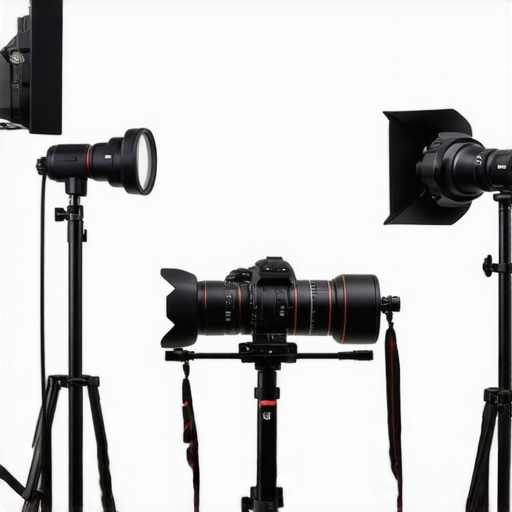
I remember a shoot not long ago where my tripod decided to groan under the weight of my camera rig, wobbling just as I was about to capture that perfect, fleeting moment. It was a stark reminder of how crucial stable support gear is—yet how often we overlook its importance until disaster strikes. That moment was a lightbulb for me: if I wanted consistently sharp, professional shots, I needed to truly understand and choose the right tripods, light stands, and support accessories.
Why Investing in the Right Support Gear Will Transform Your Filmmaking
Let’s be honest: in filmmaking, support gear isn’t just a backdrop—it’s the foundation of every shot. A sturdy tripod or a reliable light stand can make the difference between a smooth, successful shoot and a shaky mess. From my experience, investing time in learning about the latest gear trends and setups can prevent those costly, time-wasting mishaps on set. As professional cinematographers will tell you, the stability of your support equipment directly influences your image quality and overall production value.
Are C-Stands and Boom Arms Worth the Hype for Filmmakers?
Early in my career, I made the mistake of neglecting the significance of a solid C-stand. I thought I could get by with generic supports, only to realize later that my shots suffered from instability and constant adjustments. That was a costly lesson. Now, I recommend exploring dedicated [C-stands and support gear](https://stands.creatorrigreviews.com/best-c-stands-and-support-gear-for-studio-stability-2024), which offer superior stability… and peace of mind. Have you ever faced stability issues that compromised your shoot? If so, you’re not alone, and there’s plenty you can do to upgrade your setup.
Supporting your gear with the right support systems ensures your shots stay sharp and your workflow remains efficient. In the upcoming sections, I’ll share practical advice on choosing, setting up, and maintaining tripods and light stands that will elevate your filmmaking experience in 2024. Ready to get started? Make sure to check out our comprehensive guides, like the ultimate guide to tripods, boom arms, and C-stands, which walks you through every detail for optimal stability and performance.
Secure Your Base with Proper Tripod Setup
Begin by selecting a tripod with a sturdy build and smooth head for easy pan and tilt motions. Before filming, extend the legs fully and lock each segment tightly, mimicking tightening a smartphone clamp to prevent wobble. During my last shoot, I set up a tripod in uneven terrain, using a monopod extension for additional stability, which drastically reduced camera shake. Learn expert tips to master tripod stability to ensure your base remains unwavering regardless of terrain.
Level Up with a Reliable C-Stand or Boom Arm
When positioning lights or microphones, a C-stand is like a sturdy tree—flexible yet solid. Assemble by attaching the base, then extend the risers, locking each one securely. Use sandbags or weight plates at the base for additional stability. I once set a C-stand outside during a windy day; adding a counterweight kept my light perfectly steady. For optimal support, explore choosing the right C-stand suited to your needs.
Implement Support Arms for Extended Reach
Support arms allow you to position lights or cameras in hard-to-reach places without risking instability. Attach a support arm between your C-stand and the fixture, ensuring the arm’s locking mechanisms are tight. Think of it as extending your arm with a firm grip—firm, but controlled. My recent project involved overhead lighting; a support arm provided the reach and stability needed for overhead shots, enhancing the scene’s ambiance. Discover setup guides for seamless boom arm integration.
Optimize Light Stands for Lighting Excellence
Light stands form the backbone of professional lighting setups. Use stands with adjustable height and locking clamps to suit your scene. Once extended, secure all joints and use a sandbag on the base to prevent tipping. During a recent outdoor shoot, windy conditions threatened my lighting; placing a sandbag on the stand’s base stabilized it perfectly, preventing accidents. For further insights, see light stand essentials for boosting your lighting game.
Linking It All Together for Stability
Ensure all support gear integrates seamlessly. Tighten every connection, from tripod to light stand, and double-check weight distributions. When building a camera rig, secure each component carefully—like assembling a Lego tower, where each piece must click into place confidently. I once skipped this step, and my rig wobbled mid-shot, costing me precious time. Regular maintenance, like checking screw tightness and integrity, keeps your setup reliable. For comprehensive setup strategies, consult the ultimate guide to camera rig support.While many filmmakers understand the basics of gear setup, there’s a wealth of nuanced insights that can make or break a shoot. One common myth is that heavier support gear always means better stability, but in reality, the materials and design play a more critical role. Overlooking such details can lead to unnecessary bulk and fatigue, especially during long shoots, which is why choosing gear based on quality and purpose rather than weight alone is essential. Moreover, some believe that all C-stands are created equal—yet, premium models with reinforced joints and better counterweight stability can vastly improve safety and performance. An advanced pitfall many stumble into is the misconception that all tripods provide the same level of stability; in fact, rentals often neglect the importance of choosing the right tripod head and leg locking mechanism tailored to specific conditions—be it outdoor uneven terrain or studio floors. These overlooked nuances can cause subtle vibrations or even collapses, jeopardizing your shots. For instance, using a lightweight tripod in windy environments without proper stabilization techniques can result in blurred footage, which studies in professional cinematography show as a common cause of shot failure. To master these details, consult expert resources like our comprehensive guide on [mastering tripod stability](https://stands.creatorrigreviews.com/mastering-tripod-stability-expert-tips-to-elevate-your-shots). Have you ever fallen into this trap? Let me know in the comments.
One of the most overlooked aspects in filmmaking gear management is consistent maintenance. To ensure your boom arms, camera rigs, C-stands, light stands, and tripods stay reliable over time, adopting a routine check and using the right tools can make all the difference. In my experience, a dedicated toolkit and regular upkeep not only prolong the lifespan of your equipment but also save you costly repairs and unexpected failures on set.
Start with a basic set of tools tailored for support gear: Allen wrenches, screwdrivers, adjustable wrenches, and a silicone lubricant spray. I personally favor a compact toolkit like the Wiha 26-in-1 Precision Screwdriver Set, which covers most fastenings on support equipment. It’s small enough to carry in my kit and durable enough for repeated use. Regularly inspecting joints, locking mechanisms, and rubber feet prevents loosening or deterioration that could lead to instability during critical shots.
Frequency of maintenance depends on usage intensity and environmental conditions. For outdoor shoots exposed to dust or moisture, I recommend a quick check before and after each session, including cleaning with a damp cloth and applying a thin layer of lubricant to moving parts. For indoor studio setups, quarterly assessments usually suffice. Keeping a log of inspections helps track wear over time and decide when to replace or upgrade parts.
How do I maintain my support gear over time?
Invest in high-quality lubricants designed specifically for support hardware, such as professional-grade lubricants. These prevent corrosion, ensure smooth operation, and keep moving parts responsive. Additionally, storing gear in a dedicated, climate-controlled space avoids unnecessary wear caused by humidity or extreme temperatures. Consider investing in padded cases or racks to organize your setups and protect delicate components from damage.
If you’re serious about durability, explore digital maintenance schedules and checklists compatible with your gear model. Some brands now offer maintenance tips and schedules on their websites, like our detailed ultimate guide to support gear upkeep, which provides tailored advice for each piece of equipment.
Looking ahead, trends in support gear maintenance point toward smart materials and self-lubricating components, reducing the need for manual upkeep. As technology evolves, expect to see integrated sensors that monitor wear and alert you when it’s time for service. Until then, diligently using the right tools and adhering to a scheduled maintenance routine will keep your gear dependable night after night.
Take action and try implementing a regular check-up routine with your current toolkit. It can dramatically improve your gear’s longevity and performance, making every shoot smoother and more professional. Need guidance on choosing the best maintenance tools? Feel free to reach out through our contact page.
Reflecting on my journey, I’ve realized that the real game-changer in achieving studio-quality shots isn’t just the camera or lens—it’s the support gear beneath them. Those seemingly small decisions about tripods, C-stands, or light stands can elevate your entire filmmaking experience, saving time and ensuring every shot captures your vision perfectly. If there’s one lesson I’ve learned, it’s that investing in high-quality support gear, combined with meticulous setup and maintenance, is the secret sauce for consistent, professional results.
What I Wish I Knew Before Embracing Support Equipment
- Not All Support Gear is Created Equal: I used to think heavyweight meant better stability, but materials and design matter more. Upgrading to reputable brands like those highlighted in our curated list can prevent those shaky shots that ruin a take.
- Mastering Setup Prevents Frustration: The difference between a wobbling shot and a flawless frame often comes down to how carefully your gear is assembled. Practice securing every connection—think of it as building a house on a solid foundation.
- Maintaining Equipment is a Long-Term Investment: Regular inspections, proper storage, and routine lubrication extend the lifespan of your gear. I found that a small toolkit with quality screwdrivers and lubricants is invaluable for quick fixes on set.
- The Myth of Weight Equals Stability: Lighter support gear is easier to handle but isn’t always more stable. Focus on the quality of materials and stability features to get the best performance, especially in outdoor conditions where wind can be a factor.
Tools That Keep My Support Gear Peak Condition
- Wiha 26-in-1 Precision Screwdriver Set: Compact, durable, and covers almost every fastener I encounter. It’s my go-to for quick adjustments.
- Silicone Lubricant Sprays: Essential for moving parts, preventing rust, and ensuring smooth operation during long shoots. I trust professional-grade lubricants for best results.
- Climate-Controlled Storage Racks: Protects gears from moisture and temperature fluctuations, keeping everything in top shape for when I need it most.
- Maintenance Checklists: Documenting inspections helps me stay consistent and catch wear before it becomes a problem. Some brands provide tailored schedules—I recommend consulting these resources for specific gear types.
Take Your Support Skills to the Next Level—Your Camera Will Thank You
The future of filmmaking support gear is exciting, with innovations like self-lubricating parts and smart materials on the horizon. Until then, committed maintenance routines and choosing the right gear for your needs will keep your shoots seamless and your footage sharp. Remember, the foundation of great filmmaking is built stone by stone—so invest wisely, set carefully, maintain diligently, and watch your skills flourish. For comprehensive tips on building your ideal setup, check out our ultimate guide to boom arm and support setup.
How Has Support Gear Elevated Your Filmmaking?
Every filmmaker encounters challenges with unstable setups at some point. What’s the most valuable support gear lesson you’ve learned? Share your stories and tips below—let’s grow together towards more stable, professional shoots!