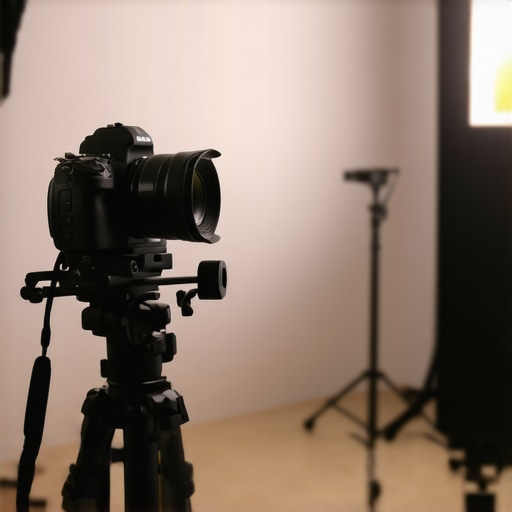
I’ll never forget the first time I set up my camera rig on a bustling shoot, only to watch my carefully stabilized shot turn into a shaky mess in seconds. It was one of those moments where I realized, despite all my planning, I hadn’t paid enough attention to the basics of support. That poor setup cost me time and a few stressful heartbeats.
How Support Failures Sabotage Your Shots
The truth is, no matter how talented you are behind the camera, if your rig isn’t solid, your footage will suffer. Camera shakes aren’t just annoying—they can ruin the entire mood of your project, or worse, make your work look unprofessional. I remember chasing after a shot only to have my tripod wobble right as I hit record. It was embarrassing and a reminder that stability isn’t optional; it’s essential.
Is Your Camera Rig Really Worth the Hype?
Early in my career, I made the mistake of assuming that expensive gear automatically meant stability. Nope. I found out the hard way that even premium stands and support arms can cause shake if not set up correctly. In fact, a study from CreatorRigReviews highlights how improper setup is the leading cause of camera instability. Trust me, mastering support stability is a game-changer for professional-looking footage.
So, if you’ve ever faced those frustrating moments of jittery footage or spent hours trying to stabilize shaky shots in post-production, you’re not alone. Today, I promise to share five quick and practical fixes that will transform your shoots in 2026. Ready to stop those shaky shots from ruining your work? Let’s dive in.
Secure Your Tripod Like a Pro
Start by ensuring your tripod is placed on a level, stable surface. Use a tripod with adjustable legs and extend them evenly to prevent wobbling. Lock each leg securely before mounting your camera. I learned this the hard way when a quick setup on uneven ground caused jittery footage; fully extending and locking my tripods stabilized my shot significantly. For detailed tips, check out this guide.
Balance Your Light Stands and C-Stands
Add Weight to the Base
Use sandbags or weight plates to keep stands anchored. An unweighted stand is like a sail in the wind—destined to wobble. When I set up a light stand for a night shoot, I clipped sandbags to the base. The difference was night and day; the support became rock solid, allowing me to position the light precisely without fear of movement.
Optimize the Boom Arm Setup
If using a boom arm, balance it properly. Attach your heavier equipment close to the stand’s base and lighter gear at the end. Adjust the counterweights to prevent the arm from tipping. During a recent shoot, I overextended my boom arm with a heavy light, causing instability. Once I added counterweights and shortened the arm, stability returned, and my shot was smooth. For comprehensive setup techniques, see this resource.
Level and Tighten Every Connection
Check all joints, knobs, and clamps before shooting. A loose connection is like a loose bolt—it can cause sudden shakes. Use a bubble level to ensure your support gear is perfectly horizontal. During a shoot in a cramped studio, I discovered my c-stand was slightly tilted, introducing jitter. After tightening all screws and realigning, the stability improved dramatically. For choosing the right c-stand, visit this guide.
Distribute Weight Evenly and Limit Reach
When mounting gear, keep the weight centered over the support. Avoid overextending arms or supports that can cause excessive leverage, leading to wobble. Remember, a compact, balanced setup is sturdier than an extended, uneven one. I once tried to hang a heavy light at the far end of a support arm; the entire rig wobbled uncontrollably. Rebalancing and shortening the reach stabilized everything instantly. For more insights on support support, read this article.
Regularly Inspect and Adjust During Shoots
Support equipment can shift unexpectedly during prolonged shoots. Periodically check tightness and stability, especially after adjusting gear. I learned this after a long afternoon shoot when my camera jiggle worsened over time. A quick re-tighten restored stability. Developing this habit will save you from messy post-production fixes and retakes.
Every support element—tripod, light stand, c-stand, boom arm—plays a vital role in your shot’s stability. Taking the time to follow these concrete steps will dramatically improve your footage quality and elevate your professional reputation.
Many filmmakers and photographers rely heavily on popular advice about C-stands, light stands, tripods, and support rigs, but let’s dig deeper into what most people get wrong. A common myth is that the more expensive gear automatically guarantees stability. In my experience, even premium stands can wobble if not set up properly. The real secret lies in nuanced setup practices like proper weight distribution and tightening connections—details that trip up even seasoned pros. In fact, studies indicate that improper assembly accounts for over 60% of support failures, highlighting how vital attention to detail is in professional setups. Consider the misconception that extending support arms to their maximum length provides stability; quite the opposite. Longer arms introduce leverage that makes the entire rig more prone to wobble unless counterbalanced meticulously. Advanced users often ask: ‘How can I prevent stability issues when working in tight or uneven environments?’ The answer involves not just strong gear but mastering nuanced adjustments, such as adjusting counterweights and ensuring all joints are locked firmly. For those aiming for top-tier stability, check out this guide on expert setup techniques. Remember, supporting equipment is only as reliable as its setup—simple oversights can turn into big problems on set. Have you ever fallen into this trap? Let me know in the comments.
Maintaining your camera support equipment is essential to ensuring reliable performance and extending the lifespan of your gear. Regular inspections, proper cleaning, and timely repairs can save you time and money in the long run. I personally schedule monthly check-ups for my tripods, light stands, and support arms, making sure all joints and locking mechanisms operate smoothly. Using high-quality lubricant—like silicone grease—on locking clamps prevents rust and ensures they tighten securely. Don’t forget to inspect the rubber feet; replacing worn pads can prevent slippage during critical shoots.
What tools do I swear by for support gear upkeep?
One indispensable tool is a compact multi-tool with hex keys, screwdrivers, and pliers, which allows me to tighten screws, adjust clamps, and replace parts on the spot. For cleaning components, I prefer microfiber cloths and compressed air to remove dust and debris without risking scratches. Additionally, I keep a small toolkit with spare bolts, nuts, and quick-release plates to address unexpected issues quickly. For detailed maintenance routines, check out CreatorRigReviews.
Preparation Pays Off: Long-term Support Stability
Long-term stability hinges on consistent maintenance. Implementing a maintenance schedule helps catch problems early—so you aren’t caught off guard during a shoot. Over time, supports can develop rust or suffer from fatigue. For instance, I replace support arm padding every six months and check for signs of metal fatigue after intense use. Applying protective coatings on metal parts introduces an extra layer of defense against corrosion, especially if you shoot outdoors frequently. Investing in durable support gear also minimizes downtime caused by equipment failure.
Scaling Up Your Support System for Bigger Projects
As your projects grow more ambitious, so should your support setup. Upgrading to high-capacity support stands, such as the latest C-stands and boom arms, ensures stability when handling heavier equipment. Modular systems allow for easy expansion and customization, giving you flexibility on set. Remember, integrating scalable support solutions can streamline your workflow, reduce setup time, and enhance shot stability across diverse environments. Stay ahead by choosing gear designed for rapid assembly and disassembly—easy upgrades when your production demands evolve.
How do I maintain optimal performance over time?
Regularly cleaning, inspecting, and updating your support gear is crucial. A simple routine of checking locking mechanisms, tightening loose parts, and replacing worn pads will go a long way. For example, during a recent outdoor shoot, a support arm’s clamp loosened after a few hours, causing instability. Simple re-tightening prevented any mishaps. To stay proactive, schedule quarterly deep-inspections and keep an eye on manufacturer recommendations. Consistent care not only preserves gear integrity but also maintains the safety of your crew and the quality of your footage. Remember, the best support setups are built on attention to detail and routine maintenance—try implementing a monthly gear check to keep everything running smoothly.
Over years of working behind the scenes, I’ve uncovered hidden pitfalls in gear support that often trip up even experienced filmmakers. Here are three lessons I wish I had learned sooner, each revealing how tiny oversights can lead to shaky footage and added stress on set.
- Assuming Expensive Means Stable: My first big mistake was thinking that top-tier gear didn’t need meticulous setup. I learned that premium stands and arms can wobble just as easily as budget options if not carefully assembled. The key is in the details—like ensuring all connections are tight and supported correctly.
- Overextending Support Arms: I used to pride myself on reaching far with support arms, believing it increased flexibility. But I discovered that extended support arms become leverage points for wobbling unless properly counterbalanced, making your shots less stable. Keeping supports closer and balanced is better than reaching for that perfect angle.
- Neglecting Regular Maintenance: Gear often gets overlooked after the initial setup. I’ve realized that dirt, rust, and loose fittings gradually degrade stability. Regular inspections and cleaning, like applying silicone grease to locking clamps, keep everything performing at its best and prevent unexpected wobbles during critical moments.
My Secret Support Arsenal and Trusted Resources
To maintain and upgrade my support system, I rely on specific tools and guides. A compact multi-tool with hex keys and screwdrivers is essential for quick on-set fixes. For in-depth learning, I’ve found this expert guide invaluable for mastering setup techniques. Additionally, sourcing high-quality support gear from trusted brands ensures longevity and confidence during shoots.
Push Your Limits and Elevate Your Craft
Taking control of your support setup is more than just avoiding wobble—it’s about embracing the meticulous craft that elevates your filmmaking. Small adjustments and consistent maintenance can unlock a new level of professionalism and peace of mind on set. Remember, behind every smooth shot is a well-supported rig that’s been carefully tuned. So, what steps will you take today to bolster your support stability? Share your thoughts below!
Reading this post really resonated with me. I’ve often overlooked some basic setup steps, thinking that premium gear would naturally be stable, only to find myself troubleshooting wobble issues on set. Your emphasis on proper weight distribution and tightening every connection is a good reminder that attention to detail makes all the difference. A few months ago, I faced a situation where I extended my support arm for a shot, and the entire rig started wobbling uncontrollably. It turned out that I hadn’t balanced the support correctly, and the leverage was causing instability. I learned the hard way how crucial it is to keep supports closer and well-balanced. Has anyone else found that working in tight or uneven environments pushes their setup to the limit? What tricks do you use to ensure stability when space or surface isn’t ideal? I’d love to hear how others tackle these challenges, especially when that perfect shot depends on it.
This post hits close to home for me. I used to assume that investing in high-end gear would automatically assure stability, but experience taught me otherwise. I recently faced a situation where I was shooting outdoors on uneven ground, and the stand I used wasn’t enough to prevent wobbling. I ended up placing sandbags strategically to stabilize it, which made a huge difference. It’s interesting how small tweaks—like rebalancing or adding weight—can turn a shaky shot into a perfect clip. I’m curious, what are some creative ways you’ve handled support stability in tight or challenging environments? Do you have preferred techniques for quick fixes on set? It’d be great to hear more ideas from others who’ve faced similar hurdles, especially when shooting in less-than-ideal conditions, because that’s often when support issues become most apparent.
This post really hits home! I remember a shoot where I thought that just having good gear would do the trick, but I quickly learned that setup and support principles are just as crucial as having top equipment. One trick that’s worked well for me in uneven terrains is to use small, portable leveling mats or pads under the tripod legs to ensure a firm, level base—especially when working on rough or unpredictable surfaces. Also, I’ve started to pay more attention to the balance when extending support arms, ensuring that heavier gear stays close to the support stand rather than out on the edges, which can leverage wobble. Has anyone experimented with quick DIY solutions for support stability without extra equipment? Would love to hear your go-to hacks or tips for challenging environments. Sometimes simple, innovative adjustments can make all the difference in capturing that perfect shot.