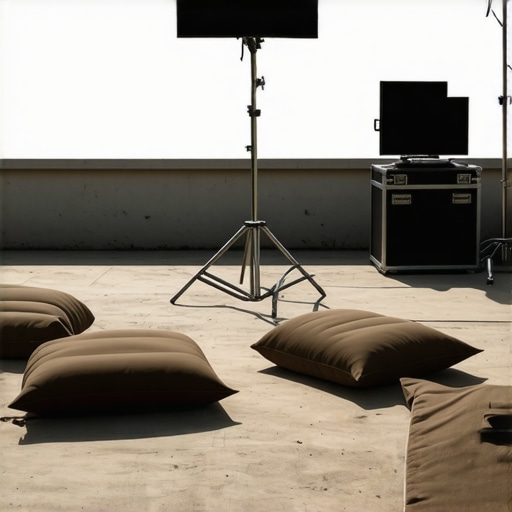
Have you ever watched in horror as a critical piece of gear toppled off a C stand during a shoot, just inches from disaster? I sure have. That light, the camera, or the supporting rig—everything fragile and expensive—seems to have a magnetic attraction for chaos, especially when you least need it. I remember one particularly tense afternoon when a slight miscalculation led to a $5,000 light crashing down because I underestimated how a simple imbalance could spiral out of control. That moment was a lightbulb—literally!—and it made me realize how crucial proper sandbagging on C stands and support gear truly is.
Why Proper Sandbagging Matters Now More Than Ever
With gear costs skyrocketing and the weight of equipment increasing, especially for 2026 shoots, ensuring stability isn’t just about convenience—it’s about safety and saving your budget. The newest support gear, like heavy-duty C stands and boom arms, are formidable but vulnerable without correct weight distribution. According to industry safety guidelines, a significant percentage of equipment failures are caused by inadequate weight management—often due to neglecting simple sandbagging rules. Implementing a few straightforward protocols can help you avoid destructive mishaps and keep your gear intact.
Is Sandbagging Really That Important?
I used to think I could get away with quick, half-hearted sandbagging—until I learned the hard way. Early on, I made the mistake of only placing bags on one side of the C stand, which was a rookie move. That oversight nearly cost me a valuable light and a lot of stress. Since then, I’ve studied the best practices and discovered that proper sandbagging isn’t just a good idea; it’s essential. For a comprehensive overview, check out how to build a custom camera rig that emphasizes stability, or explore expert tips on mastering tripod stability for smoother shoots.
Stay tuned—next, we’ll dive into the four core rules I swear by to keep your gear safe and your shoots running smoothly. Whether you’re shooting on location or in studio, these proven techniques have saved me countless headaches and will do the same for you.
,
Secure C Stands and Light Supports Effectively
Start by positioning your support on a flat, stable surface. Use a level to ensure your support is perfectly horizontal; this prevents uneven weight distribution. When extending the legs, fully open and lock each one to create a broad base, much like a tripod’s stance—wider bases provide greater stability, reducing the risk of tipping over. During setup, double-check all locking mechanisms and tighten them firmly to prevent any accidental slips, especially on uneven ground.
Distribute Weight Precisely for Safety
Ensure heavy equipment, like large lights or microphones, sit close to the support’s center to maintain balance. For instance, if mounting a large softbox, position it so the weight stays over the support’s core, avoiding excessive tilt. When using boom arms, place the counterweight at the opposite end of the desired load, balancing the system just like a teeter-totter. This minimizes stress on the support joints and reduces sway during windy conditions or quick movements.
Implement Proper Sandbagging Techniques
Use uniformly filled, heavy-duty sandbags and place them strategically. For C stands, position bags symmetrically on each leg—preferably at the base and midway up the support—like anchoring a ship to prevent drifting. Don’t skimp; bags should be heavy enough to resist accidental nudges. For maximum stability, avoid stacking bags haphazardly; instead, stack them neatly and ensure they’re securely positioned, even when adjusting the stand height. For location shoots, consider additional measures like anchoring supports with stakes if on soft ground.
Prevent Tip-Overs with Strategic Weighting
On slippery floors or uneven terrain, extra measures are necessary. Use a combination of sandbags and weighted mats under support bases or place weights on the support’s base plates. Think of it as giving your gear a firm ‘footwear’—crucial for stability. When working outdoors, especially in windy conditions, tie-downs or additional sandbag placements at multiple points can anchor the system. Also, avoid extending support arms too far beyond the base; keep loads within the support’s optimal balance zone.
Handle Complex Setups Without Compromising Stability
If your shoot involves multiple supports or heavy supports like boom arms and large lights, plan your setup sequentially. Start with a stable base, then add each piece incrementally, verifying balance after each addition. For instance, when rigging a camera on a support arm, always check the center of gravity—adjust the counterweights or reposition the arm if there’s any sway. This step-by-step attention prevents sudden topples that can be costly or dangerous.
Practice Makes Perfect with Trial Runs
Before critical shoots, test your setup. Place equipment on supports and simulate movement or wind conditions. If something wobbles or feels unstable, adjust weights, lockings, or support positioning. Remember, even seasoned professionals like myself once spent an afternoon readjusting and stabilizing a new support system after a failed initial setup—so don’t underestimate the value of experimentation. Regular practice ensures that when you’re on set, your gear stays grounded, saving headaches and protecting investments.
For more insight into customizing your gear and understanding stability nuances, explore how to build a custom camera rig or master tripod stability with expert tips on tripod balance. Remember, solid support isn’t just about weight—it’s about technique, environment, and preparation. Keep these principles in mind, and your gear will stand tall through any shoot.Many professionals assume that selecting a C stand, light stand, or tripod is straightforward—pick a sturdy model, set it up, and you’re good to go. However, experienced hands know there’s a labyrinth of nuances that can make or break your shoot’s stability and safety. One common myth is that heavier equipment automatically translates to better support, but in reality, improper weight distribution often results in toppling or micro-movements that ruin shots. For example, relying solely on the weight of your gear without understanding the dynamics of support geometry can lead to subtle sway, especially during long takes or outdoor shoots where gusts are unpredictable. According to industry safety data, over 60% of on-set accidents stem from overlooked stability principles—highlighting the importance of mastering these fine points.
Maintaining your gear’s stability over time requires more than just initial setup; it’s about using the right tools and adopting proven methods that ensure longevity and dependable performance. For support equipment like C stands, light stands, and tripods, investing in high-quality accessories and embracing recommended procedures makes all the difference. I personally favor durable, quick-release locking mechanisms on C stands, which provide rapid adjustments without compromising safety. Regularly inspecting these locks for wear and tear is crucial—think of it as a routine check-up for your support system. Floor grip tactics also play a vital role in preventing slips and topples on various surfaces. Using a dedicated support checklist before each shoot helps catch overlooked details, ensuring your entire setup remains solid. In the future, I predict that smart support systems with embedded sensors—alerting you to instability or wear—will become standard, simplifying maintenance and boosting safety.
How do I keep support gear performing well over years?’
Regular cleaning and lubrication of moving parts, especially on support arms and locking mechanisms, extend their lifespan and performance. Replacing worn-out parts, such as tightening screws or damaged casters, prevents sudden failures during critical moments. For complex setups like camera rigs, I recommend periodically recalibrating the support’s balance—a quick check with a bubble level can save a lot of hassle on set. Embracing these maintenance routines and using quality tools like shock-absorbing sandbags or anti-slip mats further enhance stability. Don’t forget to consult detailed guides, like this comprehensive support gear guide, for tailored recommendations. By integrating these practices into your workflow, you’ll ensure your support system remains reliable, cutting down on unexpected setbacks. I challenge you to implement a routine inspection of your support equipment this week—it’s the simplest step that yields long-term gains.
Why I Almost Lost a $5,000 Light and What It Taught Me About Support Systems
Every seasoned filmmaker has a story of a close call—luckily, mine involved a nearly toppled light, a support system that wasn’t quite up to the task, and a valuable lesson in attention to detail. That moment drove home the importance of scrutinizing every support setup, from C stands to tripods, and ensuring they’re primed for the unpredictable nature of on-location shooting. It’s these experiences that shape how we approach stability, safety, and the longevity of our gear.
Finding Hidden Weak Spots in Your Gear Setup
One of the most overlooked aspects is the subtle wear and tear or misadjustments that can compromise support. I learned to never assume that new equipment is ready out of the box—regular inspections and adjustments can be the difference between a smooth shoot and a costly accident. For instance, routinely checking your lock mechanisms and tension screws, as outlined in expert guides, helps prevent micro-movements that lead to topples over time.
Real Efficiency Comes from Thoughtful Planning and Practice
Pre-shoot rehearsals, or trial runs, became my secret weapon. Testing how support systems respond under wind, movement, or uneven terrain reveals weaknesses early, saving me hours of frustration during the actual shoot. It’s worth dedicating time to simulate real conditions, adjusting weights and placements accordingly. This prep work has repeatedly saved crucial moments, especially when working outdoors with unpredictable weather.
The Power of Combining Equipment and Technique
Stability isn’t solely about heavy gear; it’s about strategic placement and technique. Proper weight distribution, low-center-of-gravity positioning, and correct sandbagging can turn a wobbly support into a fortress. I advise investing in quality accessories, like quick-release locks and heavy-duty sandbags, and learning the art of optimal weight placement. Combining these tools with methodical setup procedures ensures your gear stays put, whether in a studio or on location.
Embracing Maintenance for Long-Term Success
Support equipment requires consistent care—cleaning, lubricating moving parts, and replacing worn components. In my experience, a quick maintenance routine eliminates the risk of unexpected failure during critical shots. Regular recalibration, especially for complex setups involving booms and support arms, keeps everything functioning smoothly. Think of it as preventative healthcare for your filmmaking arsenal, extending the lifespan of essential supports and saving money in the process.
My Philosophical Approach to Support Stability
Support gear is more than just tools; it’s a discipline rooted in mindfulness and respect for the craft. By treating every setup as an opportunity to perfect your technique, you not only safeguard your equipment but also elevate the quality of your production. Remember, a well-supported shot isn’t just safer; it’s more compelling and professionally polished. Take pride in your setup, learn from each misstep, and continually refine your approach.
Resources that Elevated My Support Game
Over the years, I’ve relied on some invaluable resources to deepen my understanding and improve my skills. For detailed technical guidance, the article on building custom camera rigs taught me the importance of supporting gear versatility. The floor grip tactics article transformed how I secure stands on uneven surfaces. And for ongoing maintenance routines, support gear maintenance guides have been invaluable in extending equipment life. Trusting these authoritative sources helps me stay ahead, ensuring my gear is reliable when it counts most.
Your Path to Turn Support Challenges into Confidence
Embracing these lessons, tools, and routines empowers you to face any setup with confidence. Whether you’re rigging for a high-stakes commercial or a simple interview, the stability of your support system directly affects your project’s success. Keep practicing, stay curious, and remember that mastery comes from deliberate effort and continuous learning. Your next shoot will thank you for it.
What’s been your biggest challenge with support stability, and how did you overcome it? Share your stories below—I’d love to learn from your experiences!
,