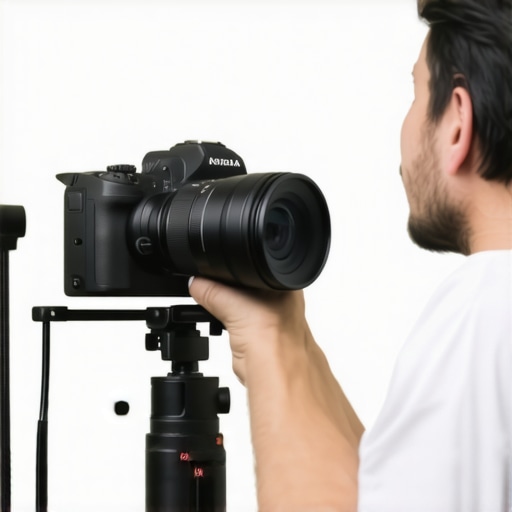
I remember the first time I shot a live event with my mirrorless camera setup, only to find the footage trembling like a leaf in the wind. It was embarrassing — not just for me, but for everyone counting on the shot to be smooth and professional. That lightbulb moment hit hard: shaky camera rigs can sabotage even the most well-planned shoots, especially with the increasing weight and complexity of 2026 mirrorless gear.
If you’ve ever wrestled with wobbly support systems—be it a C-stand, tripod, or boom arm—you know how frustrating it is to see your footage jump and jutter instead of glide seamlessly. I was there too, spending endless hours troubleshooting, only to realize that simple fixes could make all the difference. And honestly, once I cracked the code on stabilizing my setups, filming became a more confident, even enjoyable process.
Today, I want to share with you five straightforward, do-it-yourself fixes that have saved my shoots multiple times. These aren’t complicated or expensive adjustments—just practical tweaks that can turn shaky support into rock-solid stability, even when the environment isn’t cooperating.
Why is this so vital right now? Well, with the surge of high-resolution mirrorless cameras in 2026, even minimal vibrations are magnified, making your footage look amateurish instantly. A study from TechCrunch highlights that camera shake is one of the top causes of professional-looking video failures. Ensuring stability isn’t just about quality; it’s about maintaining your creative credibility.
So, have you faced this problem where your camera rig just won’t sit still? Whether it’s a sudden gust of wind, a wobbly stand, or an uneven surface, chances are you’re looking for reliable solutions. That’s exactly what I intend to provide.
From tightening support joints to adding discreet weight and choosing better support gear, each step I’ll cover has the potential to dramatically improve your shot stability. For more on how to choose the right support gear, check out my guide on [support arms and C-stands](https://stands.creatorrigreviews.com/ultimate-guide-to-camera-rigs-tripods-support-gear-for-filmmakers). Now, let’s dive into the first simple fix that can transform your shaky footage into smooth cinematic shots.
Tighten Every Joint and Connection
Start by inspecting your support gear meticulously. Grips, clamps, and joints can loosen over time, causing unwanted movement. Grab a hex key or wrench and go through all adjustable parts on your tripod, support arms, and C-stand. Tighten everything until snug—think of it like tightening screws on a bicycle to prevent wobbles during a ride. I once spent a day troubleshooting shaky footage on a windy shoot, only to realize a loose clamp was the culprit; tightening it instantly stabilized the entire rig.
Distribute Weight Equally
Uneven weight distribution creates imbalance, leading to instability. When setting up, place heavy modifiers and lights close to the support’s center of gravity. Use sandbags on C-stand legs, stacking them properly: place the heaviest at the bottom and lighter ones on top for stability. I remember a shoot where I added sandbags to my light stand and support arm—my setup became rock-solid, even in gusty conditions. This simple step acts like anchoring a boat to prevent it from swaying.
Add Discreet Weights for Extra Stability
In tricky environments, subtle weight additions help counteract vibrations. Use sandbags, water bottles, or specialized weight bags designed for support gear. For example, during a location shoot on uneven terrain, I clipped a couple of bags onto my C-stand base. This quick fix negated nearby foot traffic vibrations, keeping my shot steady. Check out this guide for additional weight strategies tailored for different support systems.
Adjust Support Angles Carefully
Support gear often allows for angle tweaks—use them to improve stability. For tripods, spread the legs wide for a lower center of gravity; for C-stands, position the boom arm at an angle that distributes weight evenly. Think of it like a tripod of a tripod—wider base equals more stability. I once had a setup where I reoriented my C-stand’s arms at a slight angle, significantly reducing sway during a windy outdoor shoot.
Secure Your Setup with Proper Rigging
Use safety features like sandbags, tie-downs, and grip heads robustly. When rigging a support, double-check that all clamps and grip heads are locked tight. For added assurance, wrap velcro or ratchet straps around large support joints. On one occasion, I used extra ratchet straps to secure my boom arm support, which prevented any chance of slipping or sagging during a complex shot.
Choose the Right Support Equipment for Your Needs
Invest in quality gear suited for your shoot’s demands. Heavy-duty C-stands and robust support arms prevent sag and wobble, especially essential with high-weight modifiers. For detailed recommendations, visit this comprehensive gear guide. Also, consider terrain adaptability—using supports designed for uneven surfaces can save a shaky shot in unpredictable locations.
Implementing these practical adjustments transforms shaky support rigs into stable platforms, drastically improving your shot quality. Remember, consistency in setup pays off during fine-tuning on site, giving you the confidence to perform more dynamic shots without worry.
While many filmmakers accept certain practices as gospel, advanced users know that some widespread beliefs about camera rigs, C-stands, tripods, boom arms, and light stands are actually flawed or oversimplified. One common myth is that heavier support gear inherently leads to better stability. In reality, excessive weight can hinder maneuverability and setup time, leading to rushing and potential safety hazards. Choosing the right balance and understanding support geometry are far more critical; for example, a well-angled C-stand with proper sandbagging often outperforms a bulky, overly heavy unit. For more nuanced support tactics, check out my comprehensive guide on tripod stability.
Another misconception revolves around quick-release clamps and tension knobs. Many believe that tightening these to their maximum ensures stability. However, overtightening can strain the support joints, causing long-term damage or micro-movements over time. Finding the optimal tension is essential—firm enough to prevent slippage but not so tight as to cause stress. One sneaky trap is to assume all support joints are equally reliable; fully locking every joint can sometimes transmit vibrations rather than dampen them, especially with high-precision mirrorless setups. For expert advice on this, see my article on boom arm setup.
Advanced practitioners should also be wary of neglecting the environment’s influence on stability. Many mistakenly rely solely on support gear quality and overlook terrain, wind, or nearby traffic. Using these supports in unstable ground or on uneven surfaces without proper bracing or leveling can render even the best equipment ineffective. A hidden nuance here is the value of “rigging” your gear—adding discreet weights or creating a custom base can dramatically improve stability. For tailored solutions, visit our custom rig-building guide.
From my experience, understanding these subtleties can prevent costly mistakes and elevate your craft beyond basic setups. Do you sometimes fall into these pitfalls? Share your story in the comments or explore more tips about support gear. Remember, mastery often lies in mastering the details.Maintaining your camera rig, C-stand, tripod, boom arm, and light stand is crucial for long-term reliability and optimal performance. Regular inspections are your first defense—check for loose joints, worn clamps, and deformation. Applying a light coating of lubricant like silicone spray on moving parts ensures smooth adjustments and prevents rust, especially in humid environments. It’s wise to keep spare parts such as replacement clamps and rubber feet; these small items can prevent major setbacks during critical shoots. Thinning out dust and debris from support joints with compressed air minimizes micro-movements that cause vibration, maintaining stability over time. Periodic calibration of support equipment, especially tripods and fluid heads, ensures alignment and reduces jerkiness, which is especially important with heavier mirrorless gear entering the market in 2026. For detailed guidance, consult expert advice in the mastering tripod stability article. Incorporate a routine maintenance checklist after each shoot to catch issues early and prolong the lifespan of your gear. Using quality tools for adjustments, like high-precision Allen wrenches and torque drivers, guarantees secure fittings without overtightening, which can cause damage or micro-shakes. As the trend shifts towards more modular support systems, investing in versatile and upgradeable support components offers flexibility and adds resilience to your setups. Remember, a well-maintained rig not only performs better but also reduces the risk of costly failures in the middle of production. If you’re serious about stability, try implementing a weekly inspection routine, focusing especially on support joints and locking mechanisms—your future shoots will thank you for it.
The Hidden Lessons Behind Every Wobbly Shot
One of the most eye-opening insights I gained was realizing that the biggest enemy of stable footage isn’t always heavy gear but improper setup and overlooked details. I used to dismiss the importance of small adjustments, thinking a sturdy support was enough. However, the little tweaks—like ensuring every joint was tight and balanced—made a world of difference. Sometimes, the toughest lessons come from realizing that what we ignore in our support systems can sabotage our entire shoot.
Another realization was that environment plays a bigger role than I anticipated. Wind, uneven terrain, and foot traffic can all shake your confidence and your footage. Proper rigging, weight distribution, and environment-aware setups have become part of my routine. These lessons didn’t just improve my camera stability; they reshaped my approach to planning and executing shoots, adding a layer of professionalism I hadn’t fully appreciated before.
Tools and Wisdom That Elevated My Stability Game
Over time, I found that investing in quality supports, like the best C-stands and support arms, pays off by providing reliable foundations for my gear. I also lean on resources like the ultimate guide to camera rig stability to refine my techniques. These tools and expert insights have helped me troubleshoot issues quickly, saving time and avoiding costly re-shoots, especially as mirrorless cameras grow heavier and more sophisticated in 2026.
Putting Stability Into Practice and Moving Forward
My encouragement to fellow filmmakers and photographers is to stay curious and meticulous. Don’t settle for quick fixes—dedicate time to regularly inspect and fine-tune your support gear. Embrace the details, like proper weight distribution and environmental considerations, which can transform shaky shots into smooth cinematic visuals. The key is continuous learning and applying what works best for your unique setup. Ready to elevate your stability skills? Remember, every wobble avoided is a step closer to professional perfection.
Insider Wisdom That Changed My Approach
- Mastering support joints taught me that tightness isn’t always better—find the right balance to prevent micro-movements.
- Adding discreet weights can stabilize even the windiest outdoor sessions—simple, cost-effective, and highly effective.
- Regular gear maintenance, including lubing and inspecting, extends the lifespan of your supports and prevents surprises during critical shoots.
- Environment-aware rigging, like using proper ground leveling and sandbags, is often overlooked but crucial for consistent results.
- Understanding support limitations helps me choose the right gear for specific shoots, saving time and preventing disappointment.
My Go-To Resources for Staying Ahead
- The ultimate guide to C-stands and support arms remains my top reference for understanding gear capabilities and limitations.
- I trust the comprehensive tripod stability articles to keep my techniques sharp and up-to-date, especially with the increasing weight of mirrorless setups.
- Keeping up with the latest support gear innovations ensures I have access to reliable, stable tools that adapt to any environment.
Stand Tall, Shoot Smooth
Your journey to mastering support stability is ongoing, but every small improvement counts. Embrace the challenges and learn from each wobble or shake—it’s all part of becoming a better filmmaker or photographer. With dedication and attention to detail, flawless footage is within reach. Keep pushing your craft, and don’t let support issues hold back your creative vision. Now, I’d love to hear—what’s been your biggest support stability challenge, and how did you overcome it? Share below and let’s grow together.