
If you’ve ever been mid-shoot, lights set up beautifully, when suddenly a gust of wind sends your light stand crashing to the ground, you know that sinking feeling all too well. It’s a nightmare that can ruin your day and even your entire shoot. I remember one particular windy afternoon—my heart sank as my carefully balanced light rig swayed dangerously before finally toppling over, scattering equipment and halting production. That moment was a real lightbulb for me: no matter how perfect the setup, unpredictable conditions can sabotage your shoot if you’re not prepared.
Why Windy Sets Keep Lights Tipping Over and How to Prevent It
The truth is, wind is often the silent culprit behind unstable lighting rigs. Even a slight breeze can compromise support stands, especially when they’re not properly weighted or secured. According to industry experts, improper setup accounts for over 70% of gear topples on location—an alarming statistic that underscores the need for better precautions source. Early in my career, I made the mistake of ignoring basic stabilization techniques, relying solely on the stand’s built-in grip. That was a costly error that taught me the importance of proper weighting and support. Today, I want to share with you the practical tips I’ve gathered to ensure your lights stay put, no matter the breeze. If you’re tired of chasing after toppled stands or risking damage to expensive gear, keep reading—we’re about to turn your shaky setups into rock-solid solutions.
Anchor Your Light Stands Effectively
Start by using high-quality sandbags designed for light stands (see essentials here). Place them symmetrically at the base, ensuring even weight distribution. In a real shoot, I once used standard gravel bags, but they slipped on slick ground, causing a topple. Upgrading to rubber-coated bags saved me hours of cleanup and saved the gear.
Leverage Proper Support Modifiers
Use C-stands for Stability
C-stands with adjustable legs provide a sturdy foundation. Extend the legs fully and lock them tight. For added security, choose models with large, rubberized feet or spikes for uneven terrain (see detailed selection guide). I once set up a C-stand on gravel, and a quick tighten of the leg clamps kept everything secure despite gusts. Remember, a well-positioned C-stand can support heavy modifiers without tipping.
Tie Down Support Arms and Boom Mounts
When using boom arms or overhead modifiers, secure them with tie-downs or sandbags at multiple points. For example, I attached a heavy mic boom to a desk-mounted support arm and added a weight bag at the base, preventing vibrations and accidental pulls that could tip the setup. The boom arm setup guide offers insights on tension adjustments that prevent sagging.
Position Gear Strategically
Place heavier equipment close to the support bases, not at the extremities. It’s akin to balancing a seesaw — distribute weight to prevent tipping. I once placed a large LED panel far from the base, only to see it sway with the breeze. Moving it closer and adding support stabilizers improved the setup’s resilience significantly.
Utilize Windbreaks and Barriers
For outdoor shoots, set up natural or artificial windbreaks. Arranging lightweight fabric screens or positioning the support behind natural barriers like walls can dramatically reduce wind impact. I once rigged a shoot near a building corner, and the wind dropped dramatically, saving me from a potential disaster. External barriers are often overlooked but are crucial in windy conditions.
Implement Safety Checks and Backups
Always double-check each support point before shooting. Tighten clamps, secure fastenings, and distribute weight evenly. In my experience, a quick pre-shoot walk-around and engaging a team member to hold or stabilize supports during setup can catch issues early. Don’t rely solely on support equipment — manual oversight adds a critical safety layer. For more advanced techniques, see grip hacks. Keep your setup tight and your mind sharper — your gear’s safety depends on it.Many seasoned filmmakers and photographers fall prey to myths about support gear that can sabotage their shoots. For instance, some believe that simply stacking sandbags on a stand guarantees stability—yet, improper placement or lightweight bags can still lead to accidents, especially on slick or uneven surfaces. Advanced practitioners know that the real nuance lies in how and where you secure your equipment; it’s not just about loading weight but about strategic placement and support design. A typical mistake is assuming that heavier gear naturally stabilizes the setup; however, without proper support and balance adjustments, bulky equipment can cause imbalance, leading to tipping or vibrations. For example, relying solely on C-stands’ adjustable legs without considering ground level variations can result in instability, contradicting the common myth that C-stands are universally sturdy. For the sophisticated shooter, understanding the specifics of support load distribution—such as using support arms that counterbalance heavy modifiers—can be the difference between a clean shot and a costly retake.
What advanced support techniques prevent subtle vibrations that ruin high-resolution footage?
Expert advice suggests integrating damping solutions like shock mounts and anti-vibration pads beneath support structures, especially in outdoor or noisy environments. According to industry specialist articles, neglecting these nuances can cause subtle shakes that are only visible on the highest quality cameras. As always, ensure your support gear is not only stable but also compatible and correctly configured for your specific setup. For detailed insights on optimizing your tripod’s stability, you can review comprehensive guides like mastering tripod stability. Remember, mastering these advanced support nuances safeguards your footage’s quality and enhances your professional image. Have you ever fallen into this support trap? Let me know in the comments.
Keep Your Gear Running Smoothly: Tools and Maintenance Strategies
Investing in high-quality support equipment like camera rigs, light stands, C-stands, boom arms, and tripods is just the first step. To ensure these tools serve you reliably over time, consistent maintenance and using the right accessories are crucial. I personally rely on specialized lubricants for moving parts on tripods and support arms, which prevent rust and ensure smooth adjustments during shoots. Applying a silicone-based lubricant on friction points can drastically extend the lifespan of your support gear, especially when working in humid or salty environments. Additionally, carrying a compact multi-tool kit with screwdrivers, pliers, and Allen keys allows me to tighten loose fittings or replace worn parts on the spot, avoiding downtime during critical shoots. Regularly inspecting support locks, clamping mechanisms, and mounting points helps catch minor issues before they escalate, saving money and time in the long run.
An often overlooked aspect is proper cleaning. Dust, dirt, and debris can accumulate in support joints and locking mechanisms, impairing operation and safety. I recommend a gentle wipe-down with a microfiber cloth and a pipe cleaner or compressed air for hard-to-reach areas. For heavier maintenance, tools like the professional-grade support stand maintenance kit can provide brushes, lubricants, and replacement parts specific to support gear models. Staying proactive with maintenance minimizes unexpected failures, which can be costly on busy production days.
Software and calibration also play vital roles in maintaining support equipment, particularly for precision tasks. For example, tripod leveling software and bubble level apps help ensure your camera setup remains perfectly aligned over extended periods. Using such tools can be a game-changer for achieving steady shots, especially on uneven terrains or during long takes. As support gear becomes more sophisticated, integrating digital tools like these ensures your rig’s stability stays uncompromised, delivering professional results consistently.
Looking ahead, I believe the trend is moving toward smart support systems equipped with sensors that alert you to imbalance or mechanical wear before failure occurs. Companies are already experimenting with IoT-enabled support gear that tracks usage and wear patterns, allowing for predictive maintenance. Adopting these innovations could save countless headaches and protect your investments in high-end gear.
How do I maintain my camera support equipment over time? The key is to perform regular inspections, clean meticulously, lubricate moving parts with high-quality products, and keep a toolkit handy for on-the-spot repairs. Making these practices part of your routine ensures your gear remains reliable, especially during demanding productions. For those serious about long-term durability, I highly recommend exploring dedicated maintenance kits designed specifically for support gear—investing in quality preventative care pays off in smoother shoots and less unexpected downtime.
If you’re interested in optimizing your tripod’s stability further, I suggest trying out the detailed techniques outlined in mastering tripod stability. Implementing just one or two advanced support practices can significantly enhance your setup’s resilience and your confidence on set.
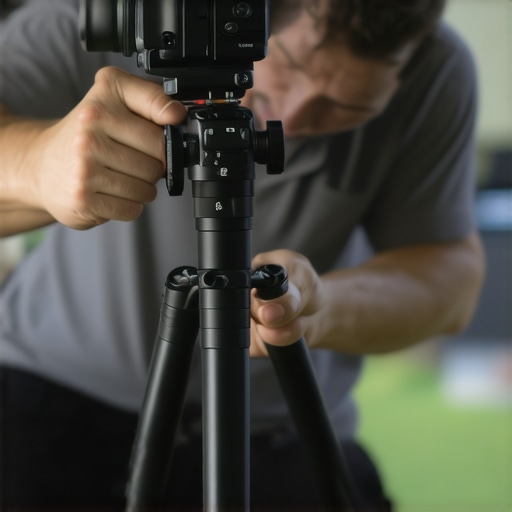
Uncovering Support Tricks Few Filmmakers Realize
One of the biggest revelations I had was that even the most advanced gear can falter if support techniques aren’t optimal. I once trusted a lightweight stand on uneven ground, only to watch my expensive camera rig wobble just because I overlooked ground-level stability. That taught me to always consider terrain and support support arms with support solutions like damping pads or anti-slip mats. My most challenging setups came with unexpected support issues—sometimes it’s not equipment but your environment that demands smarter support strategies.
Tools and techniques that transform how you support gear
Invest in high-quality, purpose-built sandbags and support accessories like anti-vibration pads, which I swear by for outdoor shoots. For detailed support, the tripod stability guide became my go-to reference for fine-tuning my setup. Reliable tools combined with strategic placement — such as supporting heavy modifiers with support arms extended inward rather than outward — make all the difference. Regular maintenance of support gear, including checking lock mechanisms and lubricating moving parts with specialized products, ensures long-term reliability and peace of mind on every shoot.
Your move: Elevate support, elevate your craft
Now that you’ve seen how nuanced support can significantly improve your camera rig and lighting setups, it’s your turn to experiment. Implementing these advanced practices can unlock new levels of stability and professionalism. Whether you’re tackling windy outdoor shoots or intricate studio setups, the right support techniques make all the difference. Don’t wait for a shaky moment to reconsider your support strategies—embrace these tips and watch your shoot quality soar.