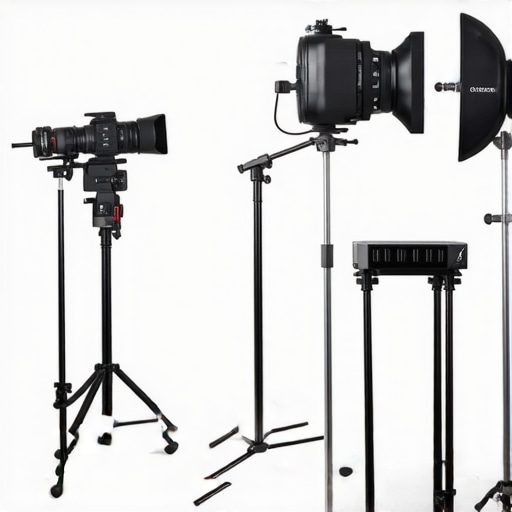
I remember the exact moment I realized my setup was holding me back. I was mid-shoot, struggling to adjust my overhead boom arm, and everything felt just a bit off—claustrophobic, unstable, and frustrating. That sudden epiphany hit me hard: the right support gear isn’t just a luxury; it’s the backbone of professional-quality footage. If you’ve ever wrestled with squeaky, wobbly support equipment during a critical shot, you know exactly what I mean. It’s a sinking feeling when your gear feels more like a liability than an asset.
Why Choosing the Right Support Gear Is Make-or-Break for 2024 Filmmakers
In 2024, the demands of studio filmmaking are higher than ever. You need equipment that can keep up — stable, reliable, and versatile enough for any shot you envision. So, how do you select the best boom arms and C stands to ensure your projects look polished and professional? That’s what I want to explore today. We’ll dive into the specific features that matter, compare top options, and uncover common mistakes to avoid. Trust me, investing time in understanding your gear can elevate your entire production game.
Skeptical About the Hype? You’re Not Alone
I’ll admit, early in my journey, I bought the latest gear just because everyone else was raving about it. My first mistake? Choosing a support arm based solely on price rather than stability and build quality. I found out the hard way that cheap support gear often leads to shaky shots or, worse, collapses during a shoot. According to experts at CreatorRigReviews, sturdy support gear is essential for professional results, and cutting corners can cost you dearly. So, if you’re feeling skeptical, you’re actually spot-on—I’ve been there, and proper gear makes all the difference.
Now that we’ve acknowledged the importance and some pitfalls, let’s look into how you can select the best boom arms and C stands that will serve you well through 2024 and beyond. Ready to make your studio setup foolproof? Let’s get started.
Secure Your Setup with Sturdy Supports
Start by assessing the weight of your equipment and the type of shots you’ll be capturing. Think of your support gear as the foundation of a building—if it’s unstable, everything on top suffers. Use a digital scale to weigh your camera, lights, and accessories, then match these to support gear rated for at least 25% more capacity to ensure safety and stability. When I replaced my old support arms with a heavy-duty model, my shots became noticeably steadier, and I avoided frustrating wobble during critical moments.
Match Support Supports to Your Shooting Environment
Determine whether you’ll be shooting in-studio or on location. For outdoor or on-the-fly shoots, opt for lightweight, portable C stands that are easy to transport and quick to set up, like those detailed in this guide. In contrast, studio shoots benefit from heavy-duty, stable stands with rubber feet that prevent slipping. During a recent rooftop shoot, I used a robust C stand with omni-directional wheels, which made repositioning seamless without sacrificing stability.
Prioritize Safety and Ease of Use
Support gear must be user-friendly. Look for features like quick-lock clamps and adjustable height mechanisms. Remember, every added complexity increases setup time and potential for error. I learned this the hard way when I ignored the importance of smooth-adjusting release clamps; my support arm slipped mid-shoot, causing a minor accident. Now, I always verify locking mechanisms before shooting to prevent mishaps.
Select Support Gear with Compatibility in Mind
Ensure your boom arms and C stands are compatible with your other equipment. For example, check thread sizes and mounting options. Use adapters if necessary to match your cameras, lights, or rigs to support hardware. For instance, pairing a support arm with a quick-release plate improved my workflow efficiency, as I could easily swap gear without disrupting the entire setup. Be sure to consult detailed specs or product reviews, such as this comparison for top-rated options.
Balance the Cost and Durability
High-quality support gear demands investment, but offers longevity. Think of it as buying a reliable pair of shoes—you may pay more upfront, but you’ll walk comfortably for years. During my last purchase, I avoided inexpensive models that bent easily, opting instead for sturdy aluminum constructions with reinforced joints. This choice saved me from frequent repairs and replacements, ultimately saving money over time. Always inspect for weld quality and material thickness to gauge durability.
Test Before the Critical Shot
Before each shoot, perform a quick stability check. Gently shake supports, adjust tightness, and verify lock locks. In a recent documentary shoot, I ran a quick shake test on my support arm after setup, catching a loose clamp that could have led to a disaster during a dynamic scene. This habit ensures confidence during demanding takes, especially when handling heavy or sensitive equipment.
Remember, your support gear isn’t just a placeholder but an active partner in making your shots impeccable. Proper selection and maintenance of boom arms and C stands give you the foundation needed for consistent professionalism in every scene.
Many filmmakers believe that the main concern with support gear like boom arms, camera rigs, tripods, C stands, and light stands is simply grabbing the most affordable option or relying on brand reputation. However, truly mastering this equipment involves understanding nuanced factors that can make or break your shot quality. One widespread myth is that heavier, bulkier stands always provide better stability. While weight contributes to steadiness, material quality and design play an even more critical role. For instance, a lightweight aluminum C stand with reinforced joints often outperforms a heavier, poorly constructed one.
Is Raw Strength Always Better Than Smart Design in Support Gear?
In fact, recent studies from industry experts suggest that the clever application of engineering principles—like center-of-gravity management and quick-lock mechanisms—can significantly enhance support stability without extra weight. Overlooking these advanced features can lead to stability issues that compromise professional image quality. Fall into the trap of equating size with efficiency, and you might end up with equipment that’s cumbersome and hard to reposition during dynamic shoots. To avoid this, prioritize versatility and ergonomic design by consulting detailed reviews, such as this comprehensive guide. Another common mistake revolves around setup errors that many overlook, like misaligning support legs or failing to double-check locking clamps—small errors that can lead to catastrophic equipment failure. Proper assembly and regular inspection before each shoot are essential. 
How do I maintain my support gear for maximum longevity?
Develop a routine checklist that covers inspection, lubrication, calibration, and proper storage. Also, favor support equipment with high-quality materials and modular design, like those highlighted in the comprehensive guide to camera rigs and stand support gear, to simplify upkeep. Regular attention to your gear not only guarantees safety but ensures consistent, professional results—saving you time and money in the long run. For ongoing updates and expert advice, be sure to browse trusted resources or get in touch through the contact page. Incorporating these maintenance habits into your workflow guarantees your support gear will serve reliably for many productions ahead. Remember, well-maintained support systems like support arms, stands, or tripods are the backbone of seamless filmmaking—don’t let neglect compromise your project. To enhance your setup, try applying silicone-based lubricant to moving parts and assess your support stands’ stability regularly. Small steps like these can make a big difference in long-term performance and safety.
What The Toughest Support Challenges Taught Me About Stability
One of the biggest lessons I learned early was that support gear isn’t just about holding equipment—it’s about trusting your setup under pressure. The moment a support arm wobbled during a shot, I realized that no amount of post-production can fix a shaky frame. This taught me to prioritize not just weight capacity but also engineering design—features like quick-lock clamps and center-of-gravity management. Without these, even the sturdiest support can become a liability rather than an asset, especially when capturing dynamic scenes or shooting on unpredictable surfaces.
Tools That Transformed How I Support My Shots
Over the years, I’ve found that investing in top-tier support gear truly pays off. My go-to resources include this comprehensive boom arm setup guide, which offers insights into balancing strength and maneuverability. I also rely on this detailed resource for C stands that emphasizes stability without sacrificing portability. Additionally, light stand guides help me select versatile supports that adapt to various shooting conditions, making my workflow smoother and more reliable.
Believe in Your Gear and Feel the Difference
There’s an empowering feeling that comes with knowing your support gear can handle every shot, no matter how demanding. Proper maintenance, regular inspections, and choosing the right equipment for your specific needs transform support from a frustrating component into a trusted partner. It’s about building confidence—knowing that your boom arms, C stands, and light supports will hold steady through the most complex scenes. If you’re ready to elevate your filmmaking, start by reevaluating your current setup and investing in gear that truly supports your creative vision. Remember, the foundation you build today will determine the steady, professional results you achieve tomorrow. Are you prepared to upgrade your support gear for a smoother shooting experience? Let me know below.
Reading this post really resonated with me, especially the part about support gear being the backbone of a professional setup. I’ve learned the hard way that investing in high-quality, versatile C stands and boom arms pays off in the long run. For instance, I recently switched to a support system with quick-lock clamps and reinforced joints, and it made a noticeable difference in stabilizing complex shots. It’s surprising how much stability can vary between even seemingly similar supports, often due to engineering design rather than weight alone. One challenge I’ve faced is balancing portability with durability, especially when shooting on location. Do others have tips for selecting gear that offers both lightweight convenience and high stability in unpredictable environments? I’d love to hear what setups or brands work best for on-the-go shooting—sharing experiences like this can really help us all elevate our craft.