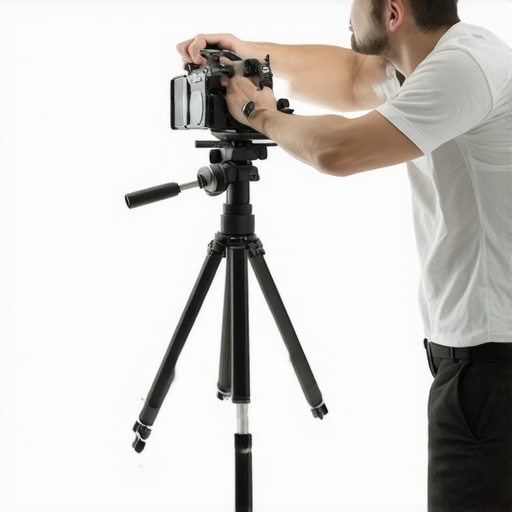
Ever had that sinking feeling when your camera rig wobbles just as you’re about to capture that perfect shot? I remember the frustration vividly—believing I had everything aligned, only to have my footage shake or drift. It was a moment of realization: even the most advanced gear can’t save shaky footage without proper support. That lightbulb moment led me down a path of experimentation, learning, and ultimately mastering the art of stable filming. Whether you’re a seasoned filmmaker or just starting out, understanding how to keep your camera steady is the bedrock of professional-looking content.
The Hidden Dance of Balance and Support in Filming
Today, I want to share with you the secrets behind achieving rock-solid stability for your camera rigs, tripods, and support gear in 2024. It’s not just about investing in expensive equipment; it’s about understanding how to set up and optimize what you already own. From selecting the right support structures to fine-tuning your setup, you’ll learn practical tips that will elevate your filming game. Imagine swinging that camera smoothly around a bustling street or capturing intricate close-ups without a hint of shake—that’s the kind of control we’re aiming for. If you’re tired of re-shoots and blurred footage, keep reading. I’ll guide you through everything you need to know to stabilize your shots like a pro.
Is All Support Equipment Truly Necessary, or Just Hype?
Early in my journey, I made the mistake of assuming that a basic tripod would suffice for all filming scenarios. Spoiler alert: it doesn’t. Relying solely on generic support gear often leads to instability, especially in demanding environments. This misunderstanding cost me time, money, and credibility. Becoming aware of how specialized equipment—like dedicated support arms and C-stands—can dramatically improve stability made all the difference. For a comprehensive look at the essential gear, check out this detailed guide.
So, tell me—have you ever faced a situation where your support gear just couldn’t keep up? If so, you’re not alone. But don’t worry; in the upcoming sections, we’re going to dive into step-by-step solutions that will make your setup rock-solid, no matter the scene or environment. Ready to transform your filming support system? Let’s go!
,
Secure Your Tripod Properly
My first real breakthrough came when I learned to tighten every leg lock on my tripod meticulously. I once set up a lightweight tripod on uneven pavement, thinking a quick weld of the legs would suffice. During a fast pan, it wobbled, ruining my shot. The fix: level the tripod on stable ground, extend all legs fully to maximize stability, and tighten all locking mechanisms securely. This ensures minimal flex and maximum support, especially in unpredictable outdoor environments.
Optimize Your C-Stand Setup
Using a C-stand for lighting or additional support requires awareness of weight distribution. I once overloaded a C-stand with heavy lights and accessories, causing instability. To avoid this, place the heavier items at the bottom, close to the stand’s base, and extend the boom arm gradually while ensuring the weight is balanced. Choosing the right C-stand is essential—look for sturdy, telescoping legs and secure clamps that hold your equipment firmly.
Stabilize Light Stands for Consistent Illumination
Light stands are often underestimated but play a critical role. Once, I used a flimsy light stand that toppled over when I tried to raise my softbox high. The solution was simple: invest in a heavy-duty light stand with a wide base and non-slip feet. Setting the stand on a stable surface and avoiding overcrowding ensures the stand remains upright, even in windy conditions. For advanced setups, this guide offers insights on selecting the best stands for any scenario.
Build a Custom Support Rig
Transitioning to custom rigs was a game-changer. I once built a rig combining a sturdy tripod with a counterbalanced boom arm to hold my camera overhead during an outdoor shoot. This involved designing a rig that could handle weight without wobbling. I used this tutorial to assemble and balance the components precisely, ensuring zero jitter during handheld moves.
Fine-tune Support Components for Maximum Stability
Finally, I focus on fine-tuning every connection point—tightening clamps, leveling heads, and ensuring all joints are secure. On a windy day, I experienced unexpected shake due to loose support arms. The fix: check and tighten all fasteners before shooting, and consider adding weights or sandbags to stabilize lighter stands. Remember, small adjustments can make a significant difference in shot quality. For detailed tech tips, see these advanced stabilization techniques.
While many assume that selecting a sturdy c-stand or tripod is as simple as choosing a model labeled ‘heavy-duty,’ the real nuance lies in understanding the subtle yet critical aspects of support gear that often go unnoticed. A common myth is that higher weight capacity automatically guarantees stability. However, in my experience, the quality of construction, center of gravity, and how you set up the support are far more impactful. For example, a lightweight c-stand with well-designed base plates can outperform bulkier, poorly engineered alternatives. It’s worth diving into these details, as they can make the difference between jittery footage and buttery-smooth shots. For comprehensive advice, check out this guide on boom arm setup.
Many filmmakers fall into the trap of relying solely on generic support tools without considering how their setup interacts with environmental factors. For instance, a common mistake is setting up a tripod or light stand on uneven terrain without proper leveling mechanisms, which introduces unintended vibrations. A small adjustment—like ensuring all tripod legs are fully extended and locked on stable ground—can significantly enhance stability. Also, placing support equipment like C-stands and light stands on non-slip bases or adding ballast sandbags can prevent accidental toppling during dynamic shots. Have you ever fallen into this trap? Let me know in the comments.
Are C-Stands Really Necessary for Every Scene or Just a Sales Pitch?
This is a question I’ve encountered many times. The truth is, C-stands are incredibly versatile but not always required. They excel when you need precise positioning, especially for overhead shots or when working with heavy modifiers. However, in confined spaces or lightweight setups, sturdy tripods or even DIY solutions can suffice. The key is understanding the specific demands of your shoot. Don’t let the marketing hype push you towards over-investment. Instead, learn to optimize your existing gear by mastering setup techniques—like proper weight distribution and the use of support accessories—that dramatically improve stability. To master these skills, explore these stabilization tips.
Another often-overlooked nuance is the importance of quick-release mechanisms and clamp quality. Cheap or worn clamps can slip during critical moments, causing jitter or even equipment damage. Investing in high-quality, reliable clamps ensures your setup remains secure throughout demanding shoots. Remember, the support gear is only as good as its weakest link. Always inspect connection points before shooting starts!
Finally, advanced practitioners understand that the synergy between different support components can elevate your filmmaking. Combining supports with well-balanced boom arms, sturdy tripods, and properly configured light stands creates a resilient system that handles environmental challenges like wind or floor vibrations seamlessly. For more sophisticated rigging ideas, check out this advanced support rig tutorial.
By paying attention to these often-overlooked details—beyond just weight capacity or basic setup—you’ll develop a nuanced understanding that transforms your support gear into reliable filmmaking allies. Remember, stability is about thoughtful setup and quality components working in harmony.
Ready to take your support game to the next level? Dive into detailed guides and consult experienced riggers. And if you found this insight valuable, share your experiences or questions below. For tailored advice, reach out here.
Maintaining your support equipment like C-stands, tripods, and light stands is crucial for ensuring long-term reliability and optimal performance in your shoots. From routine inspections to proper storage, implementing a systematic care regimen can extend the lifespan of your gear and save you costly replacements. I personally prioritize cleaning my clamps and joints after every session using a soft cloth and a touch of contact cleaner, which prevents corrosion and ensures smooth operation. Additionally, regularly checking for loose screws or worn-out rubber feet helps prevent unexpected failures during critical moments. The trend in support gear maintenance is moving toward modular, easily serviceable components, allowing for quick repairs on the go, which is especially valuable on location shoots.
The Hardest Lesson I Learned About c stand,tripod,light stand,camera rig,boom arm
One of my most humbling moments was realizing that even the sturdiest gear is rendered useless without proper setup. I once relied solely on high-quality clamps but overlooked the importance of proper weight distribution, leading to wobbling during critical shots. That taught me the vital lesson that equipment alone isn’t enough; meticulous setup and attention to detail are crucial.
3 Myths About c stand,tripod,light stand,camera rig,boom arm That Held Me Back
I believed that bigger equipment always meant better stability—turns out, not necessarily. Another misconception was that all support gear is universally compatible. Learning to assess the specific needs of each scene and environment, and choosing the right support for the job, transformed my workflow. These myths cost me time, but busting them opened new doors for reliable filming.
What Experts Won’t Tell You About c stand,tripod,light stand,camera rig,boom arm
Many seasoned professionals focus on technology but forget the small details that make a difference—like tightening every fastener and ensuring even weight distribution. I discovered that integrating support components carefully and adjusting for environmental factors like wind and uneven terrain are often overlooked but key to stable shots. The real expertise lies in the nuances of setup, not just gear selection.