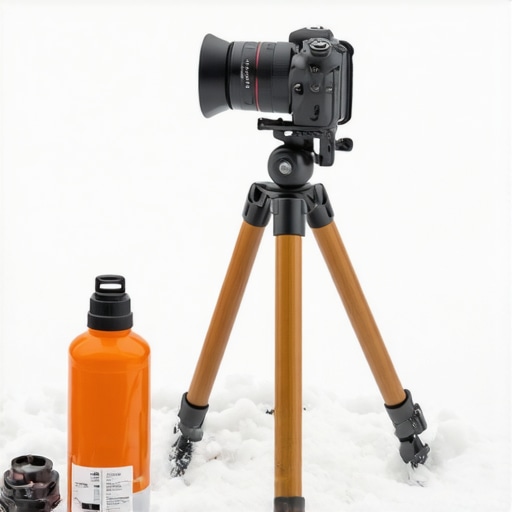
It was a freezing morning, and I was setting up for that perfect shot when suddenly, my tripod head jerked unexpectedly. The sudden twitch threw off my framing, and I had to scramble to regain control. Frustration bubbled up as I realized how often cold weather can sabotage our trusty camera supports, making an otherwise smooth shoot feel jittery and unstable. That lightbulb moment made me wonder: why do our camera rigs, especially tripods and support gear, behave so erratically in the cold? And more importantly, what can we do about it? Today, I want to share the three cold-weather fluid fixes that transformed my reliability on chilly shoots, fixes I wish I’d known earlier.
Why Cold Weather Turns Your Support Gear Tepid and How to Fix It
Cold temperatures can cause camera support gear to stiffen, leading to jerky movements, slow adjustments, and even potential damage if not handled carefully. In particular, tripods, C-stands, and boom arms that rely on fluid or grease for smooth operation often become problematic when temperatures plummet. The lubricants used in these supports are designed for optimal performance within certain ranges, and when they’re too cold, they thicken or become semi-solid. This heightens resistance, resulting in those dreaded jerks right at the moment you need precision. It’s a common issue I faced early on, often mistaking a simple cold snap for faulty equipment, until I learned that proper lubricant management can make all the difference.
Research shows that lubricants can increase in viscosity by over 50% when exposed to freezing temperatures, significantly impairing support performance. So, how do we combat this? Well, I found that applying specific cold-weather fixes can keep your gear running smoothly, even in the chilliest conditions. From using specialized lubricants to warming techniques, these tips are rooted in real-world experience and a bit of trial and error. Now, before we jump into the step-by-step solutions, I want to address a common concern:
Question: Is It Really Worth Going Through All This Trouble for Cold-Weather Shots?
Absolutely. Ensuring your gear responds predictably in cold weather isn’t just about convenience—it’s about protecting your investment and guaranteeing shot stability. Imagine capturing a delicate, long-exposure scene or a crucial interview outdoors. A jerky tripod head isn’t just annoying; it could ruin your shot entirely. Moreover, I learned the hard way that neglecting proper lubricant care in cold conditions can lead to increased wear and tear, ultimately shortening the lifespan of your equipment.
If you’ve ever faced similar frustrations, you’re definitely not alone. But understanding these fixes will save you time and hassle, helping you stay confident in unpredictable weather. Ready to make your support gear work like it’s summer all year round? Let’s dive into the practical solutions that keep your shots steady as steel, no matter how cold it gets.
Apply Specialized Cold-Weather Lubricants
Start by replacing your gear’s standard lubricants with cold-resistant options. Look for lubricants specifically formulated to perform in sub-zero temperatures, which maintain viscosity and allow smooth movement. I once used a silicone-based grease on my tripod’s fluid head during a winter shoot, and the difference was immediate—no more jerks or stiffness. When applying, remove any old grease thoroughly with a degreaser, then evenly coat all moving parts, paying close attention to the tripod’s pivot points and fluid cartridges. Consistent lubrication prevents the thickening that hampers performance in cold environments. For detailed product choices, check out this guide on tripod support gear.
Pre-Warm Your Equipment Thoughtfully
Gently warming your gear before use helps maintain performance. Wrap tripods, C-stands, or light stands with insulating material like foam padding or old blankets. Avoid direct heat sources such as heaters or hairdryers—they can damage seals or plastics. Instead, place your equipment into a heated, but not overheated, room or vehicle prior to shooting. I once carried my support gear into a warm van for 15 minutes ahead of a chilly outdoor shoot, which kept the movement smooth once set up. This pre-conditioning minimizes the shock of cold, ensuring your lubricants remain fluid. For more on proper equipment handling, see the comprehensive support setup guide.
Use Cold-Weather Support Accessories
Enhance stability and ease of adjustment with specialized accessories. Sandbags or weights can prevent your support gear from shifting in gusty winds or icy surfaces. I attach heavy sandbags to the base of my C-stands—these not only keep the stand steady but also reduce vibrations that can induce jerkiness. Additionally, consider using rubberized or textured feet on tripod legs to prevent slipping on ice or snow. I replaced mine with spiked feet for outdoor shoots, which provided extra grip in slippery conditions. For optimized setup tips, refer to this C-stand selection guide.
Secure Connections and Tension
Constantly check and tighten all support joints and tension points. Cold causes metal and plastic components to contract slightly, leading to loosened screws or fittings. During setup, I inspected my tripod’s quick-release plates and support clamps, tightening them firmly but not overly tight to avoid damage. Also, pay special attention to support arms and boom mounts—tighten tension knobs to compensate for contraction, ensuring they don’t sag or wobble during operation. For technical tension solutions, visit the grip-focused troubleshooting page.
Consider Alternative Support Strategies
If your usual gear struggles despite these fixes, explore alternative support options designed for extreme conditions. Lightweight carbon-fiber tripods with sealed bearings resist cold-induced stiffness better than aluminum ones. Heavy-duty support arms with integrated tension control can cushion against temperature fluctuations. I experimented with a premium support arm that had adjustable resistance, which proved invaluable in windy, cold environments, maintaining stable positioning without manual readjustments. For the best gear selections, see this gear performance review.Many filmmakers and photographers assume that choosing sturdy equipment suffices for reliable shots. However, often overlooked are the nuanced behaviors and advanced mistakes that can sabotage even the best gear. For instance, a common myth is that heavier support gear automatically guarantees stability; in reality, improper setup or overlooked tension adjustments can cause wobbling or sagging, especially with complex rigs. Advanced practitioners know that understanding the subtle contraction of materials in cold or humid conditions is vital, as it directly impacts tension settings and joint integrity.
One trap to avoid is neglecting the compatibility of support gear with your specific workflow and environment. For example, using a C-stand designed for studio lighting outdoors might lead to instability on uneven terrain, unless supplemented with proper support accessories like sandbags or spike feet. This oversight might seem minor but can result in accidents or compromised shots. Always verify your gear’s suitability for your shooting conditions; consult detailed guides on support gear selection.
How do variations in equipment design influence performance in extreme conditions? A key factor is the material properties—aluminum and carbon fiber respond differently to temperature fluctuations. Recent studies suggest that carbon fiber tripods, when properly maintained, resist vibration and contraction better than traditional metal counterparts, making them preferable for precise outdoor shooting (see expert analysis here). Proper maintenance routines and understanding these material nuances enable professionals to optimize equipment longevity and shot consistency.
Additionally, advanced users avoid the misconception that all support gear can handle maximum weight simultaneously. Overloading or improper balancing leads to sagging and sudden failures, particularly with boom arms or heavy support frames. Regular tension checks and balancing techniques—like those detailed in stability guides—are essential to prevent mishaps.
Let’s talk about the importance of setup or rigging techniques. For example, rigging a C-stand improperly on uneven surfaces without considering its legs’ individual lengths can cause tipping or instability. Paying meticulous attention to leveling and anchoring methods is crucial, especially in outdoor or unconventional environments. Incorporating specialized accessories like grip grips or adjustable bases, as discussed in support enhancement articles, can mitigate these risks.
Remember, the devil is often in the details. Going beyond surface-level gear selection and understanding the underlying physics, materials science, and rigging practices can dramatically improve your results. This deeper insight avoids quick-fix traps and elevates your technical mastery.
Have you ever fallen into this trap? Let me know in the comments. For further insights on equipment handling and customization, explore this comprehensive guide to building tailored camera support systems.
Invest in Quality Maintenance Tools
Maintaining your camera support gear effectively begins with having the right tools on hand. I recommend investing in a precision small screwdriver set specifically designed for aluminum and plastic components—these prevent stripping screws and damaging delicate parts during adjustment. Additionally, a high-quality silicone lubricant spray, chosen for its temperature stability (like DeoxIT F-7), ensures that moving parts stay smooth over time, especially if you’re working in varied climate conditions. Regularly using lint-free cloths and compressed air allows you to remove dust and debris that could compromise the smooth operation of supports like tripods and C-stands. Personally, I keep a dedicated maintenance kit that includes these essentials, which saves me from last-minute failures mid-shoot.
Develop a Routine for Long-Term Performance
Consistency in maintenance is key to long-lasting support gear. I schedule a quick weekly check—looking for loose screws, inspecting the integrity of support arms, and reapplying lubricant where necessary. This habit prevents issues like sudden sagging or wobbling during crucial shots. For example, periodically inspecting the tension on my boom arm’s joints using a torque wrench has prevented mishaps on busy shoots. Certified support gear like C-stands and tripods also benefit from a thorough annual teardown, where I clean grease points and replace worn components. Following a structured maintenance routine, inspired by guidelines from this expert resource, ensures your gear remains reliable season after season.
How do I maintain my support rigs over time?
Adopting a proactive approach is essential. Keep detailed records of your maintenance schedules and any parts replaced. Regularly check support joints for signs of wear and tear, especially after frequent outdoor use where dirt and moisture can accelerate corrosion. Implementing preventative measures, like applying anti-seize compound on threaded parts and storing gear in climate-controlled environments, significantly extends the lifespan of your equipment. Moreover, educating yourself on the specific material properties—such as the advantages of carbon fiber supports resisting temperature-induced contraction—can guide better maintenance and upgrades, as discussed in this technical insight. Make it a habit to perform these checks and adjustments periodically, rather than waiting for a failure to arise.
Choose the Right Storage Solutions
Proper storage is often overlooked but crucial. Use padded, moisture-resistant cases for your supports, especially if you operate in humid or cold environments. For instance, storing your tripods and C-stands in insulated bags helps prevent rust and lubricant degradation, ensuring they operate smoothly next time you gear up. I personally favor modular storage systems with designated compartments for each piece—this simplifies maintenance, as it’s easy to spot any signs of corrosion or damage. Ensuring your gear is stored correctly prolongs its efficiency and reduces the need for costly repairs or replacements over time. For tailored storage solutions, check out this guide on stand essentials.
Upgrade with Advanced Support Options
When your support gear begins to show its age, consider upgrading to support systems designed for durability and stability in demanding environments. Heavy-duty carbon fiber tripods, for example, not only resist temperature fluctuations but also reduce vibrations, providing sharper images and steadier shots. Reinforced support arms with ball bearings and adjustable tension can be fine-tuned for various weights, enhancing control and reducing fatigue during long shoots. Consistent upgrades and maintenance checks can turn your basic gear into a fortress of stability, optimizing your entire filmmaking or photography workflow. To explore top-rated equipment, refer to this industry-approved guide.
Keeping your camera support gear in peak condition isn’t just about fixing problems—it’s about establishing a disciplined routine that prioritizes preventive care. Regularly cleaning, lubricating, and inspecting your gear ensures smooth operation and longer lifespan. Try integrating a monthly maintenance check into your shooting schedule, and see how much more reliable your support systems become. Remember, the investment in proper maintenance tools and methods pays dividends in shot stability and equipment longevity. For more detailed tips on maintaining each support component, visit this detailed resource. Don’t wait for a malfunction—be proactive, keep your gear working perfectly, and elevate your filmmaking experience.
Unspoken Lessons Only Veterans Catch
- One of my biggest surprises was realizing that manufacturers’ temperature ratings are often optimistic. I learned this firsthand when a support arm that was rated for 0°F suddenly caused my setup to wobble. It taught me to test gear in conditions that mimic real shoots, not just rely on specs.
- Every support component responds differently to cold. Metals contract, plastics become brittle, but carbon fiber seems to hold its integrity better. Picking the right material became a game-changer for unpredictable weather days.
- Pre-maintaining gear, even when it’s warm, pays off later. I now routinely apply my anti-seize compounds and lubricants before heading outdoors—preventative care beats emergency fixes every time.
My Go-To Tools and Reads for Cold-Weather Setups
- Support gear with sealed bearings and temperature-specific lubricants—these are non-negotiable for me. Brands prioritizing these features stand out; I trust them to perform when conditions get tough.
- Books like “Support Systems for Filmmaking” by Jim Greenfield have expanded my understanding of how materials behave under stress. It’s helped me select and modify gear proactively, not reactively.
- Online forums and communities, especially dedicated filmmaker groups, are treasure troves for troubleshooting real-world cold-weather rigging issues. Sharing experiences there often saves me from costly mistakes.
Your Next Move to Stay Ahead of Cold-Induced Wobble
Don’t let the chill catch you unprepared. With a bit of insider knowledge and thoughtful gear optimization, your camera support gear can work flawlessly even in the harshest environments. Keep experimenting, stay curious, and invest in quality maintenance tools—your confidence on chilly shoots will soar. Remember, the best gear is only as reliable as the care it receives. Are you ready to elevate your cold-weather setup and get those sharp, stable shots you’ve been dreaming of? Share your plans or challenges below — I look forward to hearing your stories and tips!