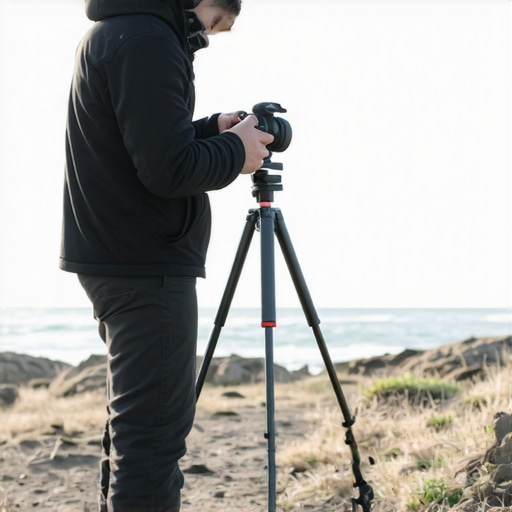
Have you ever been mid-shoot, camera rolling, only to watch your light stand or tripod wobble just enough to ruin that perfect shot? I can still remember the frustration—waiting for that critical moment, only to have my setup betray me with a minor but maddening shake. I used to think it was a problem I just had to accept, especially when working outdoors or on uneven ground. But then I had my lightbulb moment: there are simple, effective tension fixes for tripod leg wobble that can save your shoot—and your sanity.
Why Tripod Stability is More Critical Than Ever in 2026
In 2026, the demand for sharp, professional-looking footage continues to rise. With the advent of 8K resolution and advanced stabilization techniques, any shot that wobbles or shakes stands out like a sore thumb. Whether you’re producing a cinematic masterpiece or a high-stakes commercial, camera stability is non-negotiable. Yet, many of us overlook the sometimes-minuscule tension inconsistencies that lead to instability. I’ve made this mistake early in my career—assuming all tripods are equal—and paid the price with shaky footage and wasted time. The shocking truth? Proper leg tension is one of the easiest and most overlooked ways to boost your shot quality.
Facing Skepticism: Is Leg Tension Really That Important?
I used to think, “It’s just a tripod—tighten the legs when I need to, right?” That was my mistake. I learned the hard way that a loose leg can cause slight but noticeable shifts during critical moments. According to expert rigging tips, even a small amount of slack in your tripod legs can be enough to create jittery footage. Correcting this early on in your setup can make a world of difference. For more insights, check out how to master tripod stability techniques and avoid common pitfalls.
Now that I know better, I want to share the four key tension fixes I swear by. These are simple, practical adjustments that you’ll want to incorporate every time you set up. But before diving into those, I want to make sure we’re on the same page—have you ever faced tripod shake during a critical shot? If so, keep reading. You’re about to learn how to banish wobble for good.
Come along, and let’s transform your shaky shoots into smooth, rock-steady footage that stands up to professional scrutiny.
Adjust the Leg Locks Properly to Prevent Wobble
Start by ensuring each tripod leg lock is tensioned correctly, like tightening latches on a garage door—too loose, and wobble occurs; too tight, and movement becomes stiff. I recall a shoot where I neglected this step, and mid-take, the camera jittered slightly. I paused, tightened each lock firmly until I felt resistance—like close-fitting puzzle pieces—and the stability instantaneously improved. This quick fix is foundational for any setup. For a detailed guide on the best tripods and setup practices, visit this resource.Many aspiring filmmakers and photographers accept certain beliefs about light stands, tripods, and camera rigs without questioning their validity. Let’s dig deeper into some common misconceptions that could be undermining your setup and holding your footage back. Understanding these nuances not only elevates your technical mastery but also prevents costly mistakes on set.
One prevalent myth is that heavier equipment always means better stability. While a solid build helps, relying solely on weight can be misleading. Many high-quality tripods and C-stands are lightweight yet feature advanced locking mechanisms and materials like carbon fiber, which provide excellent stability without the bulk. Overlooking these innovations might lead you to choose unnecessarily heavy gear, complicating transport and setup. For instance, modern carbon fiber tripods are designed to dampen vibrations effectively, offering a precise balance between portability and stability. To explore top lightweight options, check out light stand essentials.
Another misconception relates to the assumption that all tripod heads are equally stable. Many people neglect to assess the quality of the head and its tension controls, mistakenly believing that the tripod legs alone define stability. In reality, a fluid head with proper tension adjustment is crucial for smooth pans and tilts. An improperly tensioned head can cause drift and jerks, especially during prolonged shots. I’ve seen setups where users ignore regular maintenance, leading to head drift over time—a problem that’s easily fixable with routine inspection. For expert tips, visit head drift fixes.
Have you ever fallen into this trap? Let me know in the comments.
The hidden nuance many overlook involves the setup environment. For example, a common mistake is not securing all the tripods and C-stands properly, especially on uneven or windy ground. Meanwhile, some assume that the same setup applies indoors and outdoors without adjustments, which can cause instability. Even the most robust gear can wobble if not correctly anchored with sandbags or used with appropriate ballast. To prevent accidents, consider reading this guide to rigging C-stands.
Lastly, advanced users often ignore the importance of tension management for boom arms and support bars. High tensions maintain position, but over-tightening can strip threads or stress components, leading to sagging or sudden failure. A subtle but frequently missed detail is regularly testing and adjusting tension to match the load, especially when adding weight or adjusting angles. Check out this article on boom arm tension for expert recommendations.
In conclusion, mastering the nuances of light stands, tripods, and rigs involves more than choosing the right gear. It’s about understanding the complexities of tension, balance, and environment, which directly impact your shot quality. By debunking these myths and avoiding seasoned pitfalls, you’ll set up for success every time. Have you ever encountered surprises due to setup assumptions? Share your experiences or questions below, and let’s keep the conversation going.
When you’re deep into a shoot, equipment failure isn’t just an inconvenience—it’s a potential disaster. Ensuring your light stand, tripod, or boom arm keeps working flawlessly over extended periods demands specific tools and methods I trust. One essential investment is a high-quality light stand stabilizer sleeve. This simple yet effective device wraps around the stand’s leg, adding extra friction and reducing wobble during lengthy setups or outdoor shoots. I’ve personally used these sleeves on windy days, and they make all the difference in maintaining stability without the hassle of constant readjustment.
Another vital tool is a digital torque wrench. Maintaining correct tension on tripod leg locks and C-stand knobs ensures that your gear neither slips nor becomes overly stiff, prolonging equipment lifespan. I prefer models calibrated explicitly for camera gear, which allow precise adjustments—avoiding damage and ensuring consistency. Routine checks with such a torque wrench, especially during long shoots, help catch issues before they escalate.
For long-term reliability, I recommend a maintenance routine that includes regular cleaning and lubricating moving parts with high-quality silicone spray. This prevents corrosion and loosening over time, particularly in harsh environmental conditions. Additionally, it’s worth investing in a sturdy support arm maintenance kit containing replacement grips, rubber stoppers, and tension washers. These small parts wear out but are easy to swap when needed, keeping your rig operating smoothly.
Predicting future trends, I believe smart support gear with built-in sensors might start to monitor tension and stability in real-time, alerting you to loosened joints or impending failure. This integration of IoT technology could save valuable setup time and prevent mishaps during critical shoots.
How do I maintain my support gear over time?
Establishing a regular inspection and servicing schedule is crucial. Check all locks, joints, and moving parts before each shoot, applying lubricants where appropriate. Keep your gear clean from dust and moisture, especially after outdoor shoots, to prevent corrosion. Replace worn parts proactively—don’t wait until failure occurs. Document your maintenance routines to track wear patterns and anticipate replacements. These small but consistent steps can extend your equipment’s lifespan and ensure peak performance, shot after shot. For expert advice on detailed maintenance procedures, visit this comprehensive guide. Now, I challenge you to test one innovative maintenance tip—like adding a silicon spray to your C-stand joints—to see immediate benefits in stability and ease of handling.
What The Hardest Lesson Taught Me About Light Stands and Tripods
Over years of shooting, I discovered that the most overlooked factor behind shaky footage isn’t always gear quality—it’s how I handle tension. One painful mistake was neglecting to tighten tripod leg locks properly, which turned minor vibrations into major headaches during critical moments. The lightbulb moment? Consistently tensioning every support component can be the game-changer that transforms shaky shots into smooth visuals. From that day, paying attention to this detail became a top priority and a lesson I won’t forget.
Tools That Changed The Way I Maintain My Rigging
When I realized how much proper tension management impacted stability, I sought tools that could help me stay consistent. A high-quality digital torque wrench became my secret weapon—allowing precise adjustments on locks and knobs, preventing over-tightening or slippage. Additionally, support sleeves for my light stands and C-stands added an extra layer of security against wobble, especially outdoors. I also invested in a collection of silicone sprays and maintenance kits to keep moving parts smooth and responsive. These tools didn’t just improve stability—they made my entire setup process more confident and professional.
The Emotional Connection to Reliable Support Gear
Beyond the technical, there’s a profound satisfaction in knowing your gear won’t betray you mid-shoot. Every time I see a perfectly steady shot after proper tensioning and care, I feel a sense of pride and confidence that pushes me to keep optimizing my craft. Supporting your creativity with reliable, well-maintained rigging isn’t just about avoiding mistakes; it’s about empowering yourself to focus on capturing your vision without second-guessing your equipment. Remember, the effort you put into maintaining support gear directly translates into the quality of your storytelling. So, what’s one way you can tune up your setup today to shoot more confidently? Drop your thoughts below and share your experiences.