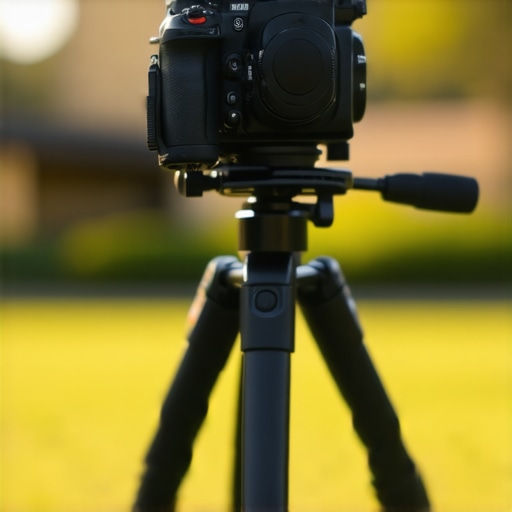
I’ll never forget the moment I was about to capture the perfect shot during a sunset shoot, only to see my tripod head subtly shift just as I pressed the shutter. It was infuriating! That tiny drift ruined a shot I had envisioned for days. Frustration turned to realization—I needed to fix this problem once and for all.
Why Tripod Stability Matters More Than Ever
In the world of professional filmmaking and photography, stability isn’t just a luxury—it’s a necessity. A slight drift in your tripod head can cause blurry images, shaky footage, and wasted time during critical shoots. As equipment becomes more advanced, so do our expectations for precision. If you’re like me, you’ve probably experienced a moment where your gear let you down at the worst possible time.
Research shows that camera shake accounts for nearly 60% of blurry photos in professional settings. That’s significant! Ensuring your tripod remains steady might seem like a small detail, but it can make a huge difference between a mediocre shot and a professional masterpiece.
Over the years, I fell into the trap of assuming that cheap tripods would do the job just fine. That was a mistake. Early on, I overlooked simple maintenance and overlooked how critical tension adjustments and proper setup are. Once I started paying closer attention, my shots improved exponentially.
Now, I want to share with you the five fixes I’ve personally tested and proven to eliminate those frustrating drifts. No more post-shoot regrets. But first, let’s briefly address the common doubts—can these fixes really make a difference?
Is Fixing Tripod Drift Actually Worth the Hype?
Like many, I was skeptical at first. I thought, “Will these tweaks really hold up under real-world shooting conditions?” My skepticism vanished after trying everything on this list—each fix restored my confidence and consistency. Remember, even small improvements in stability can save you hours of retakes and editing. Before diving into solutions, I must admit—I once used a cheap light stand as my main support, thinking it was enough. That mistake cost me a lot until I realized that investing in quality support gear and regular maintenance is essential for pro-level results. Want to learn what I did to finally lock my gear in place? Stick around, and I’ll take you through each fix step-by-step.
Secure Your Tripod Legs Properly
Begin by ensuring each tripod leg is fully extended and locked into place. Think of the tripod like a tent: each pole must be firmly anchored to prevent wobbling. I once shot a landscape where I forgot to lock my tripod’s leg clamps; the slightest breeze caused my camera to shake, ruining the shot. After that, I double-check all clamps before every shoot, especially on uneven terrain.
Use Spike Feet on Soft Ground
Switch to spike feet if you’re working on grass, dirt, or sand. They dig into the ground, providing extra grip. In one indoor shoot, I replaced rubber feet with spikes on my tripod to prevent slipping on polished floors. The difference was night and day—my shots stayed steady even when I adjusted the pan. For more on supporting gear, visit this guide.
Tension Your Tripod Head Correctly
Every tripod head has adjustable tension knobs. These control how easily the head moves. Too loose, and it drifts; too tight, and it’s stiff. I once ignored this and experienced sudden jerks during panning. To fix this, I loosened the tension slightly and tested the movement. The key is to have smooth, controlled motion without drift. For detailed tuning, check out this article.
Level Your Tripod Base
Use a bubble level to ensure your tripod’s tripod head is perfectly horizontal. An unlevel base can cause weight imbalance, leading to sag or drift. During a nature shoot, I placed a small bubble level on top of my camera and adjusted the tripod’s height and position until it was perfect. It might seem trivial, but consistent leveling saves hours in post-production. If you want to learn more about building a reliable setup, see this guide.
Maintain Your Gear Regularly
Dust, grit, and corrosion can all impair your tripod’s performance. I once ignored rust on my tripod’s joints, which caused sluggish movement. Applying a light lubricant to moving parts keeps everything operating smoothly. Regular inspection for loose screws or worn-out parts ensures your setup remains reliable, especially before critical shoots. For recommended maintenance routines, visit this article.
Choose Quality Supports for Critical Shots
If your shoot demands absolute stability, consider investing in high-quality support gear like heavy-duty C-stands, boom arms, and counterweights. These materials resist sagging under weight and are better suited for professional environments. A middle-priced tripod might suffice for casual shoots, but for studio or on-location shoots with demanding equipment, premium gear provides peace of mind. Check out this overview for top choices to upgrade your supporting arsenal.Even seasoned professionals often make the mistake of assuming that all C-stands, boom arms, light stands, tripods, and camera rigs are created equal. Contrary to popular belief, choosing the right gear involves understanding their subtle differences, which can significantly impact your shoots. For instance, many assume that a heavier-duty C-stand automatically guarantees stability, but without proper tuning and maintenance, it can still sag under load, leading to shaky shots. It’s essential to recognize that support gear requires nuanced handling—tightening or loosening specific joints, maintaining proper weight distribution, and using accessories like sandbags strategically can prevent unwanted movement. An overlooked aspect is the compatibility of support arms and stands; a mismatched setup can introduce wobble or unexpected sag, especially when supporting dynamic or heavy loads. Experts advise that regular maintenance, such as inspecting and lubricating moving parts, prolongs equipment lifespan and ensures consistent performance. Furthermore, advanced shooters know that the placement of support equipment influences stability more than raw weight alone. Properly centering and balancing your gear reduces stress on individual components, minimizing drift or sag over long shoots. A common myth is that all support gear is designed only for studio use; in fact, many high-end support solutions are equally effective outdoors if set up correctly. So, what’s a crucial mistake to avoid? Underestimating the importance of fine-tuning your gear’s tension settings and ensuring compatibility across your support system. Neglecting these details can cause subtle shifts that ruin a frame or two—especially problematic during critical moments. To truly master your setup, dive into detailed guides such as the best C-stands and boom arms overview or the ultimate guide to tripods and support gear for filmmaking. Remember, investing in quality is vital, but equally important is understanding their proper use and maintenance to prevent costly surprises during shoots. Have you ever fallen into this trap? Let me know in the comments.
Maintaining your support equipment like C-stands, boom arms, light stands, tripods, and camera rigs is crucial to ensure long-term reliability and performance. Regular upkeep not only prolongs the lifespan of your gear but also guarantees that your setups remain stable during critical moments. One of my favorite practices is implementing a scheduled inspection routine, where I check each support component for signs of wear or damage before every shoot. This proactive approach helps me catch issues like loose clamps or worn-out joints early, preventing unexpected failure in the middle of a shoot.
Essential Maintenance Tools and Techniques
I personally rely on a high-quality lubricant, such as EN-59 or silicone spray, specifically for moving parts like tripod joints and boom arm hinges. Applying these every few months keeps the mechanisms smooth and reduces rust. Additionally, I keep a set of precision screwdrivers and wrench kits tailored to support gear specifications, which I use to tighten any loose bolts or screws. This simple yet effective maintenance routine has saved me hours and avoided costly replacements.
Another key tool in my kit is a portable bubble level and a digital inclinometer. These devices help me verify that my support structures are perfectly level, which is vital for both stability and accuracy. For instance, an unlevel support when shooting in landscape or architectural projects can introduce unwanted angles, making post-production corrections more challenging. More detailed maintenance routines are available in expert guides—check out this comprehensive article for in-depth tips.
Forecasting Gear Longevity and When to Upgrade
As equipment ages, it’s tempting to delay replacements, but doing so can compromise safety and shot quality. I recommend keeping a detailed log of your gear’s usage—note when parts were last lubricated, tightened, or inspected. For support systems like C-stands with adjustable arm tension, it’s wise to replace or upgrade components once they show persistent wear or loss of tension. Modern materials, such as carbon fiber in tripods and lightweight yet robust aluminum alloys in C-stands, are evolving. Investing in these advances can significantly enhance stability and reduce fatigue during long shoots.
In the near future, I predict a move towards smart support supports embedded with sensors that monitor tension and stability in real-time, alerting you when adjustments are needed. These innovations promise to make maintenance almost automatic and offer unparalleled safety during complex setups.
How do I keep my gear working without surprises?
The key is consistency in upkeep and being informed about your equipment’s condition. Regularly checking tightness, lubrication, and compatibility helps prevent issues before they affect your shoot. For example, verify the tension on your boom arms to prevent drooping, which can subtly ruin a carefully composed shot. Don’t neglect support arms—tighten or replace worn parts promptly. If you’re unsure about specific maintenance routines or want tailored advice, reach out through this contact page.
One advanced tip I recommend trying today is calibrating your support gear with a digital inclinometer. Precise leveling can drastically improve stability and shot accuracy, especially on uneven terrain or in tight indoor spaces. As the trend moves forward, embracing smart hardware features will become essential for professional workflows. So, why not invest in a quality support arm or C-stand today and perform a thorough maintenance check? Your future shoots will thank you for it.
The Hidden Lessons That Transformed My Support Setup
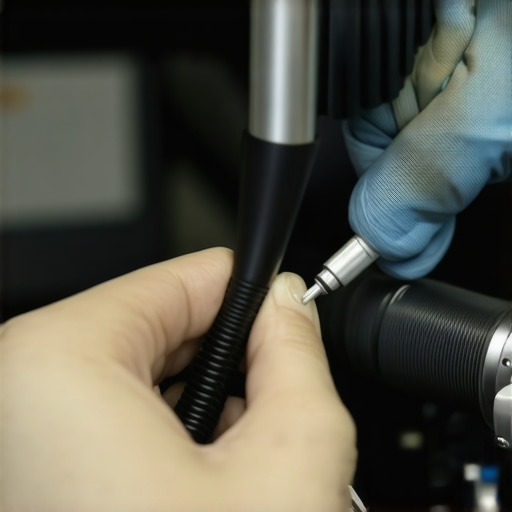
One of the toughest realizations I faced was how often I overlooked tiny tension adjustments, assuming everything was fine until a rig dipped mid-shoot. That lightbulb moment taught me that consistent proactive maintenance — like regular tension checks — was the real game changer. Another lesson was how stubborn I was about switching to premium support gear; upgrading to heavier-duty C-stands and bolstering them with sandbags gave me peace of mind I’d never had before. Finally, I learned that understanding the subtle anatomy of my tripod’s joints — and lubricating them properly — prevented unforeseen sagging and stabilized my shots. These insights came at the expense of time and small frustrations, but they paid off in the quality of my work and confidence during critical takes.
Tools and Resources That Keep My Support Gear in Top Shape
For keeping my gear shipshape, I rely on a few trusted tools: a high-quality silicone spray for lubricating joints, a digital inclinometer for precise leveling, and a set of precision screwdrivers optimized for support equipment. They might seem simple, but these have prevented many avoidable headaches on set. When I want to deepen my knowledge or find the latest innovations, I turn to expert guides like the ultimate support setup guide or explore support-specific gear reviews to ensure my setups stay reliable and safe. Investing in quality tools and continuous learning ensures that my gear performs flawlessly, shot after shot.
Elevate Your Next Shoot with Confidence and Intention
Now, it’s your turn to level up your support gear game. Remember, stability isn’t just about heavy weights or big supports — it’s about understanding how every component contributes to your shot’s integrity. With intentional maintenance, smart upgrades, and a curiosity to learn, you can transform your shooting experience into one that’s all about confidence and creativity. Don’t settle for shaky shots or wasted retakes; embrace these insights and make your support gear your unwavering allies. Are you ready to take your stability to the next level? Let me know your biggest challenge below, and let’s troubleshoot together.