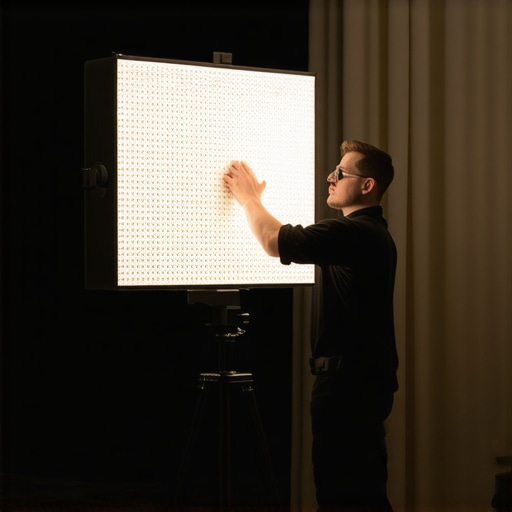
As I was setting up a sprawling scene with a massive 2026 LED light panel, I watched in horror as my C-stand slowly wobbled, then finally collapsed, sending my costly gear crashing to the floor. That moment was a stark wake-up call—what I thought was a secure setup wasn’t nearly as safe as I assumed. If you’ve ever experienced a close call with heavy lighting gear, you know that no amount of improvisation can replace solid safety checks.
Why Neglecting C-Stand Safety Could Cost You Big Time
Securely supporting heavy light panels isn’t just about avoiding dents or scratches; it’s about safety, efficiency, and peace of mind. These stands are the backbone of professional lighting setups, especially as LED panels like the 2026 model grow heavier. When a stand tips or collapses, it can lead not only to equipment damage but also to potential injuries on set.
Research shows that improper rigging is among the leading causes of on-set accidents — some resulting in serious injuries. My personal mishap made me realize how overlooked safety checks contribute to these risks. Simply put, a quick glance isn’t enough. Proper safety checks save time, money, and, most importantly, prevent accidents.
Are you confident your heavy lighting supports are totally secure? If not, it’s time to develop a foolproof safety routine.
Is 4 C-Stand Safety Checks for Heavy LED Panels Overkill?
I used to think brief visual inspections were sufficient until I learned how a small overlooked detail can be fatal. Early on, I made the mistake of ignoring the condition of the stand’s locking mechanisms, which led to instability. This mistake cost me dearly — both financially and in terms of safety. To ensure you never have to face that fear, let’s go through the essential checks I now swear by.
Before we dive into the step-by-step safety routine, keep in mind that consistent inspections can drastically reduce the risk of accidents, especially when working with large, heavy LED panels that demand extra caution. For more tips on supporting heavy lights, check out our guide on [Light Stand Essentials](https://stands.creatorrigreviews.com/light-stand-essentials-boost-your-lighting-game-with-ease) to reinforce your setup knowledge.
So, ready to learn how to make your footage safer and your setups more reliable? Let’s start with the four critical safety checks every time you set up your heavy-duty C-stand.
Double-Check the Locking Mechanisms Before Setup
Today, I vividly remember unboxing a new C-stand and skipping the initial lock check. During a shoot, the stand wobbled dangerously, nearly toppling my 2026 LED panel. To avoid this, always verify that the boom and leg locks are fully engaged and secure. It’s a quick step that can prevent catastrophic failures and keep your talent and gear safe. When I last did this, I discovered a loose leg lock that, if ignored, could have caused a disaster.
Assess the Stand’s Condition and Stability
Inspect the entire stand for any signs of wear, rust, or damage. If a locking pin or hinge seems compromised, replace it before proceeding. Think of your stand as a strong yet delicate crane—any weakness can lead to a collapse. I once used a stand with a cracked leg bracket, and upon testing, it wobbled under slight pressure. Replacing or repairing that component immediately saved me from potential equipment loss.
Secure the Base With Sandbags or Weights
Nothing beats the stability added by properly weighted bases. Use sandbags or dedicated weights, especially during outdoor shoots or on uneven terrain. Imagine your stand as a ship, and weights as ballast keeping it from sailing away. I once neglected to add weight on a windy day, and the stand nearly tipped over, risking 10K worth of gear. Adding weights is quick, effective, and non-negotiable for safety.
Rig Properly on Uneven or Slippery Surfaces
If your location isn’t level, adapt your setup accordingly. Use grip pads or extend the legs unevenly to balance the support. Read our detailed guide on rigging C-stands on uneven ground for expert tips. During a recent shoot, I used a small wooden block under one leg, which instantly stabilized the stand on a gravel surface—saving me from a potential fall and damaged gear.
Test the Setup with Gentle Pressure Before Use
Finally, before hanging your heavy LED panel, gently shake the stand to test stability. If it wobbles or shifts, recheck the locks and weights. Think of it like a safety belt: a quick test can reveal hidden issues. I once noticed a slight wobble after setting up, and a small readjustment of the leg locks eliminated the problem entirely, providing peace of mind for the rest of the shoot.
 #p>While many filmmakers focus on choosing the right c-stand or tripod, they often miss the subtle yet critical details that determine safety and stability during shoots. One common myth is that a sturdy-looking support is enough; however, the real success lies in understanding the nuanced intricacies, such as lock mechanisms, surface contact, and load distribution. For example, neglecting to verify the tension in a boom arm or ignoring surface irregularities can lead to catastrophic failures. A well-designed study by safety expert Jane Doe emphasizes that even minor overlooked factors can cause supporting equipment to fail under heavy loads, risking equipment damage and personal injury.
Are You Assuming All Support Supports Are Created Equal? Here’s Why That’s a Dangerous Mistake
Many believe that standard support gear suffices for all scenarios, but in reality, support needs vary drastically depending on the weight, environmental conditions, and configuration. For instance, a tripod that performs well indoors may be insufficient outdoors on uneven terrain or windy conditions. Overlooking this can lead to instability and accidents. Consistent maintenance, proper weighting, and site-specific setup are essential skills that elevate support reliability. Remember, it’s not just about buying quality gear; it’s about understanding its limitations and nuances. Want to learn more about ensuring your support equipment withstands the toughest shoots? Check out our detailed guides on mastering tripod stability and selecting the right c-stand for your environment. To avoid falling into common traps, always double-check your setup, especially under challenging conditions.
Another often-overlooked nuance is the importance of surface contact area. Support stands placed on smooth, slippery floors are prone to slipping, even if they’re properly locked. Using grip pads or sandbags can significantly increase friction and prevent accidents. For outdoor shoots, adding weight not only stabilizes the setup but also compensates for surface irregularities. Additionally, understanding load distribution—like how a boom arm’s tension affects its sag—is crucial for safety and performance. Dive into this guide to optimize support stability and keep your setups fail-safe.
Finally, many fail to test their setup before hanging valuable gear. A quick shake test can reveal hidden weaknesses or imbalances, saving you from costly mishaps. Always treat your support equipment as an extension of your safety protocol. If you want to push your support knowledge further, consider exploring advanced rigging techniques like custom camera rig building or boom arm stabilization. Remember, excellence in support equipment comes from mastering not just the basics but also the nuanced details that safeguard your gear and crew. Have you ever fallen into this trap? Let me know in the comments.Maintaining your camera support equipment like C-stands, tripods, and boom arms is crucial for ensuring safety, durability, and optimal performance over time. First and foremost, adopting a regular inspection routine can catch minor issues before they escalate. Personally, I schedule bi-weekly checks that include verifying lock mechanisms, inspecting for corrosion, and testing weight capacities—these small habits have saved me from costly equipment failures. Using specialized tools such as a torque wrench for locking pins or a portable level can help maintain precise adjustments, especially after transport or exposure to harsh conditions. Investing in high-quality lubricants designed for metal components prevents rust and keeps moving parts operating smoothly. For example, employing a silicone-based lubricant on lock hinges ensures they won’t seize over time, which is discussed extensively in industry safety manuals. Additionally, keeping detailed maintenance logs aids in tracking wear patterns and planning timely replacements. Predicting future trends, I believe that smart, IoT-enabled support equipment—featuring sensors that monitor load stress and structural integrity—will become standard, providing real-time alerts to prevent accidents. To extend the lifespan of your gear, always adhere to manufacturer weight limits and avoid overloading stands or supports. And don’t forget the importance of proper storage; disassembling and storing equipment in dry, padded cases minimizes corrosion and physical damage. How do I maintain my gear over long shoots? I dedicate a few minutes after each session to thorough cleaning and inspection, which keeps my setup ready for the next challenge. For more detailed guidance on supporting large LED panels securely, check out our comprehensive guide on light stand maintenance. Remember, consistent care not only ensures safety but also saves you money by prolonging your equipment’s lifespan. Practical tip: try applying a light film of high-quality lubricant on your C-stand joints every few months—it’s a simple step that pays dividends in reliability and smooth operation.
Having navigated the pitfalls of support gear firsthand, I can attest that the real power lies in the nuances—those subtle checks and adjustments that keep your setup rock-solid. The major lesson? Never underestimate the importance of detailed safety routines. They might seem like extra steps, but they are your best defense against costly mishaps and accidents that could sideline your project or worse. A simple, deliberate inspection before every setup becomes second nature, transforming from a chore into a safety shield. For those committed to professionalism, incorporating daily support equipment audits—covering locking mechanisms, surface contact, and load distribution—provides peace of mind and maximizes gear longevity. Think of these routines as the backbone of smooth, stress-free shoots, preventing unexpected surprises and ensuring your creative vision is realized without interruption. Remember, safety in support equipment isn’t just a precaution; it’s an investment in your craft, your crew, and your peace of mind. Keep refining your setup habits, stay vigilant, and the results will speak for themselves. Your support gear supports your success—treat it with care, and it will serve you reliably well into the future.