It was a frustrating moment that made me rethink everything about my studio setup. I had just finished assembling a new shot, only to realize that my light was wobbling, shaky, and barely staying in place. The culprit? An inadequate stand and a poorly chosen boom arm. That experience taught me a crucial lesson: the right equipment isn’t just a luxury; it’s the backbone of professional-quality results.
Why Choosing the Right Light Stand and Boom Arm Matters More Than You Think
In my early days, I underestimated the importance of sturdy, reliable support gear. I thought, “How hard can it be?” But after a few shaky shoots and repositions, I discovered that a solid stand and a versatile boom arm could make or break my lighting setup. They’re not just holding your lights—they’re stabilizing your entire shot. A flimsy stand can cause accidents, damage your gear, and waste your valuable time. Conversely, the right support gear can elevate your work, improve safety, and give you the flexibility to experiment with different lighting angles.
The problem is, with so many options available in 2024, how do you choose the right ones? I’ve learned from my mistakes and countless hours of trial and error that investing in quality support gear pays off. For instance, I once bought a cheap C-stand that looked promising but kept wobbling under the weight of my heavier lights. It was a costly mistake that I now avoid by opting for reliable brands and models. If you want to avoid similar pitfalls, I’ll guide you through the essentials, helping you build a stable, flexible lighting setup.
Are you tired of constantly readjusting your lights or worried about equipment failure during critical shoots? If so, you’re not alone. Many professionals face these issues and don’t realize that the solution begins with choosing the right support gear. To help you make informed decisions, I’ll cover not only the best stands and boom arms for 2024 but also how to assess their stability, versatility, and compatibility with your existing gear. Check out this comprehensive guide on [choosing the perfect C-stand for studio and on-location shoots](https://stands.creatorrigreviews.com/choosing-the-perfect-c-stand-for-studio-and-on-location-shoots) to get started.
Is a fancy support setup really worth the hype?
Honestly, I used to think that all stands were created equal. Spoiler: they’re not. My early mistake was assuming that a cheaper stand would suffice, only to learn that skimping on quality costs you more in the long run. Reliable support gear isn’t just about holding your lights; it’s about ensuring safety, precision, and peace of mind during every shoot. Investing in sturdy, well-designed stands and boom arms is a game-changer that elevates your entire production.
So, if you’ve faced unstable lighting or equipment crashes, know that better support gear is your best friend. Stay tuned; in the next sections, I’ll walk you through how to select, set up, and optimize your support gear for professional results in 2024.
Set Your Foundation with Reliable Stands
Start by selecting a high-quality C-stand that can handle your lighting weight and offers stability on various surfaces. I learned this the hard way when my cheap stand toppled during a crucial shoot, causing delays and risking damage. To avoid this, check out the detailed review of C-stands for studio and location shoots. Ensure it features a sturdy base, adjustable height, and smooth casters for mobility.
Assess and Test Your Support Equipment
Before the shoot, always test your stands and boom arms. Place your lights at the desired height and angle, then vigorously shake the setup to check for wobbling or instability. I once set up a large softbox on a stand, only to find it wobbling dangerously when I moved it slightly. This simple test saved me from potential accidents and rework. For tips on improving stability, visit tripod stability techniques.
Choose the Right Boom Arms for Flexibility
Next, pick a sturdy boom arm that can extend your light into hard-to-reach angles without sagging. Think of it as a flexible arm that holds your light perfectly in place—like an extension of your own hand. I replaced my flimsy boom with a robust model from a trusted brand, which dramatically increased my setup precision. For detailed setup methods, check boom arm setup guide.
Ensure Compatibility and Safety
Always verify that your supports are compatible with your lights and accessories. Use adapters or mounting plates if necessary. During one shoot, I struggled with a stand that didn’t fit my new LED panel, causing delays. Taking a moment to double-check compatibility beforehand prevents such mishaps. For guidance on building custom rigs, explore custom camera rig tips.
Secure Your Setup with Proper Weight Distribution
Distribute weight evenly across your stands and boom arms to prevent tipping. For instance, when mounting a heavy light, position the stand in a stable area and avoid extending the boom too far without counterweights. I use sandbags or weights at the base, which made a noticeable difference in stability during windy outdoor shoots. Learn more about maintaining stability with camera rig stability techniques.
Regular Maintenance and Inspection
Periodically inspect your gear for wear and tear. Tighten bolts, check for cracks, and replace worn parts. A loose bolt once caused my boom arm to suddenly shift mid-shoot, risking damage. Routine checks ensure everything remains secure and operational. For detailed maintenance tips, visit tripod and stand maintenance.
<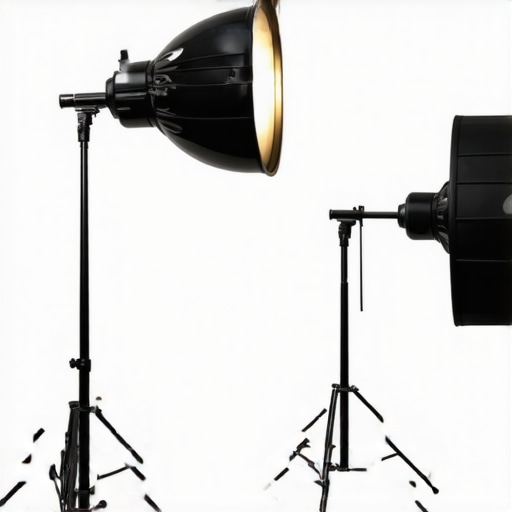 >Many filmmakers and photographers often fall prey to misconceptions when selecting support gear like light stands and boom arms, which can undermine the quality and safety of their shoots. Let’s dig deeper into what most people get wrong and uncover the hidden nuances that can elevate your setup.
First, a widespread myth is that all support gear is created equal. In reality, the quality, design, and materials significantly impact stability and safety. Cheaper stands might seem tempting, but they often lack the durability needed for professional environments. Investing in reputable brands ensures your gear can handle the weight and stress of your equipment, reducing the risk of accidents. For a detailed comparison, check out [light stand essentials to boost your lighting game](https://stands.creatorrigreviews.com/light-stand-essentials-boost-your-lighting-game-with-ease).
Another common mistake is neglecting the importance of weight distribution. Many overlook that improper weight balance can lead to tipping or wobbling, especially when extending boom arms or mounting heavy lights. Using counterweights like sandbags and placing stands on stable surfaces are simple yet effective ways to prevent mishaps. Want to master stability? Visit [mastering tripod stability](https://stands.creatorrigreviews.com/mastering-tripod-stability-expert-tips-to-elevate-your-shots) for expert tips.
A significant hidden nuance is the compatibility between supports and your gear. People often assume that any stand or boom arm will fit their lights or accessories, but mismatched mounting plates or incompatible sizes can cause setup delays or accidents. Always verify specifications and consider adapters when necessary. For advanced rigging techniques, explore [the ultimate boom arm setup guide](https://stands.creatorrigreviews.com/the-ultimate-boom-arm-setup-guide-for-seamless-filmmaking).
What about the common belief that bigger or heavier support gear means better stability? Not necessarily. Overly large stands can be cumbersome, and excessive weight can strain your setup without adding real stability if not properly anchored. Instead, focus on quality, proper weight distribution, and secure mounting to ensure safety.
Lastly, many underestimate the importance of regular maintenance and inspection. Bolts loosen, corrosion can develop, and cracks may form over time, compromising safety. Regularly inspecting your gear and tightening or replacing worn parts is crucial. For detailed maintenance tips, see [tripod and stand maintenance](https://stands.creatorrigreviews.com/ultimate-guide-to-c-stands-and-tripods-for-stable-filming).
Have you ever fallen into this trap? Let me know in the comments! Remember, understanding these nuances not only improves your safety but also enhances the professionalism of your productions.
Maintaining your studio support gear is crucial for ensuring long-term reliability and safety. Over time, regular upkeep prevents unexpected failures that can disrupt your shoots and lead to costly repairs. One of my go-to practices is scheduling routine inspections of all stands, boom arms, and support accessories. This includes tightening bolts, checking for cracks or corrosion, and replacing worn-out components. For example, I once discovered a loose bolt on my C-stand just before a crucial outdoor shoot, which could have caused a major accident. Regular checks like this save headaches and keep your setup secure.
Beyond visual inspections, cleaning your gear after each use is vital. Dust, dirt, and moisture can accelerate wear and weaken supporting materials. I personally use a soft cloth and a mild lubricant on moving parts to ensure smooth operation. This simple habit extends the lifespan of your stands and arms, maintaining their stability and ease of adjustment.
Investing in quality equipment is only part of the equation; knowing how to maintain and troubleshoot it is equally important. Following manufacturer guidelines, such as those provided in their maintenance manuals, ensures you’re applying the correct procedures. For example, some stands require periodic lubrication of joints or replacement of specific parts to prevent failure.
How do I keep my support gear working flawlessly over time?
The key is consistency. Set a maintenance schedule—monthly or quarterly depending on usage—and stick to it. During each session, examine all connection points, test stability by gently shaking the setup, and verify compatibility with your latest gear. Using tools like torque wrenches can help ensure bolts are tightened to manufacturer specifications, preventing over-tightening or loosening. Additionally, replacing worn parts proactively rather than reactively helps avoid sudden breakdowns.
Another tip is to invest in protective accessories, such as padded cases or covers, which shield your gear from environmental damage during transportation and storage. This practice is especially important if you frequently shoot on location where dust, moisture, or rough handling is common.
Looking ahead, I predict that smart maintenance tools and IoT-enabled support gear will become more prevalent, providing real-time health monitoring and alerts. Until then, diligent manual inspections combined with quality support equipment will keep your studio running smoothly.
Don’t forget—adopting a strict maintenance routine can significantly extend the lifespan of your gear and save you money in the long run. Try setting up a monthly check-up, and you’ll notice improved stability and fewer unexpected surprises. If you want to explore more advanced maintenance techniques or upgrade your support gear, visit this comprehensive guide for professional insights.
Ready to take your gear maintenance to the next level? Start today by inspecting your support stands and tightening any loose fittings. Your future self—and your shoots—will thank you.
The Hardest Lesson I Learned About Studio Support Gear
One of my most eye-opening moments was realizing that even the most advanced lights can’t save a poorly supported setup. I used to believe that investing in expensive lights was enough, but I kept struggling with instability and safety issues until I discovered the importance of quality stands and boom arms. This taught me that support gear is the invisible backbone of professional lighting.
What I Wish I Knew About Support Gear Before Starting
I used to overlook the significance of weight distribution and compatibility, often choosing cheaper options just because they looked good or had a low price tag. Now, I understand that durability, proper mounting, and even subtle details like caster quality influence the safety and efficiency of my shoots. My tip? Spend time researching brands and models that are built to last and designed for your specific needs.
The Real Cost of Cutting Corners on Support Equipment
Buying cheap stands might save money initially, but it can lead to accidents, gear damage, and lost shooting time. I’ve learned that investing in the right stands and boom arms pays off in stability, safety, and peace of mind. When you choose support gear wisely, you’re building a foundation that elevates your entire production quality.
Curated Gear Recommendations for 2024
My go-to support gear includes models from trusted brands like Manfrotto and Avenger—I’ve tested them in real-world conditions, and they never let me down. The C-stands for studio and location shoots are a staple in my kit because of their reliability and versatility. For boom arms, I prefer models that offer smooth extension and secure locking mechanisms, which you can explore in the boom arm setup guide. Regularly inspecting and maintaining your gear, as detailed in the stability tips, ensures long-term performance.
Seize the Moment and Elevate Your Support Game
Now is the time to audit your support gear, replace worn-out stands, and experiment with new support configurations. Remember, a stable, adaptable setup not only improves your shot quality but also keeps your crew safe. Take the first step today—your future shoots will thank you for it. What’s the biggest support challenge you’re facing right now? Share below and let’s troubleshoot together!
I really appreciate this detailed guide on support gear for studio lighting. Having been in the photography field for a few years, I can definitely relate to the frustration of dealing with unstable stands or accidental gear drops during shoots. Investing in quality stands like Manfrotto or Avenger has truly made a difference in both safety and efficiency on set. One thing I’ve found helpful is always doing a quick stability test before starting a shoot, especially when working outdoors where wind can be unpredictable. How do others here ensure their support gear remains secure during outdoor sessions? Do you have specific tips or accessories that work well in windy environments? I think regular maintenance and inspection, like you mentioned, are key, and I’ve started adding a weekly check to my routine to prevent surprises. It’s amazing how tiny adjustments can prevent major mishaps—sometimes just tightening a bolt makes all the difference. Would love to hear what safety practices everyone else recommends for maintaining long-term stability of their studio supports.
Reading through this post really hit home for me. I’ve also had moments where my support gear seemed to wobble just when I thought everything was secure, especially during outdoor shoots. What I’ve learned over time is that investing in high-quality stands and boom arms from reputable brands makes a huge difference, but so does the routine of constantly inspecting and re-tightening before each shoot. One trick I swear by is using quick-release locking mechanisms—they’re much easier to double-check and help prevent accidental slips. Also, in windy conditions, I always use extra weights like sandbags and avoid extending boom arms too far without proper support. Has anyone experimented with specific accessories or setups that work particularly well in challenging outdoor environments? I’d love to hear tips on how others manage to keep their setups stable when conditions aren’t ideal. It’s all about combining the right gear with diligent preparation, I think. After all, a stable setup not only saves time but also ensures safety for everyone involved, which is really what matters most.
This post resonates with my experience, especially when I first started out and underestimated the importance of sturdy support gear. I remember my first outdoor shoot where the stand wobbled just as I was about to capture a critical shot, which caused a lot of stress and delays. Since then, investing in high-quality C-stands from reputable brands like Manfrotto has made a huge difference. I also make it a point to do a quick stability test before starting each session, especially on uneven surfaces or in windy conditions. I’m curious, how do others here balance the need for mobility with stability? Do you prefer heavier stands despite their bulk or lighter options with added counterweights? I think considering the environment and type of shoot is key to choosing the right equipment. Also, I love the idea of regular inspections—I’ve found that tightening bolts and checking for damage keeps everything running smoothly. Has anyone experimented with innovative accessories, like anti-slip pads or specialized sandbags, to enhance stability during outdoor shoots? Would love to hear your tips for maintaining long-term support gear durability and safety.