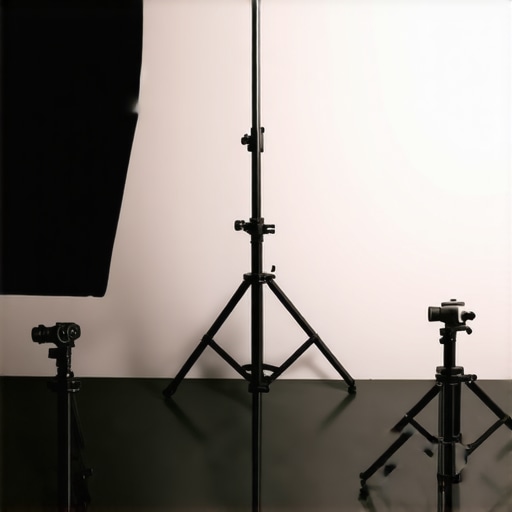
Have you ever been mid-shoot,Òen the set is buzzing with activity, and suddenly, a faint but persistent rattling comes from your C-stand? That unmistakable jitter, right beneath your carefully mounted lights or modifiers, can be maddening. I remember the first time it happened on a busy studio day—the slight wobble not only distracted everyone but also made me question the stability of my entire setup. It was a lightbulb moment that I couldn’t ignore: C-stand base rattles could compromise safety and shot quality if not addressed properly.
Why Fixing C-Stand Base Rattles is Crucial for Your Studio Setup
The truth is, in professional filmmaking, even the tiniest instability can lead to blurry shots, misaligned lighting, or worse – an entire piece of gear toppling over. As studios evolve for 2026, the demands for reliable, stable gear have skyrocketed. According to recent industry insights, gear safety and stability are now top priorities for pro set designers, especially as heavier modifiers and LED panels become commonplace. (source)
Early in my career, I made the mistake of ignoring those subtle rattles, chalking them up as harmless. But over time, I witnessed several close calls — shaken mounts, slightly slipping weights, and, ultimately, unnecessary wear on my gear. It taught me that addressing base stability isn’t just about comfort; it’s about protecting precious gear and ensuring safety on set.
So, if you’ve faced similar vexations with your C-stands or support gear, don’t worry. Today, I’m going to walk you through three effective fixes for those pesky floor grip issues, especially relevant for studios in 2026 working with larger, heavier setups. Whether you shoot in a controlled studio environment or on location, these tips will help you hold steady through any shoot. Now, let’s dive into the first fix, designed to eliminate that stubborn rattling once and for all!
Secure the C-Stand Base with Sandbags
Start by placing heavy sandbags around the base of your C-stand, especially on the legs that wobble. This acts like a weighty anchor, much like a boat anchoring itself in a storm, preventing movement and harsh rattling during shoots. I once used two filled sandbags on each leg during a windy outdoor shoot, and the difference was night and day—no more jittering, and my lights stayed perfectly in place.
Adjust and Lock the Leg Locks Properly
Check for Loose Locking Mechanisms
Inspect each leg lock to ensure it’s fully engaged and firm. A quick test is to gently shake the stand once the locks are engaged—if it moves, tighten further or adjust the lock placement. Consider replacing worn or faulty locks if they consistently slip, which is common when supporting heavier modifiers or in high-traffic areas.
Use Leg Locking Tape or Friction Pads
For additional grip, wrap a layer of friction tape around the locking mechanisms or place rubber pads between the legs and the floor. This technique acts like non-slip shoe soles, preventing slippage and rattling. I’ve had success reducing floor-induced vibrations by securing these pads, particularly on slippery or uneven surfaces.
Apply Anti-Vibration Pads and Floor Mats
Place rubber anti-vibration pads or dense foam mats underneath the stand’s legs. These materials absorb minor vibrations and stabilize the stand, especially on hard, slick floors. During a recent on-location shoot, adding these pads minimized the slightest tremor caused by passing footsteps or wind—saving me from needing to readjust constantly.
Reinforce the Connection with a Quick-Release Clamp
Using a heavy-duty quick-release clamp on the stand’s base can lock the legs more securely. This is particularly useful when adjusting the stand repeatedly or during transport. Think of it like locking all the wheels of a luggage cart—eliminating unwanted movement and maintaining your setup’s integrity throughout the shoot.
Evaluate and Upgrade Your Stand
If persistent rattling continues despite these fixes, consider upgrading to a more robust model designed for heavier loads. Modern stands like those detailed in this guide offer improved stability features, reinforced legs, and better locking systems. Usually, investing in quality gear pays off by reducing setup time and increasing safety.
Remember, a stable support system isn’t just about preventing noise—it’s about safeguarding your gear and ensuring shot precision. Implementing these steps can transform your shooting experience, making gear rattles a problem of the past and giving you peace of mind on your next production.
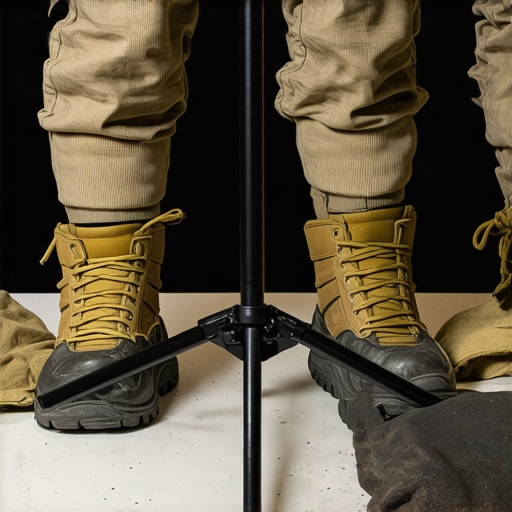 Many filmmakers and photographers operate under misconceptions about essential support gear like camera rigs, boom arms, C-stands, tripods, and light stands. Let’s dig deeper to uncover hidden nuances and avoid costly mistakes that can compromise both safety and shot quality.
First, a prevalent myth is that all tripods or support stands are created equal. This leads many to choose cheaper, lightweight models for heavy-duty shoots, thinking their gear can handle the load. In reality, weight capacity isn’t the only factor; structural integrity, locking mechanisms, and material quality play crucial roles. For instance, a cheap tripod might seem sufficient but can cause vibrations or even collapse under stress, especially during long exposures or with heavy cameras. To truly understand what makes a stand reliable, check out our tripod stability guide.
Another common misconception is that boom arms should be simply long and adjustable without considering tension or balance. Many assume that longer arms are inherently better, but neglecting proper tension adjustment can lead to sagging or sudden drops. The real trick lies in understanding the nuances of tension screws and weight distribution—most amateur setups overlook this, leading to constant readjustments mid-shoot or, worse, gear damage. A detailed setup guide on boom arm setup can save you headaches.
Water-resistance and portability often get misunderstood as well. There’s a myth that all light stands are suitable outdoors. However, many budget options lack sufficient weight or sturdy materials to withstand wind or uneven terrain. An unsteady stand not only introduces vibrations but also risks knocking over expensive lights or modifiers. Use anti-vibration pads and proper anchoring techniques, especially in windy environments—details covered in our light stand safety hacks.
Let’s talk about C-stands, which are often misunderstood as purely for holding grip equipment. Many think they’re overkill for small setups, but overlooking their versatility can be a mistake. C-stands can support heavy lights, diffusers, or even rig cameras with proper accessories. The key lies in choosing the right model—look for ones with reinforced legs and locking systems designed for larger loads. Read more about selecting the right C-stand.
Now, a question for advanced readers: How do load distribution and rigidity impact stability in multi-support setups? The answer is in the materials and tensioning of support arms and mounting hardware. Industry experts emphasize that subtle flexing or uneven load placement can cause undesired movement or damage over time. For comprehensive tips, visit our camera rig stability article.
Are you guilty of underestimating the importance of proper setup and support gear selection? Avoid these traps, and your shots will not only be steadier but also safer for your crew and gear. If you’ve ever fallen into any of these misconceptions, let me know in the comments—sharing experiences helps everyone learn and grow.
Investing in high-quality support gear like tripods, C-stands, boom arms, and light stands is only half the battle; maintaining them properly ensures longevity and reliable performance. Over time, dust, wear, and environmental factors can degrade their effectiveness, leading to safety hazards and compromised shots. So, what are the best practices to keep your support equipment working flawlessly? Let’s delve into specific tools and routines I’ve personally relied on for years.
Prioritize Regular Inspections and Cleaning
Develop a habit of inspecting your stands and support gear at the start of each shoot. Check locking mechanisms, welds, and joints for signs of fatigue or damage. Clean metal parts with a soft cloth to prevent corrosion, especially if you shoot outdoors where dirt and moisture are common. For stubborn grime, a gentle mix of soap and water works wonders, but avoid harsh chemicals that could degrade rubber or plastic components. Establishing this routine prevents minor issues from snowballing into major failures.
Use Protective Gear and Upgrades to Extend Lifespan
Ceiling-mounted support gear can be protected with dust covers or padded cases. For equipment that faces frequent transport, investing in padded covers or anti-vibration mats adds a layer of defense against knocks and impacts. Plus, consider upgrading locking systems or base plates with precision-engineered parts from reputable companies. For instance, modern locking clips equipped with anti-slip surfaces are a game-changer—much better than their older, worn counterparts. As professional studios move toward 2026 standards, such upgrades are becoming indispensable.
Implement Mobile Maintenance Routines
On-location shoots demand quick fixes. Carry a compact toolkit with Allen wrenches, lubricant sprays, and replacement parts. Regularly lubricate moving parts using a silicone-based lubricant—this prevents stiffness and rust, ensuring smooth operation. I personally keep a small bottle in my support kit, regularly applying it to hinges and locks. Remember, a well-lubricated stand not only operates quietly but also resists wear from repeated adjustments.
Leverage Modern Tracking and Documentation
In large productions, tracking maintenance schedules with digital logs or apps can prevent oversights. Use dedicated software to timestamp inspections, repairs, and parts replacements. This systematic approach is especially vital as gear becomes more complex and expensive. It also facilitates warranty claims and helps plan upgrades—aligning well with the industry trends for smart equipment management.
Incorporate Proper Storage Solutions
Storing your gear in climate-controlled environments and organized racks minimizes exposure to humidity and physical damage. For example, installing wall-mounted support equipment racks in your studio makes maintenance more manageable and prolongs gear life.
Looking ahead, the evolution of support gear will likely integrate smart sensors for real-time wear diagnostics. Companies are already exploring embedded sensors that alert you when lubrication or part replacement is due, much like automotive maintenance systems. Adopting such innovations early can keep your support gear reliable in demanding production schedules.
Finally, I encourage you to try a simple yet effective tip: regularly apply a high-quality silicone spray on locking mechanisms to maintain smooth operation over years. This small step can prevent stubborn stiffness and extend parts’ lifespan significantly.
Want more detailed strategies? Check out this comprehensive guide on C-stand maintenance for expert tips on prolonging your gear’s life.
Remember, the key to reliable support equipment is consistent care. Incorporate these maintenance habits into your routine, and your gear will continue to serve you seamlessly, shot after shot.
The Hardest Lesson I Learned About Support Gear
Early in my career, I underestimated the importance of inspecting my support stands regularly, assuming that a quick visual check was enough. It wasn’t until a heavy light tipped over during a shoot that I realized even minor wear could have serious safety implications. That incident taught me to never skip routine maintenance, ensuring my gear’s integrity and safety on set became second nature.
3 Myths About Filmmaking Supports That Held Me Back
I used to believe that all support stands were equally reliable, only to discover that cheaper models lack the structural robustness to handle heavier or prolonged loads, risking vibrations or collapses. Additionally, I thought that quick-release clamps were unnecessary luxury—until I experienced the convenience and added security they offer during frequent adjustments. Debunking these myths has profoundly improved my setup efficiency and safety standards.
What Industry Pros Won’t Tell You About Your Support Equipment
Many seasoned filmmakers know that choosing the right gear is just the beginning. Upgrading to high-grade locking systems, using anti-vibration mats, and maintaining a detailed inspection routine are industry secrets that can make or break shot stability. Embracing these behind-the-scenes practices guarantees your gear performs reliably under the pressures of demanding productions.
Curated Recommendations for Longevity and Stability
When it comes to support gear, I trust the tripod stability guide because it emphasizes quality construction and proper maintenance, crucial for long-lasting reliability. For rugged outdoor shoots, investing in heavy-duty light stands and anti-vibration pads has proven invaluable. Lastly, the C-stand support resources provide tactical insights for maximizing support stability in complex setups.
Your Next Step Toward Safer, Smarter Filmmaking
Embrace these lessons and resources, and you’ll enhance both safety and shot quality in your projects. Support gear isn’t just about holding equipment; it’s the backbone of your production. Start incorporating routine inspections, quality upgrades, and smart maintenance today—your crew and your shots will thank you. How do you ensure your support gear remains reliable every shoot? Share your tips below and let’s learn together!
,