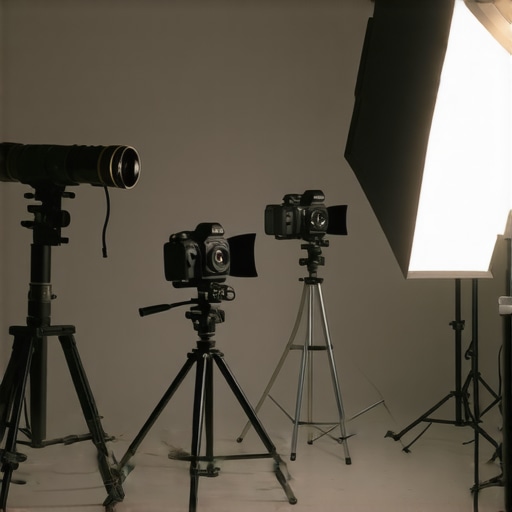
Ever spent hours trying to set up a shot only to have your camera wobble, your lights fall, or your rig collapse just when you think you’ve nailed it? I remember those days all too well—stumbling through trial and error, wasting precious time, and feeling frustrated every single time. One lightbulb moment changed everything for me: investing in the right support gear isn’t just a luxury; it’s a necessity for professional-looking results.
Why the Right Support Gear Can Make or Break Your Filmmaking Game
In my early days, I underestimated how crucial stable, reliable support equipment really is. I thought I could get away with cheap stands or makeshift solutions. Spoiler alert: I couldn’t. Poor support gear led to shaky shots, compromised safety, and endless hours troubleshooting instead of filming. According to a recent survey by ProVideo Coalition, equipment stability directly impacts footage quality and production efficiency. So, if you’re serious about your craft, it’s time to gear up with the best. Today, I’ll walk you through how to choose the perfect boom arms, light stands, and camera rigs that will transform your setup from shaky to studio-grade.
Is It Really Worth the Investment in Quality Support Gear?
Honestly? I used to think spending extra on support gear was overkill. I made that mistake early on—buying the cheapest stands and arms I could find. It seemed like a cost-saving move at first, but it backfired more often than not. My rigs would wobble, lights would fall, and I’d spend hours fixing problems that could’ve been avoided. Trust me, investing in quality gear pays off in both time saved and the professional look you want to project. If you’ve faced similar frustrations, you’re not alone. And don’t worry—there are solutions that won’t break the bank but will elevate your entire setup. Want to learn more about selecting dependable support gear? Check out our comprehensive resource on ultimate C-stands and camera rigs for video professionals. Let’s dive into how you can avoid those rookie mistakes and build a setup that’s as sturdy as your vision.
Choose Your Support Equipment Wisely
Start by identifying the core support gear you need for your projects. Whether it’s a sturdy boom arm or a reliable light stand, ensure they meet your specific requirements. When I first transitioned from cheap stands to quality support gear, I noticed an immediate improvement in shot stability. I recommend checking out this guide to select C-stands that suit both studio and on-location shoots.
Assess Your Shooting Environment
Different environments demand different support solutions. For outdoor shoots, you need support gear that can withstand wind and uneven terrain. For studio setups, stability and height might be more critical. Use light stand essentials to upgrade your lighting game with reliable stands that won’t tip over during crucial moments.
Invest in High-Quality Support Arms
Support arms like boom arms extend your flexibility without sacrificing stability. When I set up a recent interview, I used a premium boom arm to position my microphone and lights precisely. This prevented unwanted movement and kept everything in frame. To master setup and avoid wobble, consult expert tips on tripod stability applicable to support arms as well.
Secure Your Camera Rigs Properly
Building a robust camera rig requires careful attention to balance and support. I once spent hours troubleshooting a shaky shot because my rig was poorly balanced. Learning to properly anchor your camera rig can save you hours of re-shoots. Check out this tutorial for detailed assembly techniques.
Test Before Shooting
Always test your setup thoroughly before your actual shoot. A quick shake test or wind simulation can reveal weaknesses. During my last outdoor shoot, a quick stability check revealed a loose clamp, which I tightened immediately. This small step can prevent costly delays. For tips on ensuring stability, review this comprehensive guide.
Regular Maintenance and Inspection
Support gear isn’t a one-and-done purchase; it requires upkeep. Regularly inspect your stands, arms, and rigs for signs of wear or damage. I learned this the hard way when a support arm unexpectedly failed during a shoot, causing a minor accident. Establish a maintenance routine to keep your equipment reliable and extend its lifespan. For detailed maintenance tips, visit support gear maintenance.
By following these concrete steps, you’ll ensure your support gear provides a stable foundation for professional results every time. Proper selection, testing, and maintenance are the keys to elevating your filmmaking game in 2024 and beyond.
Many filmmakers operate under misconceptions when it comes to choosing and using support gear, often leading to costly mistakes or subpar results. Let’s dig deeper into what most people get wrong about support equipment, especially in the context of advanced filmmaking setups.
Why cheap stands can sabotage your professional look
One prevalent myth is that all support gear is created equal. In reality, budget stands and arms are often flimsy, prone to wobbling, and can even pose safety hazards. This is a trap that many fall into, thinking that saving a few dollars will not impact their shot quality. However, inferior gear can cause instability, leading to shaky footage that ruins the entire scene. Moreover, cheap gear wears out quickly, necessitating frequent replacements. Investing in high-quality support gear like those detailed in this guide ensures not only durability but also professional stability for your shoots.
Overestimating the load capacity of your support gear
Another common mistake is selecting support equipment based solely on specifications, assuming they can handle more weight than they actually can. Overloading stands or arms beyond their rated capacity can lead to catastrophic failures, equipment damage, or even injuries. For instance, a lightweight C-stand might seem sufficient for a small light, but if you add a heavy modifier or a larger light, it could topple. Always check the load ratings, and when in doubt, opt for gear with higher capacity than your current setup requires. For advanced users, understanding the nuances of load distribution, as discussed in support gear selection, can save you from potential accidents.
Misjudging environmental impacts on support stability
Many filmmakers underestimate how environmental factors like wind, uneven terrain, or even temperature fluctuations affect support gear performance. While we often focus on the gear itself, neglecting these variables can lead to unstable setups, especially during outdoor shoots. For example, a support stand that works perfectly indoors might be toppled by a gust of wind outside, or a support arm might wobble on uneven ground. To mitigate these issues, always evaluate your shooting environment and choose gear with appropriate features, such as wider bases or wind-resistant options. For more advanced outdoor support solutions, see lighting stand essentials.
Are you preparing your gear for long-term use?
Many overlook the importance of maintenance and inspection, leading to gear failure during critical moments. Regularly checking for wear, loose parts, or corrosion can extend the lifespan of support equipment and prevent accidents. Support gear isn’t just a purchase; it’s an investment that requires ongoing care. Implementing a routine maintenance plan, as suggested in support gear maintenance, can save you time and money over the long run. Remember, even the best gear needs care to perform at its peak.
Have you ever fallen into this trap? Let me know in the comments. By understanding these advanced nuances, you’ll be better equipped to select, use, and maintain your support gear, ensuring every shot is as stable and professional as you envision.
Once you’ve invested in high-quality support gear, keeping it in top shape becomes crucial for consistent, reliable results. The right tools and maintenance routines ensure your equipment performs flawlessly, saving you time and money in the long run. In this section, I’ll share the specific tools I use daily and the maintenance methods that keep my setup ready for action anytime.
Tools I Recommend for Support Gear Maintenance
My go-to tool for maintaining support gear is a high-quality multi-bit screwdriver set. I prefer one with magnetic tips because it allows me to tighten loose screws on stands and arms quickly without dropping small parts. I also keep a set of allen wrenches for assembling or adjusting support arms, especially when dealing with custom setups. For cleaning, a compressed air can is indispensable; it helps remove dust and debris from tight joints and hinges, preventing corrosion and wear.
Additionally, I use silicone lubricant spray to keep moving parts smooth and prevent rust. Regular application of this lubricant on support joints ensures they don’t seize over time. For measuring weight capacity or load distribution, a digital luggage scale can be surprisingly handy, especially when setting up outdoor rigs or on uneven terrain. It helps verify that your stands and arms are not overloaded, which is vital for safety.
How do I maintain my equipment over time?
Consistent inspection is the backbone of long-term gear reliability. I schedule a monthly check, looking for loose screws, signs of corrosion, or worn-out rubber feet. Tightening screws and replacing damaged parts promptly prevents small issues from escalating. Keep a maintenance log—note when components were last inspected or lubricated—to stay organized and proactive.
Another tip is to store your gear properly after each shoot. Use padded cases or racks to avoid accidental knocks and falls. Avoid leaving supports in extreme weather conditions; prolonged exposure to sun, rain, or snow accelerates wear. When I store my support gear, I wipe down all surfaces with a damp cloth, then dry and lubricate moving parts before putting everything away. This routine prolongs the lifespan of my equipment and ensures it’s always ready for the next project.
What future trends will shape support gear maintenance?
Looking ahead, I predict that we’ll see more smart support equipment equipped with sensors to monitor wear and stress in real-time. These innovations could notify you when a support arm needs tightening or replacement, much like automotive maintenance alerts. Such advancements will make maintenance more predictive, increasing safety and efficiency for filmmakers working in demanding environments.
For now, I encourage you to incorporate a simple but effective maintenance routine using the tools I mentioned. Regular upkeep will keep your support gear performing at its best and help avoid costly setbacks. If you’re interested in more detailed guides, check out our comprehensive support gear maintenance tips. Make this a priority, and your gear will reward you with years of reliable service. Try implementing a monthly inspection and lubrication schedule today—you’ll notice the difference immediately.
Reflecting on my journey, one of the most transformative lessons I learned about support gear is that it’s not just an accessory but the backbone of professional filmmaking. Early on, I believed that cheap stands and makeshift rigs could suffice, but I soon realized that stability and durability can’t be compromised. The hard truth is, investing in high-quality support equipment has saved me countless hours of re-shoots and frustration, proving that quality support gear is an essential investment for serious filmmakers. Additionally, I learned that understanding environmental factors, like wind and terrain, is crucial when choosing support gear for outdoor shoots, as these can dramatically affect stability. Lastly, regular maintenance isn’t just a chore but a necessity—keeping my stands, arms, and rigs in top shape ensures safety and performance, even after years of use. These insights have shaped my approach and can do the same for you, turning shaky shots into crisp, professional footage.