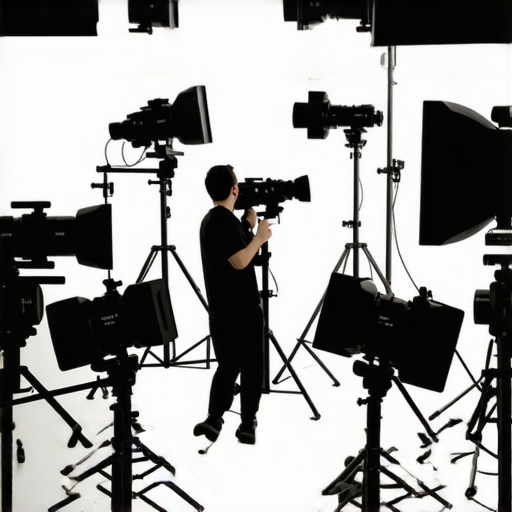
Ever spent hours trying to set up a shot, only to have your light or camera rig wobble, shift, or collapse just when you’re about to press record? I’ve been there—frustrated, wasting precious time, and feeling like I was fighting my gear instead of working with it. That lightbulb moment hit me hard: the right support gear isn’t just a luxury; it’s the backbone of professional filmmaking. If your stands and support gear are unreliable, your entire project suffers.
Why Your Support Gear Can Make or Break Your Shoot
In my early days, I underestimated the importance of quality stands and support arms. I thought any tripod or light stand would do. Boy, was I wrong. A cheap stand collapsing mid-shoot isn’t just embarrassing; it can ruin your shot, damage your equipment, or even cause injury. Over time, I learned that investing in reliable C stands, boom arms, and light stands is a game-changer. They provide stability, flexibility, and peace of mind, allowing you to focus on capturing your vision instead of wrestling with gear.
Research shows that using unstable support equipment can lead to shaky footage and increased setup time. According to expert advice, proper support gear can improve shot stability significantly, often making the difference between a professional-looking result and a shaky mess. But navigating the sea of options—C stands, boom arms, light stands—can be overwhelming. That’s where this guide comes in.
Have you faced the frustration of unreliable stands ruining your shoot?
If so, you’re not alone. Many filmmakers start with cheap gear, only to realize it hampers their progress. The good news? With the right knowledge, you can choose support gear that elevates your filmmaking, not hinders it. So, let’s dive into what makes a support stand truly reliable and how to pick the best options for your projects. From sturdy C stands to versatile boom arms, I’ll share insights from my personal experience and industry best practices to help you build a setup that works seamlessly every time.
Secure Your Support Equipment
Start by assessing the stability of your current stands. Place each stand on different surfaces—wood, concrete, uneven ground—and gently apply pressure to see if they wobble or shift. This simple test reveals weaknesses that could jeopardize your shoot. When you find a stand that wobbles, replace it with a more robust model like a quality C stand, which is designed to handle heavier loads and resist tipping. Invest in stands with adjustable legs and anti-slip feet to ensure maximum grip, especially on slick or uneven surfaces. For studio setups, consider heavy-duty models that won’t budge under weight, like those recommended in top C stands for studio stability. Proper support gear is the backbone of steady footage, so don’t skimp here.
Optimize Your Gear Arrangement
Arrange your stands close to your subject or lighting setup, but leave enough room to avoid accidental bumps. Use sandbags or weights—preferably with a quick-release system—for additional stability. When working with a boom arm, ensure it’s mounted on a sturdy support like a C stand with a wide base. Tighten all screws and clamps securely; loose parts are a common cause of wobble. During my last shoot, I used a boom arm setup guide to arrange my lighting precisely, and the stability improvements were immediately noticeable. Remember, the goal is to keep everything firm and balanced, reducing vibrations and unwanted movement.
Use the Right Support Accessories
Adding accessories like arm extenders or adjustable clamps can increase your support options without sacrificing stability. For example, a support arm with a quick-release clamp allows you to reposition lights or microphones swiftly, saving valuable time. For lightweight gear, choose support arms made from durable aluminum to balance strength and portability. When selecting an accessory, consider the maximum load capacity to prevent overloading and potential failure. For detailed insights, check out essential C stands and support arms. Properly supported gear not only enhances safety but also ensures your shots remain crisp and professional.
Regularly Check and Maintain Your Equipment
Before every shoot, inspect your stands and support gear for signs of wear, corrosion, or damage. Tighten all clamps and screws, and replace any worn-out parts immediately. During my last outdoor shoot, I noticed a loose clamp on my light stand and fixed it on-site, preventing a potential collapse. Proper maintenance extends the lifespan of your gear and keeps your support system reliable. When in doubt, consult the manufacturer’s guidelines or reach out via contact support for advice. Remember, a well-maintained support setup is the foundation of every successful shoot, giving you peace of mind to focus on your creative vision.
Many filmmakers and photographers underestimate the nuances that separate amateur support gear from professional-grade equipment. The biggest mistake? Believing that all stands and support rigs are created equal. In reality, the devil is in the details, and understanding these subtleties can elevate your productions dramatically. Let’s dig deeper into what most people get wrong and how to avoid costly pitfalls.
Why Cheap Supports Can Sabotage Your Creativity
Everyone tells you to buy the cheapest support gear to save money, but this is a trap. Low-cost stands and arms often lack the necessary stability, are made from inferior materials, and can wobble or collapse unexpectedly. This isn’t just inconvenient; it risks damaging your equipment or causing injury. Investing in reliable C stands and sturdy support arms ensures safety and shot stability. Remember, the right support gear is an investment in your craft.
Common Myth: All Tripods Are Designed for Professional Use
This misconception leads many to overlook the importance of load capacity, construction quality, and stability features. Not all tripods are suitable for heavy or sensitive equipment. For instance, a lightweight tripod might be great for casual shoots but will struggle under the weight of a professional camera rig. To avoid this mistake, research models that offer robust construction, such as those highlighted in top tripods for 2024. Proper support prevents vibrations and ensures crisp images, especially in demanding environments.
Watch Out for the Overlooked Trap of Poor Balance and Overloading
One of the most subtle yet damaging mistakes is overloading stands or misbalancing support arms. Even the sturdiest equipment can fail if you exceed its weight limits or forget to balance the load properly. This can lead to sudden collapses or vibrations that ruin your shot. Advanced users know that proper weight distribution and checking maximum load capacities, as explained in expert stability tips, are essential. Never underestimate the importance of these details—your footage depends on it.
How Do You Know When Your Support Gear Is Up to Par?
Beyond looking for robust materials, pay attention to the design features like anti-slip feet, adjustable legs, and quick-release clamps. These details might seem minor but significantly influence stability and ease of setup. Regular maintenance and inspections also play a crucial role. Worn clamps or corroded joints can compromise safety and performance. For insights on maintaining your gear, visit support maintenance tips.
In conclusion, the support gear you choose should be viewed as a critical component of your filmmaking toolkit—not an afterthought. Skimping here can lead to costly mistakes, delays, and compromised quality. Instead, focus on understanding the nuances, investing wisely, and maintaining your equipment diligently. Have you ever fallen into this trap? Let me know in the comments, and remember: the right support makes all the difference.
Maintaining your support gear isn’t just about prolonging its lifespan; it’s about ensuring your shoots remain stable, safe, and professional every time. Over time, even the sturdiest tripods, C stands, and boom arms can develop issues like loose clamps, corrosion, or wear that threaten your setup. I’ve learned from personal experience that a proactive maintenance routine saves money and prevents disasters on set.
Start with a regular inspection schedule. After each shoot, take a few minutes to check all clamps, screws, and joints. Tighten any loose parts and replace worn components immediately. For example, I keep a small toolkit with Allen wrenches, replacement screws, and anti-corrosion spray—these are my go-to essentials for quick fixes. When I notice a clamp starting to show signs of rust or wear, I swap it out from my backup stock rather than risking a failure mid-shoot.
Clean your stands and support arms periodically. Dust, dirt, and moisture can accumulate, especially if you work outdoors. Use a soft cloth and a gentle cleaner to wipe down metal parts, paying close attention to joints and moving parts. Applying a light coating of lubricant to hinges and screw threads keeps everything moving smoothly and reduces squeaks or stiffness that can lead to instability.
Check your support accessories, like sandbags and support arms, for signs of fatigue. Sandbags with tears or loose handles should be replaced immediately, as they can shift unexpectedly. For support arms, ensure the quick-release clamps are functioning correctly and aren’t stripped or cracked. These small details are often overlooked but are critical for maintaining your support system’s integrity.
How do I maintain support gear over time?
Invest in quality storage solutions, such as dedicated cases or racks, to keep your gear organized and protected. Proper storage prevents accidental damage and corrosion. For added longevity, consider investing in protective coatings or rust inhibitors for metal components, especially if you frequently shoot outdoors. Regularly reviewing the manufacturer’s guidelines can also help you stay on top of specific maintenance needs for your gear.
In the future, expect support gear to incorporate smarter materials—like composites and corrosion-resistant alloys—that require even less maintenance and offer increased durability. Staying updated with industry innovations will help you choose gear that’s easier to maintain and more reliable on set.
Don’t forget to try out one advanced tip: applying a thin layer of silicone spray on moving parts can significantly reduce wear and keep your support arms operating smoothly for years to come. Trust me, a little effort now pays off with a safer, more stable setup that will serve you well through countless shoots.
For detailed maintenance routines tailored to specific gear, check out support maintenance tips. Keeping your gear in top shape isn’t just good practice—it’s a crucial step toward professional results every time.
The Hardest Lesson I Learned About tripod, boom arm, c stand, light stand, camera rig
One of my biggest realizations was that choosing support gear isn’t just about saving money—it’s about investing in stability and safety. I once bought a cheap light stand for a quick outdoor shoot, only to have it wobble dangerously under the weight of my lights. That moment taught me that support gear with quality materials and solid construction makes all the difference. Now, I always prioritize stands with anti-slip feet and adjustable legs, which provide peace of mind and professional results.
3 Myths About tripod, boom arm, c stand, light stand, camera rig That Held Me Back
Firstly, the myth that all tripods are equal is false; load capacity and build quality vary greatly. Secondly, believing that support accessories don’t impact stability led me to overlook the importance of support arms and clamps. Lastly, assuming maintenance isn’t necessary caused unnecessary failures. Breaking these myths has transformed how I select and care for my gear, ensuring every shoot is smoother and safer.
What Experts Won’t Tell You About tripod, boom arm, c stand, light stand, camera rig
Experts often emphasize the importance of load capacity and proper setup, but what they don’t always mention is how crucial regular maintenance and inspection are. Small issues like loose screws or rust can lead to catastrophic failures if ignored. Learning to routinely check and maintain your gear, like tightening clamps or applying lubricant, extends its lifespan and keeps your shoots stable and professional. Trust me, these behind-the-scenes habits matter more than you think.
Curated Resources for Filmmakers Looking to Elevate Support Gear
Firstly, Choosing the right C stand is fundamental—I’ve relied on it for years to ensure studio stability. Secondly, top tripods and boom arms have consistently improved my setup efficiency. Lastly, support maintenance tips from industry pros help me keep everything in peak condition, avoiding costly surprises on set.
Your Turn to Try Stabilize Like a Pro
Remember, your support gear is the foundation of your filmmaking success. By investing in quality stands, arms, and support accessories, and committing to regular maintenance, you set yourself up for professional results every time. Don’t wait until disaster strikes—start building your support system today and watch your shoots become more stable, safe, and efficient. What’s the one support gear upgrade you’re planning next? Let me know below and share your stories of support gear triumphs or lessons learned.