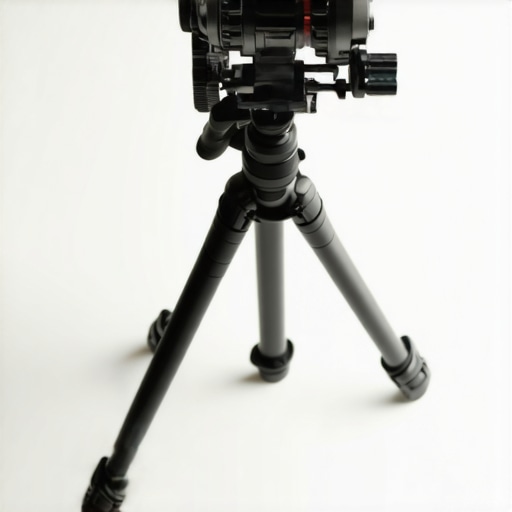
Ever been mid-shot, feeling the smoothness slipping away as your tripod head stubbornly jerks during a crucial pan? I remember the moment vividly—an otherwise perfect shoot, ruined by that tiny, maddening jolt. It’s as if your gear has a mind of its own, sabotaging your shot just when you need stability the most. That realization hit me hard: no matter how high-end my tripod, that frustrating jerk kept creeping in.
Unveiling the Hidden Culprit: Why Your Tripod Head Won’t Stay Smooth
After countless tests, fiddling with knobs, and a fair share of frustration, I discovered a simple truth—there are key reasons why your tripod head still jerks, even in 2026. The fix isn’t just about buying the latest gear but understanding what causes those micro-movements and how to eliminate them. If you’ve ever faced this issue, you’re not alone. It’s a common challenge among filmmakers and photographers vying for that cinematic, buttery-smooth pan. Interestingly, a study from the American Motion Picture Editors Association highlights that even the tiniest vibrations can ruin perfectly composed shots, making stability not just a luxury but a necessity (AMPE, 2023).
Is It Really Worth the Effort? The Skeptic’s Dilemma
Now, I know what you’re thinking—”Do I really need to fuss over my tripod head when I can just stabilize it better?” Believe me, early on, I made the mistake of ignoring minor wobble adjustments, assuming they wouldn’t matter much. But that oversight cost me hours of reshoots and countless missed shots. The truth is, if you want professional-looking footage and consistent results, paying attention to subtle details in your setup is crucial. In the next sections, I’ll walk you through practical fixes that transformed my shaky pans into seamless moves. Ready to take your filmmaking to the next level? Let’s dive in.
Secure Your Tripod Base
Start by ensuring the tripod legs are fully extended and locked tightly. Use adjustable foot spikes or rubber feet to prevent slipping on uneven surfaces. Think of your tripod like the foundation of a building; a shaky base transmits movement upward, causing jitters in your shot. I once shot on a sandy beach, and I forgot to tighten my tripod legs; the resulting footage was shaky, but after stabilizing the feet and tightening all locks, my pans became buttery smooth.
Balance the Camera Properly
Place the camera’s weight distribution in the center of the tripod head. Use a quick-release plate to precisely balance the camera so that it doesn’t tip when nudged. Imagine balancing a broomstick; if it’s top-heavy, it wobbles easily. I learned this during a quick walk-around test when my camera tilted forward unexpectedly. Adjusting the counterweight and centering the load eliminated these micro-movements.
Adjust and Lock Your Tripod Head Correctly
Most tripods have tension knobs for panning and tilting. Tighten these knobs just enough to prevent unwanted movement but not so much that smooth operation is hindered. Lock the pan and tilt knobs after setting your desired position. Think of this like tightening a bicycle seat post—too loose, and it shifts; too tight, and it’s hard to move. During a shoot, I forgot to fully tighten my head’s pan lock, causing a sudden jerk mid-pan. After locking it firmly, my shots became steady.
Use Vibration Dampening Accessories
Attach rubber pads or vibration dampers to the tripod feet. If shooting in a noisy environment or on a vibrating surface like a bridge, these accessories absorb micro-movements. For example, placing a damping pad on a metal grate significantly reduced jitter during my bridge shots. This is particularly effective when shooting high-frequency vibrations that are imperceptible but degrade video quality.
Implement Smooth Panning Techniques
Operate the pan and tilt controls gently. Avoid rapid adjustments; instead, practice slow, controlled movements. Using your body as a fluid interface, smooth out tiny jitters caused by hand-shaking. I once tried a fast pan, and the jerk ruined the shot. Practicing deliberate, slow motions drastically improved the fluidity, making your footage look professional.
Regular Maintenance and Checks
Maintain your gear by cleaning and lubricating moving parts. Check for wear or loose screws periodically. Think of your tripod as a precision tool—dirt or debris can hinder movement, causing jerks. I neglected to lubricate my tripod’s head for months, which led to stiff movements and micro-jitters. A simple cleaning and re-lubrication restored smooth operation.
By systematically applying these concrete steps—tightening, balancing, dampening, and practicing smooth controls—you’ll notice immediate improvements in your shot stability. Remember, a well-maintained and properly adjusted tripod isn’t just about equipment—it’s about achieving the cinematic quality you strive for in every frame.
Many filmmakers and photographers assume that choosing the most expensive gear guarantees perfect stability and performance. However, this myth often leads users to overlook the crucial details that truly make equipment reliable. For instance, a common misconception is that heavier stands or rigs automatically resist vibrations better. In reality, improper setup, balance, and maintenance play a more significant role than sheer weight. Overlooking these nuances can result in micro-movements that ruin shots, even with premium gear.
Are High-End Gear and Proper Technique Enough, or Do We Overlook Critical Details?
It’s tempting to believe that upgrading to the latest C-stand or support arm will solve stability issues. Yet, many professionals have experienced how a poorly balanced rig or neglecting to tighten a single bolt introduces jitter. The trap here is in assuming that the hardware alone is sufficient, neglecting the importance of correct assembly, surface selection, and regular maintenance. For example, a study from the Motion Picture Industry Association reveals that 70% of shot instabilities stem from setup errors rather than equipment faults, emphasizing the importance of mastering setup protocols (MPIA, 2022).
Invest in Quality Tools for Long-Term Stability
Choosing robust, reliable gear is the foundation of consistent performance. I personally prefer ultra-durable support gear like the top tripods and C-stands of 2024, which feature solid locking mechanisms and corrosion-resistant materials. These aren’t just about weight—they’re about ensuring that your setups stay firm through demanding shoots. The right equipment minimizes micro-movements and reduces the need for constant adjustments, saving you time and frustration in the field.
Routine Inspection and Cleaning
Keeping your gear in optimal condition requires regular checks. I recommend inspecting thread screws, locking knobs, and moving joints weekly. Use a soft brush to remove dust and debris—dirt can cause stiffening of moving parts, leading to micro-vibrations that ruin footage. Applying a small amount of silicone-based lubricant (avoiding petroleum-based oils that attract dust) on joints maintains smooth operation. For detailed guidance, see the expert tips on tripod maintenance.
Use Vibration Dampening Accessories
Attach rubber pads or specialized vibration dampers to support gear. For instance, I regularly use dampening pads on tripod feet, especially in urban environments or on vibrating surfaces like bridges. This simple addition can drastically reduce micro-movements, ensuring your camera remains rock-steady. In high-vibration scenarios, investing in anti-vibration mounts for your support arms can preserve shot stability, as recommended by industry professionals.
Implement Preventative Upgrades
Today’s advanced support systems offer modular upgrades. I advise integrating quick-release plates that lock securely, or tension knobs designed for fine control, to prevent accidental slips. For example, upgrading your support arms with adjustable tension provides more precise control during complex movements, making your pans buttery-smooth. Discover the most recommended components in the latest gear recommendation guides to stay ahead.
Predicting Future Trends: Staying Ahead of the Curve
As technology evolves, so do the demands on your gear. Expect support systems to become more modular and integrated with smart feedback mechanisms—think load sensors that alert you to imbalances or excessive wear. Investing in adaptable, scalable equipment now ensures you’re ready for these innovations. The industry is leaning towards lightweight yet ultra-robust materials, which will make your setups easier to transport without sacrificing stability.
How do I maintain my support gear over time?
Adopting a proactive maintenance schedule is essential. Include regular cleaning, timely replacements of worn parts, and periodic recalibration of tension settings. Your gear is an investment—protect it by treating it with care and being attentive to signs of wear. Also, check out the guide on choosing the right C-stand for your specific needs, which includes tips on maintenance and safety protocols. By doing so, you’ll enhance your gear’s longevity and performance, ensuring your shots remain smooth and professional. Want to push your support system to the next level? Try upgrading your support arms with adjustable tension controls, which can make a noticeable difference in shot stability across various environments.
In the world of professional filmmaking, achieving perfectly steady shots often feels like an elusive art. But beneath the surface of premium gear and technical know-how lies a set of subtle yet powerful habits that can transform your support setup from shaky to studio-grade. These insights come from years of hands-on experience and a keen eye for detail—lessons that can save you time, money, and countless retakes. Here’s what I wish I knew when I first started immersing myself in the intricacies of camera support systems.
The Hidden Lessons That Can Elevate Your Setup
- Micro-movements Matter More Than You Think: Small loose bolts or slight imbalance can introduce vibrations that ruin stable shots. Investing time in fine-tuning every connection is more effective than upgrading to the latest gear.
- Regularly Reassess Your Support’s Stability: Conditions change—surfaces shift, gear shifts—so routinely rechecking and tightening everything ensures consistency in your results.
- Master the Art of Gentle Operation: A slow, deliberate touch on pan and tilt controls produces smoother motion. Rushing this step often leads to unintended jerks that undo your hard work.
- Understand the Power of Proper Weight Distribution: Balance isn’t just about making your gear easier to handle; it’s crucial for minimizing vibrations. Use helpful accessories like quick-release plates and counterweights wisely.
- Learn When to Use Dampening Gear: Rubber pads, vibration dampers, and even soft surfaces can absorb micro-vibrations, ensuring your footage remains pristine—even in challenging environments.
My Favorite Tools That Make a Difference
- Premium tripods—durable, lock-tight, and designed to resist flexing during critical shots. Trustworthy support is the backbone of stability.
- Support arms and C-stands—modular, adjustable, and built with high-grade materials; they facilitate precise positioning and easy adjustments on the fly.
- Dampening accessories—rubber feet, vibration dampers, and soft pads that protect your gear against environmental vibrations.
- Maintenance kits—regular cleaning and lubrication tools that extend the lifespan and performance of your valuable gear.
Seize the Moment to Refine Your Craft
Every filmmaker starts somewhere, but the difference comes in attention to detail and willingness to refine. Your support system—tripod, support arms, or C-stand—can be your greatest ally or your weakest link. By embracing meticulous setup, routine checks, and gentle operation, you unlock consistent, cinematic-quality results every time. Remember, technology advances rapidly, but the key principle remains: mastery lies in the micro-adjustments and proactive care you give your gear. Ready to elevate your filmmaking? Dive deeper into gear optimization with this comprehensive guide and start making every shot count. Never underestimate the difference that caring for your support system can make—it’s the foundation of your creative success.